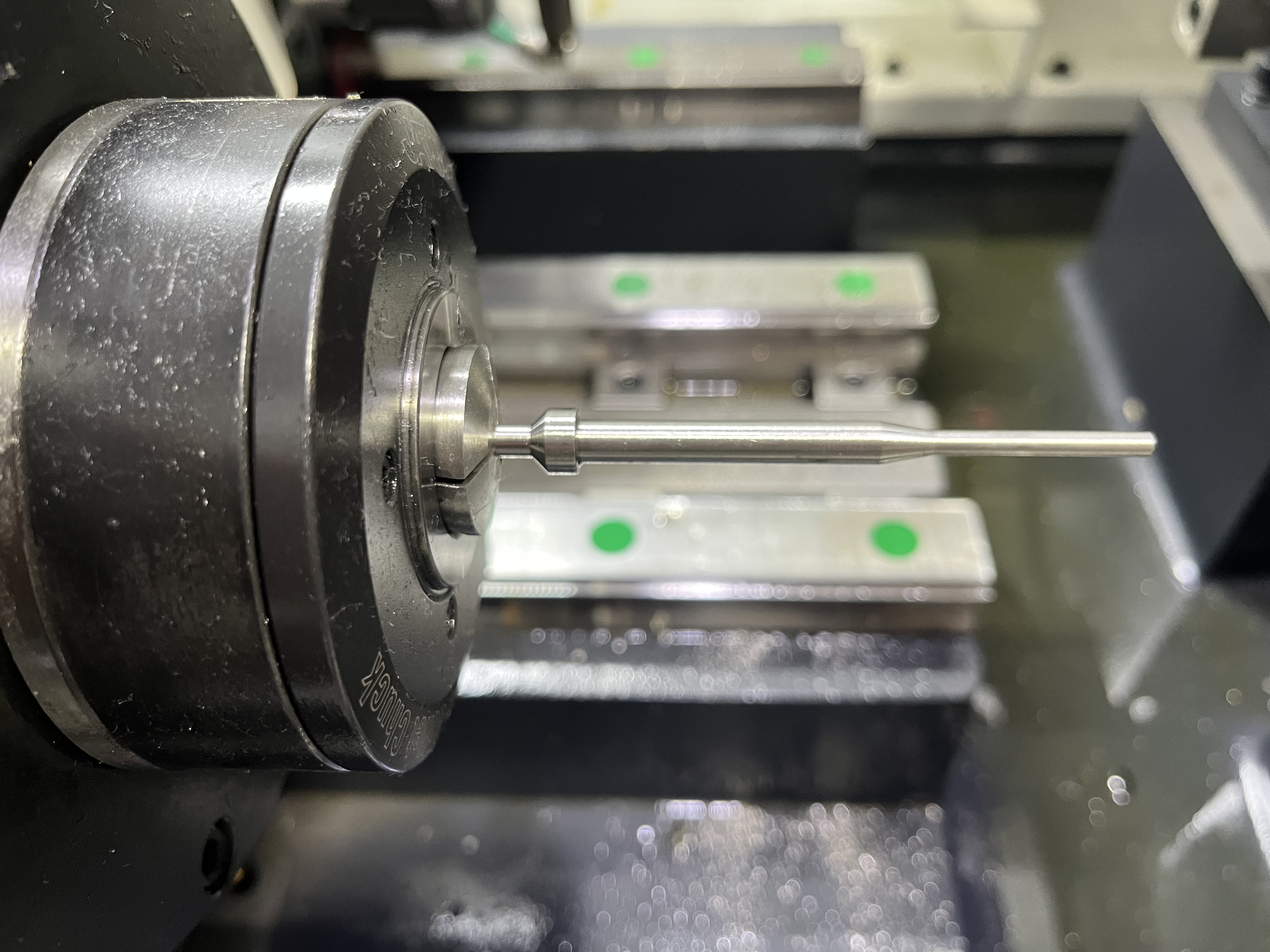
Outsourcing deep hole drilling is different from outsourcing standard machining. The cost of a mistake — wrong tooling, inadequate coolant pressure, insufficient experience — is higher because the part is often 80% complete when the hole is drilled.
I have worked with dozens of deep hole drilling vendors over the years. Here is how I evaluate them.
What to Include in Your RFQ
An incomplete RFQ produces an inaccurate quote. The vendor cannot price the job correctly without knowing all the requirements.
Include these parameters in every deep hole drilling RFQ:
| Parameter | Why It Matters |
|---|---|
| Material grade and condition | Determines tooling and cutting parameters |
| Hole diameter and tolerance | Determines process (gun drill vs BTA) and tooling cost |
| Hole depth and L/D ratio | Determines machine capacity needed |
| Through-hole or blind | Blind holes with flat bottoms add complexity |
| Surface finish requirement | May require secondary operations (honing, reaming) |
| Straightness requirement | Affects tooling, setup, and inspection |
| Quantity and annual volume | Drives per-unit pricing |
| Material condition (heat treat, raw) | Affects machinability and risk |
The more complete your RFQ, the fewer surprise charges you will see after the job is awarded.
I cover the technical specifications that matter in Deep Hole Drilling Accuracy Guide.
How to Evaluate a Vendor
I score vendors on five criteria:
| Criterion | Weight | What I Look For |
|---|---|---|
| Technical capability | 30% | Does their equipment match the hole size and L/D ratio? |
| Quality system | 25% | ISO 9001, inspection equipment, traceability procedures |
| Experience with similar work | 20% | Have they done this material and geometry before? |
| Delivery reliability | 15% | Track record of on-time delivery |
| Communication | 10% | Response time, clarity of quotes, technical questions asked |
The weight shifts depending on the job. For a critical aerospace part, quality system weight goes up and price weight goes down. For a simple commercial part, price may carry more weight.
Red Flags to Watch For
I have learned to watch for these warning signs when evaluating a vendor:
No technical questions. A vendor that accepts your RFQ without asking any questions about the hole geometry or material likely does not understand the complexity. A good vendor will ask about tolerances, surface finish, and material condition before quoting.
Unrealistic lead times. Deep hole drilling takes time — penetration rates are measured in mm/min, not m/min. A vendor promising extremely fast delivery may be overcommitting or planning to rush the job.
Vague about tooling costs. If the quote does not separate tooling from piece price, you cannot compare vendors fairly. Some vendors include tooling in the piece price; others charge it separately.
No quality documentation. If the vendor cannot provide first article reports, material certifications, or in-process inspection data, you will not be able to verify the parts when they arrive.
Questions to Ask Before Awarding
Before placing the order, I ask these questions:
- What machine will this run on? What is the machine’s max L/D capability?
- What coolant pressure and type will you use?
- How will you hold the part? What is the workholding method?
- What inspection equipment will you use to verify the bore?
- What is your scrap rate for similar work?
- Can you provide a first article report before production?
The answers tell me whether the vendor has thought through the job or is taking it on speculatively.
Vendor Qualification Levels
I categorize vendors into three levels:
| Level | Description | Best For |
|---|---|---|
| Tier 1 | Full-service: engineering support, in-house inspection, material traceability, quality documentation | Critical parts, aerospace, medical, oil and gas |
| Tier 2 | Production-focused: good equipment, standard tolerances, basic inspection | Commercial parts, high volume, standard materials |
| Tier 3 | Job shop: general equipment, wider tolerances, limited inspection | Prototypes, short runs, non-critical parts |
I use Tier 1 for complex jobs where risk is high. I use Tier 3 for simple jobs where price is the main factor.
Building a Vendor Relationship
The best deep hole drilling vendors are partners, not suppliers. I maintain relationships by:
- Sending complete, accurate RFQs
- Providing feedback on quality and delivery
- Paying on time
- Visiting the facility when possible
- Sharing upcoming volume forecasts
A vendor that knows your business will quote more accurately, prioritize your work, and alert you to potential problems before they become issues.
Key Takeaways
- Include material, diameter, depth, tolerance, finish, and quantity in every RFQ. Incomplete RFQs produce inaccurate quotes.
- Evaluate vendors on technical capability, quality system, relevant experience, delivery, and communication — not just price.
- Watch for red flags: no technical questions, unrealistic lead times, vague tooling costs, no quality documentation.
- Ask specific questions about the machine, coolant, workholding, inspection, and scrap rate before awarding.
- Categorize vendors into tiers and match the tier to the job complexity.
- Build long-term relationships with reliable vendors. A good vendor relationship prevents problems before they start.