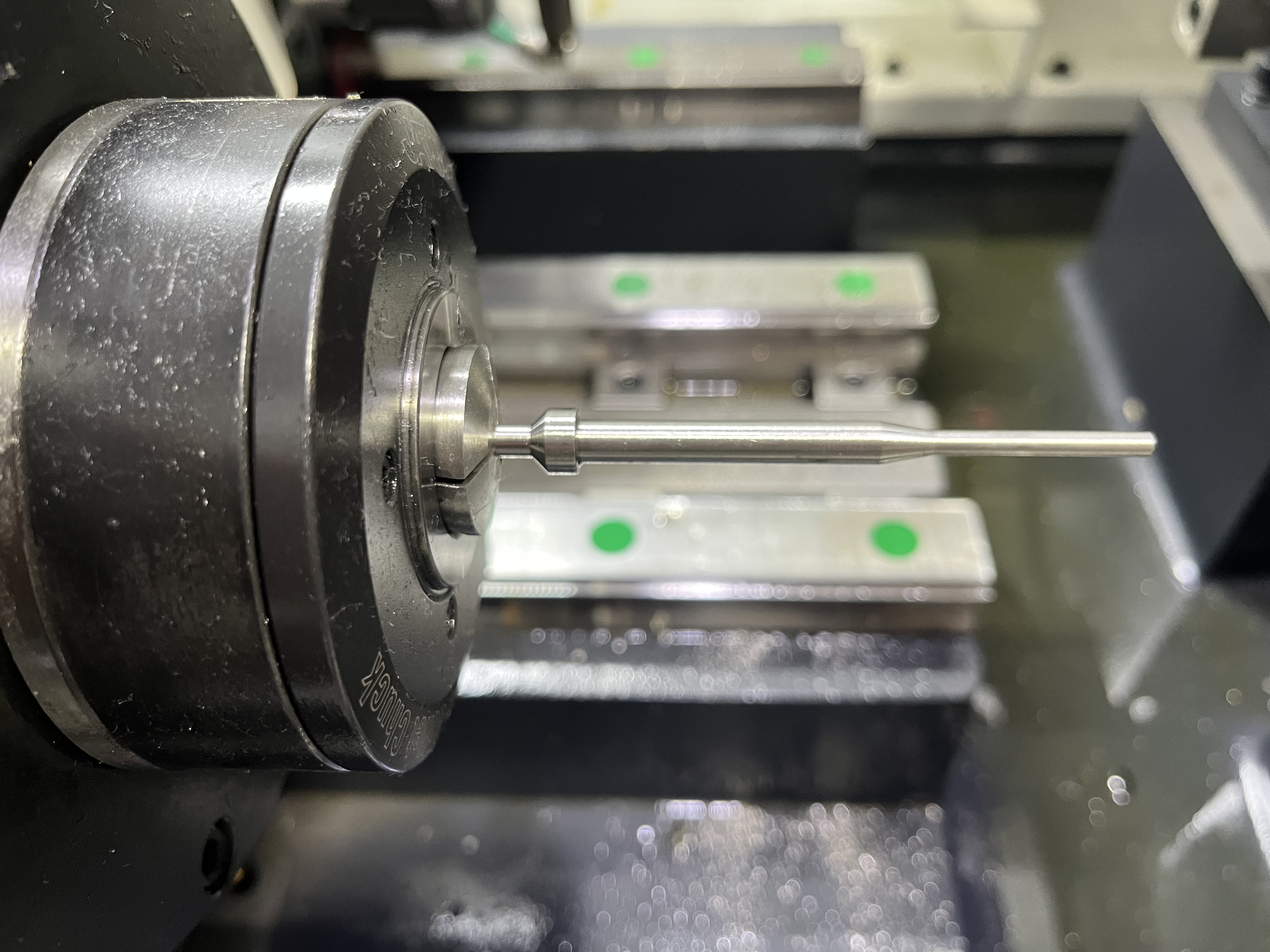
Geothermal energy systems rely on components that handle hot, chemically aggressive brines at high pressure. The drilling requirements are closer to chemical process equipment than standard oil and gas work because the materials are nearly all corrosion-resistant alloys.
I have worked on geothermal projects where the tube sheets, valve bodies, and piping components all needed BTA or gun drilled holes in duplex stainless steel and titanium. This is a different challenge from oil and gas wellhead work, where carbon steel is the norm and corrosion resistance is less critical.
Geothermal Wellhead Components
Wellhead assemblies for geothermal wells control the flow of hot brine and steam at temperatures up to 300°C. The valve bodies, bonnets, and flanges are typically made from duplex or super duplex stainless steel — grades like 2205, 2507, or in extreme cases, titanium.
Drilling these materials for valve body bores and flange bolt holes is slow work compared to carbon steel. The key difference is the work hardening behavior. Duplex stainless steels work harden quickly, and if the feed stops rubbing against the cut surface, the material hardens and ruins the tool.
Here are the parameters I use for drilling 2507 super duplex:
| Parameter | Value |
|---|---|
| Cutting speed | 40-55 m/min |
| Feed rate | 0.03-0.06 mm/rev |
| Coolant pressure | 1200-1800 psi |
| Coolant type | Oil |
| Tool material | Carbide with AlTiN coating |
I have found that AlTiN-coated carbide holds up better than TiAlN on super duplex. The higher thermal stability of the AlTiN coating handles the heat buildup better at the lower cutting speeds that duplex requires.
For titanium Grade 5 (Ti-6Al-4V) wellhead components, I drop the cutting speed further to 25-35 m/min and use coolant pressure at 1800 psi minimum. Titanium’s low thermal conductivity means the heat stays at the cutting edge, so high coolant pressure is essential for heat removal and chip evacuation.
Heat Exchanger Tube Sheets
Geothermal heat exchangers use tube sheets similar to chemical process heat exchangers, but the service conditions are more demanding. The tube sheet is usually clad or solid duplex stainless steel, with hundreds of holes drilled for the tube bundle.
The drilling pattern for a geothermal tube sheet I worked on:
| Specification | Typical Value |
|---|---|
| Tube sheet material | 2507 duplex, 2205 duplex |
| Tube count | 800-2000 holes |
| Hole diameter | 15-30 mm |
| Tube pitch | 25-40 mm triangular |
| Tube sheet thickness | 50-150 mm |
| Drilling method | BTA or gun drilling |
The main difference from standard heat exchanger drilling is the tolerance requirement. Geothermal tube sheets need tighter hole-to-hole positioning because the aggressive brine chemistry demands a perfect seal at every tube joint. Leaks in a geothermal heat exchanger mean downtime and exposure to hazardous fluids.
I run a tighter drill bushing setup on geothermal tube sheets than I would on a standard carbon steel heat exchanger. The bushing clearance is kept under 0.02mm to minimize drill wander at entry. For a 2000-hole tube sheet, that attention to every entry point adds setup time but prevents scrap.
Material Challenges in Geothermal Service
The corrosion resistance requirements of geothermal service dictate the material selection. Here is how the common grades compare from a machining standpoint:
| Material | Relative Machinability | Cutting Speed (gun drill) | Coating Preference |
|---|---|---|---|
| 2205 duplex | 40% of carbon steel | 50-65 m/min | AlTiN |
| 2507 super duplex | 30% of carbon steel | 40-55 m/min | AlTiN |
| 6Mo (UNS N08367) | 25% of carbon steel | 35-45 m/min | AlTiN |
| Titanium Grade 2 | 35% of carbon steel | 30-40 m/min | Uncoated or AlTiN |
| Titanium Grade 5 | 20% of carbon steel | 25-35 m/min | AlTiN |
The “relative machinability” numbers are based on my experience drilling these materials in a production environment. A material that takes 40% of the speed of carbon steel will also wear tools roughly 2.5 times faster.
One thing that catches shops new to geothermal work: duplex stainless produces long, stringy chips that are harder to break than the short chips from carbon steel. I run a chip breaker geometry on the drill insert and keep feed rates high enough to induce chip fracture — not so high that surface finish suffers, but above the threshold where the chip ribbons.
Key Differences from Oil and Gas Work
Geothermal drilling shares some surface similarities with oil and gas work — large valve bodies, flanges, pressure-containing components — but the execution is different in several ways:
- Material: Oil and gas uses carbon steel and low-alloy steel. Geothermal uses duplex stainless and titanium. The cutting speeds are half or less.
- Tolerances: Geothermal components often have tighter sealing requirements because the working fluid carries dissolved minerals that deposit at leak points.
- Volume: Oil and gas runs higher volumes of similar components. Geothermal is more project-based, with fewer repeats.
- Inspection: Geothermal components receive more rigorous NDE, including dye penetrant and ultrasonic inspection on drilled holes.
- Documentation: The material traceability requirements for geothermal are closer to aerospace than oil and gas. Every bar of duplex needs its mill cert tracked.
Quality and Testing
Geothermal components go through a quality process that I have not seen matched in other industrial drilling work. The standard inspection sequence for a drilled geothermal component includes:
- Dimensional inspection: Hole diameter and position checked against the drilling plan. Position tolerance is typically ±0.1mm for tube sheet holes.
- Surface finish measurement: Ra 1.6μm or better for sealing surfaces. Ra 3.2μm acceptable for non-sealing passages.
- Dye penetrant inspection: Every drilled hole is checked for surface-breaking defects. Duplex stainless is prone to micro-cracking if the feed is too aggressive.
- Hydrostatic testing: The assembled heat exchanger or valve body is pressure tested to 1.5x the design pressure.
I have had geothermal jobs where every drilled hole was video-inspected with a borescope and the footage was included in the documentation package. The customer wanted visual proof that every chip was clear and every surface was defect-free.
Key Takeaways
- Geothermal components demand corrosion-resistant alloys that are significantly harder to drill than carbon steel. Plan for cutting speeds at 30-50% of standard.
- AlTiN-coated carbide inserts outperform other coatings on duplex and super duplex stainless in my experience.
- Tube sheet drilling for geothermal requires tighter bushing clearance and more careful entry setup than standard heat exchanger work.
- The work is project-based rather than high-volume, so machine flexibility matters more than raw throughput.
- Quality documentation is extensive. Borescope video, dye penetrant reports, and material traceability are standard requirements.