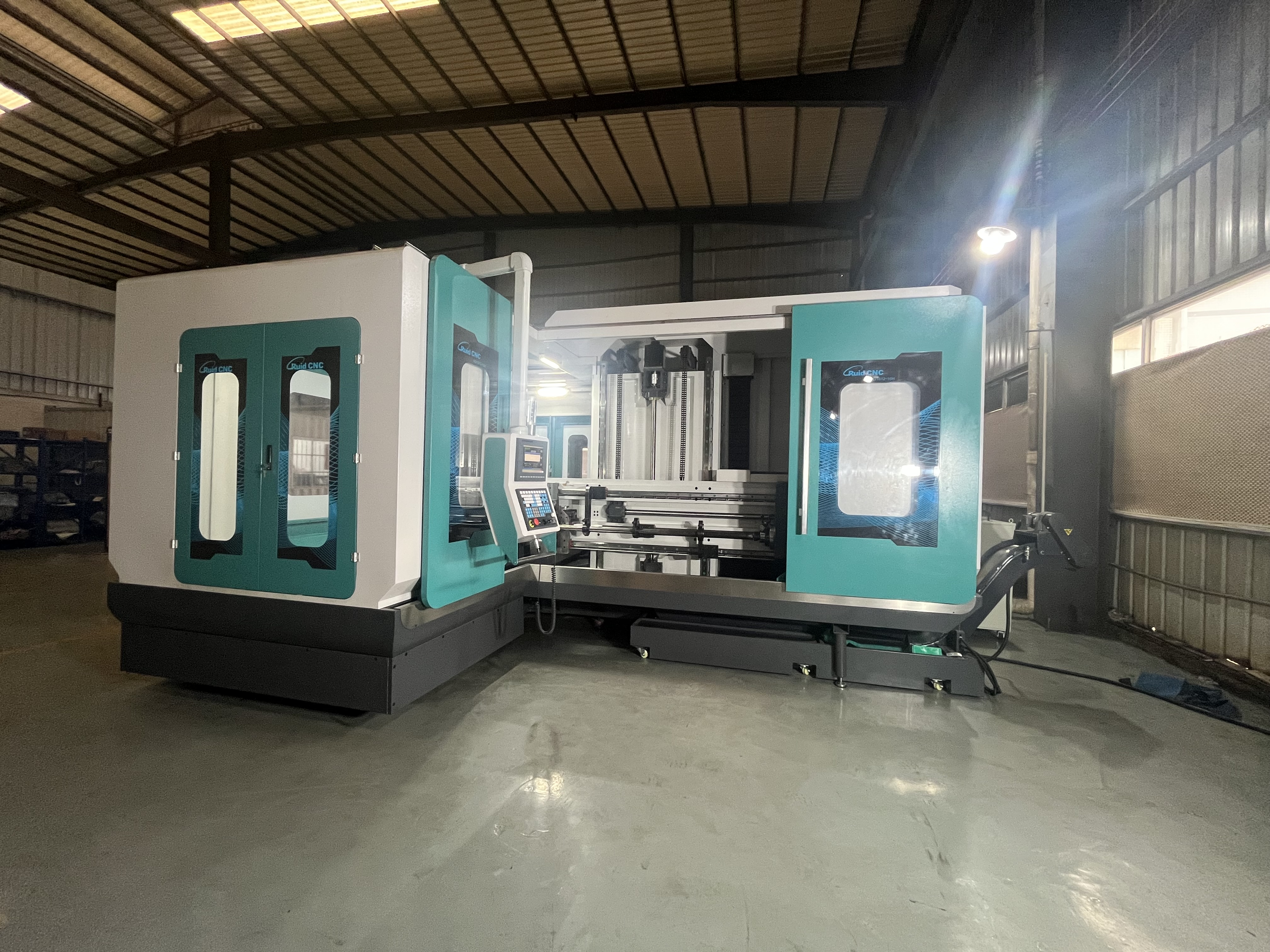
I use coolant additives to improve cutting performance and extend coolant life in deep hole drilling operations. The right additive makes a noticeable difference in tool life, surface finish, and coolant system reliability. Over the years I have tested various additive combinations and developed guidelines for what works in different applications.
Types of Coolant Additives and Their Applications
Coolant additives serve specific purposes and are not interchangeable. I use four main categories of additives, each with a specific function and application window.
| Additive Type | Function | Application | Typical Dose | Frequency |
|---|---|---|---|---|
| EP (Extreme Pressure) | Forms chemical layer on cutting edge, reduces friction | High-strength alloys, high feed rates | 2-5% of coolant volume | When changing coolant |
| Biocide | Prevents bacterial and fungal growth | Emulsion coolants, long coolant life | 0.1-0.5% of coolant volume | Every 2-3 months |
| Anti-foam | Reduces foaming in high-pressure systems | Coolant pressures over 1000 psi | 0.01-0.05% of coolant volume | As needed |
| Corrosion inhibitor | Protects machine and workpiece from rust | Cast iron machining, low concentration coolant | 0.5-2% of coolant volume | As needed |
| pH buffer | Maintains coolant pH in optimal range | Emulsion coolants over time | Per test results | Monthly |
EP additives provide extreme pressure lubrication for heavy cutting. I add them when drilling high-strength alloys like Inconel, titanium, or hardened steels above 35 HRC. The EP additives contain sulfur, chlorine, or phosphorus compounds that form a chemical layer on the cutting edge. This layer reduces friction between the chip and the drill margin and prevents galling.
I have found that EP additives improve tool life by 30 to 50 percent in difficult materials. In one test running 8mm gun drills in 4140 steel at 32 HRC, a 3 percent EP additive concentration increased tool life from 400 holes to 620 holes per drill. The surface finish also improved from 1.6 Ra to 0.8 Ra.
Biocide Treatment and Coolant Life Extension
Biocide prevents bacterial and fungal growth in emulsion coolants. Bacteria consume the coolant additives and produce hydrogen sulfide gas that smells like rotten eggs. I add biocide every three months as a preventive measure, even if the coolant smells fine.
The biocide concentration is measured with test strips that indicate the active ingredient level. I target a biocide concentration that provides protection for at least 30 days before the next treatment. If the coolant already has a strong odor, I add biocide at the maximum recommended dose and monitor the pH closely for the next week.
I also use aeration in the coolant tank to reduce bacterial growth. Bacteria are anaerobic and thrive in stagnant coolant. The aeration pump runs for 10 minutes every hour and keeps the coolant oxygenated. I have extended coolant life from 6 months to over 18 months using a combination of biocide treatment and aeration.
The coolant pH is a leading indicator of bacterial activity. Fresh emulsion coolant has a pH of 9.0 to 9.5. As bacteria grow, the pH drops. When the pH falls below 8.5, I test for bacteria and add biocide if needed. When the pH falls below 8.0, the coolant is degraded and needs replacement.
Anti-Foam Additives in High-Pressure Systems
Anti-foam additives control foaming in high-pressure coolant systems. Foaming is a problem in gun drilling because the coolant aerates as it exits the drill at high velocity. Foam reduces cooling efficiency and can overflow the coolant tank.
I add anti-foam in small amounts, starting with half the recommended dose. Too much anti-foam can cause wetting problems that reduce the coolant’s ability to reach the cutting edge. I add the anti-foam directly to the coolant tank while the pump is running to ensure even distribution.
The amount of anti-foam needed depends on the coolant concentration, the water hardness, and the pump pressure. I have found that harder water requires more anti-foam. If the shop water is above 200 ppm hardness, a water softener reduces the anti-foam requirement significantly.
For systems with persistent foaming problems, I check for mechanical causes before adding more anti-foam. A leak on the pump suction side draws air into the coolant and causes foaming. A return line that discharges above the coolant level aerates the coolant as it falls. Fixing these mechanical issues reduces or eliminates the foaming.
Additive Compatibility and Coolant Testing
I have learned that not all additives are compatible with all coolant types. Synthetic coolants have different chemistry than semi-synthetic or emulsion coolants. Adding an EP additive designed for emulsions to a synthetic coolant can cause the coolant to separate or form a gel.
I test additive compatibility by mixing a small sample of the coolant with the additive in a clear jar. If the mixture remains clear and stable after 24 hours, it is compatible. If the mixture separates, clouds, or forms sediment, the additive is not compatible with that coolant.
I also test the coolant concentration, pH, and biocide level monthly using test kits from the coolant supplier. The test results are logged and compared month over month. A change in the test trends indicates a developing problem before it affects the drilling process. For more on how coolant system maintenance ties into machine reliability, I have written about machine electrical systems — the coolant pump motor is often the first component affected by neglected coolant chemistry.
Concentration Measurement and Control
Getting the concentration right matters more than the additive choice itself. I use a refractometer to measure coolant concentration daily and adjust as needed. The refractometer reading needs a correction factor for different coolant types — emulsion coolants typically read 1.0 on the Brix scale per 1 percent concentration, while synthetics can read 1.5 to 2.0. I record the correction factor for each coolant brand and keep it posted on the machine.
I have found that concentration swings of more than 1 percent cause more problems than running at the wrong absolute concentration. Consistency is the goal. I top off with a pre-mixed coolant at the target concentration rather than adding water or concentrate separately. This single change reduced my concentration variation from 3 percent to 0.5 percent.
Common Additive Problems and Fixes
Over the years I have run into the same additive-related problems repeatedly. Here is my troubleshooting matrix:
| Symptom | Likely Cause | Check | Fix |
|---|---|---|---|
| Coolant smells like rotten eggs | Bacteria growth | pH below 8.5, biocide test strip | Add biocide at max dose, run aeration |
| Foam overflowing tank | Anti-foam depleted or mechanical aeration | Pump suction leak, return line position | Fix mechanical cause first, then add anti-foam |
| Coolant separating in tank | Incompatible additive mix | Jar test of current coolant with all additives | Drain and refill with compatible combination |
| Tool life dropped 30%+ | EP additive depleted | Coolant concentration and EP additive test | Add EP additive per manufacturer dose |
| White residue on machine surfaces | Hard water reaction with coolant | Water hardness test | Install water softener or switch coolant type |
| Skin irritation on operator hands | pH too high or low, or biocide overdose | pH test, biocide concentration test | Adjust pH to 9.0-9.5, reduce biocide dose |
| Coolant gel forming in tank | Wrong additive type for coolant base | Jar test separating components | Drain, clean tank, switch to compatible additives |
The seventh row in that table — coolant gel — is one I see from shops that mix additives from different suppliers without testing. I keep a log of which additive brands I use with each coolant type so I do not mix incompatible chemistries.
Additive Storage and Shelf Life
I store additives in a climate-controlled area. Temperature swings above 35 degrees Celsius degrade EP additives and biocides over time. I date every container when it arrives and rotate stock so nothing sits longer than 12 months. Biocide that has been stored through a summer in a hot warehouse loses potency — I have seen it fail to control bacterial growth even at double the normal dose.
EP additives containing sulfur compounds have the shortest shelf life. After 18 months at elevated temperature, the sulfur compounds precipitate out and the additive loses effectiveness. I buy EP additives in quantities that I will use within 6 months.
No additive fixes a coolant system that is not being maintained. I check concentration, pH, and cleanliness regularly regardless of which additives I use. The best additive strategy is a well-maintained coolant system with additives used to address specific needs. The coolant energy article covers how coolant pressure interacts with additive performance — lower pressure systems can get away with simpler additive packages.
Key Takeaways
- EP additives improve tool life by 30 to 50 percent in high-strength alloys like Inconel and hardened steel, with a 3 percent concentration extending gun drill life from 400 to 620 holes in my tests.
- Biocide treatment with aeration extends coolant life from 6 months to over 18 months by preventing bacterial growth — I add biocide every three months preventively.
- Anti-foam additives should be added starting at half the recommended dose to avoid wetting problems, and mechanical causes of foaming should be investigated before increasing the dose.
- Coolant pH below 8.5 indicates bacterial activity and triggers a biocide check; pH below 8.0 means the coolant is degraded and needs replacement.
- I test additive compatibility by mixing a small sample in a clear jar for 24 hours — any separation, clouding, or sediment means the additive is not compatible with that coolant.
- Regular coolant testing (concentration, pH, biocide level) on a monthly schedule provides trend data that catches problems before they affect the drilling process.