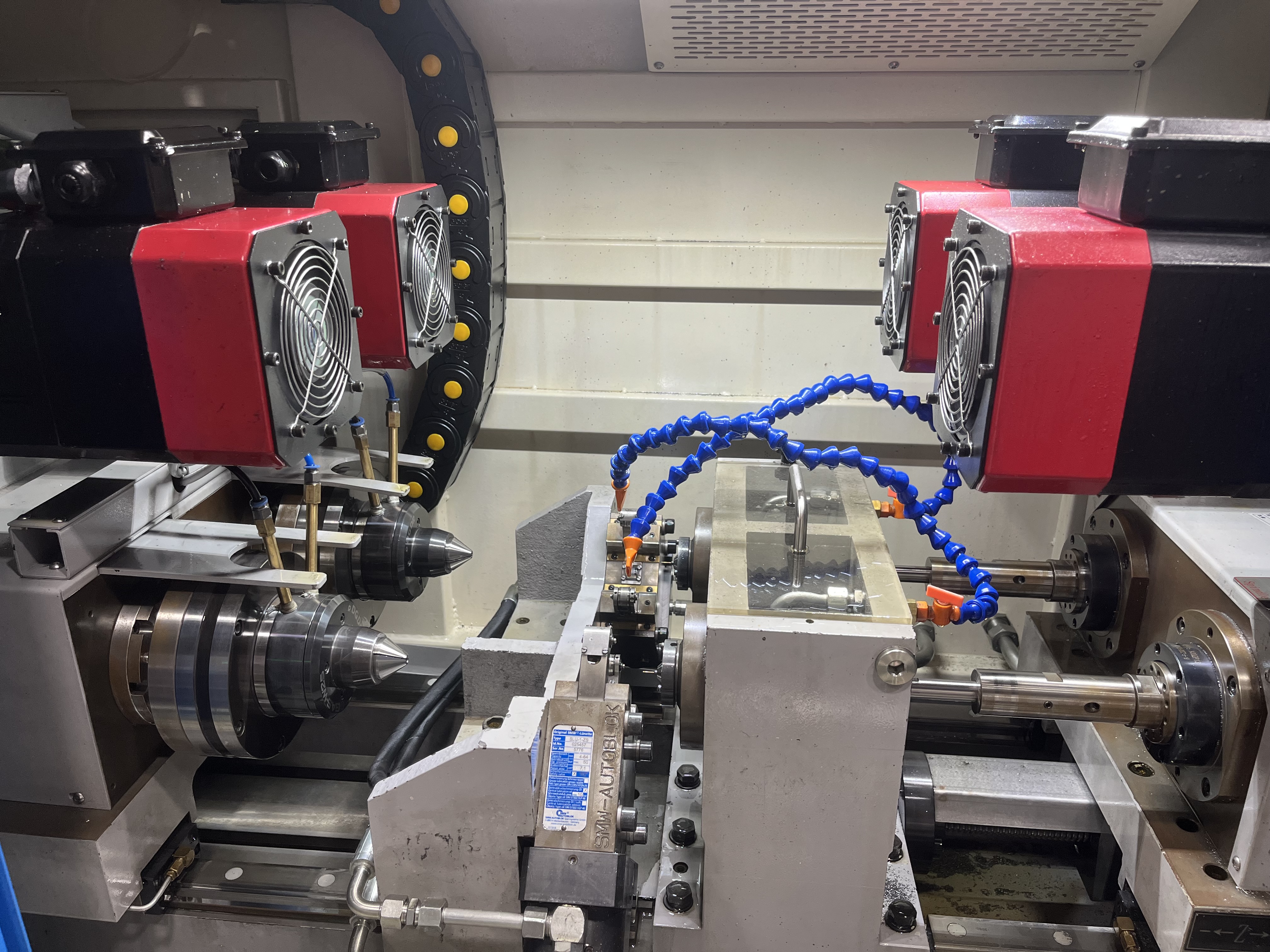
Biocide prevents bacterial growth in emulsion coolants. Bacteria consume the coolant additives and produce hydrogen sulfide gas — the classic rotten egg smell. Left untreated, the coolant turns rancid, separates into oil and water, and needs to be drained and replaced. I have dumped thousands of gallons of rancid coolant over the years, and most of those dumps could have been prevented with proper biocide management.
Biocide Types for Different Situations
I use two primary types of biocide depending on the situation, but there are actually four main categories worth understanding. Each targets different organisms and works best under specific coolant conditions.
Isothiazolinone-based biocide is for routine preventive treatment. It is effective at low concentrations — typically 50-100 ppm active ingredient — and compatible with most emulsion coolants. I use it on a scheduled basis to keep bacterial populations below the problem threshold. Isothiazolinones work well in systems with pH below 9.0. Above that pH, their effectiveness drops noticeably. Commercial products like the Isothiazolone blend from Coolant Control use a maintenance dose of about 10 fluid ounces per 1,000 gallons every 4 weeks for non-fouled systems.
Formaldehyde-releasing biocide is for shock treatment when the bacterial count is high. This biocide works by slowly releasing formaldehyde into the coolant, which kills bacteria at all growth stages. The release rate depends on the coolant pH and temperature. At pH 9.0, the release is slow and sustained over several days. At pH 8.0, the release accelerates and provides a faster kill. I have used this for shock treatments when dip slide readings showed bacterial counts above 1,000,000 CFU/mL.
Glutaraldehyde is a broad-spectrum biocide I turn to when I am dealing with mixed contamination involving both bacteria and fungi. It is fast-acting and effective across a wide pH range, but it requires careful handling because it is a known irritant. I dose glutaraldehyde at 100-300 ppm for curative treatment and apply it in recirculating systems every 1-3 days until the contamination clears.
Sodium pyrithione is my go-to when fungal growth is the main problem. Bacteria are usually the primary concern, but when mold starts growing on the coolant surface or in stagnant areas, sodium pyrithione knocks it out without disrupting the bacterial balance that the isothiazolinone maintains.
| Biocide Type | Active Ingredient | Typical Dose | Application Frequency | Best pH Range | Target Organisms |
|---|---|---|---|---|---|
| Isothiazolinone | Methylisothiazolinone (MIT) | 50-100 ppm (10-16 fl oz / 1000 gal) | Every 2-4 weeks preventive | 7.5-9.0 | Bacteria, fungi |
| Formaldehyde-releasing | Tris(hydroxymethyl)nitromethane | 200-500 ppm | Shock treatment, single dose | 8.0-9.5 | Bacteria all stages |
| Glutaraldehyde | Glutaraldehyde | 100-300 ppm (0.25-0.5 g/L) | 1-3 times per week curative | 6.0-9.5 | Broad-spectrum bacteria, fungi |
| Sodium pyrithione | Sodium pyrithione | 30-80 ppm | As needed for mold | 7.0-9.0 | Fungi, mold |
| Quaternary ammonium | Alkyl dimethyl benzyl ammonium chloride | 5-40 ppm active | Weekly maintenance | 7.0-8.5 | Bacteria, algae |
Testing Schedule and Action Thresholds
For preventive treatment, I add biocide every three months at the manufacturer recommended concentration. I test the bacterial count with dip slides monthly. If the count exceeds 100,000 CFU/mL, I add a shock dose of biocide. The dip slide test takes 48 hours to show results, so I have learned to read the early signs of bacterial growth before the slide confirms it.
The first sign of bacterial activity is a drop in pH. Fresh coolant has a pH of 9.0-9.5. As bacteria grow, they produce organic acids that lower the pH. I check coolant pH weekly with a digital meter. If the pH drops below 8.5, I know bacteria are growing and I take action immediately rather than waiting for the dip slide result.
| pH Range | Condition | Action Required |
|---|---|---|
| 9.0-9.5 | Healthy coolant | No action needed, normal monitoring |
| 8.5-9.0 | Early bacterial growth | Add preventive biocide dose |
| 8.0-8.5 | Active bacterial growth | Shock treatment with formaldehyde-releasing biocide |
| Below 8.0 | Coolant breaking down | Add biocide, check concentration, prepare for coolant change |
| Below 7.5 | Coolant failure imminent | Drain and replace coolant |
The dip slide test gives me the bacterial count in colony-forming units per milliliter. I use the following action thresholds based on years of experience:
| Dip Slide Result (CFU/mL) | Condition | Action |
|---|---|---|
| Less than 1,000 | Clean coolant | Normal monitoring |
| 1,000 to 10,000 | Low bacteria | Monitor weekly |
| 10,000 to 100,000 | Moderate bacteria | Add preventive biocide dose |
| 100,000 to 1,000,000 | High bacteria | Shock treatment, check pH daily |
| Over 1,000,000 | Severe contamination | Shock treatment, schedule coolant change |
I also run an ATP swab test monthly on machines that have had contamination problems in the past. The ATP test gives results in 15 minutes instead of 48 hours, which lets me treat the system the same day. The dip slide is still my primary monitoring tool because it is cheaper and gives me a concrete CFU count, but the ATP test is useful when I need fast confirmation.
Application Procedure and Timing
The biocide should be added when the coolant is clean. Adding biocide to dirty coolant kills the bacteria, but the dead bacteria still cause odor and the endotoxins they release can cause skin irritation for operators. I clean the coolant tank and change the filters before adding biocide. The cleaning includes wiping down the tank walls, removing the chip bed from the bottom, and flushing the supply lines with clean water.
I add the biocide slowly while the coolant pump is running to ensure even distribution. Pouring biocide into a stagnant tank creates local high concentrations that can damage the coolant emulsion. I dilute the biocide in a 5-gallon bucket of coolant before adding it to the tank. The dilution step prevents shock to the emulsion system and ensures the biocide mixes evenly throughout the tank volume.
I add the biocide at the end of the shift so it has 12-16 hours of non-production time to work. During production, the coolant picks up new bacteria from the chips and workpiece, which reduces the effectiveness of the treatment. I have found that overnight treatment gives significantly better results than adding biocide during the workday.
For glutaraldehyde treatments in recirculating systems, I maintain at least one hour of contact time for the biocide to reach full effectiveness. This is shorter than the overnight soak I use for isothiazolinones, which is useful when I need a quick turnaround on a machine.
Avoiding Overuse and Operator Safety
I avoid overusing biocide. Too much biocide can cause skin irritation for operators. Isothiazolinone in particular is a known skin sensitizer. I follow the manufacturer dosage recommendations and never exceed the maximum allowable concentration printed on the safety data sheet. I also ensure operators wear nitrile gloves when handling coolant on machines where biocide has been recently added.
The biocide concentration can be measured with test strips available from the coolant supplier. I test the biocide concentration weekly to ensure it stays within the effective range. Underdosing creates resistant bacterial strains that require higher doses in the future. Overdosing wastes money and creates operator health risks.
Safety Data Sheets for each biocide are kept in a binder at the coolant mixing station. I require operators to read the SDS before handling any concentrated biocide. Spill kits are stationed at every machine that uses biocide treatment, and I train the team on proper spill response annually. Glutaraldehyde in particular needs immediate attention if spilled because it is a respiratory sensitizer in vapor form.
Resistance Management
I rotate biocide types every six months to prevent bacterial resistance. Using the same biocide year after year selects for resistant strains that survive the treatment and repopulate the system. I switch between isothiazolinone-based and glutaraldehyde-based treatments on a rotating schedule. The bacteria cannot develop resistance to both mechanisms simultaneously.
If I see the bacterial count rising despite proper dosing, I switch to a different biocide chemistry immediately. A trend of increasing dip slide counts after treatment tells me the current biocide is losing effectiveness. I have had to switch to formaldehyde-releasing shock treatment twice in the past five years when the standard isothiazolinone routine stopped working.
A clean coolant system with proper concentration and pH rarely needs biocide. Biocide is a backup, not a replacement for good coolant maintenance. I have found that systems with good chip removal, proper coolant concentration, and regular tramp oil skimming can go 6-12 months without biocide addition. The machines that need monthly biocide are the ones with poor housekeeping — chips left in the tank, coolant concentration allowed to drift, or tramp oil allowed to accumulate.
For more on maintaining clean coolant systems, see my guide on coolant filtration system design. Regular filtration removes the organic debris that bacteria feed on, which reduces the need for biocide treatment.
Key Takeaways
- Isothiazolinone biocides work for routine preventive treatment every 2-4 weeks; formaldehyde-releasing biocides are for shock treatment when bacterial counts exceed 100,000 CFU/mL.
- Glutaraldehyde provides fast broad-spectrum control with one-hour contact time, useful for quick turnaround situations.
- Monitor pH weekly as an early warning — a drop below 8.5 signals bacterial growth before dip slide results confirm it.
- Rotate biocide chemistry every six months to prevent resistant bacterial strains from developing in the system.
- Clean the tank and change filters before adding biocide to avoid dead-bacteria odor problems.
- Test biocide concentration weekly with test strips to avoid underdosing or overdosing.
- Keep Safety Data Sheets accessible and maintain spill kits at every machine using biocide treatment.
- Biocide is a backup for good coolant maintenance, not a replacement. Clean systems rarely need it.
- For more on keeping coolant clean, see coolant filtration system design and my guide on coolant pump troubleshooting.