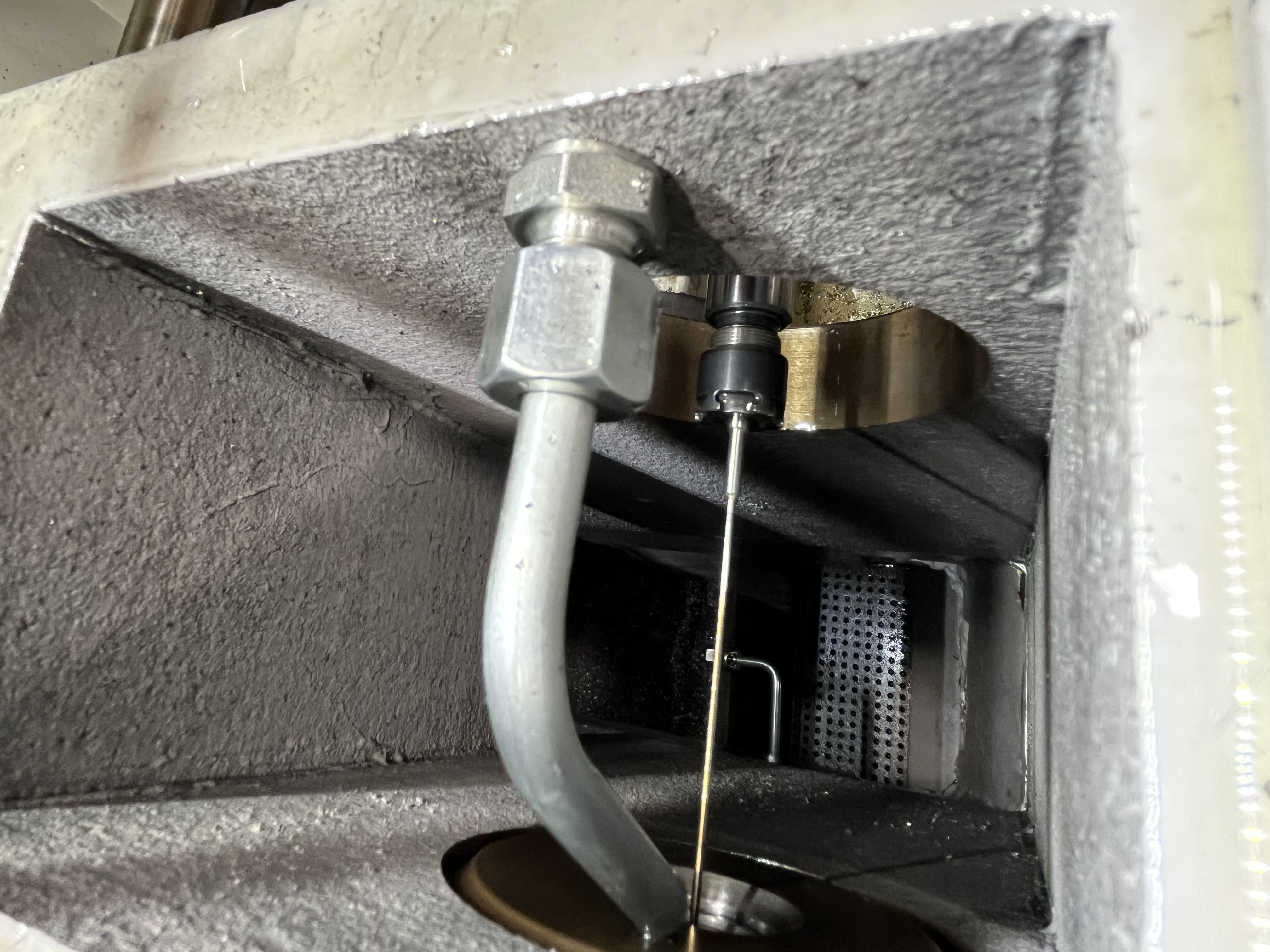
Deep hole drilling machines use a significant volume of coolant. For a machine running oil-based coolant, the coolant cost can be a significant operating expense. Recycling the coolant saves money and reduces waste.
I have used various coolant recycling systems. Here is what works.
Why Recycle
Coolant recycling reduces:
- Coolant purchases. Recycled coolant costs less than new coolant.
- Disposal costs. Used coolant is hazardous waste in most jurisdictions.
- Downtime. Coolant changes take the machine out of production.
For a machine using 500 gallons of coolant that is changed quarterly, recycling extends the coolant life to annual changes. That is 1500 gallons of coolant that does not need to be purchased or disposed of.
Recycling Method Comparison
Different filtration methods serve different purposes in a coolant recycling system. Here is how they compare:
| Method | Filtration Level | Ferrous Removal | Non-Ferrous Removal | Tramp Oil Removal | Consumables Cost | Maintenance | Initial Cost |
|---|---|---|---|---|---|---|---|
| Settling tank | >100 microns | Poor | Poor | None | None | Low | Low |
| Magnetic separator | >50 microns | Excellent | None | None | None | Very low | $3,000-$8,000 |
| Paper bed filter | 20-50 microns | Good | Good | None | Medium (paper rolls) | Moderate | $5,000-$15,000 |
| Cartridge filter | 5-20 microns | Good | Good | None | High (cartridges) | Moderate | $10,000-$30,000 |
| Centrifuge | 1-5 microns | Excellent | Excellent | Good | None | Moderate | $15,000-$40,000 |
| Full recycling (multi-stage) | 1-20 microns | Excellent | Excellent | Excellent | Varies | High | $30,000-$80,000 |
For a shop running deep hole drilling with mostly steel or cast iron, a magnetic separator plus a paper bed filter handles most of the work. For shops drilling aluminum, brass, or stainless, a centrifuge is the better investment because it handles non-ferrous fines that magnetic separators miss.
The coolant filter selection guide covers the specific filter types and replacement intervals in more detail.
Cost Analysis
Here is the cost comparison I use when evaluating whether a recycling system makes financial sense:
| Scenario | No Recycling | Paper Filter Only | Full Recycling System |
|---|---|---|---|
| Annual coolant consumption (gallons) | 2000 | 1000 | 500 |
| Coolant cost per gallon | $15 | $15 | $15 |
| Annual coolant purchase cost | $30,000 | $15,000 | $7,500 |
| Annual disposal cost | $5,000 | $2,500 | $1,250 |
| Annual consumables (filters) | $0 | $3,000 | $2,000 |
| Annual maintenance | $0 | $1,000 | $2,500 |
| Total annual operating cost | $35,000 | $21,500 | $13,250 |
| System initial investment | $0 | $10,000 | $50,000 |
| Payback period vs no recycling | - | 8 months | 23 months |
The payback on a full recycling system is typically 18-24 months for a shop using 2000 gallons of coolant per year. For larger operations using 5000+ gallons, the payback drops to under 12 months.
Filtration Stages
The core of a coolant recycling system is filtration. The coolant needs to be filtered to remove chips, fines, and tramp oil.
The filtration stages are:
- Chip removal. A magnetic separator or paper filter removes large chips.
- Fine filtration. A cartridge filter or centrifuge removes particles down to 5-20 microns.
- Tramp oil removal. An oil skimmer or centrifuge removes hydraulic oil that leaks into the coolant.
The fine filtration step is the most important for deep hole drilling. Chips that are not removed will recirculate and damage the drill edge.
Centrifuges offer the best performance for deep hole drilling. They remove particles down to 1-5 microns, handle both ferrous and non-ferrous materials, and also separate tramp oils. The downside is the higher initial investment, typically $15,000 to $40,000 depending on capacity.
Pasteurization and Bacterial Control
Coolant degrades over time from bacterial growth. The bacteria consume the coolant lubricity additives and produce odor.
Pasteurization heats the coolant to 70-80 degrees Celsius for a set time to kill the bacteria. The coolant is then cooled and returned to the machine.
I have seen pasteurization systems that extend coolant life by 2-3 times. The heat also evaporates some water from water-miscible coolants, which needs to be replaced.
Coolant Testing Schedule
Regular coolant testing is part of recycling. Here is the schedule I use:
| Parameter | Test Frequency | Target Range | Action if Out of Range |
|---|---|---|---|
| Concentration (water-miscible) | Weekly | 5-10% (per manufacturer) | Add concentrate or water |
| pH level | Weekly | 8.5-9.5 | Add pH buffer or biocide |
| Bacterial count | Monthly | Below 10^4 CFU/mL | Pasteurize or add biocide |
| Tramp oil content | Monthly | Below 2% | Increase skimming or centrifuge |
| Particle count | Monthly | Below 25 mg/L | Check filtration system |
I test the coolant weekly and adjust as needed. If the concentration is too low, I add concentrate. If the bacterial count is high, I add biocide or schedule a pasteurization cycle.
Maintenance Schedule for Recycling Systems
A recycling system needs its own maintenance. Here is the schedule I follow:
| Component | Frequency | Task |
|---|---|---|
| Magnetic separator | Daily | Clean scraper blade, check drum rotation |
| Paper filter | Daily | Check paper feed, replace roll if needed |
| Cartridge filter | Weekly | Check pressure drop, replace cartridges |
| Centrifuge | Weekly | Clean sludge bowl, check rotation speed |
| Oil skimmer | Weekly | Clean skimmer wheel, check drive belt |
| Coolant tank | Monthly | Drain and clean sludge from bottom |
| Pumps and piping | Monthly | Check for leaks, clean strainers |
| Full system inspection | Quarterly | Check all components, replace worn parts |
A recycling system that is not maintained will produce dirty coolant that damages the machines. The maintenance cost and time should be factored into the decision to install a system.
Key Takeaways
Coolant recycling pays for itself through reduced coolant purchases and disposal costs. For a shop that uses 2000 gallons of coolant per year, the payback period is typically 18-24 months for a full recycling system and 8 months for a paper filter system. Centrifuges offer the best filtration performance for deep hole drilling, down to 1-5 microns, and also remove tramp oils. A magnetic separator plus paper bed filter is the most cost-effective combination for ferrous-only shops. Regular coolant testing and recycling system maintenance are essential to keep the coolant clean and the machines running.