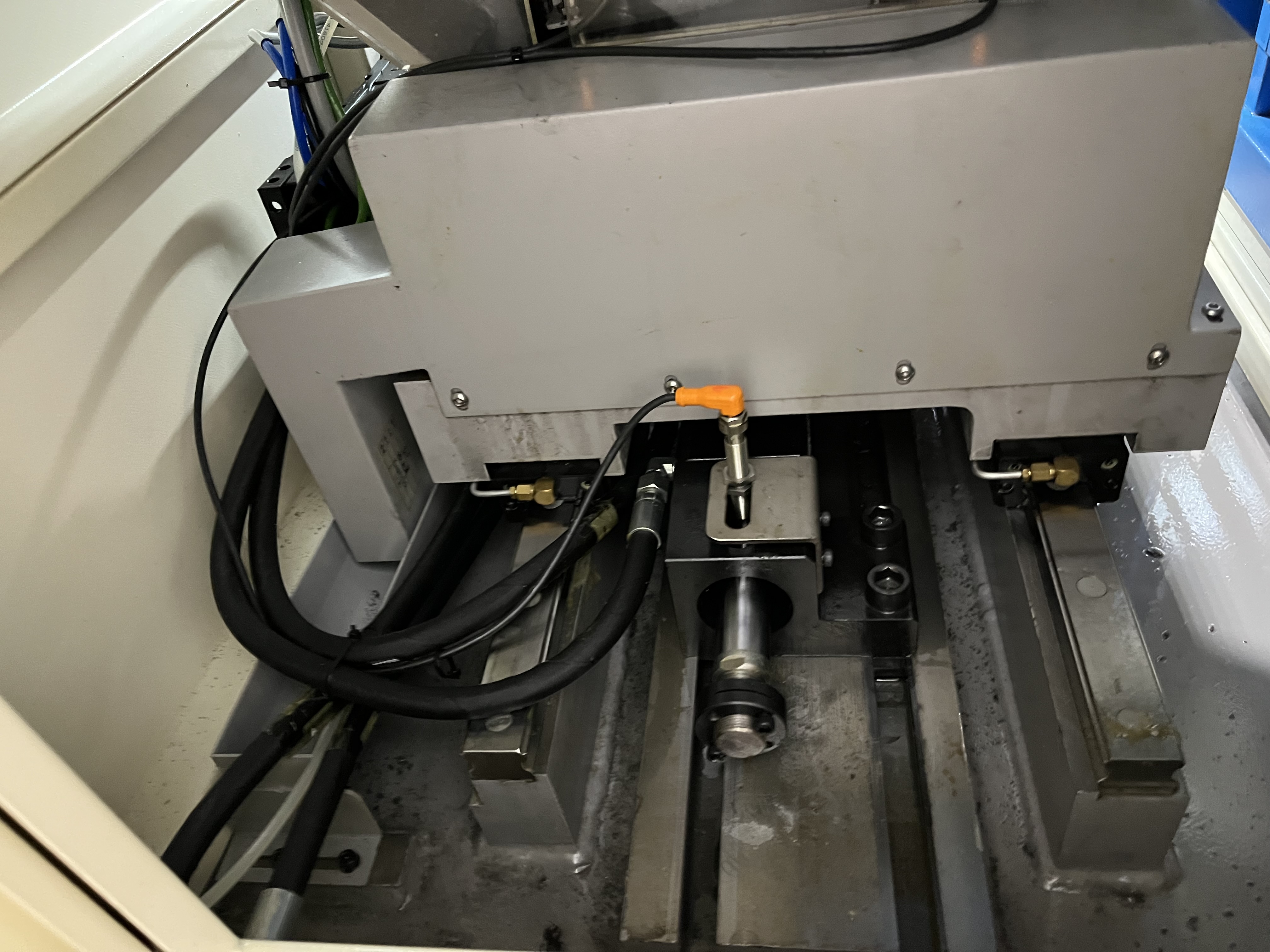
Buying your first deep hole drilling machine is a significant investment and a major step for any shop. I have helped several shops make this purchase, and I have seen both good decisions and expensive mistakes. The key is matching the machine capability to the work you plan to do while leaving room for growth.
Capacity Planning for Your First Machine
The most common mistake I see is buying a machine that is too small. Shops focus on the first job they have lined up and buy a machine that barely handles it. Six months later, they turn down work because the machine cannot handle larger diameters or deeper holes.
| Machine Capacity | Maximum Diameter | Maximum Depth | Typical Applications | Suitable For |
|---|---|---|---|---|
| Small | 3 - 12 mm | 300 - 600 mm | Medical, small hydraulic components | Specialized shops |
| Medium | 5 - 25 mm | 500 - 1000 mm | General job shop, hydraulic cylinders | Most shops starting out |
| Large | 10 - 40 mm | 800 - 2000 mm | Aerospace, oilfield, large cylinders | Shops with specific work |
| Extra large | 20 - 80 mm | 1000 - 4000 mm | BTA drilling, heavy equipment | Specialized production |
I recommend buying a machine with more capacity than you currently need. A medium machine with 25mm diameter capacity and 1000mm stroke covers most job shop work. The price difference between a small machine and a medium machine on the used market is usually only $10,000 to $20,000. The capability difference is worth much more than that.
I have seen shops outgrow their first machine within a year and have to upgrade. The upgrade cost includes not just the new machine but also new tooling, new setup equipment, and the downtime while the old machine is replaced. Buying the larger machine upfront avoids this cost.
Coolant System: The Most Critical Component
The coolant system is more important than the spindle power for gun drilling. I have seen machines with low-end spindles and excellent coolant systems drill better holes than machines with premium spindles and inadequate coolant systems.
The coolant system should deliver at least 1500 psi continuous pressure at the drill. The pump should be sized to deliver the rated pressure at the full flow rate required by the largest drill the machine can handle. The flow rate for gun drilling is approximately 0.4 to 0.6 liters per minute per millimeter of drill diameter.
The filtration system should be at least 20-micron nominal filtration. Paper band filters are adequate for most work, but cartridge filters provide finer filtration if the shop plans to drill small diameters under 6mm. The coolant tank should hold at least 200 liters to provide adequate residence time for chip settling and cooling.
I have tested machines where the coolant pressure dropped by 30 percent or more when the filter started to clog. The operator did not notice the pressure drop because the gauge was not visible from the control position. The pressure drop caused chip evacuation problems that led to tool breakage. I now recommend a coolant pressure gauge mounted at the operator position with a low-pressure alarm.
Guide Bushing and Workholding Considerations
The guide bushing system supports the gun drill at the entry point and determines the hole straightness. I look for a machine with a precision-ground guide bushing holder that is aligned to the spindle within 0.01mm.
The guide bushing holder should accept interchangeable bushings for different drill diameters. I recommend buying a machine that uses standard bushing sizes so replacement bushings are easy to source. Some machines use proprietary bushings that are expensive and hard to find.
The workholding system depends on the parts you plan to drill. For shaft work, the machine should have a steady rest or tailstock support. For plate work, a T-slotted table with vise or fixture clamps works well. I recommend a machine that includes at least one steady rest and a set of workholding jaws.
Tooling Investment for Startup
A common oversight is underestimating the tooling investment needed to start production. I recommend budgeting $10,000 to $15,000 for tooling, guide bushings, and accessories.
| Tooling Item | Recommended Quantity | Estimated Cost Per Unit | Total Cost |
|---|---|---|---|
| Gun drills in common sizes | 2 each of 3 sizes | $200 - $500 per drill | $1,200 - $3,000 |
| Guide bushings | 2 each of 3 sizes | $100 - $200 per bushing | $600 - $1,200 |
| Collet chuck and collets | 1 set (6-8 collets) | $1,500 - $2,500 per set | $1,500 - $2,500 |
| Drill holders | 3 - 5 holders | $200 - $400 per holder | $600 - $2,000 |
| Test bar | 1 | $300 - $500 | $300 - $500 |
| Setup tooling (wrenches, indicators) | 1 set | $1,000 - $2,000 | $1,000 - $2,000 |
| Coolant system accessories | As needed | $1,000 - $3,000 | $1,000 - $3,000 |
| Total | $6,200 - $14,200 |
The gun drills are the most critical tooling investment. I buy drills from reputable manufacturers like TBT, UNISIG, or Kennametal. Cheap drills from unknown sources cause more problems than they save in cost. A $300 drill from a reputable source drills 500 to 1000 holes. A $100 drill from an unknown source might drill 50 holes before the edge breaks.
I start with drills in the three most common sizes the shop expects to drill. Buying two of each size provides a backup when one drill is being resharpened. Additional sizes are added as the work demands.
Service and Support After Purchase
The machine builder’s service and support availability is an important consideration for a first machine. I recommend buying from a builder who has a service technician within a reasonable driving distance or who offers remote diagnostic support.
For used machines, I check whether the builder still supports the model with parts and manuals. Some European builders have excellent support for 20-year-old machines. Others stop supporting machines after 10 years. I have a list of builders I trust for used machine support and a list I avoid.
The most important document for a first-time buyer is the machine maintenance manual. I read the maintenance manual before buying the machine to understand what preventive maintenance is required and what special tools are needed. A machine that requires specialized tools for routine maintenance can be expensive to keep running.
Key Takeaways
- Buy a machine with more capacity than you currently need — a medium machine (25mm diameter, 1000mm stroke) covers most job shop work and the used price premium over a small machine is only $10,000 to $20,000.
- The coolant system is more critical than spindle power: minimum 1500 psi pressure, 20-micron filtration, 200+ liter tank, and a pressure gauge visible from the operator position.
- Budget $10,000 to $15,000 for startup tooling including gun drills, guide bushings, collet chuck, holders, and setup tools — buy drills from reputable manufacturers only.
- A medium-capacity machine pays for itself in 12 to 18 months at 50 percent utilization with a shop rate of $75 to $100 per hour.
- Check the machine builder’s service and parts support before buying — some builders support machines for 20+ years while others stop after 10 years.
- Read the maintenance manual before purchase to understand the preventive maintenance requirements and whether specialized tools are needed.