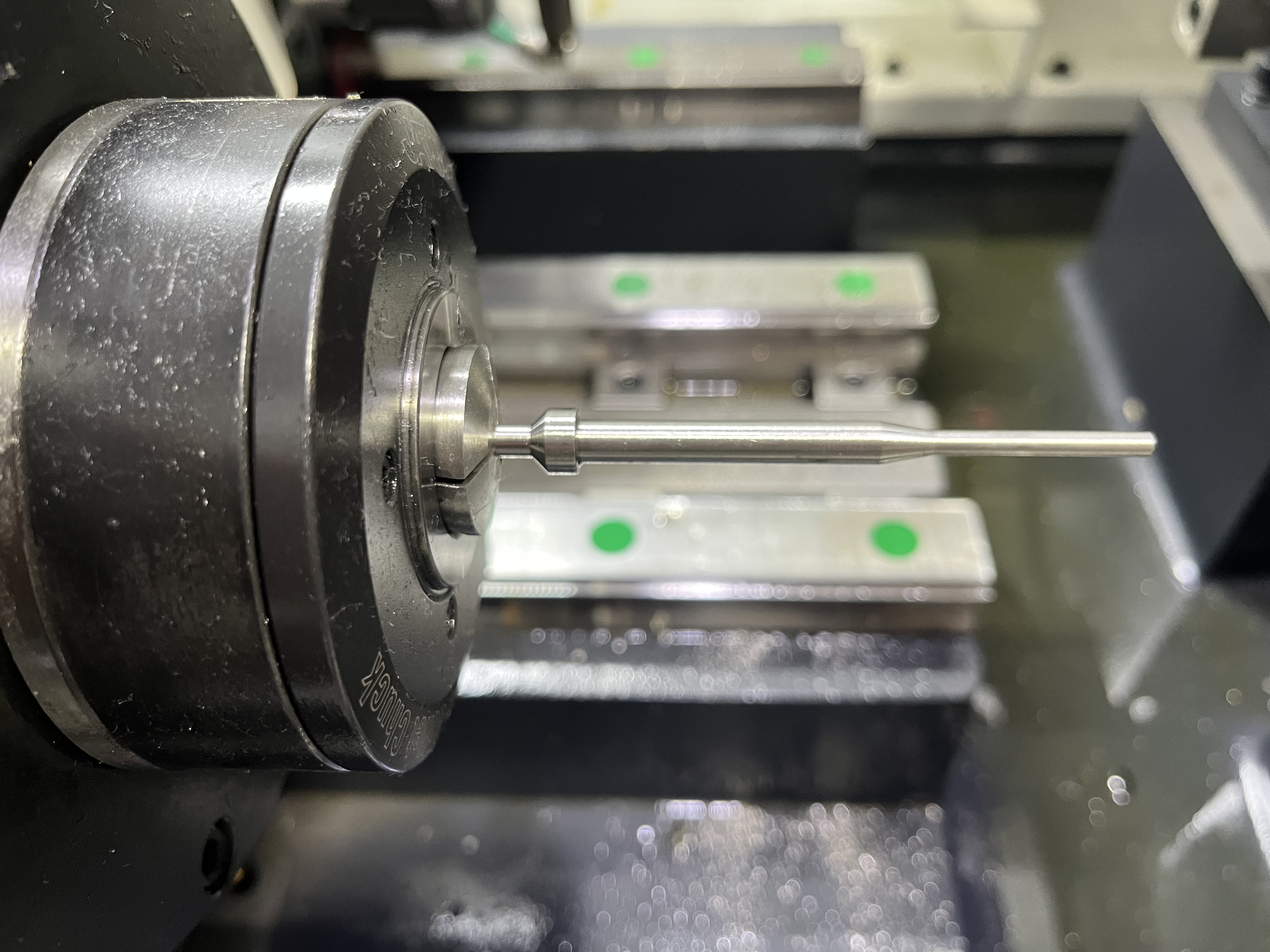
Deep hole drilling machines need lubrication for the bed ways, ball screws, guide bushings, and spindle bearings. I have worked on machines where poor lubrication caused thousands of dollars in way damage, and I have also seen well-maintained machines hold their original alignment for over a decade. The difference comes down to having the right lubrication system and following a consistent schedule. A deep hole drilling machine faces higher coolant exposure and more abrasive conditions than a standard CNC, so the lubrication demands are more rigorous.
Lubrication Points and Oil Types
Deep hole drilling machines have multiple lubrication zones, each requiring a different oil viscosity and delivery method. I have compiled a reference table based on manufacturer specifications and my own experience across different machine brands including TBT, UNISIG, and Mollart machines.
| Lubrication Point | Oil Type | ISO Viscosity Grade | Typical Volume per Point | Replacement Interval |
|---|---|---|---|---|
| Bed ways (box ways) | Way oil (tacky) | ISO VG 68 - 220 | 0.1 - 0.3 cc per cycle | Topped up weekly |
| Linear guide rails | Way oil or grease | ISO VG 68 - 100 | 0.05 - 0.1 cc per cycle | Grease: monthly |
| Ball screws | Slideway oil | ISO VG 32 - 68 | 0.1 - 0.2 cc per cycle | Check weekly |
| Spindle bearings | Light spindle oil | ISO VG 10 - 22 | Continuous mist or oil-air | Check monthly |
| Guide bushing holder | Way oil | ISO VG 68 | 0.05 cc per cycle | Manual: daily |
| Chip conveyor chain | Gear oil | ISO VG 150 - 320 | As needed | Quarterly change |
| Ball screw support bearings | Grease EP-2 | NLGI Grade 2 | 2-3 shots per fitting | Every 250 hours |
| Rotary union bearings | Light spindle oil | ISO VG 22 | Oil-air mist | Check monthly |
The bed ways use way oil with ISO viscosity grade 68 to 220. The oil needs tackifiers to make it stick to vertical way surfaces so it does not run off before the next cycle. Ball screws use ISO 32 to 68 oil — lighter than way oil but still with good adhesion properties. Spindle bearings use the lightest oil, ISO 10 to 22, because high-speed spindles generate heat and heavy oil would cause overheating.
I learned the hard way that mixing oil types causes problems. One shop I worked at was using hydraulic oil on the bed ways because that was what they had in bulk. The hydraulic oil did not have tackifiers and ran off the vertical ways within minutes. The ways started showing wear patterns within six months. Switching to proper way oil stopped the wear immediately.
Oil Type Comparison
| Oil Type | Common Brand Examples | Key Additives | Best For | When to Avoid |
|---|---|---|---|---|
| Way oil ISO VG 68 | Mobil Vactra No. 2, Shell Tonna S2 V 68, Castrol Magna SW 68 | Tackifiers, EP additives, anti-stick-slip | Box ways, linear guides, guide bushings | Spindle bearings (too heavy) |
| Way oil ISO VG 220 | Mobil Vactra No. 4, Shell Tonna S2 V 220 | Heavy tackifiers, extreme pressure | Vertical ways, high-load applications | Light-duty ball screws |
| Slideway oil ISO VG 32 | Mobil Vactra No. 1, Castrol Magna SW 32 | Moderate tackifiers, rust inhibitors | Ball screws, light-duty ways | High-speed spindles |
| Spindle oil ISO VG 10 | Mobil Velocite No. 3, Shell Morlina S2 B 10 | Anti-foam, rust inhibitors, low viscosity | High-speed spindles, oil-air systems | Ways and ball screws |
| Spindle oil ISO VG 22 | Mobil Velocite No. 6, Shell Morlina S2 B 22 | Same as VG 10, slightly heavier | Medium-speed spindles, rotary unions | High-load sliding surfaces |
| Grease EP-2 | Mobilux EP-2, Shell Gadus S2 V220 2 | Lithium complex, EP additives | Ball screw support bearings, linear guide fittings | Oil-lubricated ways |
When I select an oil for a new machine or when replacing a supplier, I stick to the same ISO viscosity grade and additive package as the original specification. The brand name matters less than the viscosity grade and the additive type.
Automatic Lubrication System Design
I have retrofitted automatic lubrication systems on several machines that were having way wear problems because operators forgot to grease the ways. The automatic system delivers a measured amount of oil to each point at set intervals, and it eliminates the human error factor.
The automatic system uses a pump and a distribution block with individual metering valves for each lubrication point. I set the pump to cycle every 30 minutes during machine operation and deliver about 0.1 cubic centimeters per point per cycle. The metering valves ensure that each point gets the same volume regardless of line length or back pressure.
The pump reservoir holds about 2 to 4 liters of oil, which lasts two to four weeks depending on the number of lubrication points and the cycle frequency. I fill the reservoir on the same schedule as coolant checks so it does not get overlooked. A low-level alarm on the reservoir is worth the small additional cost.
I have also installed flow monitoring switches on critical lubrication lines. If a line gets blocked or a metering valve fails, the switch triggers an alarm on the machine control. This prevented damage on one machine where a chip had lodged in a metering valve and stopped oil flow to the ball screw nut.
Lubrication Schedule
Here is the full maintenance schedule I follow for deep hole drilling machine lubrication systems:
| Task | Daily | Weekly | Monthly | Quarterly | Annually |
|---|---|---|---|---|---|
| Check way oil level in reservoir | Yes | - | - | - | - |
| Lubricate guide bushing holder (manual) | Yes | - | - | - | - |
| Check automatic system function | Yes | - | - | - | - |
| Check for coolant contamination in oil | - | Yes | - | - | - |
| Inspect ball screw oil distribution | - | Yes | - | - | - |
| Grease ball screw support bearings | - | - | Yes | - | - |
| Change chip conveyor gear oil | - | - | - | Yes | - |
| Clean magnetic filter on lube system | - | - | Yes | - | - |
| Replace spindle oil mist filter | - | - | - | - | Yes |
| Full lubrication system inspection | - | - | - | - | Yes |
| Replace hydraulic oil filters | - | - | Yes | - | - |
| Change hydraulic oil | - | - | - | - | Yes |
I keep this schedule posted on every machine. The operators initial each task when completed. The production supervisor reviews the schedule weekly.
Manual Lubrication Best Practices
Manual lubrication requires discipline. I post a checklist on each machine that lists every lubrication point with the oil type, the frequency, and the amount. The operator initials each item after completing it. Machines that are greased consistently hold alignment longer and have fewer feed-axis problems.
For manual lubrication, I use a hand pump oiler with a flexible hose and a needle-point nozzle. The needle point fits into tight spaces and delivers oil precisely where it is needed. I keep one oiler for way oil and a separate one for spindle oil so there is no cross-contamination.
The most commonly neglected lubrication point is the ball screw support bearings at the far end of the ball screw. These bearings are hidden under covers and easy to forget. I have seen ball screw support bearings fail from lack of lubrication, causing the ball screw to whip and produce inconsistent feed rates. I added these bearings to the checklist after finding a machine that had been running for two years without anyone lubricating them.
Coolant Contamination and Lubrication
Coolant contamination is the biggest threat to machine lubrication systems. Coolant that leaks past seals and into lubrication points washes out the oil and causes accelerated wear. I check all lubrication points for signs of coolant infiltration during weekly inspections.
On machines with automatic lubrication, I look for signs that the oil is being flushed out by coolant. The oil coming out of the way wipers should be clean oil, not a milky emulsion. Milky oil means coolant is getting into the lubrication system.
I have installed positive pressure in the ball screw housings on machines that run oil-based coolants. A small air bleed pressurizes the housing slightly, preventing coolant from seeping past the seals. This modification extended ball screw life from 12 months to over 48 months on one machine.
Common Failure Modes
| Failure Mode | Root Cause | Early Sign | Consequence | Prevention |
|---|---|---|---|---|
| Way scoring | Oil film failure | Visible wear lines on ways | Machine loses alignment | Correct oil type, auto-lube system |
| Ball screw whip | Support bearing dry | Vibration in feed, position scatter | Scrapped parts | Grease support bearings monthly |
| Spindle overheating | Wrong oil viscosity | High spindle temp alarm | Bearing seizure | Use correct ISO VG grade |
| Metering valve clog | Debris in oil | Alarm from flow switch | No lubrication to one point | Filter oil, use quality oil |
| Oil degradation | Coolant contamination | Milky appearance | Accelerated wear everywhere | Fix seal leaks, positive pressure |
For more on lubrication-related maintenance, see the consumables management guide and the coolant leak detection and repair guide.
Key Takeaways
- Each lubrication zone requires a specific oil viscosity: way oil ISO VG 68-220 for ways, ISO VG 32-68 for ball screws, and ISO VG 10-22 for spindle bearings — mixing them causes wear.
- Automatic lubrication systems with individual metering valves eliminate operator error and should cycle every 30 minutes delivering 0.1 cc per point.
- Flow monitoring switches on critical lubrication lines provide early warning of blockages and prevent expensive damage.
- I check lubrication points weekly for coolant contamination — milky oil indicates seal failure that needs immediate attention.
- The most neglected point on most machines is the ball screw support bearings at the far end; adding them to the inspection checklist prevents premature failure.
- A well-lubricated deep hole drilling machine holds its original alignment for over a decade, while a poorly lubricated machine can develop way damage within six months.
- The common failure modes table covers way scoring, ball screw whip, spindle overheating, metering valve clogging, and oil degradation — each with prevention strategies.
- Use the comprehensive lubrication schedule covering daily, weekly, monthly, quarterly, and annual tasks to maintain machine reliability.