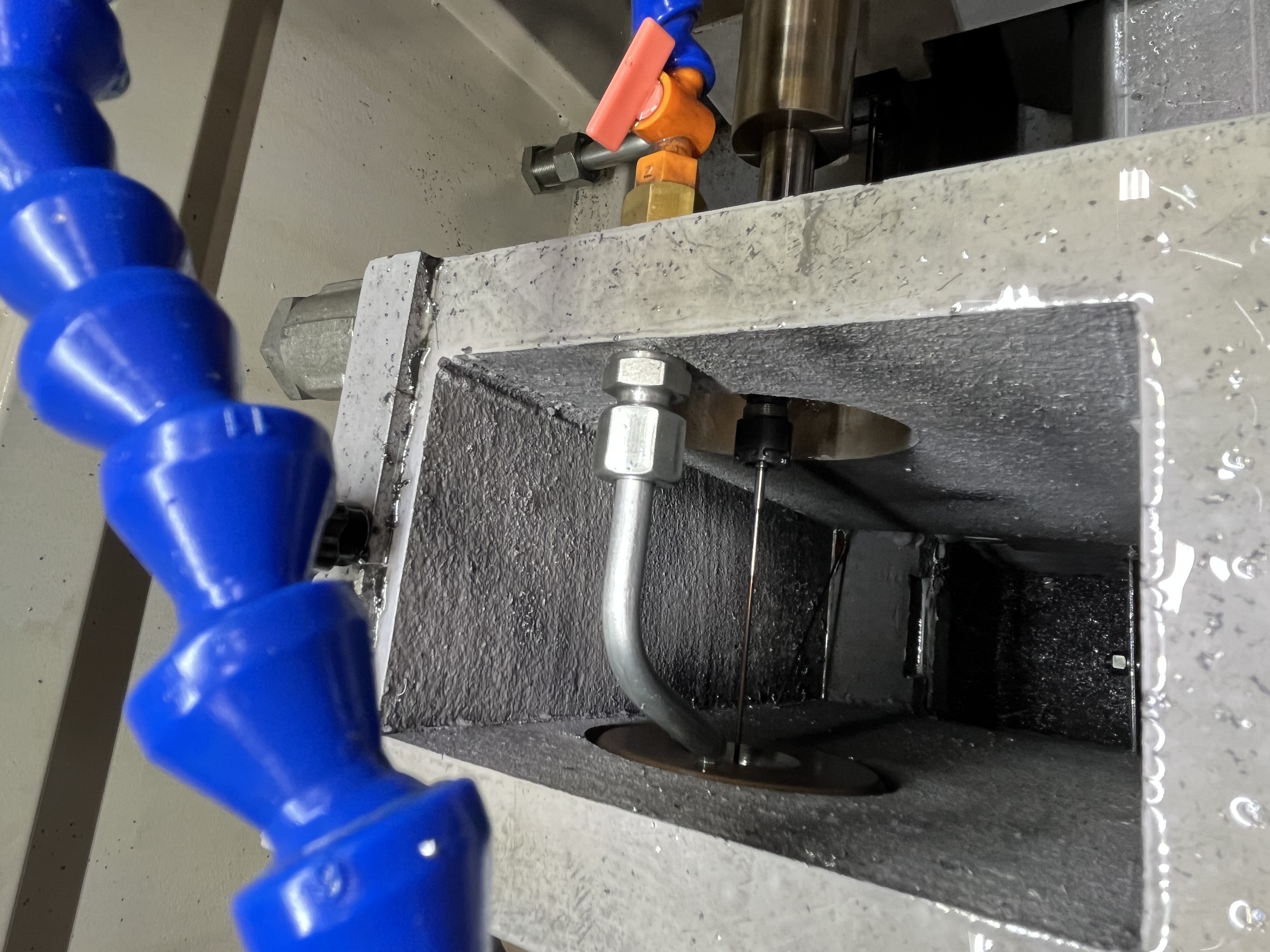
Machine sounds are a diagnostic tool that requires no instruments and no cost. I listen to the machine at the start of every shift and note any changes from the normal sound. Over years of doing this, I have learned to recognize specific sounds and associate them with specific problems. Catching a problem by sound before it causes a failure saves downtime and repair cost.
Sound Types and Their Causes
Different machine problems produce different sounds. I have categorized the sounds I hear most often on deep hole drilling machines and their most likely causes.
| Sound Type | Description | Most Likely Cause | Urgency | Action Required |
|---|---|---|---|---|
| Grinding | Low-frequency rumble, continuous | Worn spindle bearings | Medium | Schedule bearing replacement |
| Rumbling | Irregular low-frequency noise from pump | Pump cavitation | High | Check coolant level, clean strainer |
| Squealing | High-pitched sound from belt area | Belt slipping or worn | Medium | Check tension, replace belt |
| Knocking | Rhythmic impact sound from feed axis | Ball screw or guide way damage | Critical | Stop machine immediately |
| Clicking | Sharp sound at regular intervals from spindle | Cracked bearing race | Critical | Stop machine immediately |
| Whining | High-pitched sound that changes with speed | Gearbox or bearing preload issue | Low-Medium | Monitor, plan inspection |
| Hissing | Air or fluid escaping sound | Coolant leak at high pressure | Medium | Locate and fix leak |
| Scraping | Metal-on-metal sound from way covers | Debris in way wipers | Low | Clean way wipers and covers |
A grinding sound from the spindle area usually means worn spindle bearings. Spindle bearing wear develops gradually. The sound gets louder over weeks or months. I keep a log of bearing noise levels and plan replacements before the bearings fail completely. The log includes a subjective rating from 1 (normal) to 5 (very loud) and is recorded weekly.
A rumbling sound from the coolant pump means cavitation. The pump is drawing air because the coolant level is low or the inlet strainer is clogged. I check the coolant level and clean the strainer as the first response. If the sound persists after checking these, the pump inlet pipe has a leak that needs attention.
Bearing Noise Diagnosis and Monitoring
Spindle bearing noise is the most important sound to monitor because bearing failure can cause catastrophic spindle damage. I have developed a systematic approach to spindle bearing noise diagnosis.
The baseline sound of a healthy spindle is a smooth whirring sound with no roughness. When the bearings start to wear, the sound develops a grinding quality that is audible at low speeds. As the wear progresses, the grinding becomes audible at all speeds and the spindle may show signs of heating.
I check spindle bearing condition by running the spindle at 500 RPM and placing a screwdriver or stethoscope on the spindle housing near the front bearing. The sound transmitted through the tool is clearer than the airborne sound. A smooth sound indicates good bearings. A rough or grinding sound indicates bearing wear.
The bearing noise is classified by the sound quality. A uniform grinding sound indicates general bearing wear that will progress slowly. An intermittent clicking or ticking sound indicates a cracked or spalled bearing race that requires immediate replacement. The clicking sound is caused by the ball bearings rolling over a damaged area on the race.
I also monitor the spindle housing temperature as a secondary indicator of bearing condition. A temperature increase of 5 degrees Celsius above the normal operating temperature indicates increased friction from bearing wear. I have a temperature gauge on the spindle housing that is checked weekly.
Coolant System Sounds
The coolant system produces distinct sounds that indicate specific problems. A change in the coolant pump sound is often the first sign of a problem that would not be noticed until the coolant pressure dropped or the pump failed.
A pump that is cavitating sounds like it is pumping gravel. The sound is caused by air bubbles collapsing in the pump as the fluid pressure drops below the vapor pressure. Cavitation damages the pump impeller over time and reduces the pump efficiency.
The most common cause of pump cavitation is a clogged inlet strainer. The strainer is a mesh screen that prevents large chips from entering the pump. I clean the strainer weekly and keep a spare strainer on hand. Replacing a clogged strainer takes 5 minutes and restores the normal pump sound immediately.
A hissing sound from a coolant hose indicates a pinhole leak. The high-pressure coolant escaping through a small hole makes a distinct hissing sound that is audible even in a noisy shop. I trace the hiss to the source and replace the hose assembly. A pinhole leak can grow to a full hose burst within hours.
A gurgling sound from the coolant return lines indicates that the return line is not fully submerged in the coolant tank. The gurgling aerates the coolant and causes foaming. I check the return line position and adjust it so the discharge is below the coolant surface.
Feed Axis Sounds
A knocking sound from the feed axis means a mechanical problem in the ball screw or guide way. I stop the machine and investigate immediately. A knocking sound that is ignored can lead to expensive damage.
The knocking sound from a worn ball screw is rhythmic and corresponds to the ball screw rotation. The sound is caused by the ball bearings rolling over a worn spot on the screw track. As the wear progresses, the knocking becomes louder and the feed rate becomes irregular.
I check the ball screw by moving the axis slowly while listening for variations in the sound. A smooth sound across the full travel indicates good condition. A sound that changes pitch or develops a knocking at specific positions indicates localized wear on the screw track.
A scraping sound from the guide way wipers indicates that debris is trapped under the wiper. The debris scratches the guide way surface as the axis moves. I clean the wipers and the guide way immediately and inspect the way surface for damage.
Developing a Listening Routine
I have developed a routine for listening to the machine that takes about 2 minutes at the start of each shift. I start at the spindle end to hear the spindle and drive sounds, then move to the coolant pump to hear the hydraulic system, then listen at the guide bushing area for the cutting sound during the first part. The routine ensures I cover all the critical sound sources on every machine without missing a diagnostic clue.
I also pay attention to the hydraulic power unit sound. A change in the hydraulic pump pitch can indicate low oil level, a clogged filter, or internal pump wear. The hydraulic system sound is often overlooked because the cutting noise dominates, but I make a point of listening before the cutting starts when the hydraulic system is the loudest sound.
I also train new operators to listen to the machines they run. I spend a shift with each new operator walking them through the normal sounds and the abnormal variations. After a month of daily listening practice, most operators can distinguish between normal and abnormal machine sounds reliably. I have found that operators who develop this skill catch problems 3 to 4 days earlier than operators who do not listen actively.
The most important habit is listening at the same point in the cycle every time. I listen during the first 30 seconds of the drilling cycle when the machine is under load. The sound of the machine cutting tells me more about the machine condition than the sound at rest. A change in the cutting sound under load is the earliest indicator of a developing problem.
Key Takeaways
- Machine sounds are a free diagnostic tool — I listen at the start of every shift and log changes from baseline to catch problems before they cause failures.
- Spindle bearing noise progresses from a low-frequency grinding at low speeds to audible grinding at all speeds, with a 5 degree Celsius temperature rise as a secondary indicator of wear.
- An intermittent clicking or ticking sound from the spindle indicates a cracked or spalled bearing race that requires immediate replacement to prevent catastrophic damage.
- Coolant pump cavitation sounds like pumping gravel and is most often caused by a clogged inlet strainer — cleaning the strainer weekly and keeping a spare on hand prevents pump damage.
- A knocking sound from the feed axis indicates ball screw damage and requires immediate machine stop — ignoring it can lead to $15,000 in repair costs.
- I keep a weekly log of subjective bearing noise ratings from 1 (normal) to 5 (very loud) to track wear progression and plan preventive replacements.