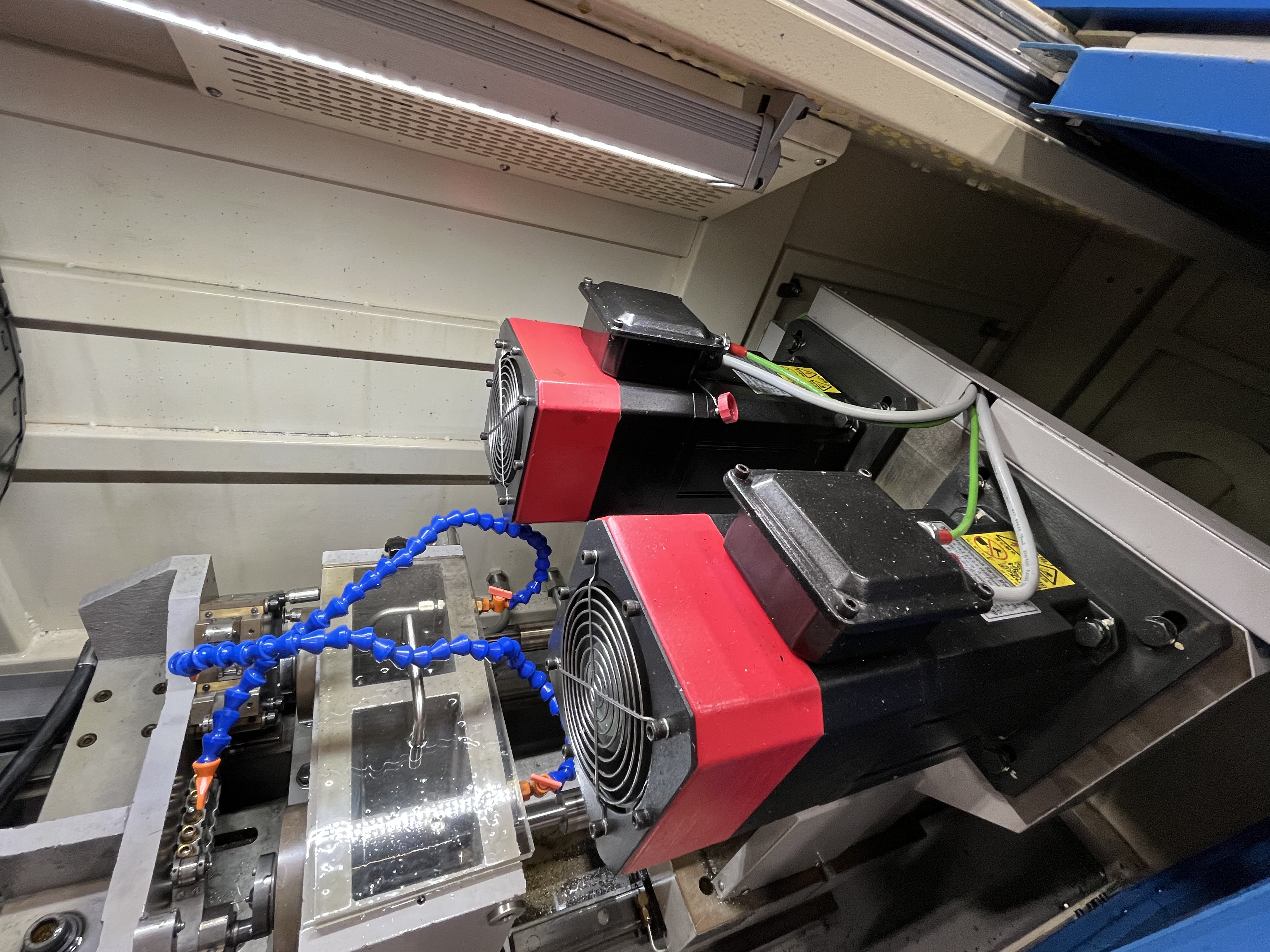
Moving a deep hole drilling machine from one location to another is a major operation. The machine is long, heavy, and sensitive to alignment changes. I’ve been involved in several machine moves.
Before the Move
Preparation determines the success of the move:
- Document the current alignment. Measure and record the machine level and alignment before disconnecting anything.
- Mark all connections. Power, coolant, and signal lines should be labeled before disconnection.
- Drain the coolant system. Coolant left in the system will leak during transport.
- Secure moving parts. The spindle, tailstock, and steady rests should be locked in place.
- Protect the control. The CNC control cabinet should be protected from vibration and impact.
Here’s a move preparation checklist I use to make sure nothing is missed:
| Task | Responsible | Timeline | Completed |
|---|---|---|---|
| Document current alignment | Lead technician | 1 week before move | [ ] |
| Mark all connections (power, coolant, signal) | Electrician | 2 days before move | [ ] |
| Drain coolant system | Maintenance | 1 day before move | [ ] |
| Secure moving parts (spindle, tailstock, steady rests) | Lead technician | 1 day before move | [ ] |
| Protect CNC control cabinet | Rigging crew | Move day | [ ] |
| Arrange air-ride transport | Logistics | 2 weeks before move | [ ] |
| Prepare foundation at new site | Facilities | 2 weeks before move | [ ] |
Rigging
Deep hole drilling machines are long and narrow. The center of gravity is usually near the headstock end. The rigging plan needs to account for the machine’s length and weight distribution.
For a 10-meter machine, I use spreader bars and multiple lifting points. Lifting from a single point at the center causes the machine to sag and can damage the bed.
Transport
During transport, the machine is subject to vibration and shock. The bed ways are particularly vulnerable. I use:
- Air-ride suspension trucks when available
- Hardwood blocking under the machine feet
- Straps over the machine base (not over the bed ways)
- A tarp over the control to protect from weather
Reinstallation
After the machine arrives at the new location:
- Place the machine on the foundation
- Rough-level the machine
- Connect power, coolant, and signal lines
- Fine-level the machine
- Check alignment of all axes
- Run a test bar
The reinstallation takes at least 2-3 days for a mid-size machine. Rushing the reinstallation causes alignment problems that show up in every hole.
Alignment Check
After reinstallation, the alignment should be checked:
- Headstock spindle to bed axis: within 0.02mm TIR
- Guide bushing holder to spindle: within 0.02mm
- Steady rest positions to bed axis: within 0.05mm
- Machine level: within 0.02mm per meter
The alignment check should be repeated after the machine has been running for a day. Thermal settling can change the alignment.
Key Takeaways
The most important part of a machine move is the documentation before the move. Knowing the original alignment makes reinstallation easier. Without the documentation, the alignment process starts from scratch.
I also learned to budget extra time for the reinstallation. The machine always needs more adjustment than expected.