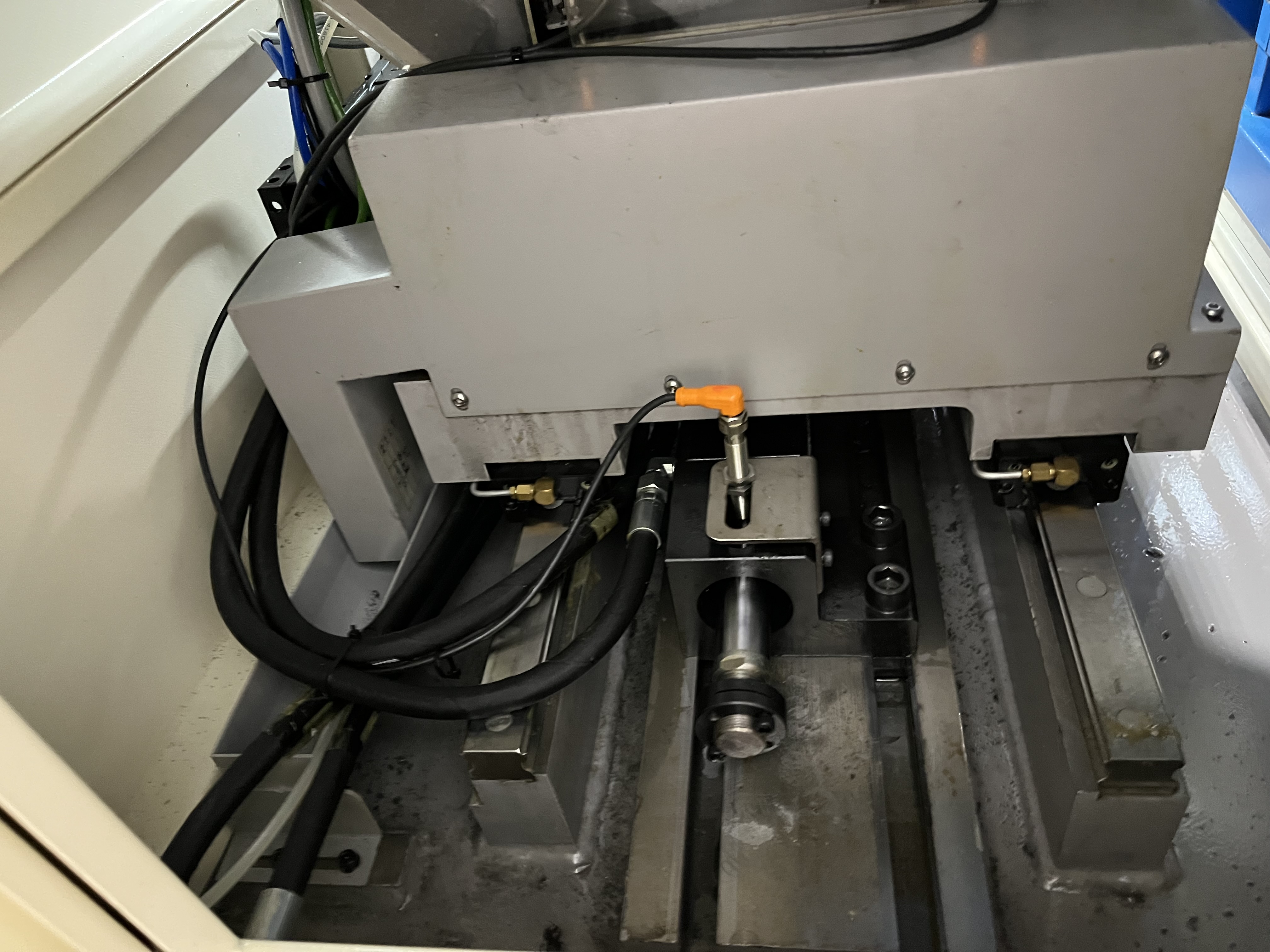
I’ve worked on machines that were 40 years old and still drilling good holes, and I’ve worked on 5-year-old machines that were falling apart. Age isn’t the only factor in deciding whether to retrofit or replace.
Here’s what I’ve learned about the decision.
Why Retrofit
A retrofit replaces the control system, drives, and sometimes the spindles of an existing machine while keeping the base structure — the bed, columns, and way systems. The idea is that the structural components are still sound, and the outdated parts are what’s limiting performance.
For deep hole drilling machines, a typical retrofit includes:
- New CNC control (replacing old NC or manual control)
- New servo drives and motors
- New coolant pump and controls
- Updated operator interface
- Safety system upgrades
The cost of a retrofit is typically 30-50% of a new machine. I’ve seen well-done retrofits that extended machine life by 15-20 years.
What Makes a Good Retrofit Candidate
Not every machine is worth retrofitting. The factors I’ve seen that matter:
Structural condition. If the machine bed is cracked, the ways are worn beyond repair, or the column has lost its geometry, the base structure is compromised. No amount of new controls will fix a bad structure.
Spindle condition. If the main spindle bearing bore is worn or the spindle housing is damaged, a retrofit gets expensive fast. Spindle rebuilding adds $20,000-$40,000 to the cost.
Availability of documentation. A machine with good original drawings is easier to retrofit than one where nobody knows what’s inside the electrical cabinet.
Original build quality. A well-built machine from a reputable builder is worth retrofitting. A cheaply built machine isn’t — even with new controls, it won’t hold the accuracy you need.
What a Retrofit Costs
For a mid-size single-spindle gun drilling machine, I’ve seen retrofit costs range from $40,000 to $100,000 depending on the scope.
| Item | Typical Cost |
|---|---|
| CNC control upgrade | $15,000-$30,000 |
| Servo drives and motors | $10,000-$20,000 |
| Coolant system rebuild | $5,000-$15,000 |
| Spindle rebuild (if needed) | $10,000-$25,000 |
| Installation and commissioning | $10,000-$20,000 |
Compare that to $200,000-$400,000 for a new machine of similar capability.
When to Buy New
A new machine makes sense when:
The technology has changed. If the old machine was a manual machine and you need CNC capability with full program storage and communication, the retrofit cost approaches the cost of a new entry-level CNC machine.
The machine is undersized for your current work. If your work has grown beyond what the machine can handle — longer parts, larger diameters, tighter tolerances — a new machine sized for the current work is better than retrofitting an undersized one.
The machine has poor accuracy retention. Some machines were never built to hold tight tolerances. New controls won’t fix a machine that was designed for looser work.
The builder is no longer in business. Getting parts for an orphaned machine gets harder every year. I’ve seen shops spend more time looking for spare parts than running a retrofitted machine.
What I’ve Done
I’ve been involved in both retrofits and new machine purchases. The most successful retrofit I saw was a 1980s TBT machine that got a new FANUC control, new servos, and a rebuilt coolant system. The machine ran for another 12 years before it needed major work again.
The most successful new machine purchase I saw was a shop that replaced three old manual gun drills with one new CNC machine. The new machine produced more parts than the three old ones combined, with half the operator time.
The Decision Framework
| Situation | Recommendation |
|---|---|
| Machine is structurally sound, controls are obsolete | Retrofit |
| Machine needs new spindles, ways, and controls | Buy new — retrofit cost is too close to new |
| Your work has changed significantly | Buy new — retrofit won’t change the machine’s capability |
| You need to stay under $100k | Retrofit |
| You need the latest technology | Buy new |
| Good used machine available at low price | Buy used and budget for retrofit later |
The worst outcome I’ve seen is a shop that spent $80,000 retrofitting a machine that had a worn spindle and worn ways. The new controls worked fine, but the machine couldn’t hold the tolerance. The retrofit money was wasted. Always check the mechanical condition before committing to a retrofit. For more on how automation factors into the decision, see Automation Options and ROI.
Key Takeaways
- Retrofit costs 30-50% of a new machine and can extend life by 15-20 years if the structure is sound.
- A retrofit only makes sense when the bed, ways, and spindle are in good condition.
- Typical retrofit cost for a mid-size gun drill: $40,000-$100,000 vs $200,000-$400,000 for new.
- Buy new when technology has changed, the machine is undersized, or the builder is out of business.
- Always inspect the mechanical condition before committing to a retrofit.
- The worst case: spending retrofit money on a machine that cannot hold tolerance due to structural wear.