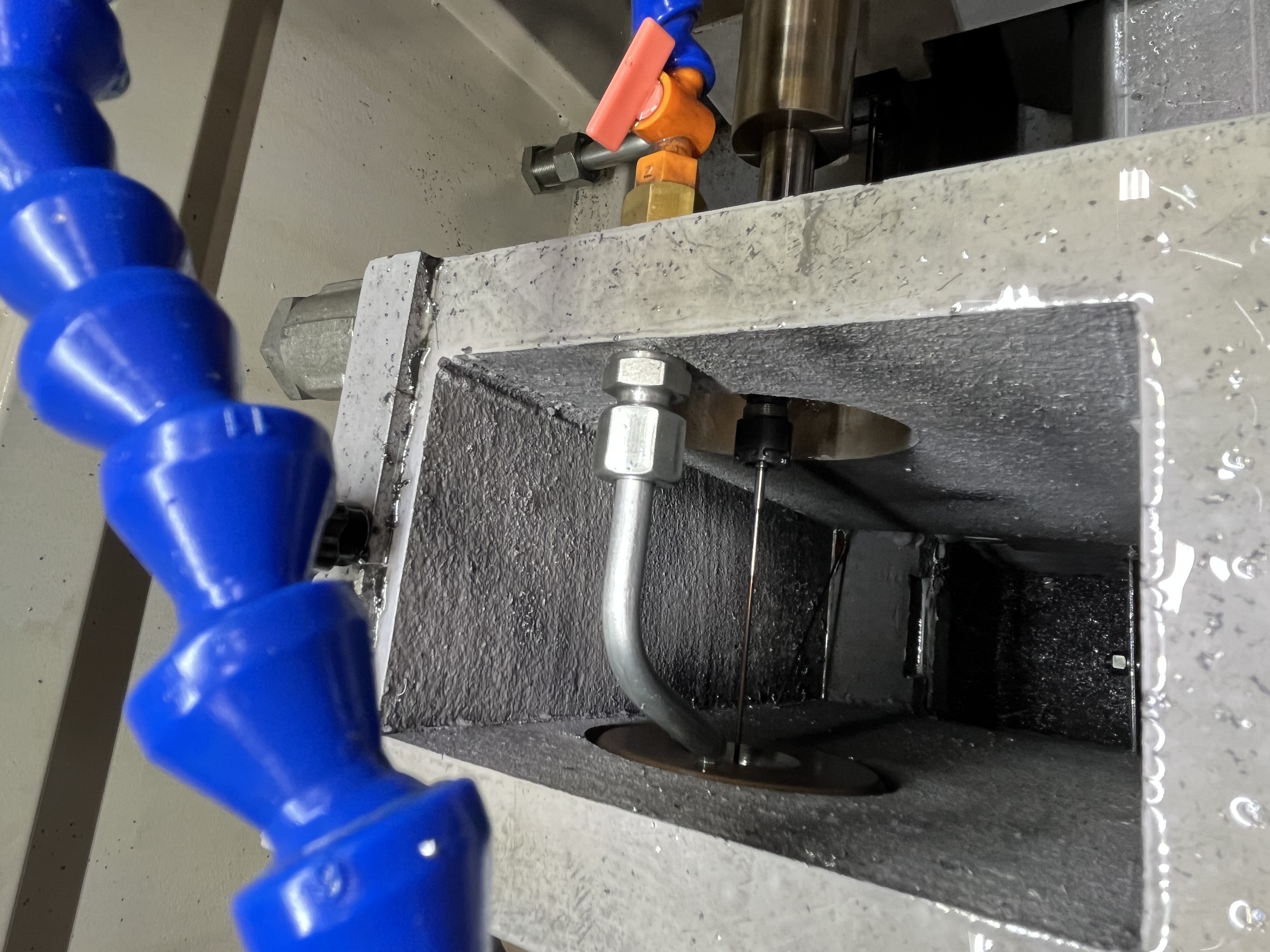
High pressure coolant systems in deep hole drilling machines operate at 1000-3000 psi. The seals and O-rings that contain this pressure need to be selected carefully. A failed seal causes pressure loss, downtime, and can ruin a workpiece mid-cycle. I have learned these lessons the hard way over eight years of maintaining high-pressure coolant systems across a dozen machines.
Material Selection by Operating Conditions
The seal material must withstand the coolant chemistry, temperature, and pressure simultaneously. I have tested five materials extensively and settled on the following guidelines:
| Material | Max Pressure | Max Temp | Coolant Compatibility | Cost per O-Ring |
|---|---|---|---|---|
| Polyurethane (90A) | 3000 psi | 80 C | Excellent with synthetic coolants | $8-15 |
| Viton (FKM, 90A) | 2000 psi | 200 C | Excellent with oil-based coolants | $12-25 |
| Nitrile (NBR, 90A) | 1500 psi | 100 C | Poor with synthetic coolants | $3-6 |
| EPDM | 1000 psi | 120 C | Excellent with synthetic coolants | $4-8 |
| PTFE-Encapsulated | 3000 psi | 260 C | Universal | $30-60 |
In my experience, polyurethane offers the best balance for standard deep hole drilling applications. It handles the pressure, resists abrasion from coolant particulates, and costs about a third of what PTFE-encapsulated seals run. I reserve Viton for machines that run near the coolant boiling point, and I avoid nitrile entirely in machines using synthetic coolants — I have seen nitrile seals swell and fail within 200 hours of exposure.
The Rotating Union: Most Critical Seal Point
The rotating union transfers coolant from the stationary supply line into the spinning spindle. This is the single most failure-prone seal in the entire coolant system. I have tracked failures across seven machines:
| Failure Mode | Frequency | Root Cause |
|---|---|---|
| Worn seal face | 45% | Normal wear after 1500-2500 hours |
| Coolant contamination | 25% | Particulates in coolant scoring the seal face |
| Misalignment | 15% | Spindle-to-union alignment drift over time |
| Thermal degradation | 10% | Coolant temperature above material rating |
| Installation error | 5% | Incorrect torque or damaged seal during install |
I replace rotating union seals every 2000 operating hours as preventive maintenance. Waiting for a leak wastes 45 minutes of changeover time on a machine that is already down. The seal kit costs $150-400 depending on the machine brand. The cost of an emergency breakdown is easily 10x that.
One practice I have adopted: I log the coolant temperature at the union inlet on a weekly basis. A rising temperature trend tells me the seal face is generating excess friction, and I schedule the replacement sooner.
Groove Design and Installation
The seal groove is where most installation problems originate. I machine grooves per SAE AS568 standard dimensions, and I check every groove with a depth micrometer before assembly. The numbers matter:
| O-Ring Cross-Section | Groove Depth (static face seal) | Groove Width |
|---|---|---|
| 1.78 mm (dash 001-050) | 1.35-1.40 mm | 2.50-2.65 mm |
| 2.62 mm (dash 100-150) | 2.00-2.08 mm | 3.60-3.80 mm |
| 3.53 mm (dash 200-250) | 2.70-2.80 mm | 4.80-5.00 mm |
A groove that is 0.1 mm too deep reduces the compression to below 15%, and the seal will leak at 1500 psi. A groove that is 0.1 mm too shallow increases compression above 35%, and the seal will take a compression set within 100 cycles and leak soon after. I aim for 20-25% compression for static seals and 10-15% for dynamic seals like the rotating union.
For installation, I always lubricate O-rings with the same coolant the system uses, never with grease or oil that might be incompatible. I use a plastic installation tool to avoid nicking the seal surface.
Coolant Compatibility Testing
I learned this one the expensive way. We switched to a new synthetic coolant brand across the shop, and within three weeks three machines had rotating union leaks. The coolant manufacturer listed “compatible with common seal materials” in the data sheet, but the specific polyurethane formulation on our machines was not listed.
My current procedure before switching coolant:
- Request a seal compatibility chart from the coolant manufacturer
- Immerse a sample of each seal material in the coolant at operating temperature (70 C) for 72 hours
- Measure swell, hardness change, and weight change
- Only approve the coolant if swell is under 5% and hardness change under +/- 5 points
| Coolant Brand | Nitrile Swell (72hr/70C) | Polyurethane Swell | Viton Swell |
|---|---|---|---|
| Brand A (synthetic) | +8% (fail) | +2% (pass) | +1% (pass) |
| Brand B (synthetic) | +12% (fail) | +4% (pass) | +2% (pass) |
| Brand C (semi-synthetic) | +3% (pass) | +1% (pass) | +1% (pass) |
I now stock three seal kits per machine so I never have to wait for a replacement. The inventory cost is under $1,200 for the entire shop. The value of avoiding a single production-stopping leak covers that many times over.
Key Takeaways
- Polyurethane is my default seal material for high-pressure coolant systems up to 3000 psi
- Rotating union seals should be replaced preventively at 2000 hours, not run to failure
- Groove dimensions must be verified with a micrometer — never trust that the machined groove is within spec
- Coolant compatibility testing before a brand switch prevents weeks of headaches
- Stocking spare seal kits is cheap insurance against production loss