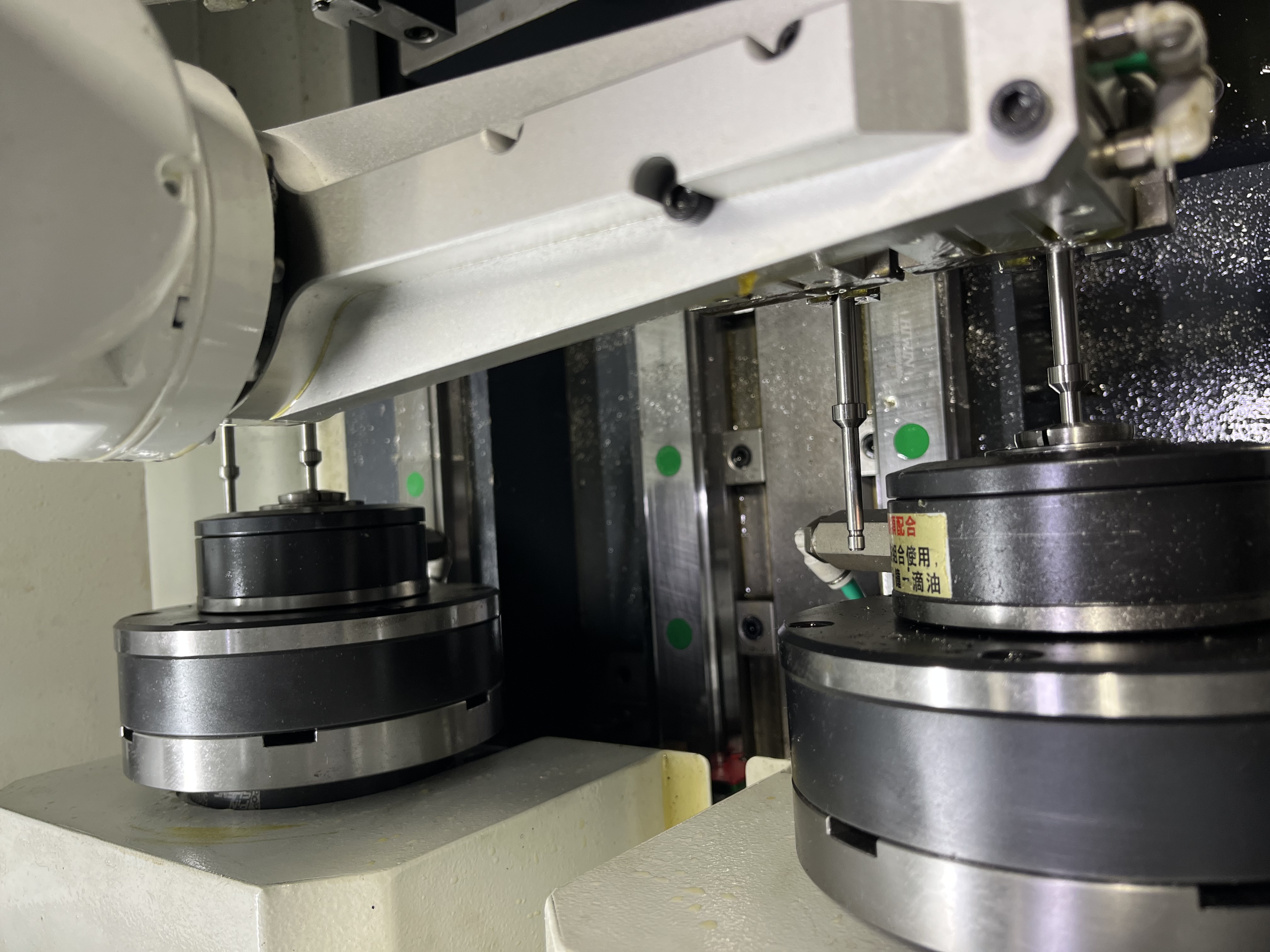
Seals in a deep hole drilling machine don’t get much attention — until they start leaking. Then they stop production and cost time and money to replace.
I’ve dealt with seal failures on both gun drilling and BTA machines. The symptoms range from annoying drips to complete coolant system failure.
Where Seals Are Used
Deep hole drilling machines have seals at several points:
- Rotating coolant union. Where the coolant transfers from the stationary supply line to the rotating spindle. This is the most common seal failure point.
- Drill tube connection. Where the drill tube connects to the spindle. The seal here prevents high-pressure coolant from leaking around the connection.
- Pressure head. Where the coolant enters the bore at the workpiece entry. The pressure head seal contains the coolant and directs it into the bore.
- Cylinder seals. On machines with hydraulic feed systems, the cylinder seals keep the hydraulic fluid contained.
Each of these seals operates under different conditions — pressure, speed, and temperature vary depending on the location.
The Rotating Coolant Union
The rotating union is where most seal problems happen. It transfers coolant at 1000-3000 psi from a stationary pipe into a rotating spindle. The seal between the stationary and rotating parts wears over time.
Symptoms of a failing rotating union seal:
- Coolant leaking from the union housing
- Air bubbles in the return coolant
- Pressure fluctuations at the tool tip
- Noisy operation
I replace rotating union seals on a preventive schedule — every 2000 operating hours for standard seals, every 4000 hours for premium seals. Waiting for a failure means stopping production to make an emergency replacement.
Pressure Head Seals
The pressure head seals against the workpiece surface at the bore entry point. The seal needs to contain the coolant pressure while the drill passes through the center. It’s a difficult sealing application because the seal surface on the workpiece is not always smooth.
I’ve found that the pressure head seal life depends heavily on the workpiece surface finish. A rough surface at the entry point destroys the seal rapidly. I’ve extended seal life by 3x by specifying a surface finish of Ra 1.6μm or better on the workpiece entry face.
Seal Materials
Different seal materials handle different conditions:
| Material | Pressure Limit | Temperature | Best For |
|---|---|---|---|
| Polyurethane | Up to 3000 psi | Up to 80°C | General purpose, good wear resistance |
| PTFE (Teflon) | Up to 5000 psi | Up to 200°C | High temperature, low friction |
| Nitrile rubber | Up to 2000 psi | Up to 100°C | Oil-based coolants |
| Viton | Up to 3000 psi | Up to 200°C | Chemical resistance, high temperature |
I use polyurethane seals for most applications. They have good wear resistance and handle the pressures typical in gun drilling. For high-temperature jobs or aggressive coolants, I switch to Viton.
Common Failure Modes
| Failure | Cause | Fix |
|---|---|---|
| Seal leaks at low pressure | Worn seal face | Replace seal |
| Seal leaks only at high pressure | Seal damaged or incorrect material | Upgrade to higher pressure seal |
| Seal fails repeatedly | Misalignment or rough surface | Check alignment, improve surface finish |
| Seal hardens and cracks | Coolant chemical attack | Change to compatible seal material |
| Seal swells and jams | Wrong coolant type | Check coolant compatibility with seal material |
The most common mistake I’ve seen is using the wrong seal material for the coolant type. Some coolants cause nitrile seals to swell, which jams the seal and causes rapid wear. Checking coolant compatibility before selecting seal material prevents this.
Installing Seals Correctly
Seal installation matters more than most people think. A seal that’s installed incorrectly will fail prematurely regardless of the material quality.
What I check during installation:
- The seal groove is clean and free of burrs
- The seal is lubricated before installation (never install dry)
- The seal is not twisted during installation
- The seal bore is within the recommended tolerance range
- The mating surface is smooth and free of scoring
I’ve seen a seal fail within an hour of installation because it was installed dry. The dry seal grabbed the shaft, twisted, and tore. A smear of lubricant would have prevented it.
When to Replace
I track seal life and replace on a schedule:
- Rotating union seals: Every 2000 operating hours
- Pressure head seals: Every 500 cycles or when leakage starts
- Cylinder seals: Every 4000 operating hours
The cost of a preventive seal replacement is small — typically $50-$200 in parts and an hour of labor. The cost of a seal failure during production can be several hours of downtime while the machine is disassembled and cleaned. I’ve learned to be proactive about seal replacement.
Key Takeaways
Seals are a small component in a deep hole drilling machine, but they cause a disproportionate share of downtime. The key is to use the right material for the coolant, install them correctly, and replace them before they fail.
I’ve seen shops lose a full shift of production to a $30 seal that should have been replaced during scheduled maintenance. The time spent on seal maintenance always pays for itself. For a full list of what spares to keep on hand, see Essential Spare Parts.
Key Takeaways
- The rotating coolant union is the most common seal failure point on deep hole drilling machines.
- Match seal material to coolant chemistry – nitrile swells with some coolants.
- Replace rotating union seals every 2000 operating hours as preventive maintenance.
- A rough workpiece entry face destroys pressure head seals; specify Ra 1.6 um or better.
- Never install a seal dry – lubrication during installation prevents premature failure.
- A preventive seal replacement costs $50-$200 and an hour of labor; a failure costs hours of emergency downtime.