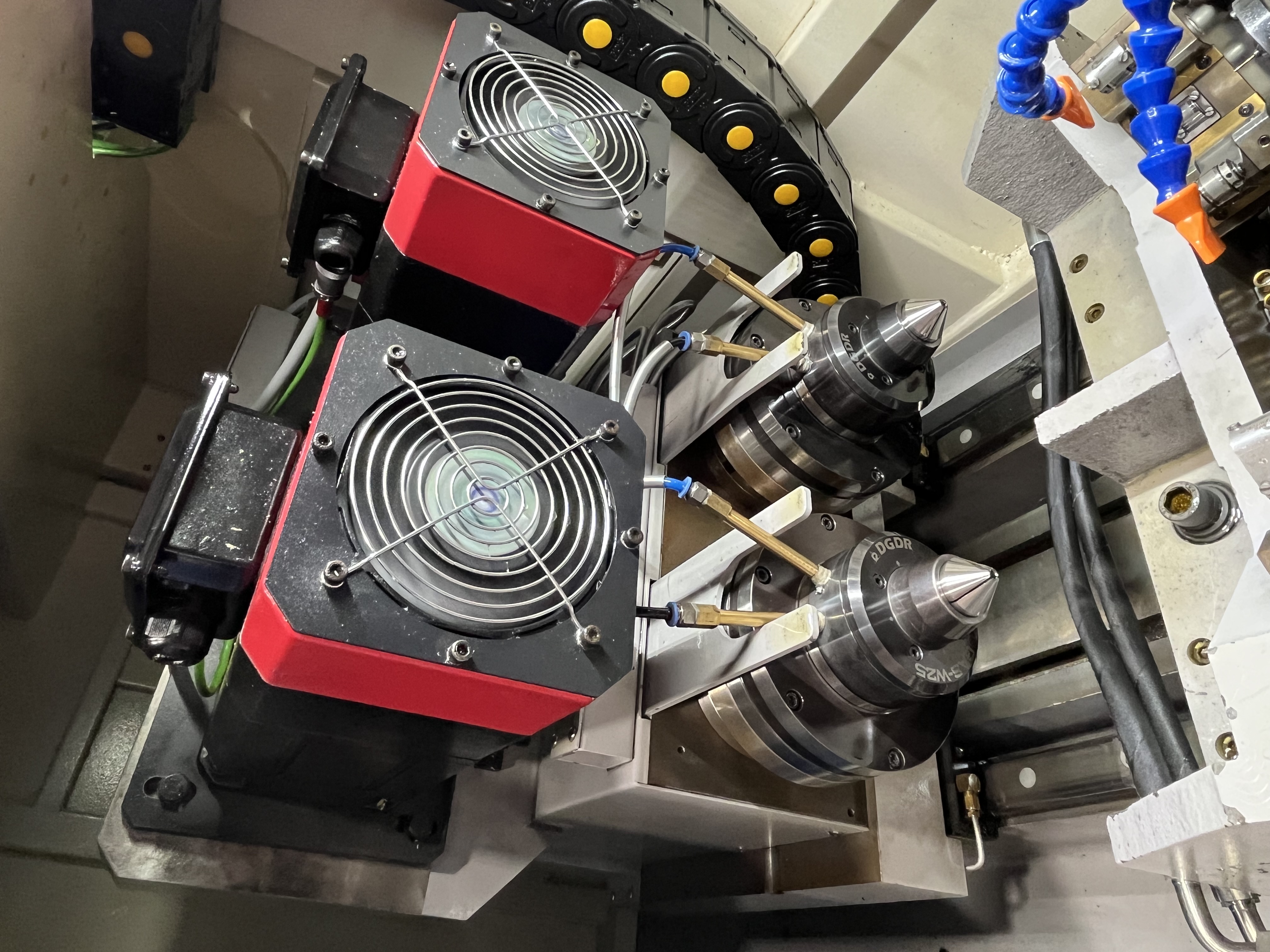
Gun drills are precision cutting tools. They have a carbide tip, a long slender shank, and a critical cutting geometry. Improper storage damages the drill and reduces its life.
Here’s what I’ve learned about storing gun drills.
Storage Racks
Gun drills should be stored horizontally in dedicated racks. The rack supports the drill along its full length to prevent sagging.
The rack should have individual slots for each drill with a V-groove or U-groove that supports the drill shank. The drill should not contact other drills in the rack.
A good storage rack:
- Supports the drill at multiple points
- Prevents contact between drills
- Labels each slot with the drill diameter
- Is covered to prevent dust accumulation
Vertical Storage
Vertical storage works for short drills (under 500mm). The drill hangs from the shank end with the tip pointing down. The tip is protected by a cap or sleeve.
I don’t recommend vertical storage for long drills. The weight of the drill can cause the shank to bend over time.
Environmental Conditions
Gun drills should be stored in:
Dry conditions. Humidity causes corrosion on the steel shank. I store drills in a climate-controlled area when possible.
Constant temperature. Temperature changes cause condensation on the drill surface. Avoid storing drills near doors or windows.
Clean area. Dust and debris can collect on the drill and damage the cutting edge. Covered racks prevent this.
Here’s a reference table for storage conditions I’ve found to be critical:
| Storage Factor | Optimal Range | Risk If Wrong |
|---|---|---|
| Relative humidity | 40-55% | Corrosion on steel shank above 60% |
| Temperature | 18-24°C (65-75°F) | Condensation forms with rapid changes over 5°C/hr |
| Dust exposure | Covered enclosure | Abrasive particles embed in and damage the carbide edge |
| Vibration | Below 0.01g | Shaft resonance can induce micro-bends over time |
| UV exposure | No direct sunlight | Polycarbonate tip caps yellow and become brittle |
| Contact between drills | None (individual slots required) | Chipped carbide tips from neighboring drills |
Protective Measures
Each drill should have:
- A protective cap on the carbide tip
- A protective sleeve on the shank (for long drills)
- A label showing the diameter and length
The protective cap prevents the carbide tip from chipping when the drill is handled or stored.
Inspection Before Use
Before a stored drill goes back into production, I inspect:
- The carbide tip for chips or cracks
- The shank for bends or damage
- The coolant hole for blockage
- The tip geometry for wear
A drill that’s been stored for months should be inspected carefully. I’ve seen drills with rust on the shank that caused runout problems.
Organizing by Size
I organize gun drills by diameter in the storage rack. The drills are arranged from smallest to largest diameter. Each slot has a label showing the diameter.
The organization makes it easy to find the right drill for a job. It also prevents using a drill that’s worn or damaged.
Storage Area Layout
I organize the storage area so that drills are easy to access without reaching across other tools. The rack is positioned near the machine but away from traffic paths where it could be bumped by passing forklifts or carts.
The area is lit well enough to read the labels on each drill slot. Poor lighting leads to grabbing the wrong diameter — which I have seen cause setup delays and, worse, drilling with an undersized drill that was mistaken for the correct size.
Inventory Management
I track each drill by diameter, length, and number of holes drilled. When a drill reaches its expected life (which varies by material and application), I remove it from the active rack and evaluate it for regrinding or replacement.
A simple spreadsheet works for this. I record the date the drill was put into service, the jobs it has run, and the hole count. Drills that have been reground are marked and tracked separately because reground drills do not last as long as new ones. For proper drill inspection procedures, see Preventing Gun Drill Handling Damage.
Key Takeaways
Proper storage extends gun drill life. A drill that’s stored correctly will maintain its condition for years. A drill that’s thrown in a drawer will be damaged within weeks. The most important storage rule is supporting the drill along its full length. A gun drill that sags under its own weight will develop a bend.
- Store gun drills horizontally in dedicated racks that support the full shank length.
- Use individual V-groove or U-groove slots to prevent contact between drills.
- Vertical storage works only for drills under 500mm.
- Keep drills in dry, constant-temperature conditions to prevent corrosion and condensation.
- Protect the carbide tip with a cap and label each slot with the drill diameter.
- Organize by diameter and track hole counts for tool life management.