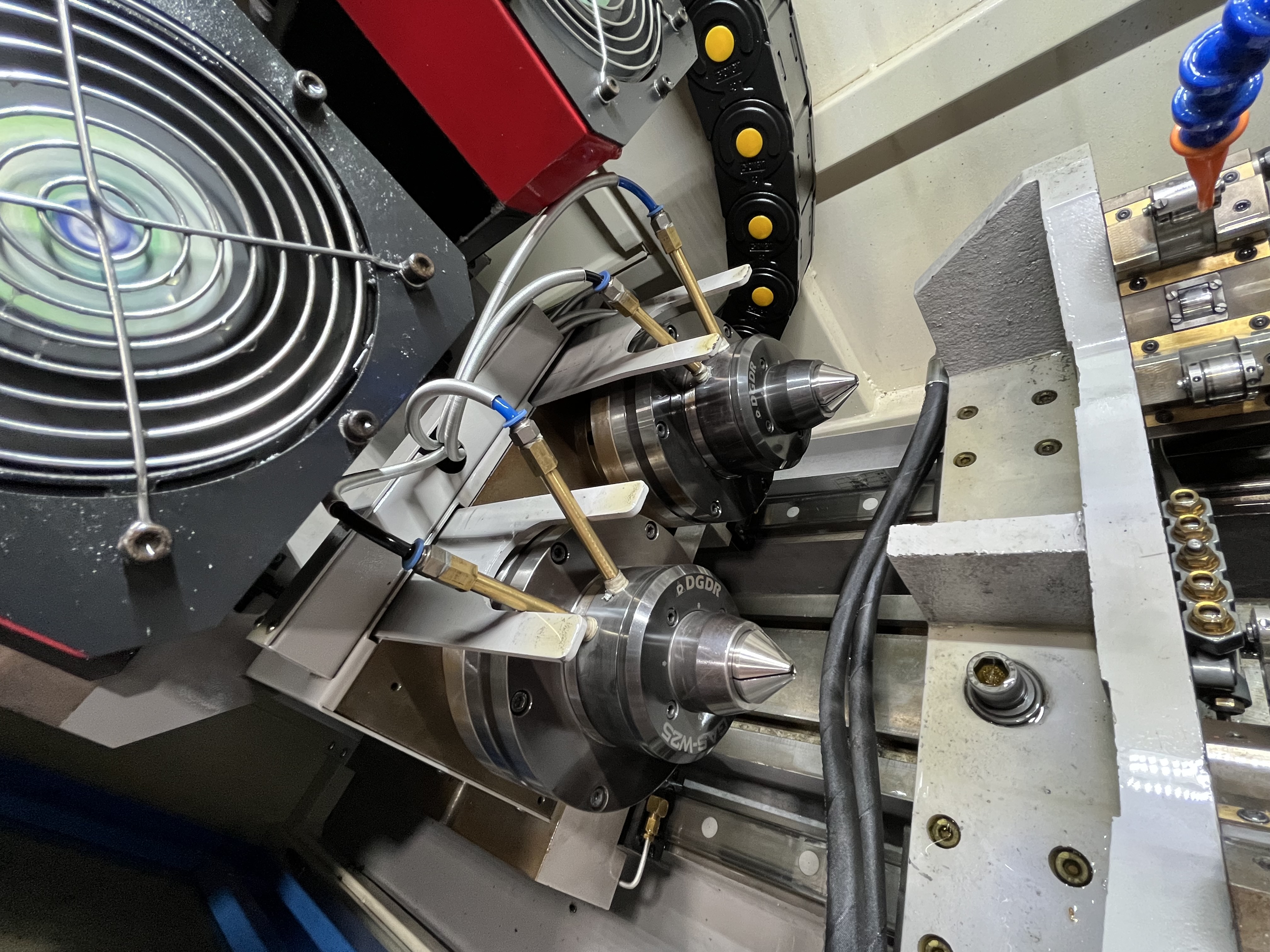
The thru-spindle coolant system is the circulatory system of a deep hole drilling machine. When it fails, you lose coolant pressure, which means chip evacuation stops, which means a broken drill in the bore. I have seen repair bills above $15,000 for a single rotating union failure, not counting the downtime. Keeping this system running is not complicated, but it does require consistent attention.
Components of the Thru-Spool System
The typical setup includes a rotating union (sometimes called a coolant inductor) mounted at the top or rear of the spindle, a draw tube running through the spindle bore, and sealing elements at both ends. Some machines use a stationary coolant gland and a rotating adapter. Either way, three critical components need regular inspection.
| Component | Typical Lifespan | Replacement Cost | Failure Mode |
|---|---|---|---|
| Rotating union seal | 6–18 months | $800–$3,500 | Seal wear, coolant leak |
| Draw tube | 3–8 years | $500–$1,500 | Corrosion pitting, cracking |
| Spindle bore seal | 12–24 months | $200–$600 | Elastomer degradation |
| Coolant filter element | 1–4 weeks (replace) | $15–$60 | Clogging, pressure drop |
I have standardized on a 9-month rotating union rebuild cycle at my shop. We pull the union, replace the seals and bearings, pressure test, and reinstall. That 9-month interval caught us just before a seal failure window that was hitting around month 11 on the original schedule.
Pressure Drop Monitoring
The single most effective maintenance tool is trending the coolant pressure at the spindle inlet versus the tool outlet. I log the pressure readings weekly. A gradual drop of more than 10% over the baseline with the same tool and parameters indicates a blockage in the draw tube or a leaking seal. A sudden drop of 20% or more means a rapid failure in progress.
| Pressure Change | Likely Cause | Action Required |
|---|---|---|
| 5–10% gradual over weeks | Partial filter clog or minor seal wear | Schedule inspection at next shift |
| 10–20% over days | Growing blockage in draw tube | Immediate inspection |
| >20% sudden | Seal failure or tube rupture | Stop spindle, replace component |
| >20% with visible leak | Rotating union failed | Shut down, rebuild union |
I use a pressure transducer at the spindle inlet with a digital readout on the operator panel. The operators are trained to flag any reading that deviates more than 5% from the baseline. This caught a failing rotating union seal last year before it could contaminate the spindle bearings.
Seal Selection and Compatibility
Seal material matters more than most people think. Standard Buna-N seals degrade quickly in synthetic coolant above 140°F. I switched to FKM (Viton) seals on all our rotating unions and got three times the seal life. For coolant temperatures above 160°F, I use PTFE encapsulated O-rings or HNBR.
The coolant temperature control systems in your shop affect seal life directly. A machine that runs coolant at 120°F will get roughly double the rotating union seal life compared to one running at 150°F.
Draw Tube Inspection Procedure
The draw tube is a steel or stainless steel pipe that runs the length of the spindle. On our machines, the ID ranges from 10 mm to 40 mm depending on the spindle size. I have found that draw tubes fail from corrosion pitting starting at the coolant exit end, where flow turbulence creates localized oxygen concentration.
Visual inspection with a borescope every six months catches the early pitting. Look for localized corrosion spots that feel rough to the touch when you run a probe through. The replacement threshold I use is any pit deeper than 0.5 mm. Once pitting starts, the tube loses structural integrity quickly. I replaced three draw tubes last year across our fleet, and in every case the corrosion was visible three months before the leak started.
Coolant Quality and Its Effect on Seal Life
The condition of the coolant itself is a major variable in seal life. Coolant that has degraded—low pH, high bacterial count, or excessive tramp oil—attacks elastomer seals at a chemical level. I have seen coolant with a pH below 8.0 cause FKM seals to swell and lose sealing force within three months.
I test coolant pH and concentration weekly on every machine. The pH should stay between 8.5 and 9.5 for semi-synthetic coolants. If the pH drops below 8.0, I add a pH booster or schedule a coolant change. The coolant filtration maintenance article covers the testing protocol in detail.
Bacterial growth in the coolant creates acidic byproducts that accelerate seal wear. I use dip-slide tests每月 to check bacterial levels. A count above 10^5 CFU/mL means the coolant needs treatment with a biocide. I have seen untreated bacterial growth destroy a rotating union seal in six weeks.
Spindle Bearing Protection
The most expensive consequence of a rotating union failure is coolant reaching the spindle bearings. A high-pressure coolant leak through the rear seal of the rotating union flows down the draw tube and into the spindle cartridge. The coolant washes the grease out of the bearings and causes corrosion.
I install a drip shield and drain tube below the rotating union as a secondary containment measure. Any coolant that escapes the union seal is directed away from the spindle bearing housing through a drain line. The drain line exits the machine enclosure so I can see if the rotating union is leaking.
A spindle bearing replacement on a deep hole drilling machine costs $8,000 to $15,000 in parts plus 40 to 80 hours of labor. I have avoided two spindle rebuilds in the past three years by catching rotating union leaks early through the drip shield inspection.
Filter Placement and Maintenance
A inline filter between the coolant supply line and the rotating union protects the seals from particulate damage. The filter mesh should be 100 to 200 microns. I have seen shops eliminate the filter to save $15 per element and then burn through $800 rotating unions every four months. The math does not work in their favor.
The filter should be upstream of the rotating union, not downstream. I check the differential pressure across the filter daily. A delta-P above 5 psi means the element is loading up. I replace at 8 psi delta-P, which gives a safety margin before the element collapses.
I installed a pressure transducer with a local display at each machine. The operator can see the real-time pressure and compare it to the baseline reading posted on the machine nameplate. Any deviation triggers investigation before the next cycle.
Key Takeaways
- Rotating union seals are the most common failure point; rebuild every 9–12 months proactively.
- Weekly coolant pressure trending catches failures before they cause spindle damage.
- Seal material selection based on coolant type and temperature doubles or triples service life.
- Draw tube borescope inspection every six months prevents catastrophic in-bore failures.
- Always run a filter between coolant supply and rotating union, 100–200 micron mesh.
- Coolant system cleanliness directly affects every component downstream, including the coolant pump and seals.