Deep Hole Drilling

Deep Hole Drilling Tech Blog

Real problems, real solutions, no fluff. I have spent years working across multiple shops running gun drilling, BTA drilling, and ejector drilling machines — setting up jobs, troubleshooting coolant pressure and chip evacuation issues, drilling deep holes in everything from hydraulic cylinders to aerospace titanium. This site is where I share what I have learned.
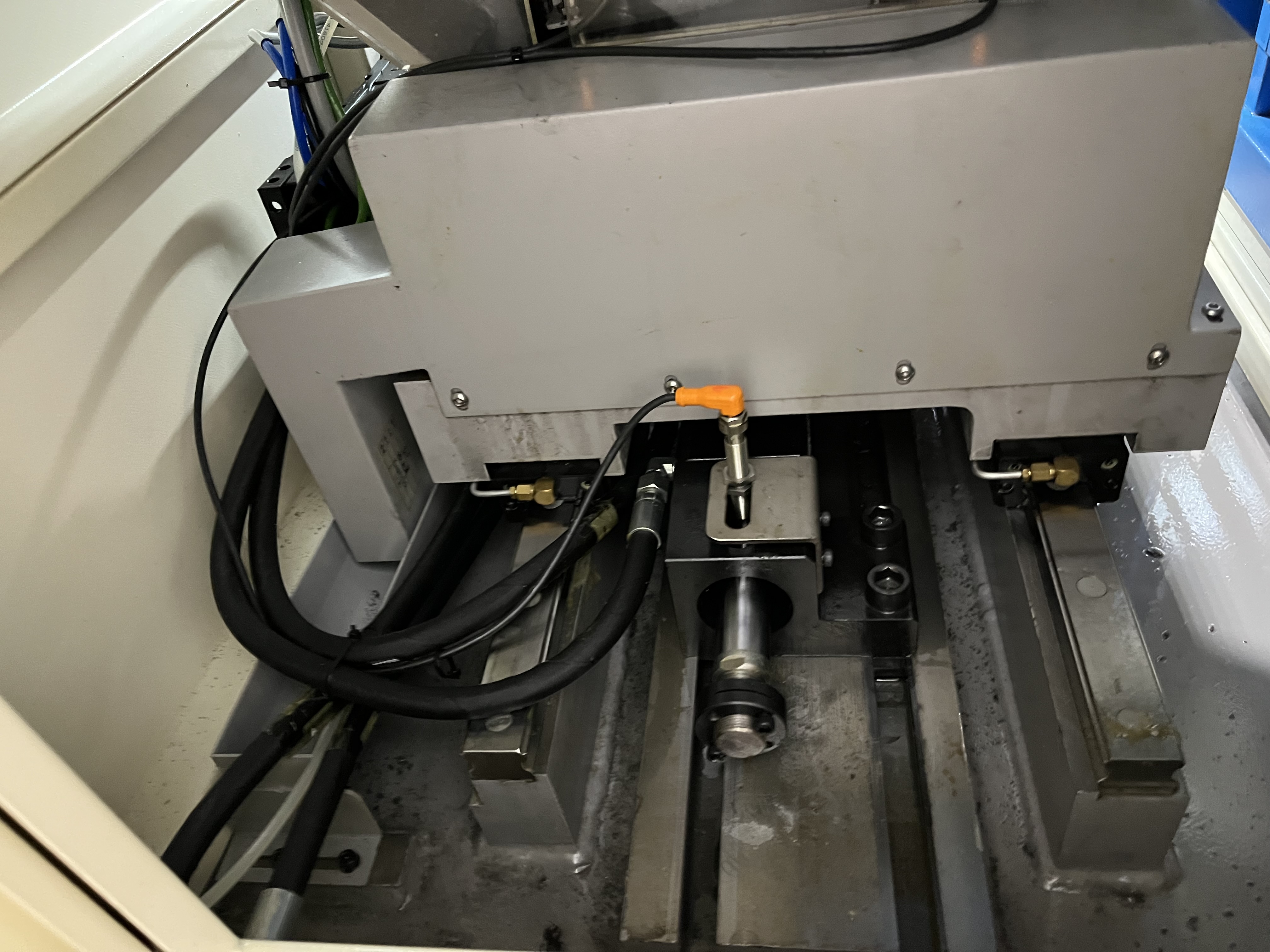
Deep Hole Drilling Machine Alignment: Checking Spindle, Bushing, and Workpiece Concentricity

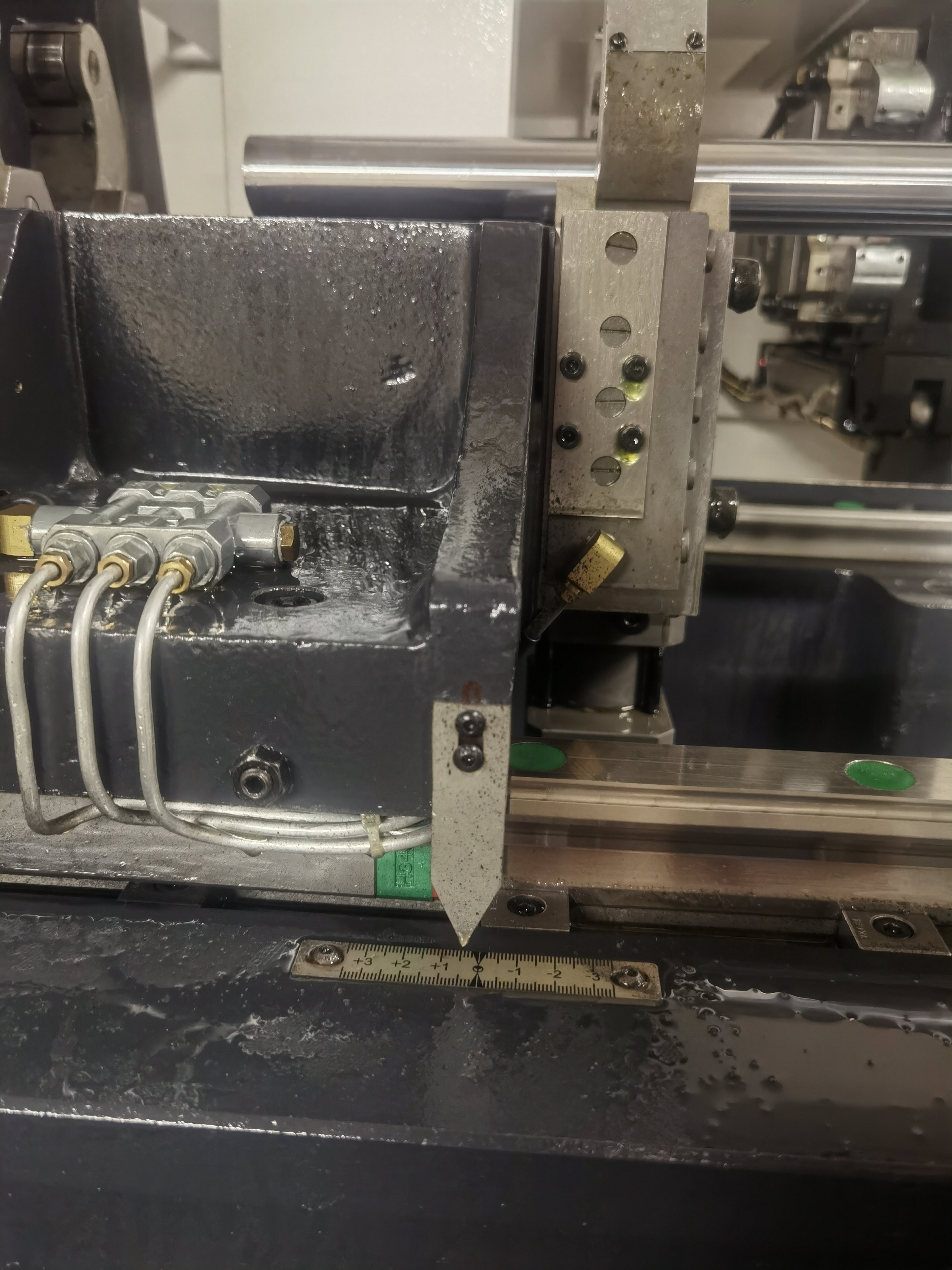
I have seen shops spend weeks chasing straightness problems when the root cause was a spindle that was 0.03mm out of alignment with the bushing. Checking alignment takes thirty minutes with a test bar and a dial indicator. Here is the procedure I use. What I Check and In What Order I check alignment in a specific sequence because each step depends on the one before it: Spindle condition (runout at the taper) Spindle axis parallel to the way axis Bushing holder concentricity with spindle Bushing ID concentricity with spindle Workpiece axis alignment with spindle If I skip a step, I waste time chasing a problem that does not exist. ...

June 16, 2026 · Engineer at the Deep Hole

Deep Hole Drilling Machine Monitoring Systems

Machine monitoring for deep hole drilling goes far beyond counting cycles and tracking runtime. The drilling process itself generates a rich set of signals that tell you exactly what is happening at the cutting edge. I have built monitoring systems that predict tool breakage three seconds before it happens, detect material hardness changes mid-bore, and flag coolant system degradation weeks before a failure. What to Monitor Process Parameters The four signals that give the most information about the drilling process are coolant pressure, coolant flow rate, spindle power, and feed force. These four parameters, plotted against time, create a signature for every drilling cycle. ...

June 16, 2026 · Engineer at the Deep Hole

Deep Hole Drilling Machine Reliability: What I Do to Maximize Uptime

A deep hole drilling machine that is down costs more per hour than almost any other machine in the shop. The hourly burden rate is high, the parts going through it are usually high-value, and the whole production schedule backs up when one machine stops. I have spent years learning what keeps these machines running, and most of what works is not in the maintenance manual. Here is my approach to reliability — what I actually do, not what the textbook says. ...

June 16, 2026 · Engineer at the Deep Hole

Deep Hole Drilling Thin Wall Tubing: Support Methods and Parameters

Thin wall tubing is some of the most frustrating material to deep hole drill. The wall has almost no rigidity, so the cutting forces that would be negligible on a solid bar become critical. I have seen tubes collapse, chatter, ovalize, and ring like a bell when the drill contacts them. The key is understanding that you are not drilling a hole in a tube – you are drilling a hole through a structure that happens to be shaped like a tube. The structural integrity of the tube has to be maintained during the drilling process. ...

June 16, 2026 · Engineer at the Deep Hole

Deep Hole Drilling Titanium: A Practical Guide

Titanium alloys – particularly Ti-6Al-4V (Grade 5) and Ti-6Al-4V ELI (Grade 23) – are widely used in aerospace, medical, and marine applications. They offer an excellent strength-to-weight ratio and corrosion resistance. Unfortunately, they also happen to be one of the most challenging materials to deep hole drill. I have spent years dialing in titanium drilling parameters for everything from aircraft landing gear components to medical implants. What follows is what I have found works consistently. ...

June 16, 2026 · Engineer at the Deep Hole

Documenting Deep Hole Drilling Problems for Analysis

I document every drilling problem in a log. This practice has saved me weeks of troubleshooting time over the years. A single recurring problem that goes undocumented can cost thousands of dollars in scrapped parts and broken tools before someone recognizes the pattern. Problem Description The typical approach in most shops is to fix the immediate problem and move on. The tool breaks, so you replace it. The surface finish is bad, so you adjust the feed. These fixes address the symptom but not the root cause, and the problem comes back days or weeks later. ...

June 16, 2026 · Engineer at the Deep Hole

Drill Walking and Hole Deviation: A Systematic Troubleshooting Guide

When a deep hole comes out crooked, the natural instinct is to blame the machine alignment. I have learned the hard way that misalignment is often not the problem. Before I pull out the alignment laser, I check three things first. Nine times out of ten, the cause is one of them. How I Diagnose Drill Walking I start by asking two questions about the hole: Is the deviation consistent from the first part to the last? If every hole drifts the same direction by the same amount, the root cause is likely fixed — alignment, bushing wear, or entry geometry. If the deviation changes from part to part, the cause is likely variable — material hardness variation, coolant fluctuation, or chip packing. ...

June 16, 2026 · Engineer at the Deep Hole

Drilling Additively Manufactured vs Wrought Metals: What Changes in Deep Hole Drilling

I started drilling additively manufactured metal parts expecting them to be harder than wrought. The porous, layered structure looked like it would eat tools. The data surprised me. AM metals — specifically laser powder bed fusion Inconel 718 — machine differently than wrought. Tool wear is lower, cutting forces are lower, and the wear mechanism shifts from adhesive to abrasive. Understanding these differences changes how you set up parameters and select tooling. ...

June 16, 2026 · Engineer at the Deep Hole

Drilling Beryllium Copper: Safety and Parameters

Beryllium copper is a high-strength copper alloy used in tools, electrical components, and oilfield equipment. It machines differently from standard copper alloys and requires specific safety precautions that I take very seriously. The material is harder than standard copper — about 35-45 HRC in the heat-treated condition. It produces short, brittle chips that evacuate easily. The cutting forces are higher than for standard copper but lower than for steel. I have drilled beryllium copper for oilfield instrument housings and electrical connector components. The material drills well but the safety requirements demand respect. ...

June 16, 2026 · Engineer at the Deep Hole

Drilling Case-Hardened Shafts: Tips for Long Tool Life

Case-hardened shafts have a hard outer layer — typically 55-62 HRC — with a softer core around 30-40 HRC. The hard case makes drilling difficult. The drill has to cut through the hard skin at entry and exit while drilling through the soft center. I have drilled thousands of these shafts for hydraulic cylinder rods, gearbox shafts, and machine-tool spindles. The approach is completely different from drilling through-hardened materials. The drilling is best done before case hardening if the part design allows. But sometimes the shaft needs to be drilled after hardening because of manufacturing sequence or design changes. I would estimate that about 30% of my case-hardened shaft jobs are post-heat-treat drilling, and those are the ones that require the most process care. ...

June 16, 2026 · Engineer at the Deep Hole