Deep Hole Drilling

Deep Hole Drilling Tech Blog

Real problems, real solutions, no fluff. I have spent years working across multiple shops running gun drilling, BTA drilling, and ejector drilling machines — setting up jobs, troubleshooting coolant pressure and chip evacuation issues, drilling deep holes in everything from hydraulic cylinders to aerospace titanium. This site is where I share what I have learned.
Feed and Speed Optimization for Maximum Tool Life

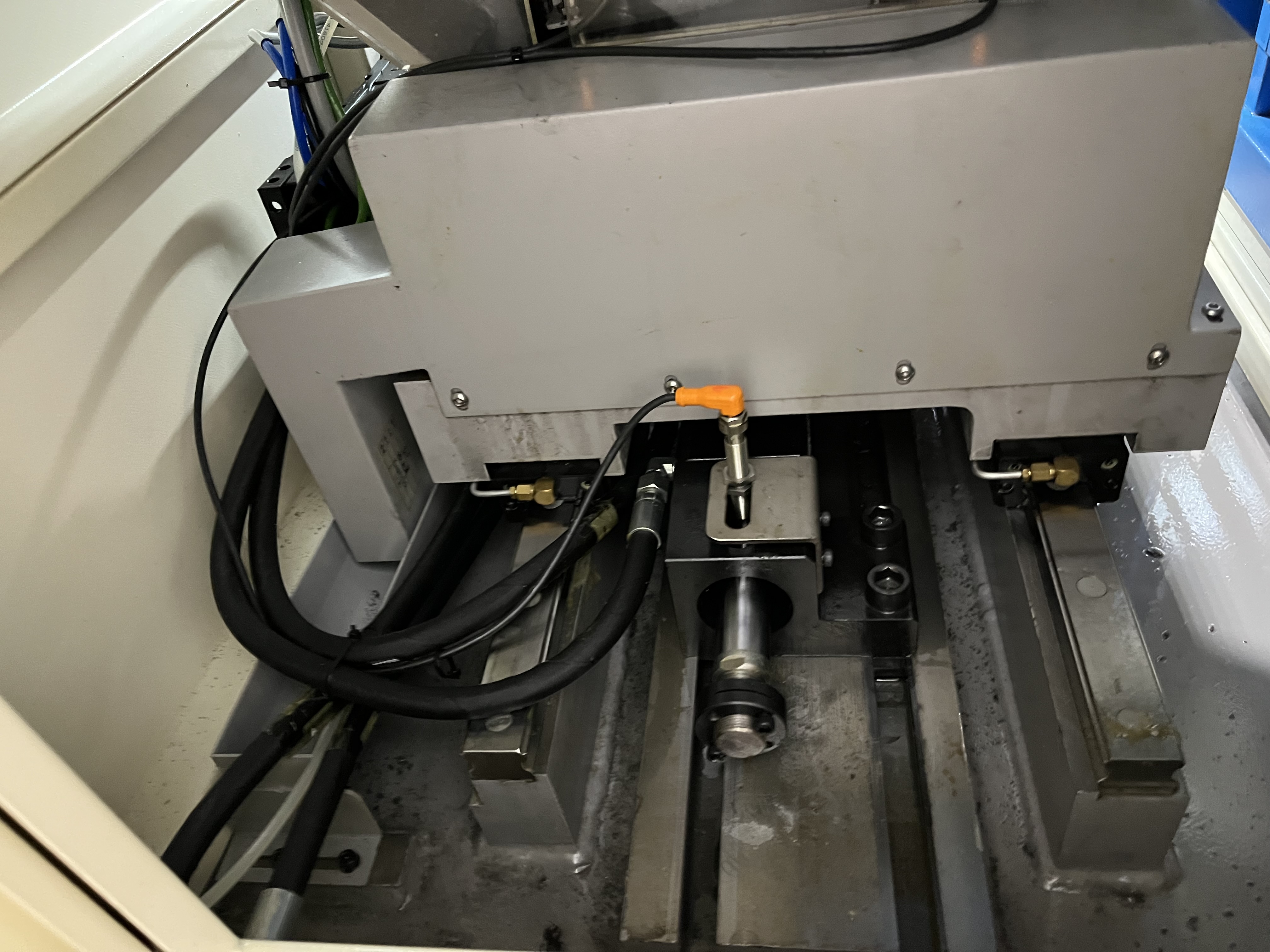
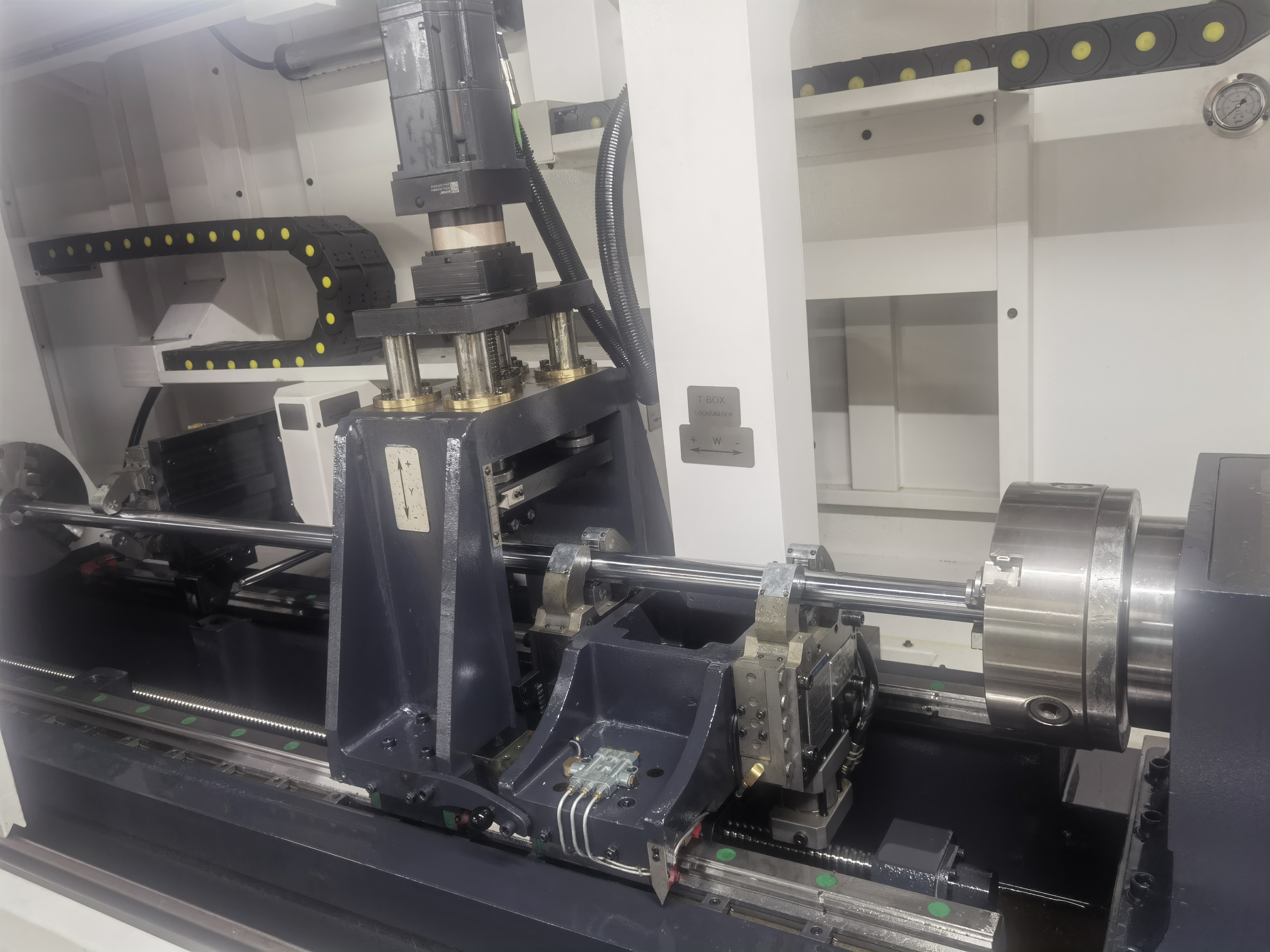
Feed and speed optimization is the most effective way I have found to reduce cost per hole in deep hole drilling. The right parameters balance material removal rate against tool life, and the sweet spot can double or triple the number of good holes per drill. A systematic approach beats guesswork every time. Starting Point: Manufacturer Recommendations I start every new material or tool with the manufacturer recommended parameters. Tool manufacturers have tested their drills across a range of conditions and their starting point is reliable for getting the first part through safely. ...

June 16, 2026 · Engineer at the Deep Hole

Forklift Mast Cylinder Deep Hole Drilling

Forklift mast cylinders lift and tilt the forks. These cylinders operate at high pressure and need reliable seal performance. The bore quality directly affects the lifting capacity and service life. In my experience, even a 0.05mm deviation in bore roundness can cut seal life in half. Bore Geometry and Material Selection A typical mast cylinder has a 60-120mm bore through 500-1500mm of barrel. The material is usually cold-drawn seamless steel tube or forged steel. The surface finish requirement is Ra 0.8um for good seal life. ...

June 16, 2026 · Engineer at the Deep Hole

Gate Valve Body Drilling for Oilfield Service

Oilfield gate valves control the flow of crude oil, gas, and drilling fluids. The valve body needs a through-bore for the gate that slides across the seat to open or close the flow path. The bore must be straight and round so the gate seals properly at high pressure. In my experience, a gate valve that leaks at rated pressure is almost always a bore concentricity problem, not a seat material problem. ...

June 16, 2026 · Engineer at the Deep Hole

Guide Bushing Types and Selection Guide

The guide bushing supports the gun drill at the entry point of the workpiece. It prevents the drill from whipping or deflecting during the first few millimeters of engagement, which are the most critical for hole straightness. I have spent years selecting and maintaining guide bushings for different applications, and the right bushing choice is one of the most important tooling decisions in deep hole drilling. Guide Bushing Material Selection The most common bushing material is hardened tool steel, typically A2 or D2 tool steel hardened to 58 to 62 HRC. It provides good wear resistance at moderate cost. For high production or abrasive materials, I use carbide bushings. For soft materials where marking is a concern, I use bronze bushings. ...

June 16, 2026 · Engineer at the Deep Hole

Gun Drill Regrind Inspection: What I Check Before Putting a Sharpened Drill Back in the Spindle

Not all regrinds are equal. I have learned the hard way that a bad regrind will cost you a broken drill and a scrapped part. A gun drill costs hundreds of dollars to replace, but a scrapped aerospace part can cost thousands. I inspect every reground drill before it goes into the spindle, and I reject about one in five regrinds from even my best sharpening vendors. Here is my inspection routine. It takes ten minutes and has saved me from countless spindle crashes, broken drills, and rejected parts. ...

June 16, 2026 · Engineer at the Deep Hole

Gun Drill Runout: How Tool Runout Affects Hole Size, Roundness, and Straightness

Runout is one of those problems that is easy to ignore because the symptoms look like other issues. A hole comes out 0.03mm oversize and the natural instinct is to check the drill diameter or the bushing clearance. Half the time, the culprit is tool runout. Here is what I have learned about measuring runout, understanding its effects, and controlling it. What Runout Actually Does to the Hole When a gun drill has runout at the tip, the cutting edge orbits around the spindle centerline instead of rotating on-axis. This orbit increases the effective cutting diameter. ...

June 16, 2026 · Engineer at the Deep Hole

Gun Drill Sizing and Selection: How to Choose the Right Drill for the Job

I have a process I use for every new gun drilling job. It starts with the bore print and works through diameter, shank, length, tip geometry, and coating in that order. Skip any of these steps and you risk a tool that wanders, breaks, or wears out before it reaches depth. Here is my full sizing and selection process, along with the reference tables I keep pinned above my bench. ...

June 16, 2026 · Engineer at the Deep Hole

Gun Drilling Coolant Requirements: Minimum Pressure and Flow by Diameter

Every time I talk to a shop that wants to start gun drilling, the question comes up: how much coolant pressure do I really need? The manufacturer’s spec sheet usually says 1000-2000 psi. But real-world results vary depending on diameter, depth, and material. Here is what I have found works — and what does not. Pressure vs Flow: What Matters for Chip Evacuation Coolant does two jobs in gun drilling: it lubricates the cutting edge and it pushes chips back along the flute. Lubrication needs pressure. Chip evacuation needs flow. You need both. ...

June 16, 2026 · Engineer at the Deep Hole

Gun Drilling for Agricultural Sprayer Boom Components

Agricultural sprayer booms are long, lightweight structures that fold out from the sprayer to apply pesticides and fertilizers. They need several types of deep holes — through-holes for fluid passages and cross-holes for nozzle mounting. Over the years I’ve drilled literally thousands of these boom sections, and there are nuances that don’t show up in any textbook. The boom sections are typically made from aluminum or stainless steel tubing. Aluminum is common for weight reduction — a 30-meter boom set made from 6061-T6 aluminum weighs roughly 40% less than an equivalent 304 stainless build. A typical boom section might have a 20mm through-hole running the full length for the spray fluid, with 6mm cross-holes at regular intervals for the nozzle bodies. ...

June 16, 2026 · Engineer at the Deep Hole

Gun Drilling on Swiss-Type Lathes

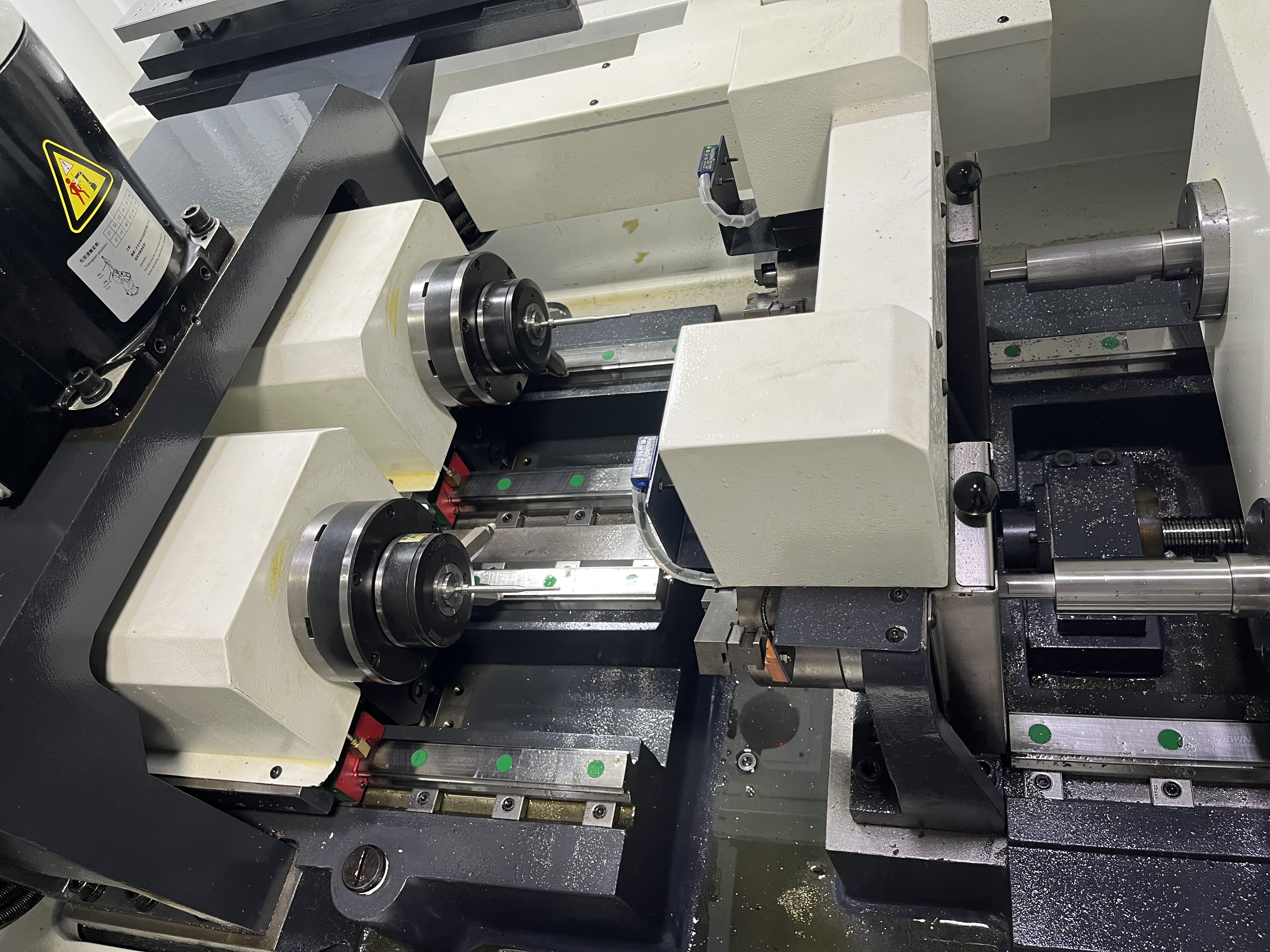
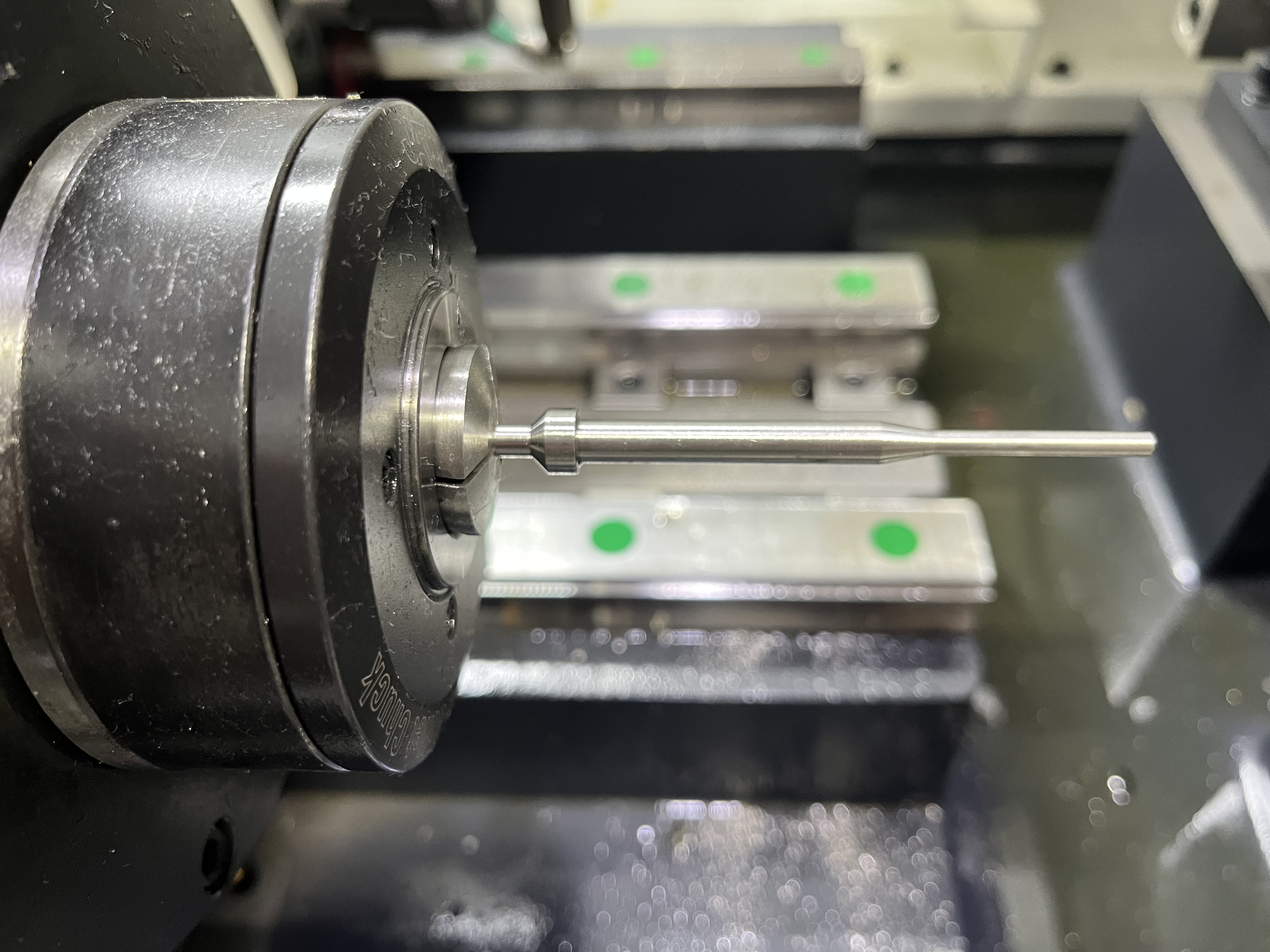
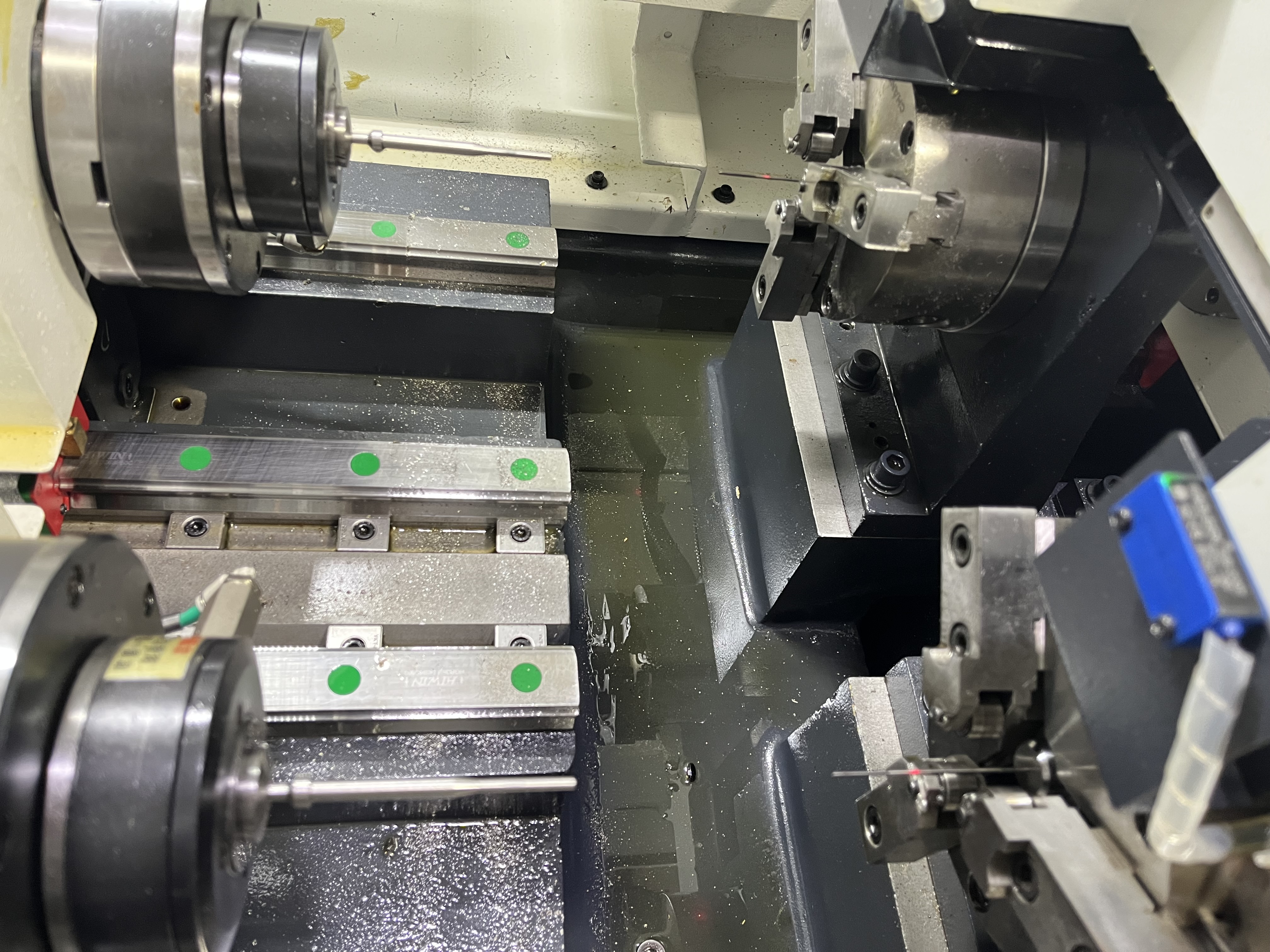
Swiss-type lathes are designed for machining small, slender parts. With live tooling and through-coolant capability, they can handle gun drilling for short deep holes. I have been running gun drilling operations on Swiss lathes for about four years, primarily for medical and precision instrument components. The approach is different from a dedicated gun drilling machine, but with the right setup it produces acceptable results for the right applications. Capabilities and Limitations A Swiss lathe is suitable for gun drilling diameters under 6 mm through lengths up to about 10:1 L/D ratio. Beyond that ratio, the coolant pressure and chip evacuation limitations become too severe. The main limitation is coolant pressure — most Swiss lathes have 200-500 psi coolant systems, while dedicated gun drilling machines run at 1000-3000 psi. ...

June 16, 2026 · Engineer at the Deep Hole