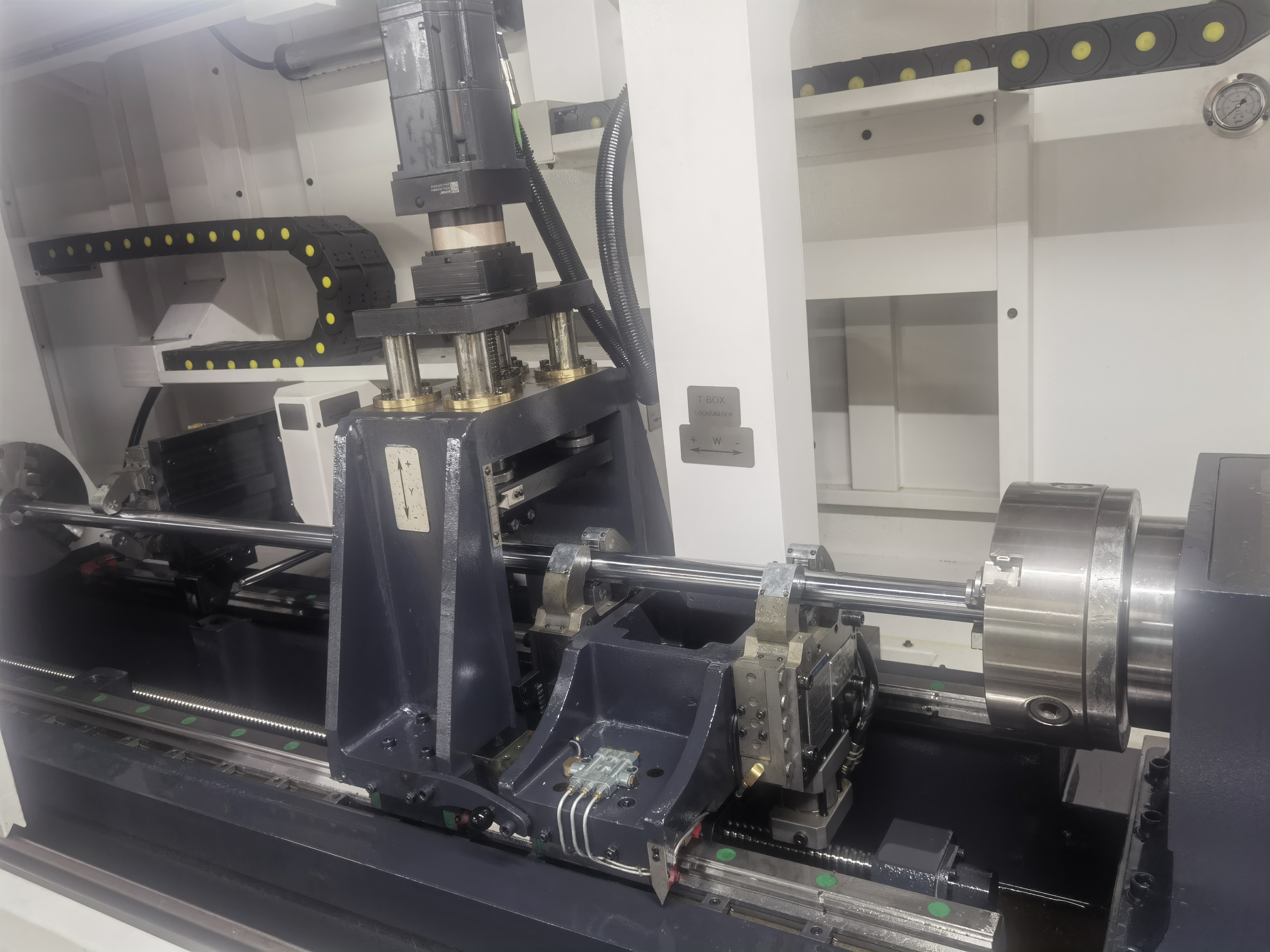
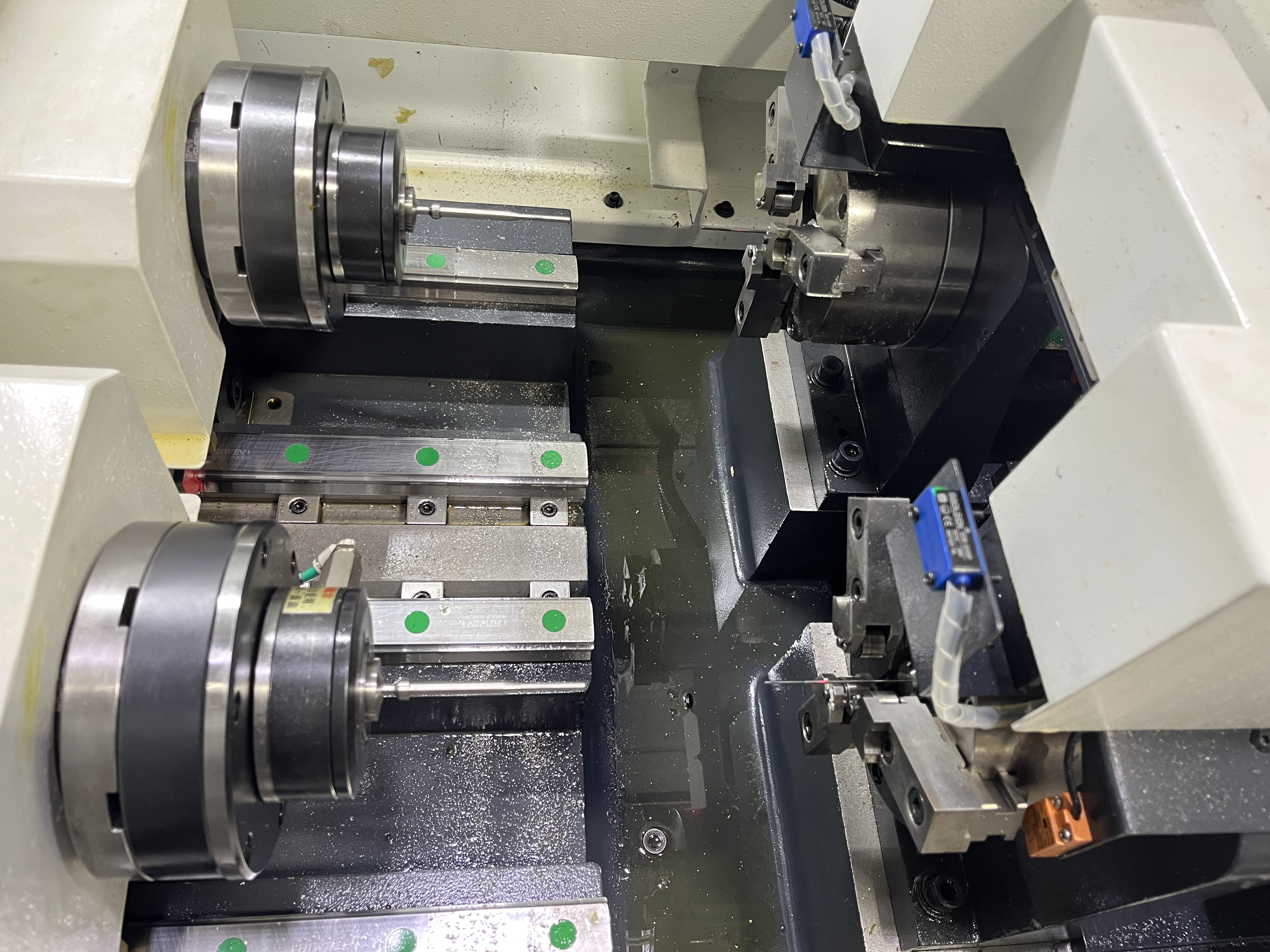
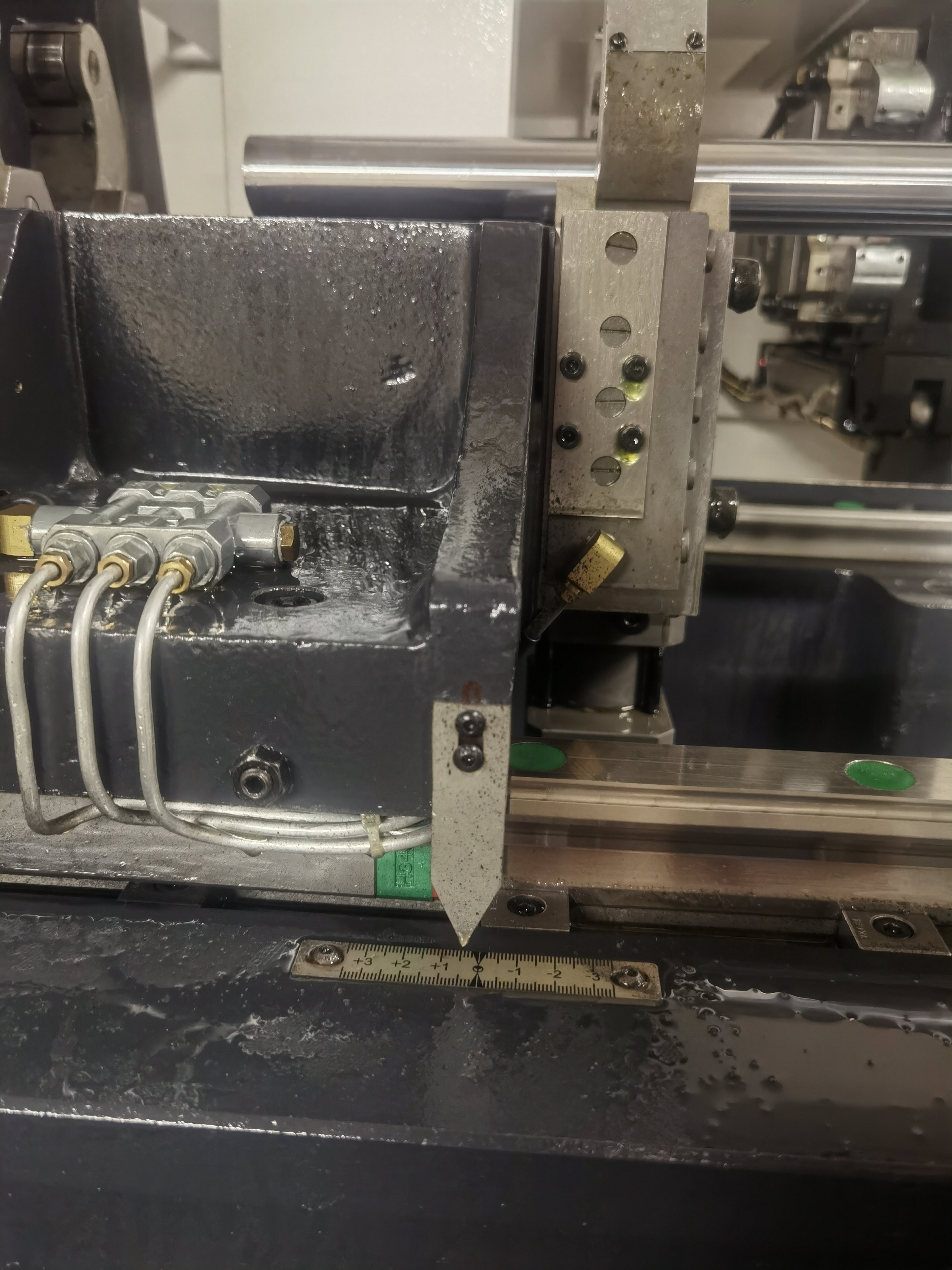
Real problems, real solutions, no fluff. I have spent years working across multiple shops running gun drilling, BTA drilling, and ejector drilling machines — setting up jobs, troubleshooting coolant pressure and chip evacuation issues, drilling deep holes in everything from hydraulic cylinders to aerospace titanium. This site is where I share what I have learned.
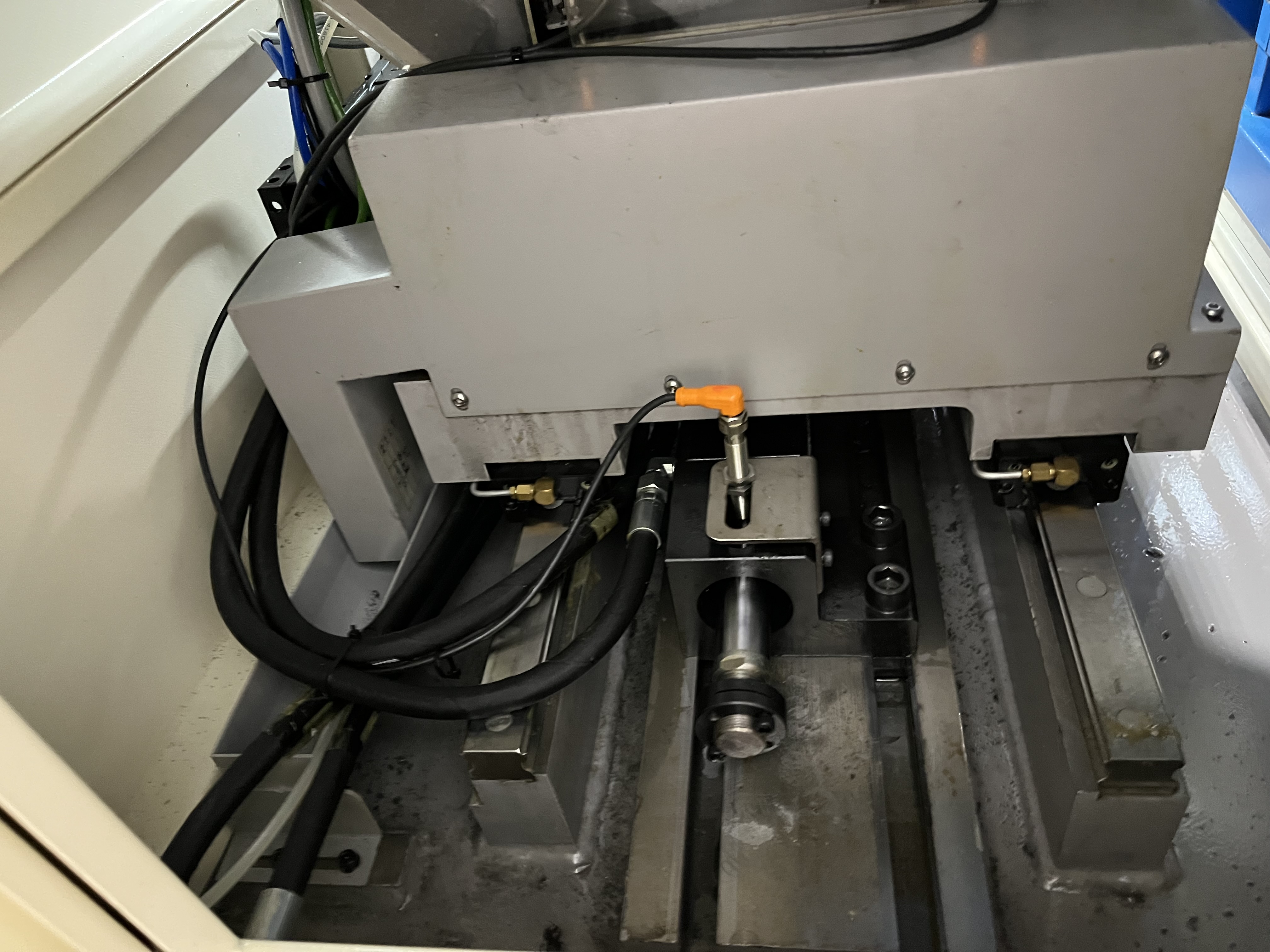
Learning to Weld Repair a Deep Hole Bore
I drilled a bore that came out 2mm off position. The part was a hydraulic cylinder barrel forged from 4140 steel, about 700mm long with an outside diameter of 180mm. The bore was supposed to be 80mm diameter through the full length, positioned within 0.2mm of the centerline. When I put the part on the CMM after the first drilling pass, the CMM reported the bore centerline was 2.1mm offset from the print position at the mid-length point and 2.4mm offset at the far end. ...
Linear Guide vs Box Way for Deep Hole Drilling Machines
Choosing between linear guides and box ways on a deep hole drilling machine is one of those decisions that looks simple on paper but gets complicated fast once you factor in real-world cutting conditions. I’ve been through this debate on more installations than I can count, and the answer rarely comes down to a single specification. What Each System Brings Box ways have been the backbone of heavy-duty machine tools for decades. The dovetail or square-profile design with Turcite or similar lining material gives you a massive contact surface that dampens vibration naturally. In my experience, box way machines consistently hold tighter bore straightness when you’re pushing a BTA tool past 50 diameters depth. ...
Machine Data Collection for Deep Hole Drilling Analytics
Collecting data from deep hole drilling machines helps optimize the process and predict when maintenance is needed. Modern CNC controls already collect most of this data — it just needs to be captured and analyzed. In my experience, shops that implement even basic data collection see a 15-20% reduction in unplanned downtime within the first six months. What Data I Collect and Why I have settled on seven key signals that I record for every machining cycle. These give me a complete picture of process health without drowning in noise. ...
Machine Will Not Start: Troubleshooting Flowchart
A machine that will not start stops production immediately. I use a systematic approach to find the problem quickly, typically in under 15 minutes. In my experience, roughly 85% of no-start situations are resolved by the first four checks on this list. I designed this flowchart so operators can run through it without calling a technician for every issue. The Four Quick Checks (85% Success Rate) I have trained every operator to run these four checks before picking up a phone. These resolve the vast majority of no-start situations. ...
Machining Allowance for Gun Drilled Cast Iron Parts
Cast iron parts often need gun drilled holes for fluid passages or weight reduction. The machining allowance — how much material to leave for finishing — depends on the casting quality and the tolerance requirement. I have drilled thousands of holes in gray iron, ductile iron, and compacted graphite iron, and the allowance decision is different for each grade. Cast iron drills differently than steel. The graphite content acts as a lubricant, so tool life is good. But cast iron can have hard spots from uneven cooling, and the surface has a tough scale layer. The graphite also affects the surface finish — the as-drilled finish is naturally smoother than in steel because the graphite flakes act as chip breakers and lubricate the cutting edge. ...
Marine Deep Hole Drilling: Propeller Shafts, Rudders, and More
Marine components are brutally large and unforgiving to machine. Propeller shafts, stern tubes, rudder stocks, and stabilizer fins all need deep, straight bores – often in stainless steel or monel alloys that make life hard for any cutting tool. I have drilled propeller shafts up to 8 meters long and stern tubes weighing several tons. The scale alone creates problems that do not exist on smaller parts. Here is what I have learned about keeping those jobs under control. ...
Material Removal Rate Calculations for Deep Hole Drilling
Material removal rate tells you how much material is being removed per unit of time. It is useful for comparing tool performance, estimating cycle times, and spotting process problems. I calculate MRR on every new job to establish a baseline. I track MRR for each job and compare it to the baseline over time. A 20% decrease in MRR indicates tool wear or a process problem. A sudden drop often catches issues before the tool breaks. ...
material transfer guide bushings
Problem Description Material transfer on guide bushings happens when workpiece material bonds to the carbide bearing surface during deep hole drilling. I’ve seen this most often when running 304 stainless steel and Inconel at spindle speeds above 4,000 RPM. The transfer builds up progressively, scoring the bushing bore and eventually marking the drill shank. Once the transfer exceeds 0.05 mm in height, it creates a hot spot that accelerates further adhesion. The bushing clearance closes up and the drill starts to bind. I’ve had jobs where a single bushing went from clean to scrap in under 200 parts because I didn’t catch the early signs. ...
Measuring Gun Drill Geometry After Regrind
Why Post-Regrind Inspection Matters I measure every reground gun drill before it goes back into production. Incorrect regrind geometry is one of the most common causes of poor hole quality that I see. The regrind operator might be having a bad day, the grinding wheel might have dulled mid-cycle, or the fixture might have moved. The measurement catches these errors before the tool goes into a part. A gun drill with incorrect geometry cuts poorly from the first revolution. It will produce rough surface finish, oversized bores, or excessive burrs. In some cases, it will break within the first few millimeters of cut. The inspection takes 2-3 minutes and saves hours of troubleshooting time. ...
Mist Collectors for Deep Hole Drilling Operations
Deep hole drilling generates coolant mist like few other machining operations. The high coolant pressures, often exceeding 1,000 psi (70 bar) on gun drilling machines or 500 psi (35 bar) on BTA systems, atomize the coolant into a fine aerosol that hangs in the air and settles everywhere. I’ve walked into shops where a 0.5 µm particle haze is so thick you can taste the oil. A properly sized mist collection system is not optional. ...