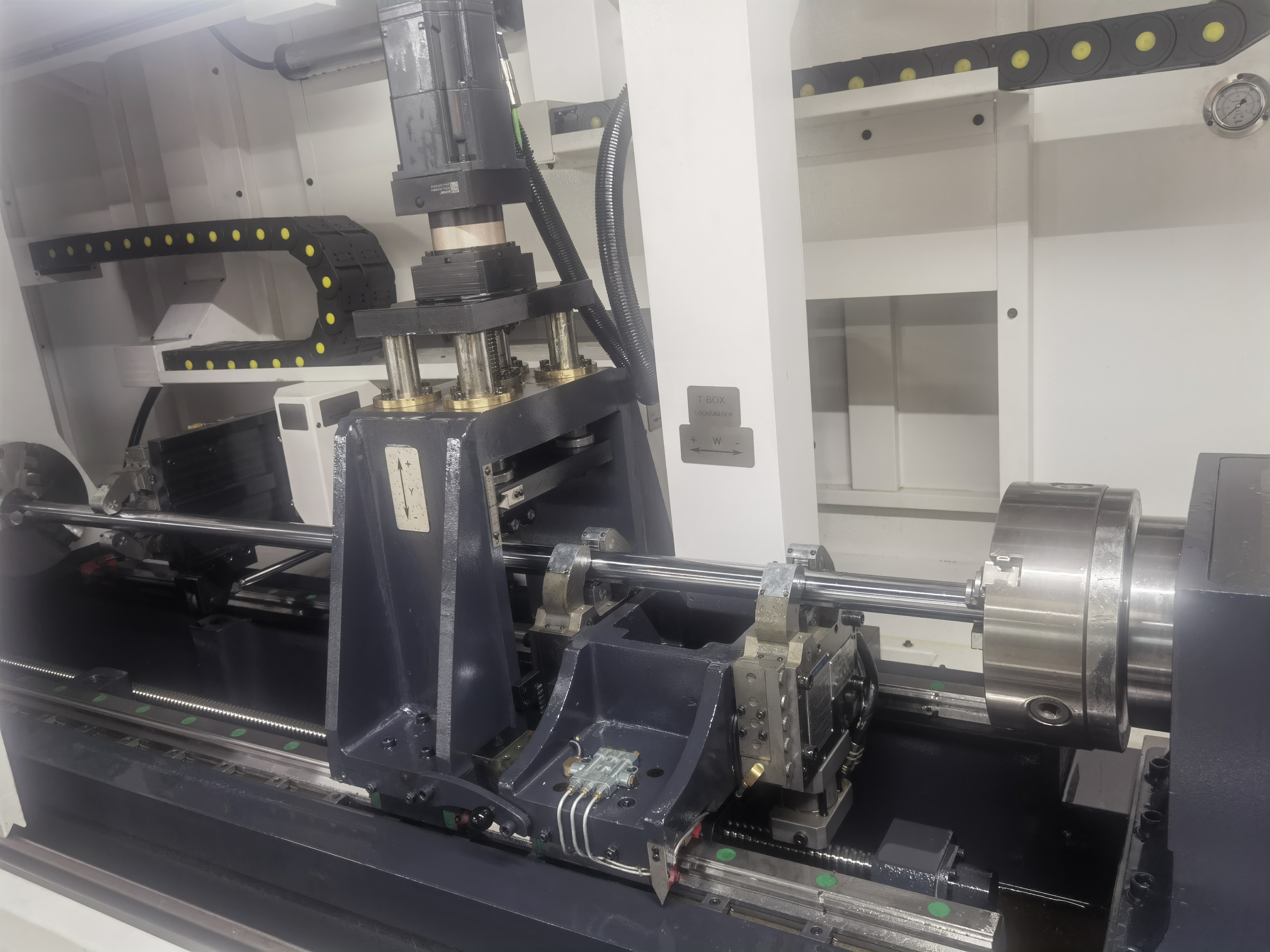
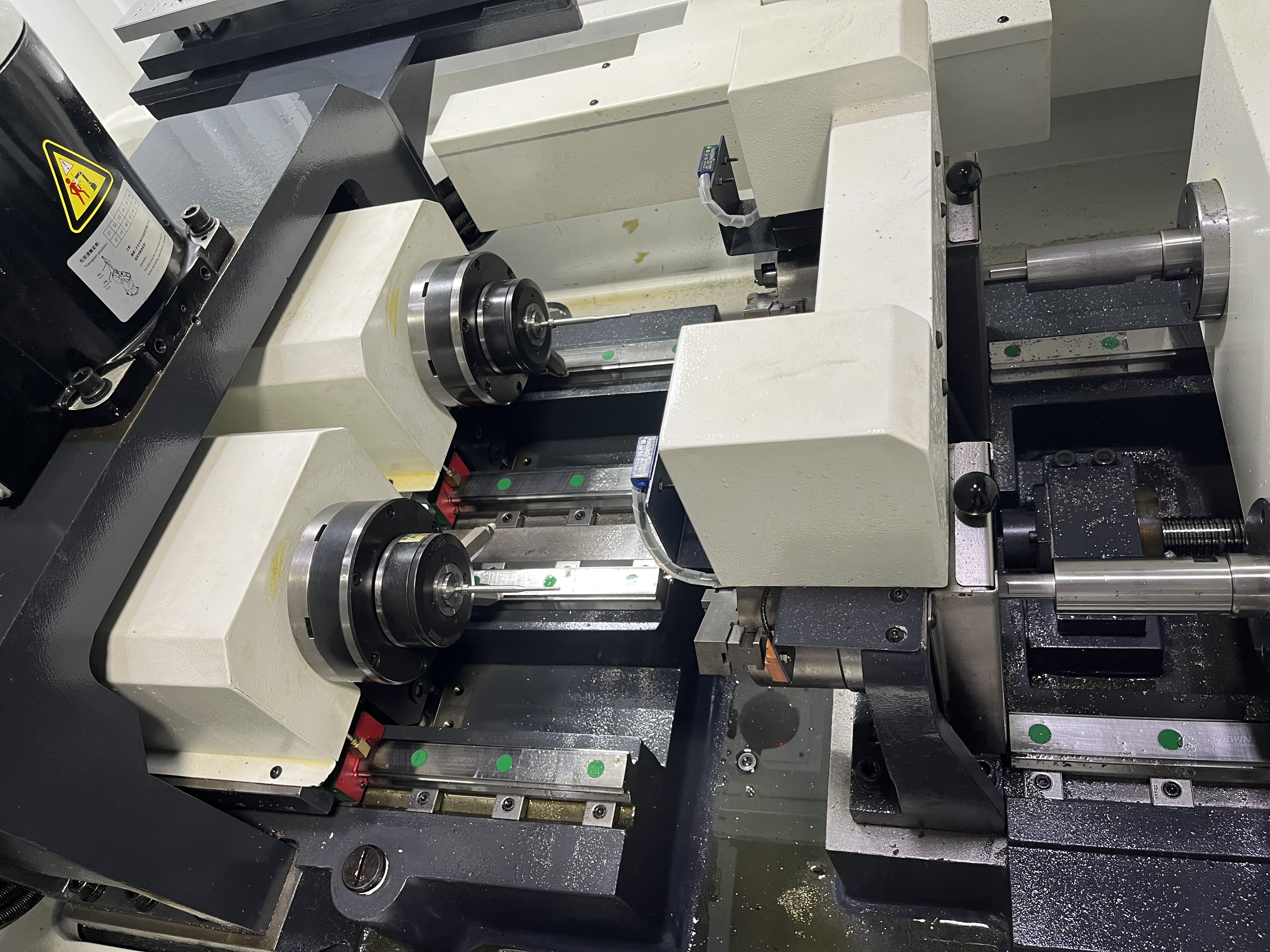
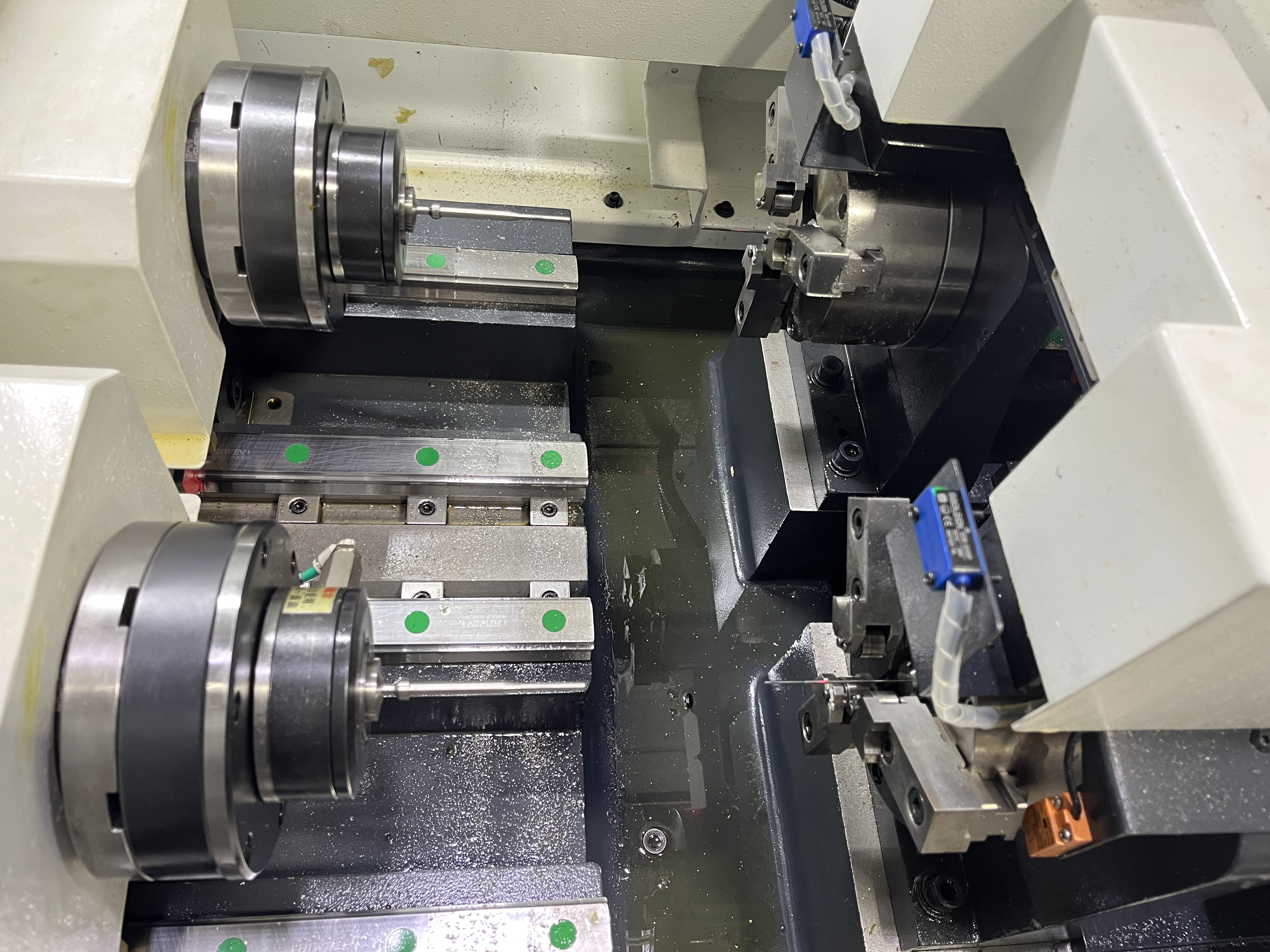
Real problems, real solutions, no fluff. I have spent years working across multiple shops running gun drilling, BTA drilling, and ejector drilling machines — setting up jobs, troubleshooting coolant pressure and chip evacuation issues, drilling deep holes in everything from hydraulic cylinders to aerospace titanium. This site is where I share what I have learned.
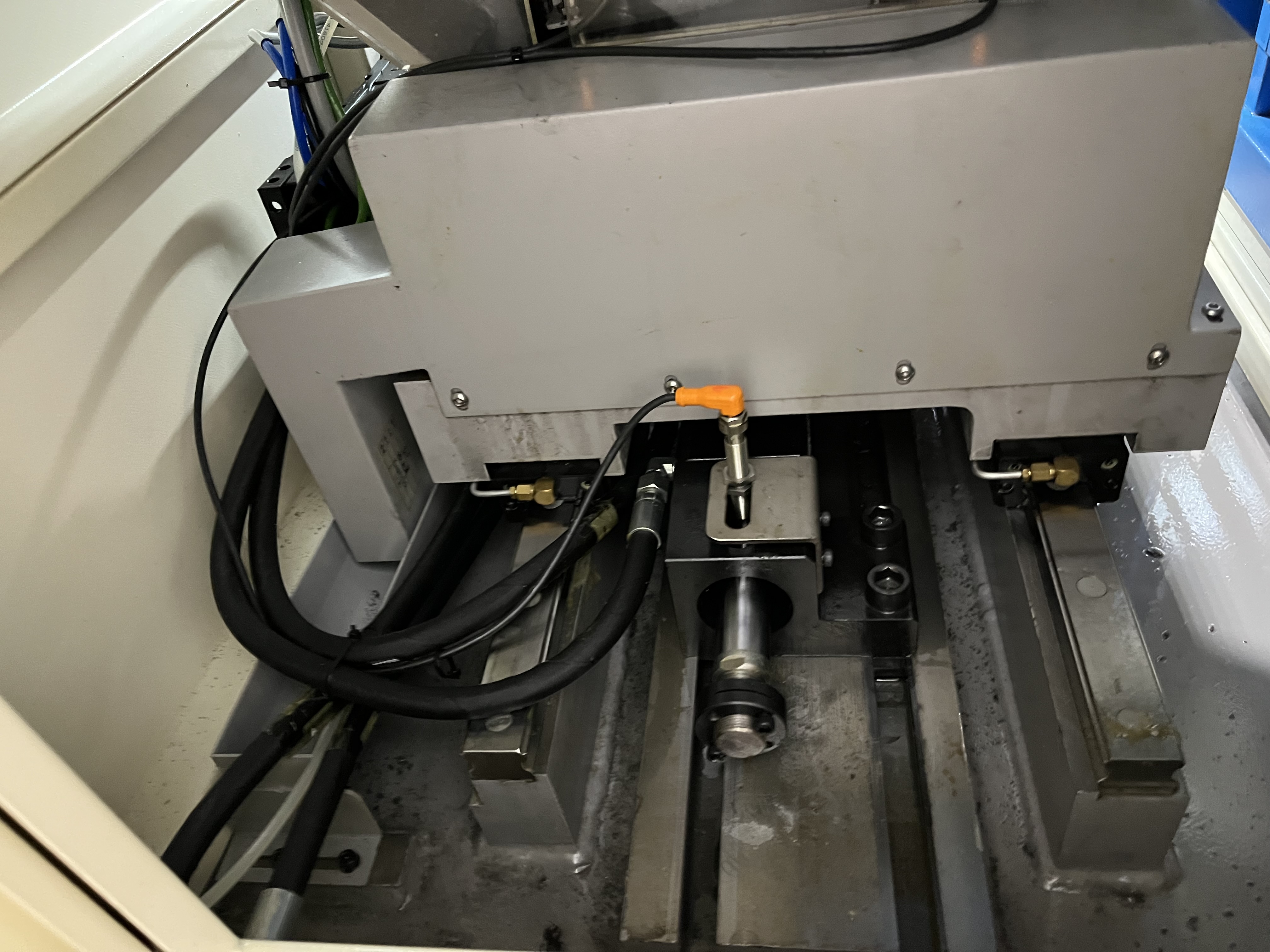
Chip Management Systems for Deep Hole Drilling
I use chip conveyors on production deep hole drilling machines to avoid stopping for chip removal. Deep hole drilling produces a lot of chips — a 50 mm BTA drill running at 0.15 mm/rev generates about 5 kg of steel chips per meter drilled. Without a chip conveyor, the operator spends more time shoveling chips than running the machine. That cost adds up fast on a two-shift operation running multiple deep hole drilling machines. ...
Chip Recycling Economics for Deep Hole Drilling
I separate chips by material to get the best price from the recycler. Mixed material chips are worth considerably less than sorted chips. Deep hole drilling produces a high volume of chips from a single material, which makes the sorting economics particularly good compared to general machining where materials change frequently. Scrap Values by Material The scrap value varies significantly by material type. I track the monthly recycling income for each machine to verify the economics. Here are the typical values I have seen on the commodity market: ...
Choosing Your First Deep Hole Drilling Machine
Buying your first deep hole drilling machine is a significant investment and a major step for any shop. I have helped several shops make this purchase, and I have seen both good decisions and expensive mistakes. The key is matching the machine capability to the work you plan to do while leaving room for growth. Capacity Planning for Your First Machine The most common mistake I see is buying a machine that is too small. Shops focus on the first job they have lined up and buy a machine that barely handles it. Six months later, they turn down work because the machine cannot handle larger diameters or deeper holes. ...
Cobalt Chrome and Superalloy Deep Hole Drilling
I use the slowest speeds and highest coolant pressures for cobalt chrome drilling — and I still expect to change tools frequently. Cobalt chrome and other superalloys are among the most difficult materials to deep hole drill. They are hard, abrasive, and retain heat at the cutting edge because their thermal conductivity is a fraction of steel’s. I have broken more gun drills in cobalt chrome than in everything else combined, and every break taught me something about what this material demands. ...
Common Thread Problems After Deep Hole Drilling
Problem Description Threading deep holes presents problems that don’t exist in shallow holes. The depth amplifies every alignment issue, chip evacuation challenge, and tool deflection problem. I’ve scrapped expensive hydraulic cylinder bodies because a tap broke at 200 mm depth in a 250 mm deep M20 thread. The reclamation cost was nearly as much as the original part value. The three most common thread problems I encounter are tap breakage from trapped chips, poor thread fit from bore taper, and off-axis thread starts. Each has a different root cause and a different fix. Over time I have developed a systematic approach to diagnosing and solving these issues before they cause scrap. ...
Coolant Additives for Deep Hole Drilling: What Works
I use coolant additives to improve cutting performance and extend coolant life in deep hole drilling operations. The right additive makes a noticeable difference in tool life, surface finish, and coolant system reliability. Over the years I have tested various additive combinations and developed guidelines for what works in different applications. Types of Coolant Additives and Their Applications Coolant additives serve specific purposes and are not interchangeable. I use four main categories of additives, each with a specific function and application window. ...
Coolant Foaming: Causes and Solutions in Deep Hole Drilling
Problem Description Foaming robs a high-pressure coolant system of its ability to evacuate chips. The air bubbles in foam take up volume that should be occupied by liquid coolant. I’ve watched a foaming system lose 35% of its chip-carrying capacity — the chips stopped flowing out of the bore and started packing. In deep hole drilling, where chip evacuation depends entirely on coolant flow, foaming is one of the most disruptive problems you can encounter. ...
Coolant Testing Kits and How to Use Them
I test coolant regularly because I learned the hard way what happens when you do not. A batch of hydraulic cylinders came out with stained bores because the coolant pH had dropped too low. The coolant had gone acidic and was etching the steel surface. The customer rejected the whole batch — 45 parts scrap at $80 each. That loss was $3,600 from a $50 testing kit I had on the shelf but was not using. I test religiously now. Here is exactly what I use and how often. ...
Data Collection for Deep Hole Drilling Troubleshooting
Why Data Matters Troubleshooting without data is guessing. I’ve watched operators change tools, adjust feeds, and tweak coolant pressure without any record of what was happening before the problem started. They fix things by accident and never know what actually worked. Good data turns troubleshooting from a guessing game into a comparison exercise. When a problem appears, I compare the current readings to the baseline from when the job was running well. The difference between them points directly at the root cause. ...
Dedicated vs Standard Machine: Cost Comparison for Deep Holes
Choosing between a dedicated deep hole drilling machine and using a standard CNC machine depends on the volume and depth requirements. I have worked with both configurations across multiple shops and the answer is rarely a simple one-size-fits-all. Over the years I have developed a framework for making this decision based on production volume, depth-to-diameter ratio, and tolerance requirements. Cost Breakdown: Dedicated vs Standard Machine A dedicated deep hole drilling machine costs $150,000 to $400,000 new, but the purchase price is only the beginning. When I put together a full cost comparison for a shop considering this investment, I look at several categories beyond the machine itself. ...