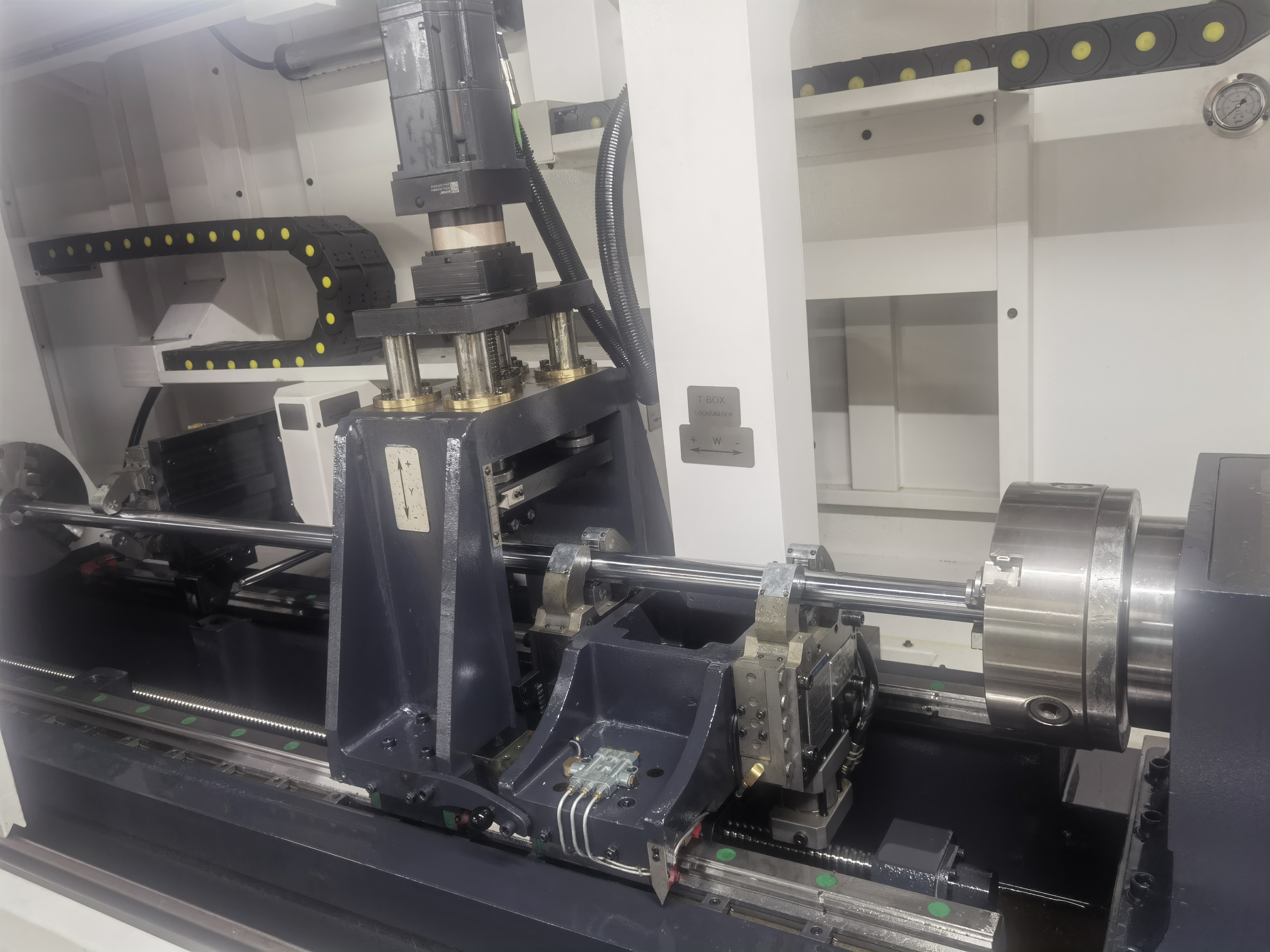
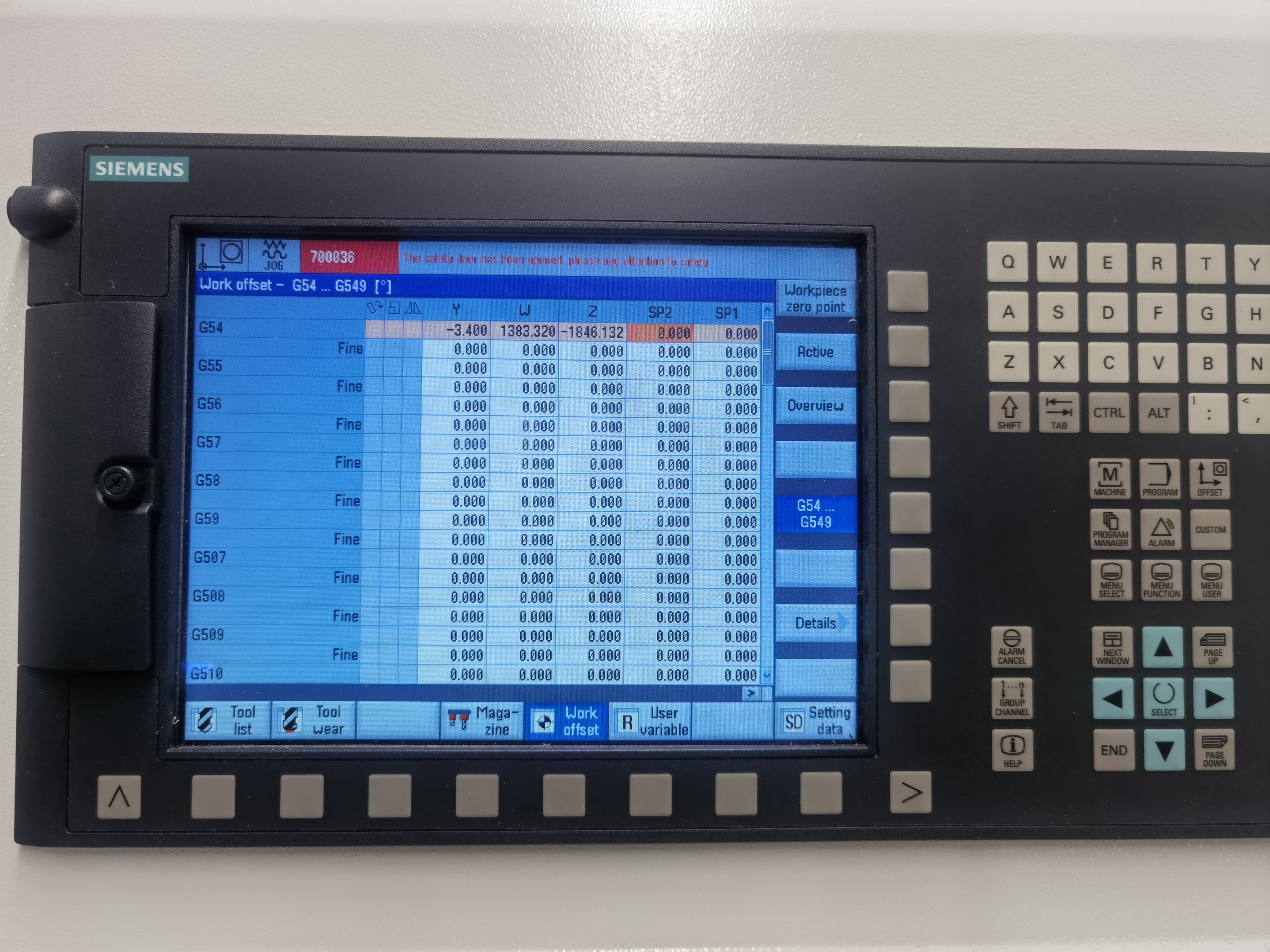
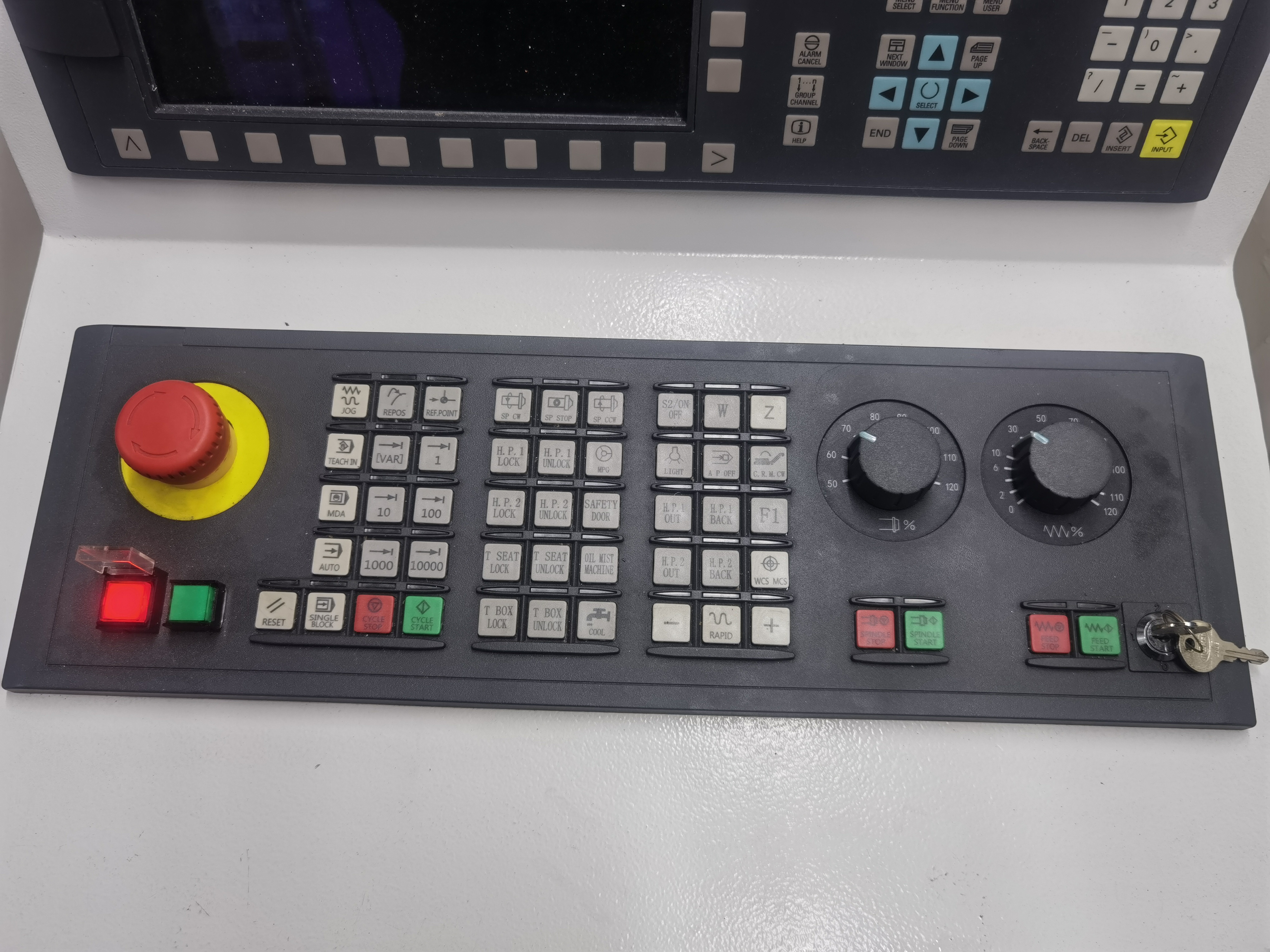
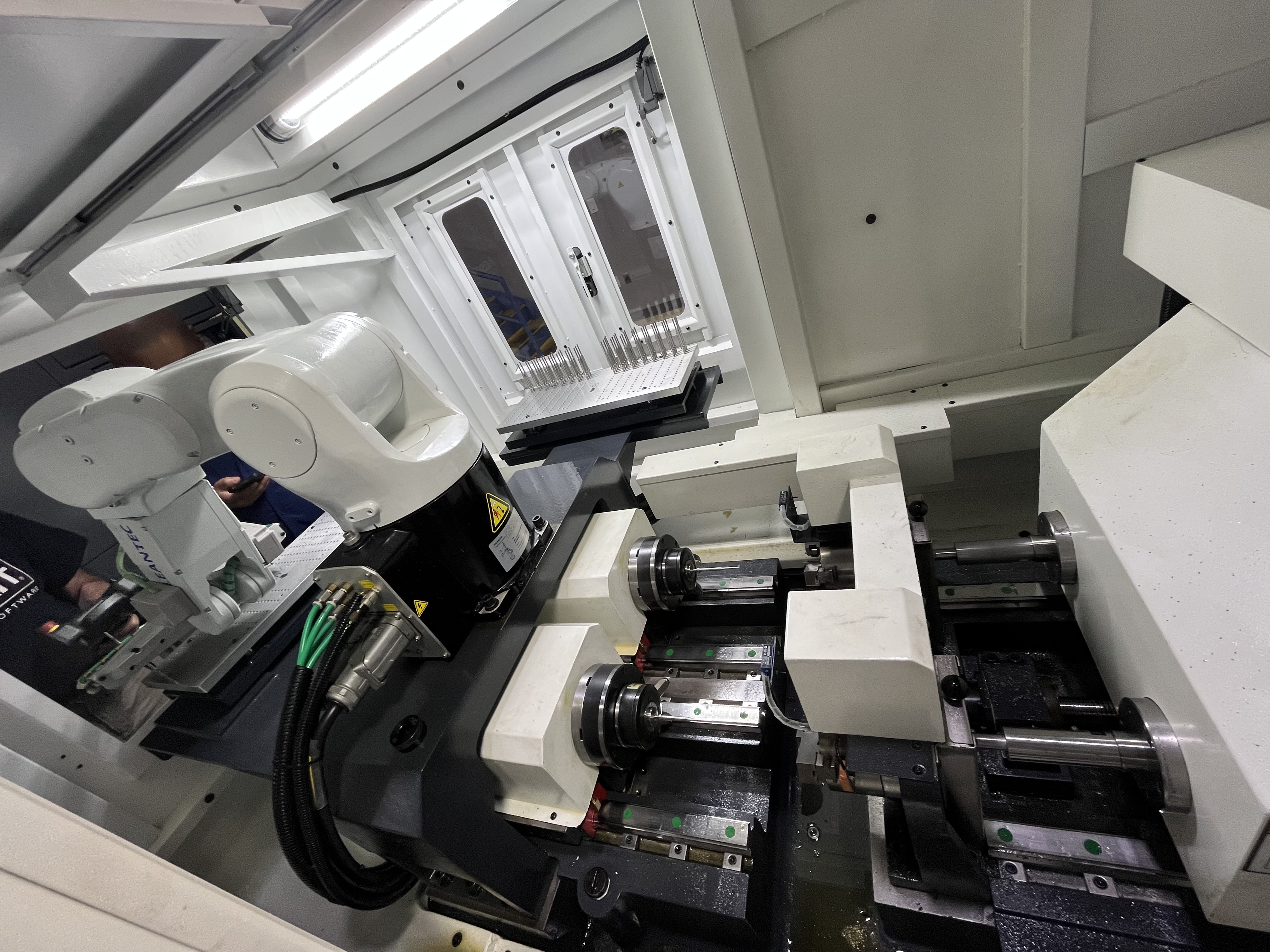
Real problems, real solutions, no fluff. I have spent years working across multiple shops running gun drilling, BTA drilling, and ejector drilling machines — setting up jobs, troubleshooting coolant pressure and chip evacuation issues, drilling deep holes in everything from hydraulic cylinders to aerospace titanium. This site is where I share what I have learned.
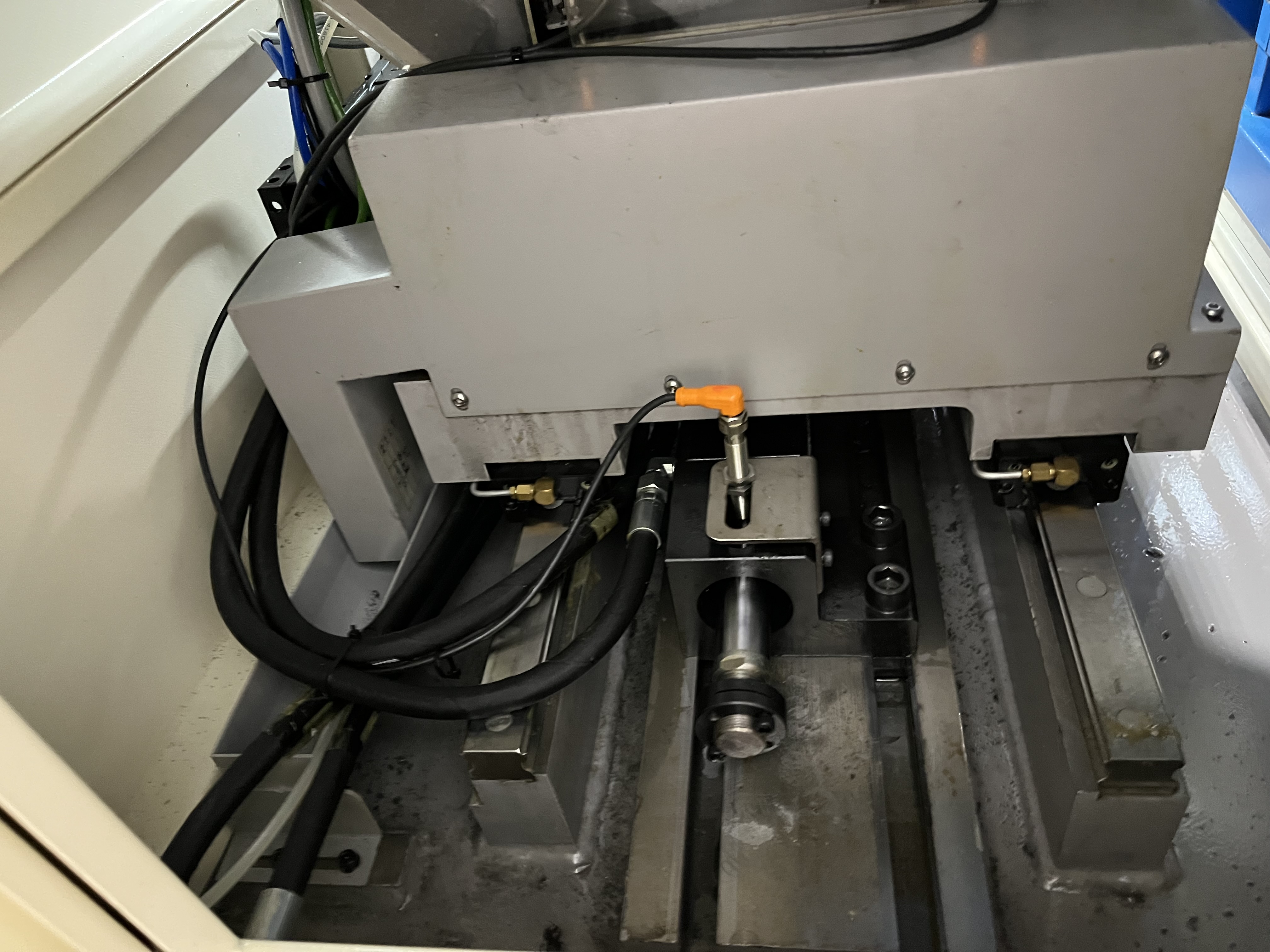
How I Learned to Check the Simple Things First
It was a Tuesday morning in late February, and I was feeling confident. We had a batch of fifty 4140 steel shafts to get through, each requiring a 12mm hole drilled 400mm deep. The machine was a TBT ML-800, which normally runs like a Swiss watch. I had set the job up the day before, everything was dialed in, and I was ready to make chips. First hole of the day came out at 0.15mm off position. Not terrible, but not within our tolerance of 0.08mm. I tweaked the alignment, ran another part. This one was 0.12mm off. Then the third hole was 0.18mm off at the bottom. Something was wrong. ...
How to Choose a Gun Drill Regrind Service
Problem Description A bad regrind ruins a gun drill faster than any cutting parameter mistake. I’ve sent drills out for resharpening and got back tools that couldn’t hold size for more than 10 parts. The tip geometry was wrong — the clearance angle was 2 degrees off and the drill rubbed instead of cutting. Gun drills have complex geometry: tip angle, outer clearance angle, inner clearance angle, chip breaker height, and coolant hole positioning. A regrind service that treats them like standard twist drills will destroy the tool geometry in one pass. ...
How to Measure and Correct Tool Runout
What Tool Runout Does to Your Holes Tool runout is the amount the drill wobbles off its true center of rotation. A drill that runs true produces a round hole at the nominal diameter. A drill with runout produces an oversized, bell-mouthed, or irregular hole. I have measured the relationship between runout and hole size many times. A runout of 0.02mm at the drill tip produces a hole that is 0.03-0.05mm oversized. The extra material removal wears the tool faster and leaves a poorer surface finish. ...
Hydraulic Cylinder Hone Stock Allowance Guide
After BTA drilling a hydraulic cylinder bore, the bore gets honed to final size. The amount of material left for honing — the hone stock — affects both the drilling and honing operations. I have worked through hundreds of cylinder barrels across multiple material grades, and the hone stock decision has a direct impact on cycle time and scrap rate. Leave too much stock and the hone takes too long. The honing stones load up, the abrasive wears unevenly, and the operator has to make multiple passes to bring the bore down to size. Leave too little and the drill might not clean up — the bore could have a low spot that never gets addressed by the hone, ruining the seal surface. ...
Inconsistent Regrind Quality: How to Spot and Fix Problems
Inconsistent regrind quality is a problem that I have dealt with from both in-house grinding and external regrind services. The symptoms are hard to diagnose because they look like machine problems — one drill runs perfectly, the next one breaks after three holes, and the only variable is the regrind quality. I started inspecting every reground drill before it goes into production, and the tool breakage rate dropped by half. ...
Laser Calibration for Deep Hole Drilling Machines
Laser calibration measures the actual machine geometry against the ideal. It catches errors that mechanical methods — dial indicators, test bars, and squares — miss entirely. I’ve used laser calibration on deep hole drilling machines after major moves, spindle repairs, and when chasing accuracy problems. The results have saved me weeks of guesswork. What Laser Calibration Measures A laser calibration system measures three critical aspects of machine geometry: Linear positioning accuracy. The laser measures the actual position of each axis against the commanded position. This catches pitch error in ball screws, encoder errors, and thermal drift. A laser interferometer is accurate to within 0.001mm over a 1-meter travel. ...
Lockout/Tagout Procedures for Deep Hole Drilling Machines
Why LOTO Is Critical on Deep Hole Drills Lockout/tagout is standard safety on any machine tool. Deep hole drilling machines add two hazards that make LOTO especially critical: trapped high-pressure coolant and separately-powered coolant pumps. A deep hole machine can hold 500-1000 psi of residual coolant pressure after the pump shuts off. The pressure is trapped in the filter housing, the rotating union, and the supply lines. Opening a fitting without bleeding the pressure first releases a jet of coolant that can inject through skin. ...
Lubrication Systems for Deep Hole Drilling Machines
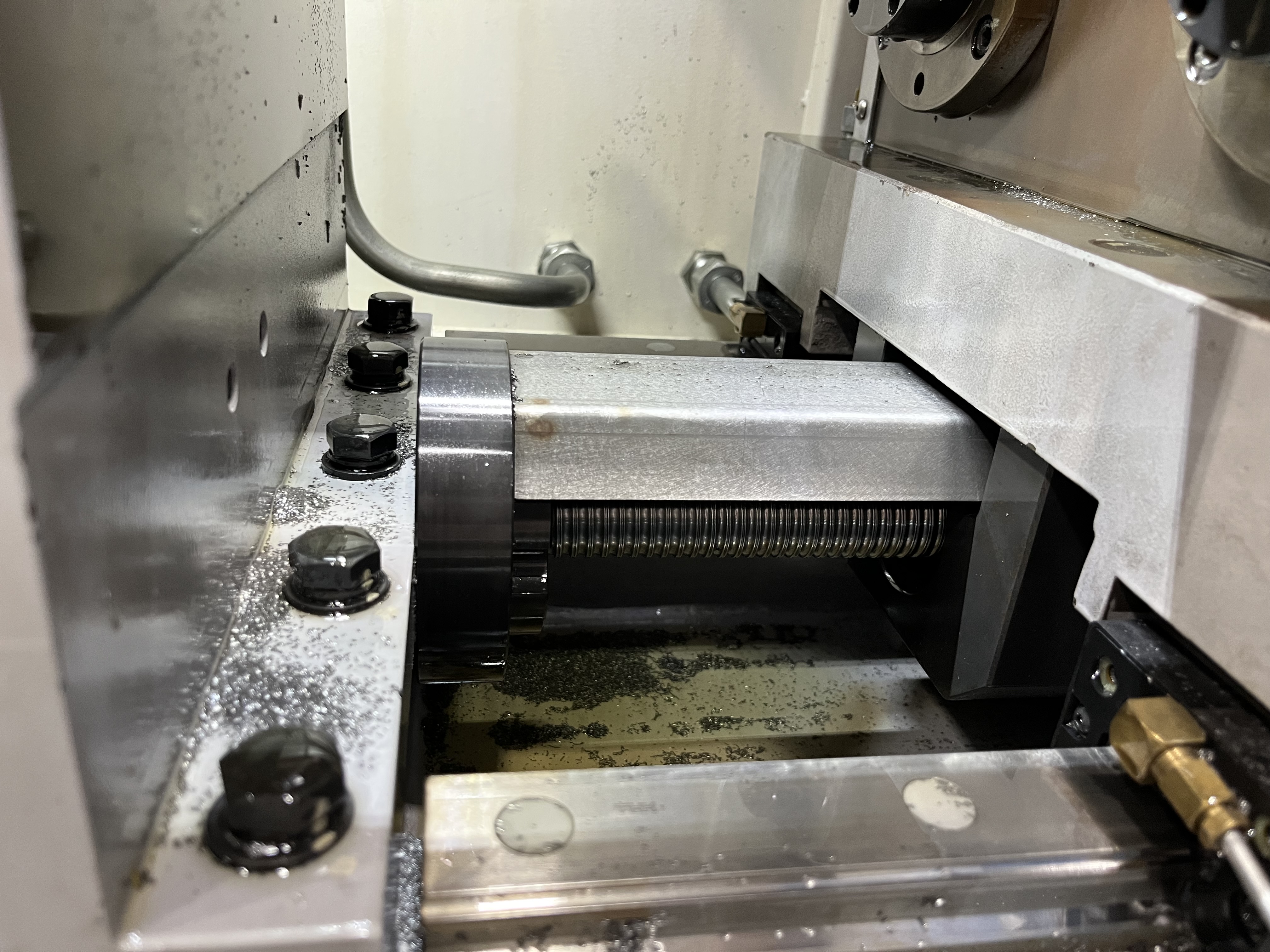
Deep hole drilling machines need lubrication for the bed ways, ball screws, guide bushings, and spindle bearings. I have worked on machines where poor lubrication caused thousands of dollars in way damage, and I have also seen well-maintained machines hold their original alignment for over a decade. The difference comes down to having the right lubrication system and following a consistent schedule. A deep hole drilling machine faces higher coolant exposure and more abrasive conditions than a standard CNC, so the lubrication demands are more rigorous. ...
Machine Calibration Frequency and Procedures
Regular calibration keeps the machine producing accurate holes. I have seen machines drift out of alignment by 0.02mm over a few months of heavy use, which is enough to affect hole position on long jobs requiring tight tolerances. I follow a structured calibration schedule that catches problems early, before they cause scrap. Here is the schedule I use and the procedures I follow for each check. Weekly: Spindle Runout Check The most frequent check is spindle runout. I measure the radial runout at the spindle taper or tool holder interface using a dial indicator with a 0.001mm resolution. ...
Machine Noise Diagnosis: What Different Sounds Mean
Machine sounds are a diagnostic tool that requires no instruments and no cost. I listen to the machine at the start of every shift and note any changes from the normal sound. Over years of doing this, I have learned to recognize specific sounds and associate them with specific problems. Catching a problem by sound before it causes a failure saves downtime and repair cost. Sound Types and Their Causes Different machine problems produce different sounds. I have categorized the sounds I hear most often on deep hole drilling machines and their most likely causes. ...