Deep Hole Drilling

Deep Hole Drilling Tech Blog

Real problems, real solutions, no fluff. I have spent years working across multiple shops running gun drilling, BTA drilling, and ejector drilling machines — setting up jobs, troubleshooting coolant pressure and chip evacuation issues, drilling deep holes in everything from hydraulic cylinders to aerospace titanium. This site is where I share what I have learned.
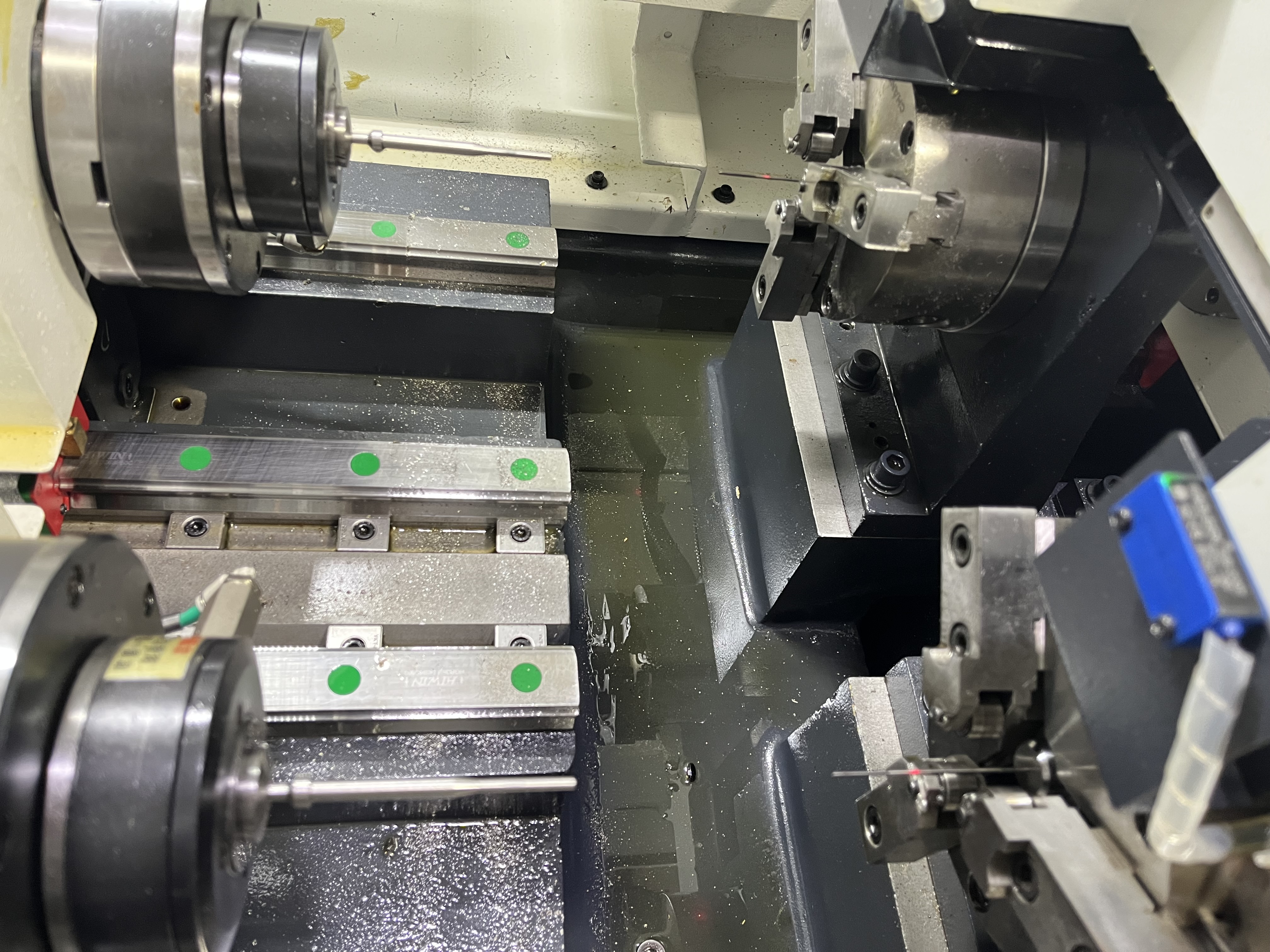
Machine Vibration: Causes and Corrective Actions

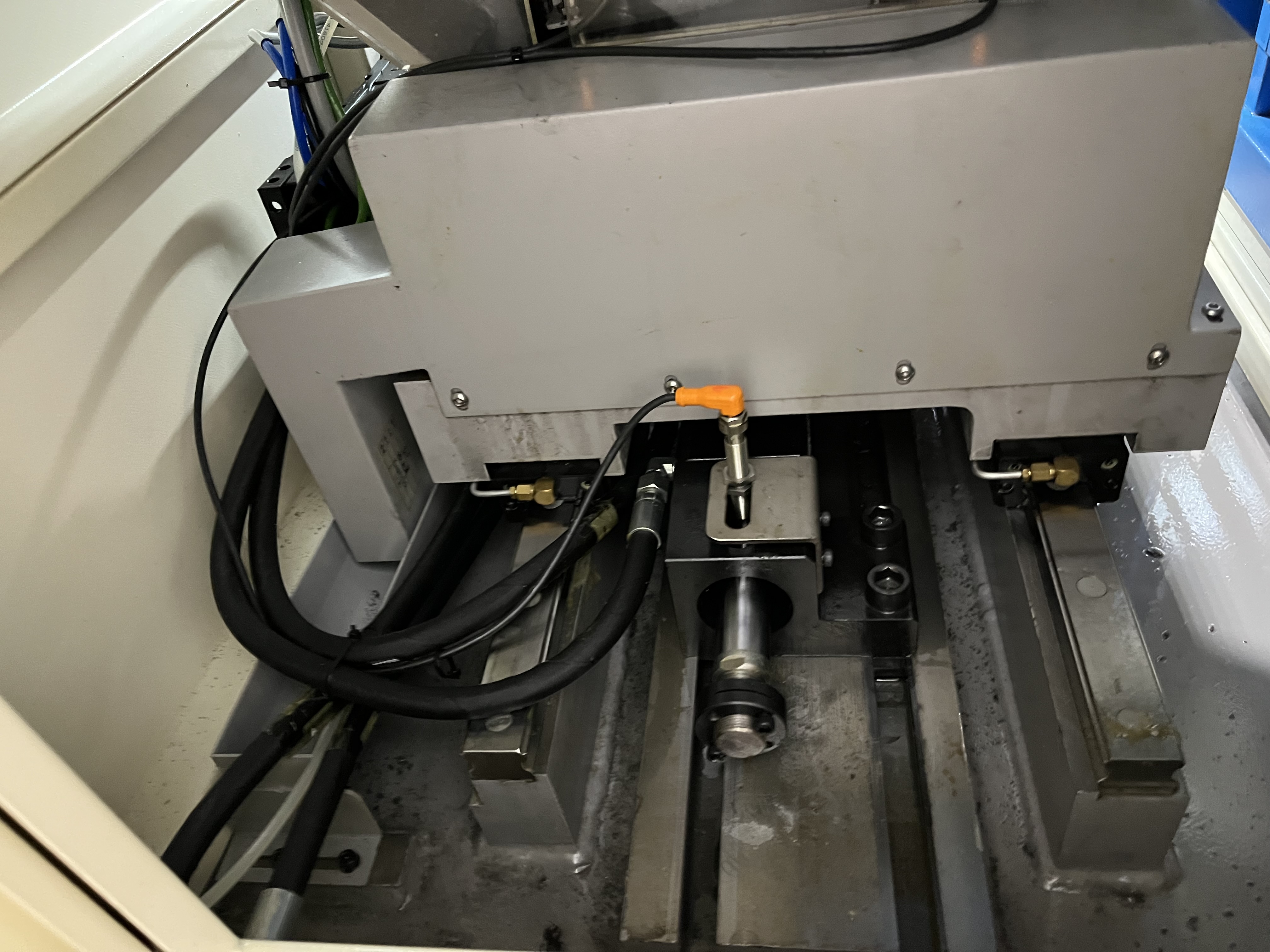
Machine vibration during deep hole drilling causes chatter marks on the bore surface and reduces tool life. I have traced most vibration problems to three root causes: foundation issues, worn bearings or drive components, and workpiece resonance. Each cause produces a different vibration pattern, and identifying the pattern is the first step toward a fix. Vibration Diagnosis by Pattern I have learned to recognize vibration patterns by observing the chatter marks on the bore surface and feeling the machine during operation. The following table summarizes the patterns I have encountered and their most likely causes. ...

June 12, 2026 · Engineer at the Deep Hole

Material Certification Verification for Critical Deep Hole Jobs

Why Certification Verification Matters Material certification verification is not paperwork. It is a quality check that prevents scrapped parts, broken tools, and failed components. I have seen the consequences of skipping this step. A material that does not match the print specification can fail under load, especially in aerospace and medical applications where the margin of safety is small. But even in less critical applications, wrong material causes machining problems. ...

June 12, 2026 · Engineer at the Deep Hole

Operator Certification Programs for Deep Hole Drilling

I set up an operator certification program at a shop that was having quality consistency problems between shifts. The day shift produced good parts with scrap rates around 2 percent. The night shift regularly scrapped 8 to 12 percent of parts. The machines and programs were identical between shifts, so the problem was clearly in how the operators were running the jobs. The certification program was designed to bring every operator up to the same standard. Deep hole drilling demands specific skills that general machining certification does not cover, so I built the program from scratch. ...

June 12, 2026 · Engineer at the Deep Hole

Planning a Deep Hole Drilling Job: Step by Step

I plan each job in seven steps before touching the machine. Good planning prevents problems during production. I have learned through experience that skipping any of these steps leads to scrapped parts and broken tools. I developed this checklist after enough failures to know better. Here is my complete planning process for a deep hole drilling job. Step 1: Review the Print I start with the print review. I check hole diameter, depth, tolerance, surface finish, and material grade. These five factors determine everything else in the plan. ...

June 12, 2026 · Engineer at the Deep Hole

Power Consumption Monitoring for Tool Wear Detection

Why Power Consumption Tracks Wear As a gun drill wears, the cutting edge dulls. A dull edge requires more force to shear the material, and the spindle motor draws more power to maintain the programmed RPM. The power increase is proportional to the edge wear. I have verified this relationship by measuring power consumption against measured edge wear across dozens of tools. The correlation is consistent enough that I trust the power reading as a wear indicator without stopping the machine to inspect the edge. ...

June 12, 2026 · Engineer at the Deep Hole

Reducing Cycle Time in Deep Hole Drilling: Practical Tips

Cycle time reduction in deep hole drilling is a balancing act between speed and reliability. I have reduced cycle times by 30-40% on some jobs without degrading hole quality, but pushing too hard causes tool breakage and scrap. The key is knowing which parameters to change and in what order. Problem Description Deep hole drilling is inherently slow compared to conventional drilling. The depth-to-diameter ratio limits the feed rate, the peck cycle adds retract time, and the need for chip evacuation constrains the speed. The challenge is reducing the time per hole without causing chip blockages, tool breakage, or surface finish defects. ...

June 12, 2026 · Engineer at the Deep Hole

Repairing Damaged Deep Holes: Methods and Limits

When Repair Makes Sense Not every bad hole is scrap. I try to repair a bad hole before scrapping a high-value part, especially when the part is large, complex, or made from expensive material. Repairing a deep hole is almost always cheaper than scrapping a part that may have hundreds of dollars of material and hours of machining already invested. The decision to repair depends on three factors: how much material can be removed, how deep the defect extends, and what tools are available to reach the defect. I have successfully repaired holes up to 2 meters deep, but only when the right tooling was available. ...

June 12, 2026 · Engineer at the Deep Hole

Risk Assessment for Deep Hole Drilling Operations

I do a risk assessment before every new job setup. It takes 30 minutes and identifies hazards that might otherwise be overlooked. In my experience, the jobs where I nearly skipped the assessment are the ones that would have bitten me. I use a structured hazard register rather than a mental checklist because it leaves a record that can be reviewed later if something does go wrong. Hazard Identification The main hazards on a deep hole drilling machine fall into six categories. I walk through each category systematically during the risk assessment: ...

June 12, 2026 · Engineer at the Deep Hole

Root Cause Analysis for Deep Hole Drilling Problems

Why Root Cause Analysis Matters Root cause analysis (RCA) is the difference between fixing a problem once and fixing it over and over. I have seen the same broken drill, the same oversized hole, and the same surface finish problem recur because someone fixed the symptom instead of the cause. A symptom is what you see. A broken drill is a symptom. The root cause is why the drill broke. Fixing the symptom means putting in a new drill. Finding and fixing the root cause means the new drill does not break again. ...

June 12, 2026 · Engineer at the Deep Hole

Safety Inspection Checklist for Deep Hole Drilling Machines

I use a tiered safety inspection checklist for every deep hole drilling machine in the shop. The inspections are divided into daily, weekly, monthly, and quarterly checks. Each level covers different aspects of machine safety, and the total time investment is about five minutes per day plus 30 minutes per week. The time is well spent — I have caught loose hoses, failing interlocks, and low coolant levels before they caused injuries or damage. ...

June 12, 2026 · Engineer at the Deep Hole