Real problems, real solutions, no fluff. I have spent years working across multiple shops running gun drilling, BTA drilling, and ejector drilling machines — setting up jobs, troubleshooting coolant pressure and chip evacuation issues, drilling deep holes in everything from hydraulic cylinders to aerospace titanium. This site is where I share what I have learned.
BTA Tooling Design: Heads, Drivers, and Support Pads
BTA tooling has more components than gun drilling tooling. The cutting head, drill tubes, guide pads, and driver system all need to work together for successful drilling. Here is what I have learned about each component after years of BTA drilling on production jobs. BTA Cutting Head Types BTA cutting heads come in several configurations. The right head type depends on the diameter range and material. Head Type Diameter Range Cutting Edges Best For Standard single-tube 18 - 200 mm 2 - 4 General purpose steel and cast iron Multi-edge roughing 50 - 300 mm 4 - 6 High-feed roughing in mild materials Indexable insert head 20 - 150 mm 2 - 4 Quick insert changes, production runs Brazed carbide head 12 - 40 mm 2 Small diameters, hard materials Stepped head 30 - 150 mm 2-step design Reducing thrust on low-power machines I run standard single-tube heads for most jobs in the 20-100 mm range. The indexable insert version is my go-to for production runs because I can change inserts at the machine without pulling the tool from the spindle. On one aerospace job in 15-5 PH stainless, the indexable head saved 15 minutes per insert change compared to a brazed head. ...
BTA vs Gun Drill Machines: Design Differences That Matter
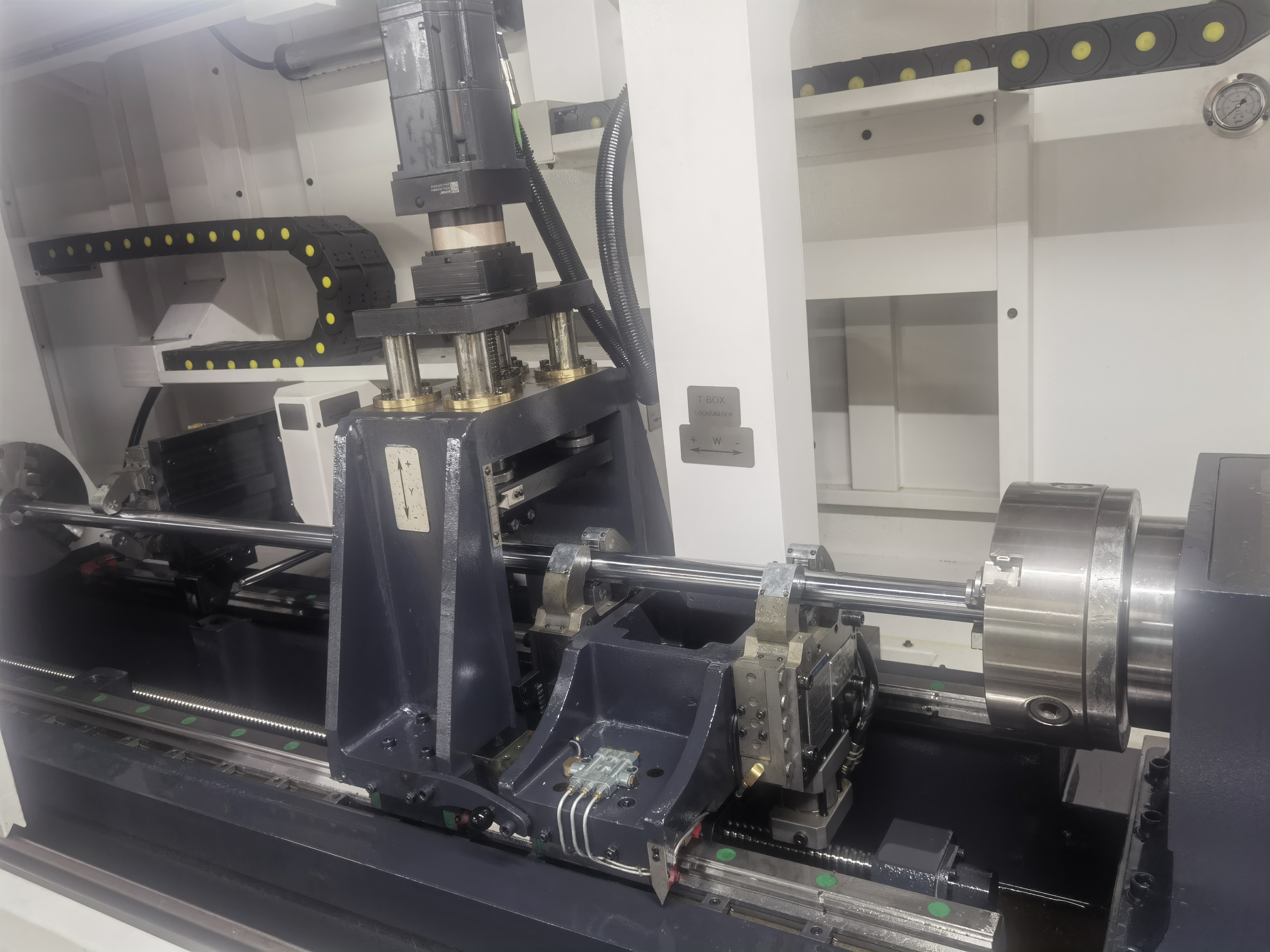
BTA drilling and gun drilling use different tools, different coolant systems, and different machine designs. I’ve run both types extensively, and the differences in the machines are more than just the spindle RPM range. Here’s what I’ve noticed about the design differences and why they matter. Spindle Design Gun drilling machines have high-speed spindles — typically 5000-12,000 RPM — with lower torque. They’re designed for small-diameter drills that need high surface speed but can’t take high feed force. ...
Carbide vs HSS Gun Drills: Which Is Right for Your Job
I use carbide for production and HSS for prototypes. That rule of thumb has served me well across hundreds of jobs, but the real answer depends on material, volume, hole geometry, and your shop’s tolerance for risk. Gun drills are made from either carbide or high-speed steel. Each has distinct advantages, and picking the wrong one costs time and broken tools. Here is what I have learned from running both in production. ...
Center Drilling vs Spot Drilling for Deep Hole Start
The pilot hole that guides the gun drill at entry determines the accuracy of the entire deep hole operation. I use center drilling for rotating parts and spot drilling for stationary parts. Getting this choice wrong creates problems that cannot be fixed later. Center Drilling: When and How to Use It Center drilling uses a combined drill and countersink tool to create a conical starting hole matching the gun drill tip angle. I use center drilling for rotating workpieces — shafts, axles, and cylindrical parts. ...
Centralized vs Individual Coolant Systems for Deep Hole Drilling
One decision that comes up in shops with multiple deep hole drilling machines is whether to use individual coolant systems or a central system. I’ve worked in shops with both setups, and each approach has trade-offs that depend on the number of machines, the type of work, and the shop layout. Individual Systems Each machine has its own coolant pump, tank, filter, and chiller. This is the standard configuration that most machine builders ship. ...
Chip Breaking Mechanisms in Deep Hole Drilling
I adjust feed rate to control chip breaking more than any other single parameter in deep hole drilling. Chip breaking is essential for deep hole drilling because the entire process depends on reliable chip evacuation through a narrow flute or inner tube. Long stringy chips pack up in the flute and cause tool breakage in seconds. Short broken chips evacuate easily, and consistent chip breaking is what separates a stable deep hole drilling process from a nightmare of broken tools and scrapped parts. ...
Chip Clogging in Gun Drilling: Three Root Causes I See Most Often
Why Chip Clogging Is the #1 Problem After dealing with chip clogging on maybe fifty different jobs across gun drilling and BTA, three root causes keep showing up. Chip clogging accounts for roughly 60% of all troubleshooting calls I handle. When chips pack in the flute or bore, coolant flow stops, torque spikes, and the tool breaks within seconds. The mechanism is simple: the drill generates chips faster than the coolant stream pushes them out of the bore. The chips accumulate, jam against the drill body, and block the chip flute entirely. Once the flute is blocked, coolant cannot reach the cutting edge and the drill fails almost instantly. ...
Chip Formation in Deep Hole Drilling: What Good Chips Look Like
I read chip shape to tell whether my parameters are correct. I have caught three imminent drill failures this year alone by spotting a change in chip color before the tool broke. Chip shape is the best indicator of process health in deep hole drilling. Good chips mean good parameters. Bad chips mean trouble. There is no sensor on the machine that tells you what chip shape tells you. I check chips at every tool change on production runs — it takes about five seconds and tells me more about process health than any gauge on the machine. ...
Chip Guard Safety: Protecting Operators from High Pressure Coolant
Chip guards are the physical barriers that protect operators from flying chips, high-pressure coolant spray, and rotating parts. On deep hole drilling machines, the guards need to be designed for the specific hazards of the process. I’ve seen both good and bad guard designs. A well-designed guard keeps the operator safe without interfering with production. What the Guard Needs to Contain On a deep hole drilling machine, the guard must contain: ...
Choosing a Deep Hole Drilling Machine for Automotive Production
I’ve worked with a fair range of deep hole drilling machines in automotive settings — single-spindle job shop machines, multi-spindle production lines, and everything in between. Each type has its place. The question is matching the machine to the production volume and the part complexity. Automotive parts have specific requirements that set them apart from general deep hole drilling. The volumes are higher, the tolerances are tighter, and the cost per part matters more. I have seen a 0.01 mm difference in hole position scrap an entire batch of transmission valve bodies. ...