Deep Hole Drilling

Deep Hole Drilling Tech Blog

Real problems, real solutions, no fluff. I have spent years working across multiple shops running gun drilling, BTA drilling, and ejector drilling machines — setting up jobs, troubleshooting coolant pressure and chip evacuation issues, drilling deep holes in everything from hydraulic cylinders to aerospace titanium. This site is where I share what I have learned.

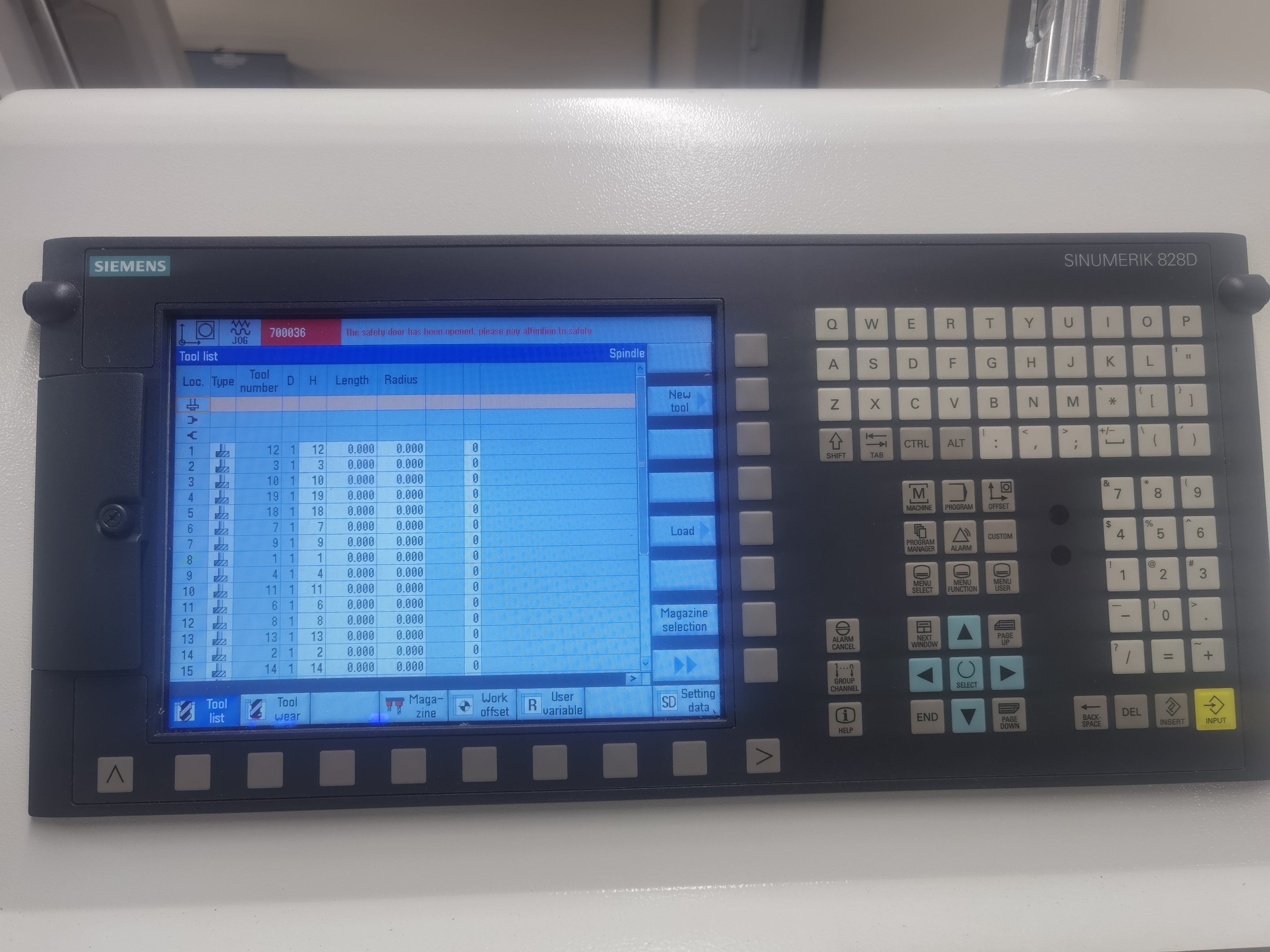
CNC Controls for Deep Hole Drilling: What Matters

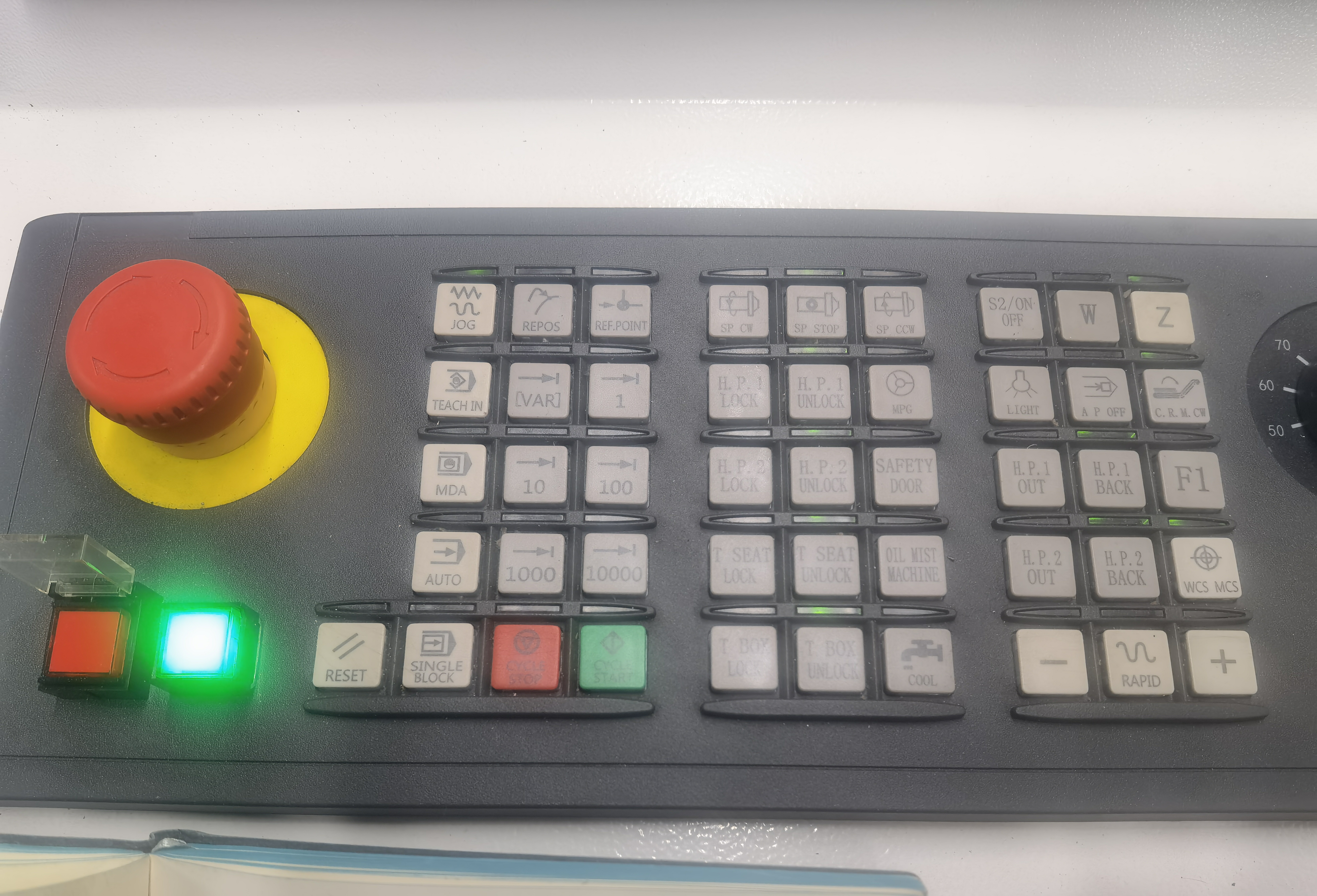
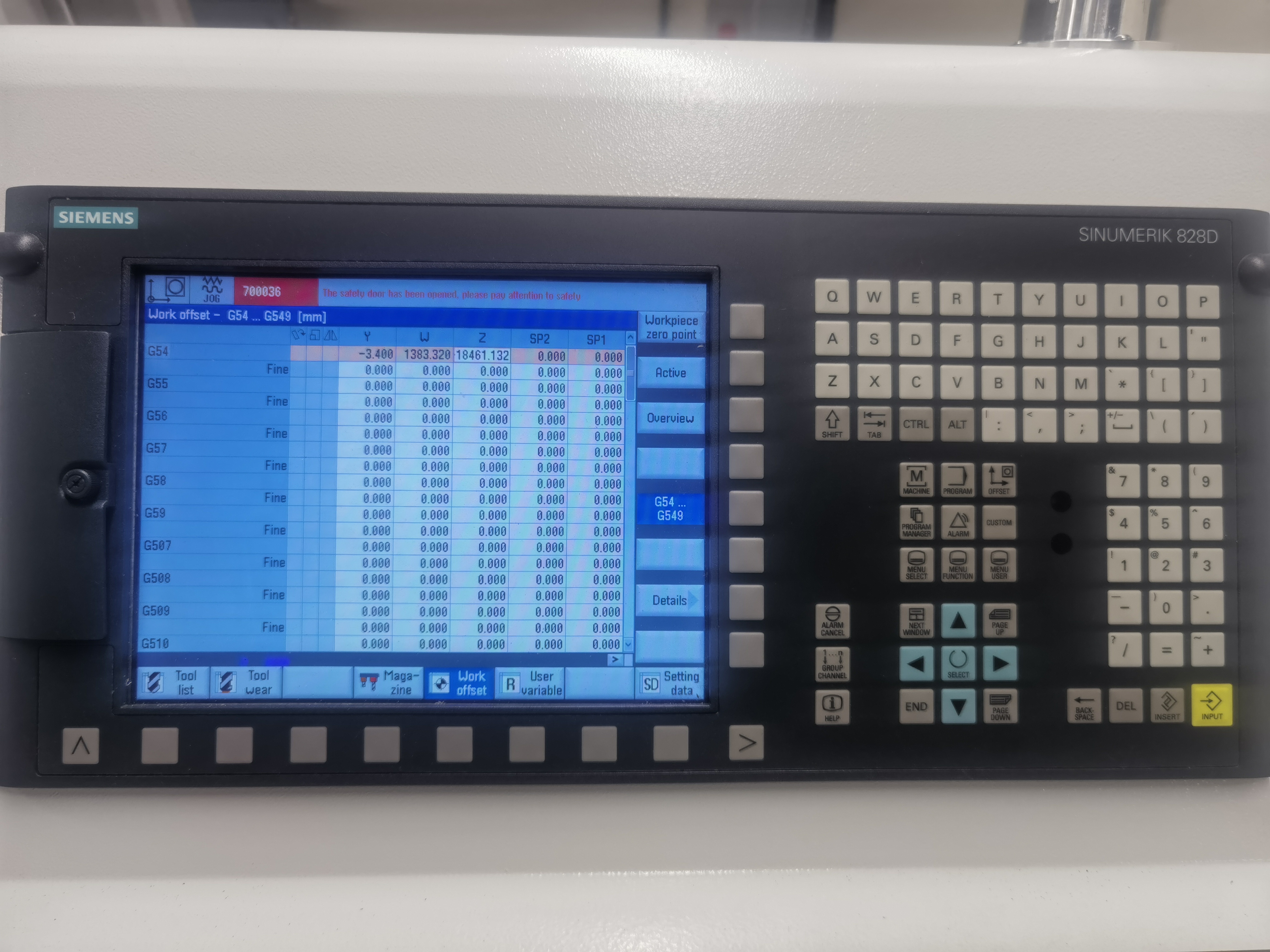
The CNC control is the interface between the operator and the machine. For deep hole drilling, the control needs specific features that general machining centers don’t always have. I’ve worked with FANUC, Siemens, and Heidenhain controls on deep hole drilling machines. Each has its strengths. What Deep Hole Drilling Needs A CNC control for deep hole drilling needs: Pecking cycles. The control should support programmable peck depth, retract distance, and feed rate for each peck. Variable feed. The ability to reduce feed at entry and exit, where the cutting forces change. Spindle load monitoring. The control should monitor the load on the spindle and trigger an alarm or stop if the load exceeds a threshold. Coolant pressure monitoring. The control should monitor coolant pressure and stop the machine if pressure drops below a set point. Tool life management. The control should track the number of holes drilled per tool and remind the operator to change tools at the right interval. These features are available on most modern CNC controls, but they need to be set up correctly for deep hole drilling applications. ...
June 11, 2026 · Engineer at the Deep Hole

CNC Deep Hole Drilling: Machine Types Compared

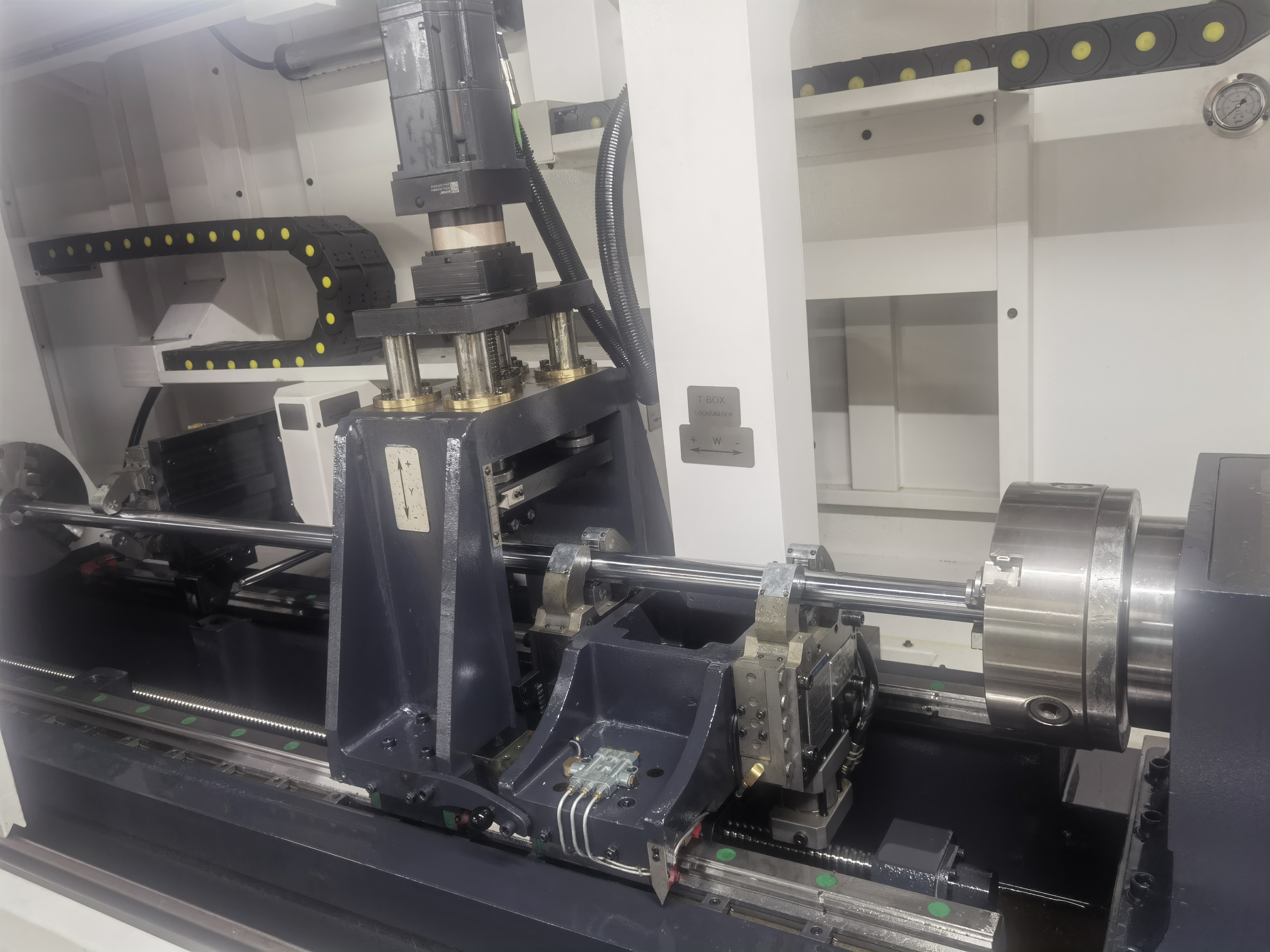
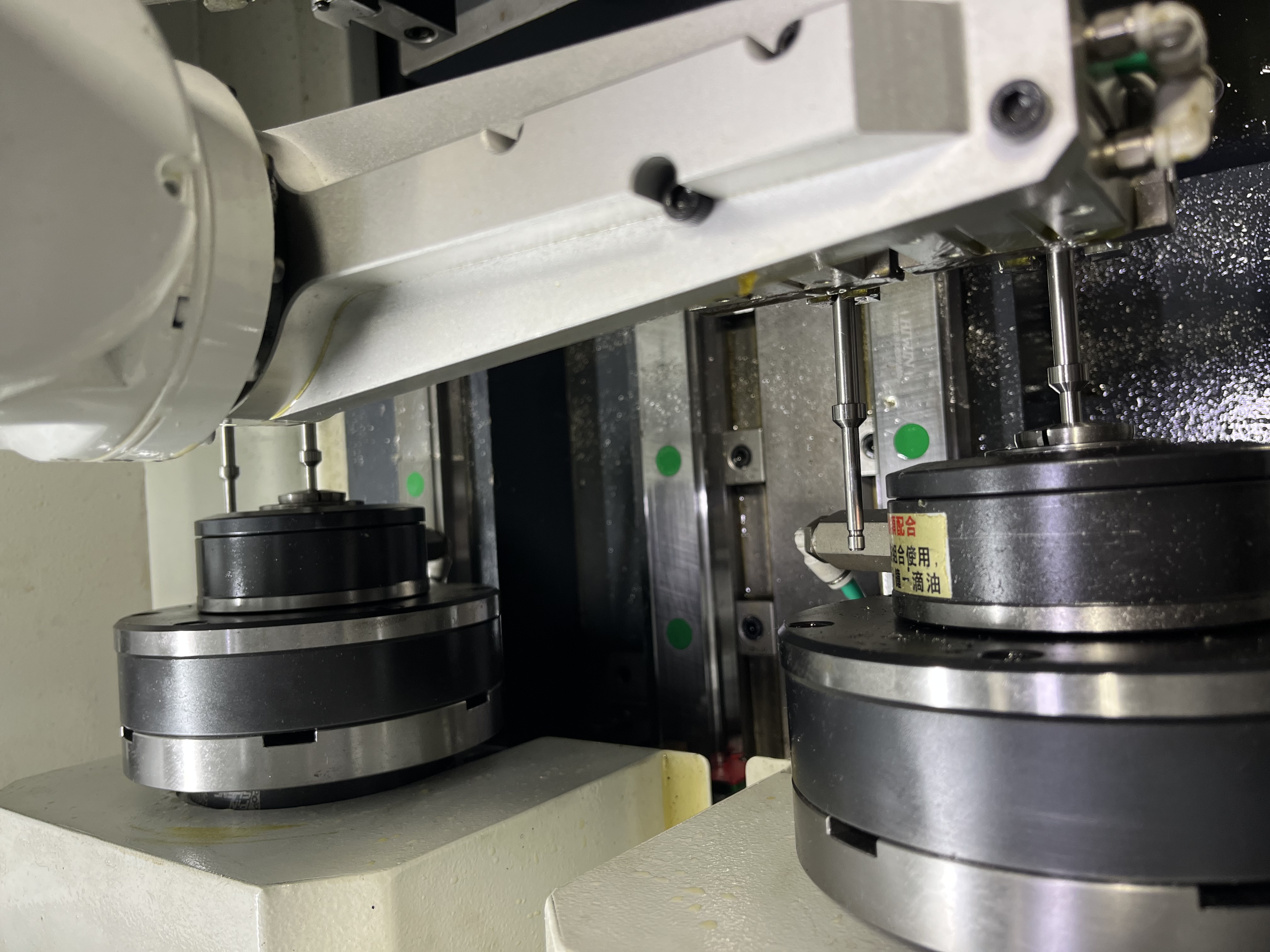
I’ve run deep hole drilling machines from most of the major builders — TBT, UNISIG, Mollart, Chinese machines, and some custom-built ones. They all drill holes, but each type has its strengths depending on what you’re making. Here’s how I think about the different machine categories. Single-Spool CNC Gun Drills This is the most common type you’ll see in a job shop. A single-spindle machine with a CNC control, capable of drilling diameters from maybe 1mm to 50mm depending on the build. ...

June 11, 2026 · Engineer at the Deep Hole

Common Deep Hole Drilling Problems and Solutions

Overview Deep hole drilling brings its own set of challenges that standard drilling does not. The high length-to-diameter ratio (typically above 5:1), the reliance on high-pressure coolant for chip evacuation, and the single-lip cutting action of gun drills all create failure modes that are unique to this process. This guide covers the most common problems I encounter and their solutions. I use this page as my starting point when something goes wrong. Most problems have simple causes that can be checked in minutes: coolant pressure, guide bushing condition, and tool condition. I always check these three things before changing process parameters. ...

June 11, 2026 · Engineer at the Deep Hole

Common Mistakes New Deep Hole Drilling Operators Make

Mistake 1: Trusting the Pump Gauge I see new operators check coolant pressure at the pump gauge and call it good. That gauge can read 80 bar while the tool tip sees 45 bar. The difference comes from clogged filters, long hose runs, or a worn rotary union. I teach every operator to read the pressure at the tool-side gauge, not the pump. The fix is a simple habit: glance at the tool pressure gauge before hitting the cycle start button. If it’s below the minimum listed on the setup sheet, stop and investigate. This one check prevents more drill breakages than anything else I’ve taught. ...

June 11, 2026 · Engineer at the Deep Hole

Comparing In-House Drilling vs Outsourcing: Cost Analysis

The Breakeven Volume Rule I advise shops to buy a machine when the annual volume exceeds about 500 parts. Below that, outsourcing is cheaper. Above it, the machine investment pays off within 2-3 years. The 500-part rule is a starting point. The actual breakeven shifts with part size, material, tolerance, and the shop’s existing capabilities. I have seen shops that broke even at 200 parts because they already had a suitable machine and only needed the drilling attachment. I have also seen shops that needed 1000 parts to justify the investment because they needed a complete machine and coolant system. ...

June 11, 2026 · Engineer at the Deep Hole

Consumables Management: Guide Bushings, Seals, and Filters

Consumables are the parts that wear out with regular use. Guide bushings, seals, and filters need to be replaced on a schedule. I’ve learned to manage them proactively rather than reactively. A proactive consumables management program costs less than emergency repairs and prevents production downtime. Guide Bushing Management Guide bushings wear with use. The wear rate depends on the material being drilled and the number of holes. I have tracked bushing life across multiple materials and compiled the expected life data below. ...

June 11, 2026 · Engineer at the Deep Hole

Coolant Filtration: Why Micron Ratings Matter in Deep Hole Drilling

I use 20-micron filtration for gun drilling and 50-micron for BTA. I cut my tooling costs by 35% within six months of upgrading from 50-micron to 20-micron on my gun drilling line. That is not a theoretical number — I measured it against the previous year’s spending. Coolant filtration matters more in deep hole drilling than in any other machining process I know. The cutting zone is at the bottom of a deep, narrow hole. Chips have to travel the full length of the bore to escape. If unfiltered coolant recirculates chips back into the cut, they damage the cutting edge and score the bore surface. Here is what I have learned about choosing the right micron rating. ...

June 11, 2026 · Engineer at the Deep Hole

Coolant Leak Detection and Repair in Deep Hole Drilling Machines

Problem Description A coolant leak at 80 bar doesn’t stay small for long. I’ve seen a pinhole leak in a high-pressure hose grow to a 5 mm tear within 30 minutes of operation. The leak drops system pressure by 20-30 bar, chip evacuation stops, and the drill starts rubbing. In deep hole drilling, coolant pressure is everything — a leak that drops pressure by even 10 bar can turn a good bore into a scrap part. ...

June 11, 2026 · Engineer at the Deep Hole

Coolant Pressure in Gun Drilling: How to Get It Right

Coolant pressure is the single most critical parameter in gun drilling. I have seen a 15% drop in pressure double the chip packing frequency and cut tool life in half. Getting the pressure right matters more than speed or feed on every job I run. Pressure Requirements by Diameter Small drills need high pressure because the coolant hole area shrinks faster than the drill diameter. A 2 mm drill has less than one-tenth the coolant hole area of a 6 mm drill, so the pressure must be much higher to move the same volume. ...

June 11, 2026 · Engineer at the Deep Hole

Coolant Pump Troubleshooting: Pressure and Flow Issues

Problem Description A coolant pump that can’t maintain pressure makes deep hole drilling impossible. I’ve had jobs where the pump dropped from 80 bar to 40 bar mid-cycle and the chips stopped flowing. The drill packed up and snapped within 10 seconds of the pressure drop. Pump problems show up in three ways: low pressure at the outlet, fluctuating pressure during operation, or no pressure at all. Each pattern points to a different root cause. I follow a systematic approach rather than guessing. ...

June 11, 2026 · Engineer at the Deep Hole