Deep Hole Drilling

Deep Hole Drilling Tech Blog

Real problems, real solutions, no fluff. I have spent years working across multiple shops running gun drilling, BTA drilling, and ejector drilling machines — setting up jobs, troubleshooting coolant pressure and chip evacuation issues, drilling deep holes in everything from hydraulic cylinders to aerospace titanium. This site is where I share what I have learned.
Coolant Recycling Systems for Deep Hole Drilling

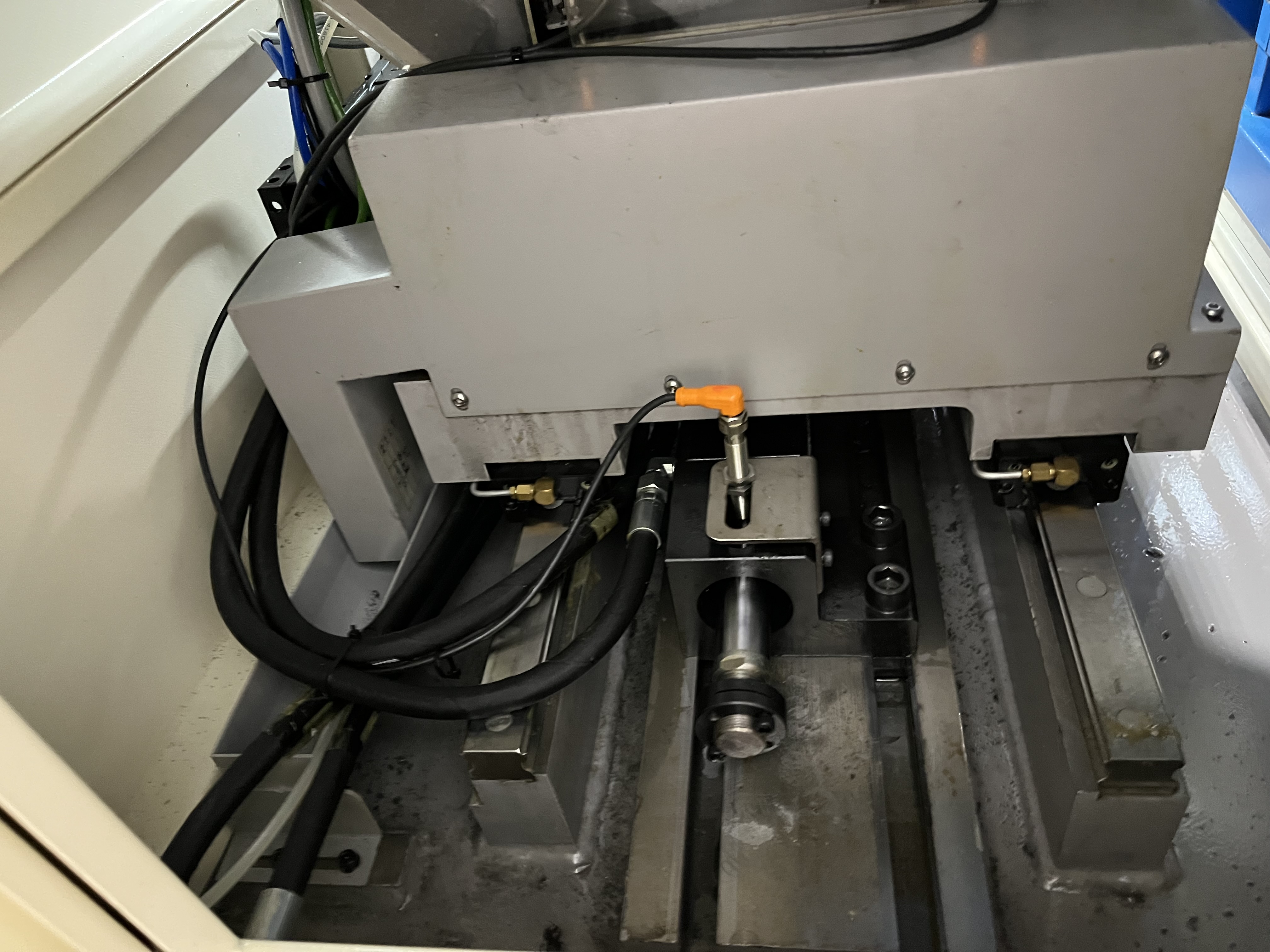
Deep hole drilling machines use a significant volume of coolant. For a machine running oil-based coolant, the coolant cost can be a significant operating expense. Recycling the coolant saves money and reduces waste. I have used various coolant recycling systems. Here is what works. Why Recycle Coolant recycling reduces: Coolant purchases. Recycled coolant costs less than new coolant. Disposal costs. Used coolant is hazardous waste in most jurisdictions. Downtime. Coolant changes take the machine out of production. For a machine using 500 gallons of coolant that is changed quarterly, recycling extends the coolant life to annual changes. That is 1500 gallons of coolant that does not need to be purchased or disposed of. ...

June 11, 2026 · Engineer at the Deep Hole

Coolant System Problems in Deep Hole Drilling

Problem Description The coolant system is the heart of any deep hole drilling operation. When it works, the process runs smoothly. When it doesn’t, drills break and scrap piles up fast. I’ve traced roughly 70% of my tool breakage incidents back to coolant system issues rather than cutting parameters or material problems. The three most common failures I see are low pressure at the tool tip, clogged filters, and external leaks. Low pressure causes chip packing inside the bore — chips can’t evacuate and the drill jams. Clogged filters slowly strangle flow until the system can’t maintain pressure. Leaks rob pressure and make a mess of the shop floor. ...

June 11, 2026 · Engineer at the Deep Hole

Coolant Systems in Deep Hole Drilling Machines: Design and Maintenance

I maintain the coolant system regularly because it causes the most problems. Roughly 60% of the unplanned downtime I have seen on deep hole drilling machines traces back to the coolant system. The coolant system is the heart of a deep hole drilling machine. Without it, the machine cannot function. The coolant flushes chips, lubricates the cutting zone, and controls temperature. A poorly designed system causes scrapped parts, broken tools, and days of troubleshooting. ...

June 11, 2026 · Engineer at the Deep Hole

Coolant Temperature and Machine Thermal Stability

Coolant temperature is one of the most overlooked factors in deep hole drilling accuracy. The coolant flows through the machine and the workpiece, carrying heat away from the cutting zone. But it also carries heat into the machine structure — and that thermal input changes the machine geometry. A machine that started the morning drilling holes on size can drift by 0.03 mm by lunch because the coolant warmed up by five degrees. ...

June 11, 2026 · Engineer at the Deep Hole

Coolant Temperature Control: Why Overheating Causes Problems

Coolant temperature affects drilling performance more than most operators realize. I have seen shops chase tool life problems and hole position issues for months before discovering the root cause was nothing more than coolant running 10 degrees hotter at the end of the shift than at the start. Temperature control is not optional for consistent deep hole drilling. Problem Description Coolant temperature changes throughout the day as the machine runs. A machine that starts at 22 degrees in the morning can be circulating coolant at 38 degrees by the afternoon if the system has no chiller. The temperature rise affects three things directly: coolant viscosity, machine structure alignment, and tool life. ...

June 11, 2026 · Engineer at the Deep Hole

Cost Per Hole: How to Calculate Deep Hole Drilling Costs

I calculate cost per hole on every job, even quick quotes. Knowing the true cost keeps my pricing accurate and highlights where to improve. Here is my complete method for calculating deep hole drilling costs. The Five Cost Components Every hole cost breaks down into five components. The percentages vary by job, but the structure is the same. Component Typical Range What It Includes Machine time 50-60% Cycle time x machine hourly rate Tooling 15-25% Drill cost per edge + regrind cost Labor 10-20% Load/unload time x hourly rate Coolant 5-10% Coolant purchase + filtration + disposal Overhead 5-10% Facility, management, quality, utilities Machine time is always the largest component. Reducing cycle time has the biggest impact on cost per hole. I focus on machine time first when optimizing a job. ...

June 11, 2026 · Engineer at the Deep Hole

Counter-Rotation in Deep Hole Drilling: What It Does and Why It Works

Counter-rotation is the most effective way to drill a straight deep hole. The principle is simple: the tool rotates in one direction and the workpiece rotates in the opposite direction. The relative speed between the tool and workpiece is the sum of both speeds, but the effect on straightness is what matters. I’ve run jobs with and without counter-rotation, and the difference is measurable. Here’s what I’ve learned. How Counter-Rotation Works In conventional deep hole drilling, either the tool rotates while the workpiece is stationary (tool rotation only) or the workpiece rotates while the tool is stationary (workpiece rotation only). Both methods produce a straight hole, but each has limitations. ...

June 11, 2026 · Engineer at the Deep Hole

Cutting Forces in Gun Drilling: Thrust and Torque Explained

I estimate cutting forces to check whether the machine can handle the job before I start every deep hole drilling operation. Cutting forces in gun drilling have two components that I track separately: thrust force pushing the drill forward and torque resisting the rotation. Getting these wrong means either stalling the machine feed axis or snapping the drill shaft at depth. I have seen both outcomes on the shop floor, and neither is cheap to fix. ...

June 11, 2026 · Engineer at the Deep Hole

Cutting Tool Materials and Coatings for Gun Drilling

I use TiAlN-coated carbide for steel and DLC for aluminum. That combination covers about 80% of what I drill. The tool material and coating are critical for gun drill performance. Get the combination wrong and the drill wears fast, holes drift, or surfaces come out rough. I have tested enough bad combinations to have a strong opinion on what works. Tool Material Options Carbide Grades Most gun drills use carbide. It offers the best balance of wear resistance and toughness. ...

June 11, 2026 · Engineer at the Deep Hole

Deep Hole Counterboring and Spot Facing: Tools and Techniques

I use counterboring for bolt head seats and spot facing for sealing surfaces after deep hole drilling. Both operations are done after the main bore is complete. Getting them wrong means the fastener does not seat or the seal leaks — either one scrapes the part. Counterboring Deep Holes Counterboring enlarges the entry of a hole to create a flat-bottomed recess for a bolt head or cap screw. The counterbore has a pilot that fits the existing hole to keep the counterbore concentric with the bore. I use a counterbore with replaceable pilots so the same cutter body works for different hole sizes. ...

June 11, 2026 · Engineer at the Deep Hole