Real problems, real solutions, no fluff. I have spent years working across multiple shops running gun drilling, BTA drilling, and ejector drilling machines — setting up jobs, troubleshooting coolant pressure and chip evacuation issues, drilling deep holes in everything from hydraulic cylinders to aerospace titanium. This site is where I share what I have learned.
Deep Hole Drilling Machine Safety Standards and CE Certification
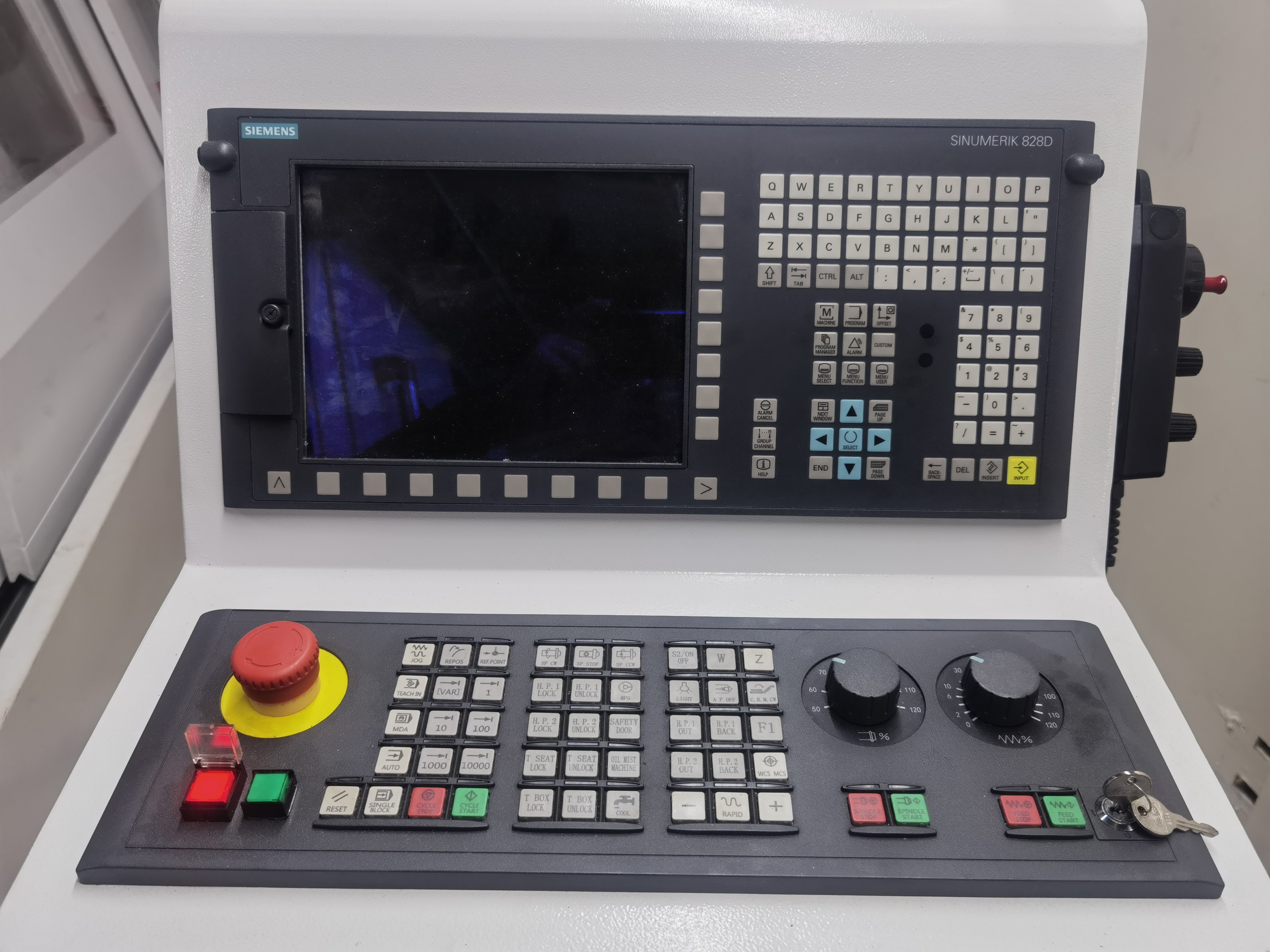
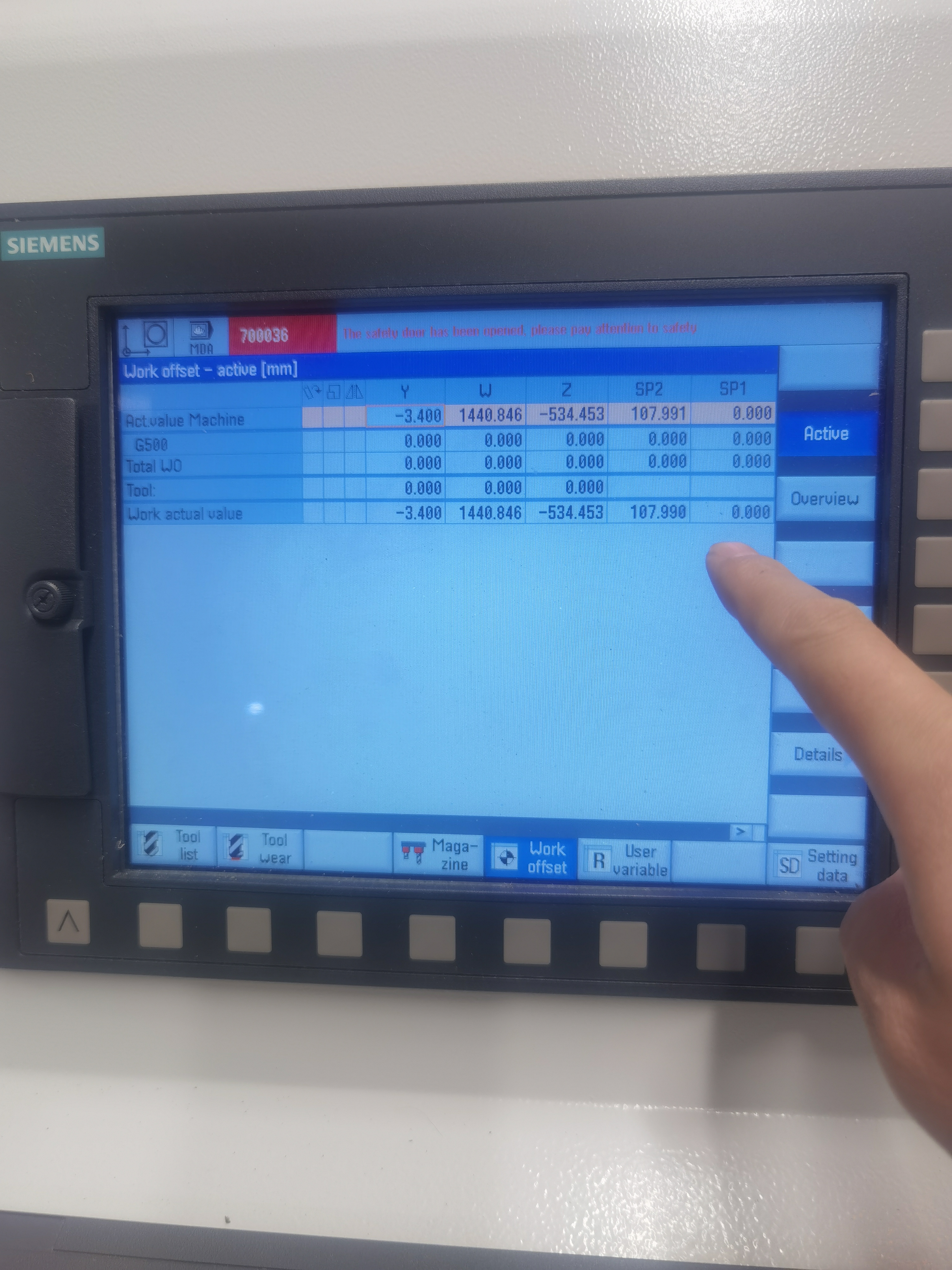
Deep hole drilling machines have specific safety requirements due to the high-pressure coolant, rotating parts, and cutting forces involved. I’ve worked with machines that met modern safety standards and with older machines that had minimal safety features. Here’s what I’ve seen matter in practice. The Main Hazards Deep hole drilling machines present several hazards: High-pressure coolant. Coolant at 2000 psi can inject through the skin. This is the most serious hazard specific to deep hole drilling. Rotating parts. The spindle, drill tube, and workpiece rotate at high speeds. Entanglement is a risk. Chips. Hot, sharp chips with enough force to cause burns and cuts. Heavy parts. Workpieces can weigh hundreds of kilograms. Handling them requires proper lifting equipment. Noise. Machines running at high RPM and high coolant flow generate significant noise. Safety Features I Look For Feature Purpose Required? Interlocked doors Prevent access to the work zone while the machine is running Yes Coolant pressure relief Prevents over-pressurization of the coolant system Yes Emergency stop Stops all machine motion immediately Yes Light curtain Stops the machine if the operator reaches into the work zone Recommended Chip shield Protects the operator from flying chips Yes Coolant splash guard Contains high-pressure coolant spray Yes Spindle brake Stops the spindle quickly after an emergency stop Recommended Fire suppression Extinguishes coolant mist fires Recommended The most important safety feature for deep hole drilling is the interlocked door and the coolant pressure monitoring. A machine that runs with the door open is a danger to the operator. ...
Deep Hole Drilling Machine Working Principle
Here’s how a deep hole drilling machine works, from my experience running them. A deep hole drilling machine is a specialized machine tool designed to drill holes with high depth-to-diameter ratios. The working principle is straightforward, but the details matter. I’ve operated these machines for over a decade, and while the control systems have gotten smarter, the mechanical fundamentals haven’t changed at all. I’ve trained over 40 operators on deep hole drilling machines and the most common mistake is underestimating the importance of coolant pressure. ...
Deep Hole Drilling Maintenance Checklist
I have developed this maintenance schedule over years of running deep hole drilling machines. Regular maintenance prevents most unexpected downtime, and the cost of a skipped check is usually measured in broken tools and scrapped parts. The schedule divides into daily, weekly, monthly, quarterly, and annual tasks. Problem Description Deep hole drilling machines combine rotating spindles, high-pressure coolant systems, hydraulic feeds, and precision guide bushings in a single integrated system. A failure in any subsystem stops production. The most expensive downtime I have dealt with came from neglected items — a rotating union that failed because the seal was never inspected, a coolant hose that burst internally from age and pressure, and a spindle bearing that ran hot for weeks before it seized. ...
Deep Hole Drilling Parameters Guide: Speed, Feed, and Coolant
Here are the cutting parameters I use as starting points for deep hole drilling. These are starting points — adjust based on the specific material, machine, and tooling. I’ve collected these numbers over years of setup work, and they save me a lot of trial and error. Cutting Speed Selection by Material Cutting speed is the first parameter I set. It directly affects tool life and hole quality. Run too fast and the tool edge breaks down. Run too slow and you risk work hardening and poor chip formation. ...
Deep Hole Drilling Process Documentation and Standardization
The Problem with Undocumented Processes I’ve walked into shops where the same gun drilling job produces different results depending on which operator runs it. One operator runs 0.04 mm/rev feed and gets good parts. The next operator runs 0.07 mm/rev and scrap parts. Neither knows what the other is doing because there is no written standard. The scrap rate swings wildly between shifts and nobody can figure out why. Undocumented processes make troubleshooting impossible. When a problem shows up on second shift, nobody knows what changed because nobody wrote down the baseline. The second-shift operator adjusts something, the problem goes away, and the fix is lost by morning. The same problem comes back the following week and the cycle repeats. ...
Deep Hole Drilling vs Conventional Drilling: Key Differences
I use deep hole drilling when the L/D ratio exceeds 10:1 — that is the threshold where conventional twist drilling stops being reliable and specialized deep hole drilling takes over. But the decision involves more than just the depth-to-diameter ratio. I have run both processes side by side on hundreds of jobs, and the differences in surface finish, straightness, cycle time, and tool cost dictate which approach makes sense for each part. ...
Drill Wandering: Causes and Corrective Actions
Problem Description Drill wandering is a gradual deviation of the bore centerline as the drill advances. It differs from a sudden step or jump caused by hitting a hard inclusion — wandering is a steady drift that increases with depth. I have seen 400 mm deep holes where the exit was 1.2 mm off center while the entry was perfectly located. The problem shows up in two ways. Gradual drift creates a curved bore that fails straightness specs. Step wandering, where the bore jogs at a certain depth, usually means the drill hit a material change or hard spot. The distinction matters because the fixes are completely different. ...
Drilling EV Battery Cooling Plates: What I've Learned
Battery cooling plates are one of the newer applications I have been seeing in deep hole drilling. They are basically aluminum plates with a network of drilled channels that coolant flows through to keep EV battery cells at the right temperature. I have also written about EV motor shafts and hot runner manifolds — all part of the same EV trend, but each with different challenges. The concept is similar to a hot runner manifold — a pattern of intersecting holes in a plate — but the scale and the material make it different. ...
Drilling Injection Mold Components: Ejector Pins, Guide Bushings, and Beyond
Cooling channels get most of the attention in mold deep hole drilling — I wrote about those here. But molds have other holes that need to be right, and some of them are harder than the cooling circuits. Ejector pin holes, guide pin bores, and insert pockets all have their own requirements. I’ve worked on all of them, and each type has tricks you learn by doing. Getting these holes wrong can ruin a mold that took weeks to design and thousands of dollars to machine. ...
Drilling Long Cylinders: Setup and Support Strategies
Long cylinders — anything over 2 meters — are a different class of work from shorter parts. The setup and support requirements are more demanding, and the consequences of a mistake are larger. I’ve drilled cylinders up to 6 meters long for hydraulic and industrial applications. The principles for setting up long work are the same regardless of the specific part. Support Spacing The most important decision when setting up a long cylinder is the support spacing. A cylinder that sags under its own weight produces a bore that’s not straight. ...