Real problems, real solutions, no fluff. I have spent years working across multiple shops running gun drilling, BTA drilling, and ejector drilling machines — setting up jobs, troubleshooting coolant pressure and chip evacuation issues, drilling deep holes in everything from hydraulic cylinders to aerospace titanium. This site is where I share what I have learned.
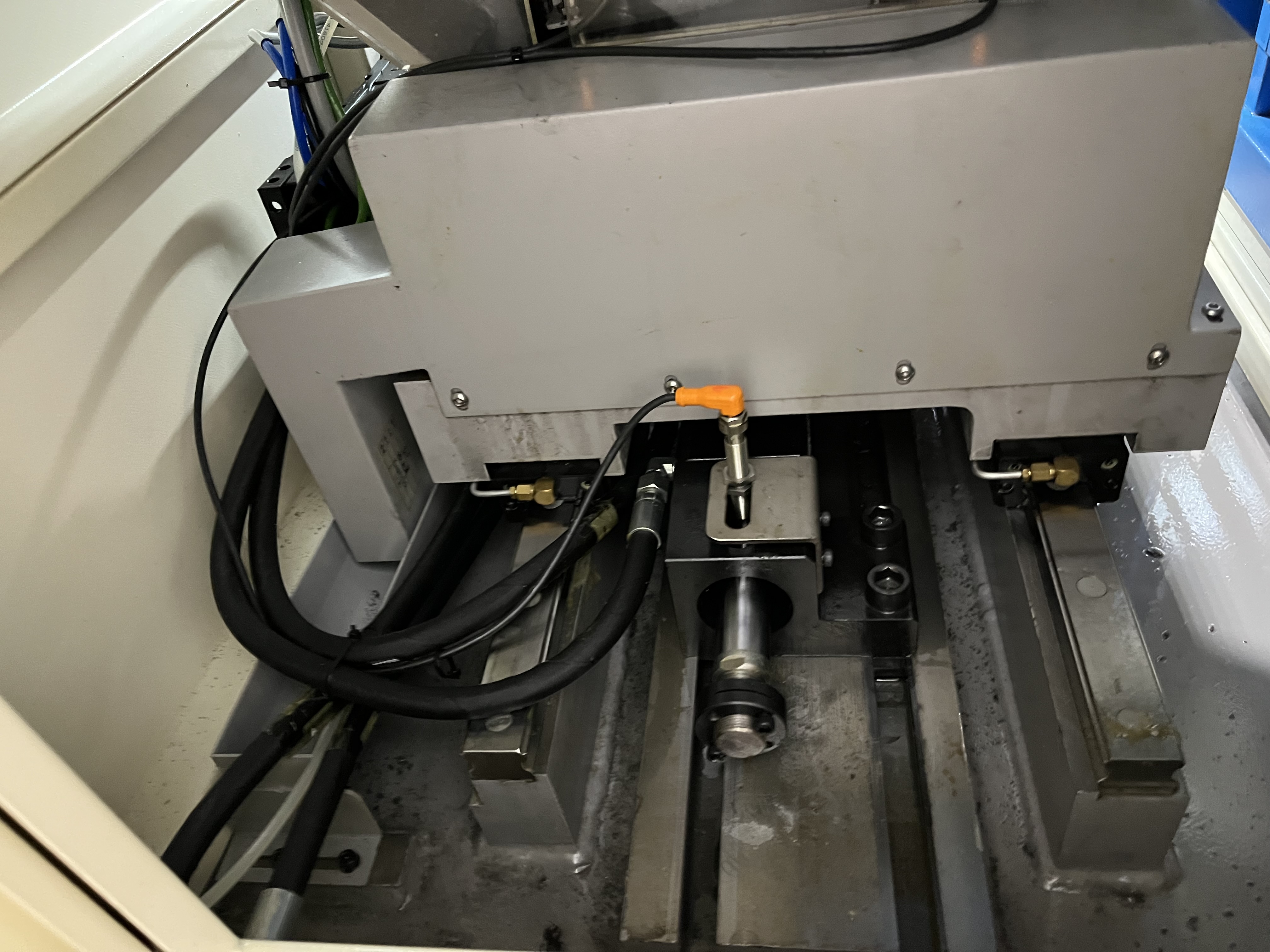
Machine Alignment Checks for Deep Hole Drilling
Why Alignment Matters Machine alignment is the foundation of every straight hole you drill. If the machine is not aligned, nothing else you do will fix the hole straightness problem. I learned this lesson the hard way early in my career. I spent two days chasing a hole deviation problem on a gun drilling machine. I changed bushings, adjusted feeds and speeds, and swapped drills. Nothing worked. The machine had drifted out of alignment by 0.04mm per meter while I was looking the other way. ...
Machine Guarding and Interlocks for Deep Hole Drills
The Guarding Hazards Specific to Deep Hole Drilling Standard machine shop hazards like rotating spindles and flying chips exist on every machine. Deep hole drilling adds two specific guarding challenges: high-pressure coolant containment and chip projectiles from the bore exit. Coolant at 1000-2000 psi creates a fine mist that penetrates any gap in a guard. A pinhole in a chip shield turns into a cutting jet that can sever a finger or inject coolant into an arm. I treat every guard on a deep hole machine as a pressure containment device. ...
Machine Rigidity and Its Impact on Deep Hole Drilling Quality
Machine rigidity is the foundation of deep hole drilling quality. You can have the best drill, the right parameters, and the perfect coolant setup, but if the machine isn’t rigid, the holes won’t be straight. I’ve worked on machines ranging from light-duty job shop gun drills to massive BTA production machines. The difference in rigidity shows up in every hole they produce. How Rigidity Affects the Hole A machine that lacks rigidity flexes under cutting forces. The flex causes: ...
Machine Specs That Actually Matter vs Marketing Numbers
Machine spec sheets for deep hole drilling machines are written by marketing departments. Some numbers are meaningful indicators of real performance. Others are chosen to make the machine look better than it is on paper. I have evaluated a dozen deep hole drilling machine brands over twenty years, and I have learned which specs predict actual drilling performance and which ones are just numbers on a page. Here is how I separate the two when I read a spec sheet for a deep hole drilling machine. ...
Material Hard Spots: How to Detect and Handle Them
The Hard Spot Problem Hard spots are localized areas in the material where the hardness spikes well above the nominal range. A piece of 4140 that is 30 HRC overall can have a hard spot at 45 HRC. The drill hits that spot and the cutting edge chips. I have seen this most often in castings and forgings. A casting that cools unevenly develops hard zones where the cooling rate was different. A forging that was not properly stress-relieved after forming has unpredictable hardness distribution. ...
Micro-Hole Deep Hole Drilling: What Works Below 3mm
I’ve covered medical implant drilling elsewhere — this is about micro-hole drilling across all industries. The same principles apply whether you’re drilling fuel injector nozzles, medical components, or cooling channels in electronics. Below 3mm diameter, deep hole drilling changes character. The tools are fragile, coolant flow is restricted, and every parameter matters more than it does at larger diameters. Where Micro-Holes Show Up The industries that need micro-hole deep hole drilling: ...
Moving and Reinstalling a Deep Hole Drilling Machine
Moving a deep hole drilling machine from one location to another is a major operation. The machine is long, heavy, and sensitive to alignment changes. I’ve been involved in several machine moves. Before the Move Preparation determines the success of the move: Document the current alignment. Measure and record the machine level and alignment before disconnecting anything. Mark all connections. Power, coolant, and signal lines should be labeled before disconnection. Drain the coolant system. Coolant left in the system will leak during transport. Secure moving parts. The spindle, tailstock, and steady rests should be locked in place. Protect the control. The CNC control cabinet should be protected from vibration and impact. Here’s a move preparation checklist I use to make sure nothing is missed: ...
Multi-Hole Patterns: Drilling Sequence and Strategy
Why Sequence Matters The order I drill holes in a multi-hole pattern affects the final accuracy of the part. Each hole relieves residual stress from the workpiece material, and the part shifts as the stress redistributes. Drilling in the wrong sequence can distort a flat plate by 0.5mm or more. I learned this the hard way on a job with a 300mm square plate of 4140 steel that needed 16 deep holes in a 4x4 grid. I drilled from the top-left corner to the bottom-right, one row at a time. The plate curled 0.3mm across the diagonal. I had to re-machine the reference faces and re-drill four holes that moved out of position. ...
Multi-Spindle Deep Hole Drilling: When More Is Better
The simplest way to increase deep hole drilling output is to add more spindles. Two spindles drilling at once theoretically doubles the throughput. Four spindles quadruple it. But multi-spindle machines aren’t simple. The spindles need to be synchronized, the tooling needs to be matched, and the setup is more complex than a single-spindle machine. Here’s what I’ve learned running them. When Multi-Spindle Works Multi-spindle drilling makes sense when three conditions are met: ...
Oil Hole Drilling in Gears and Splined Shafts
Gears and splined shafts need oil holes for lubrication. The holes are typically small — 2-8mm diameter — drilled at an angle through the gear body or shaft wall. The position and angle need to be precise to deliver oil to the right location. I’ve drilled oil holes in gears for industrial gearboxes, automotive transmissions, and heavy equipment drive trains. The work requires careful setup and attention to angle accuracy. ...