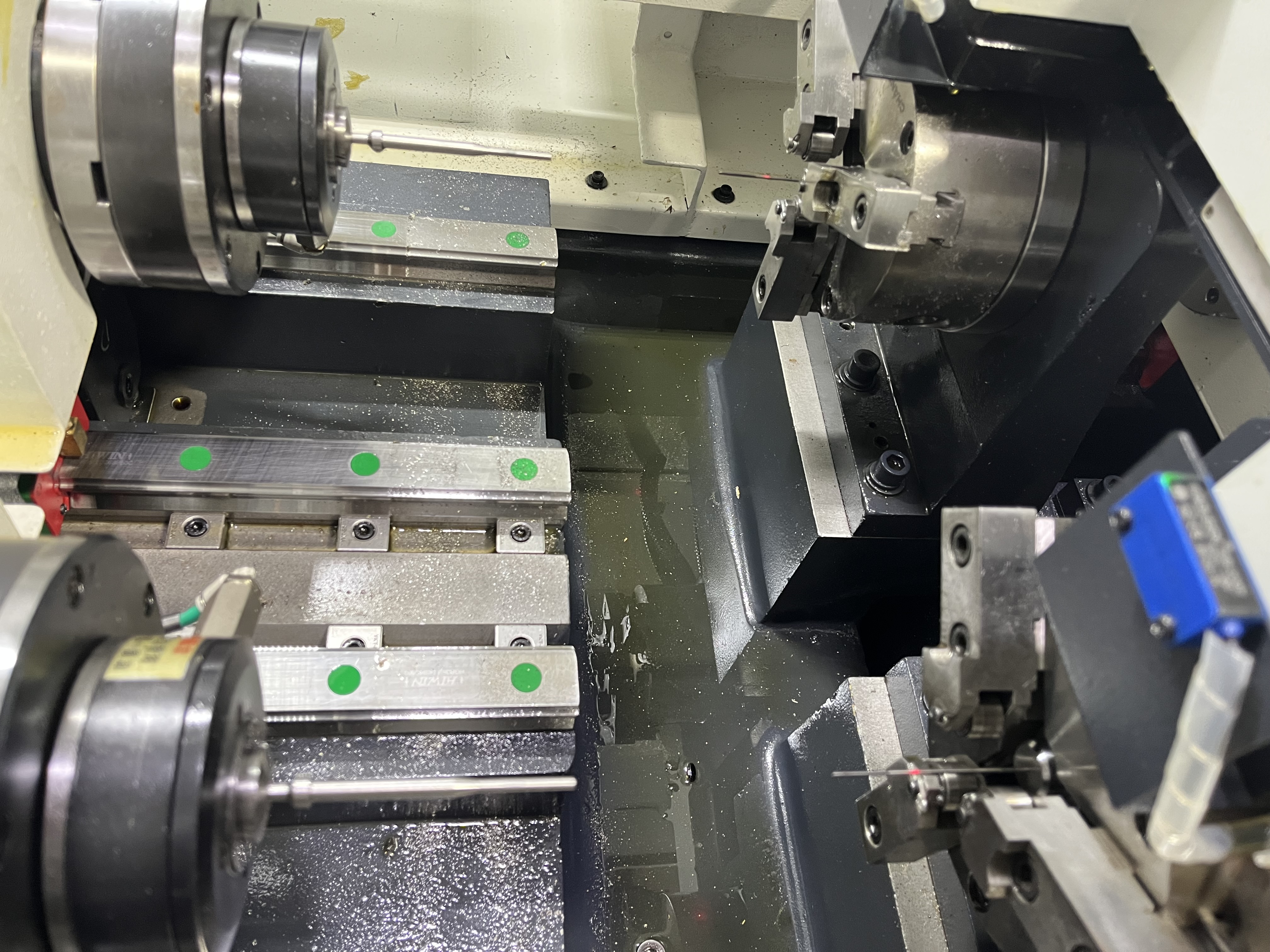
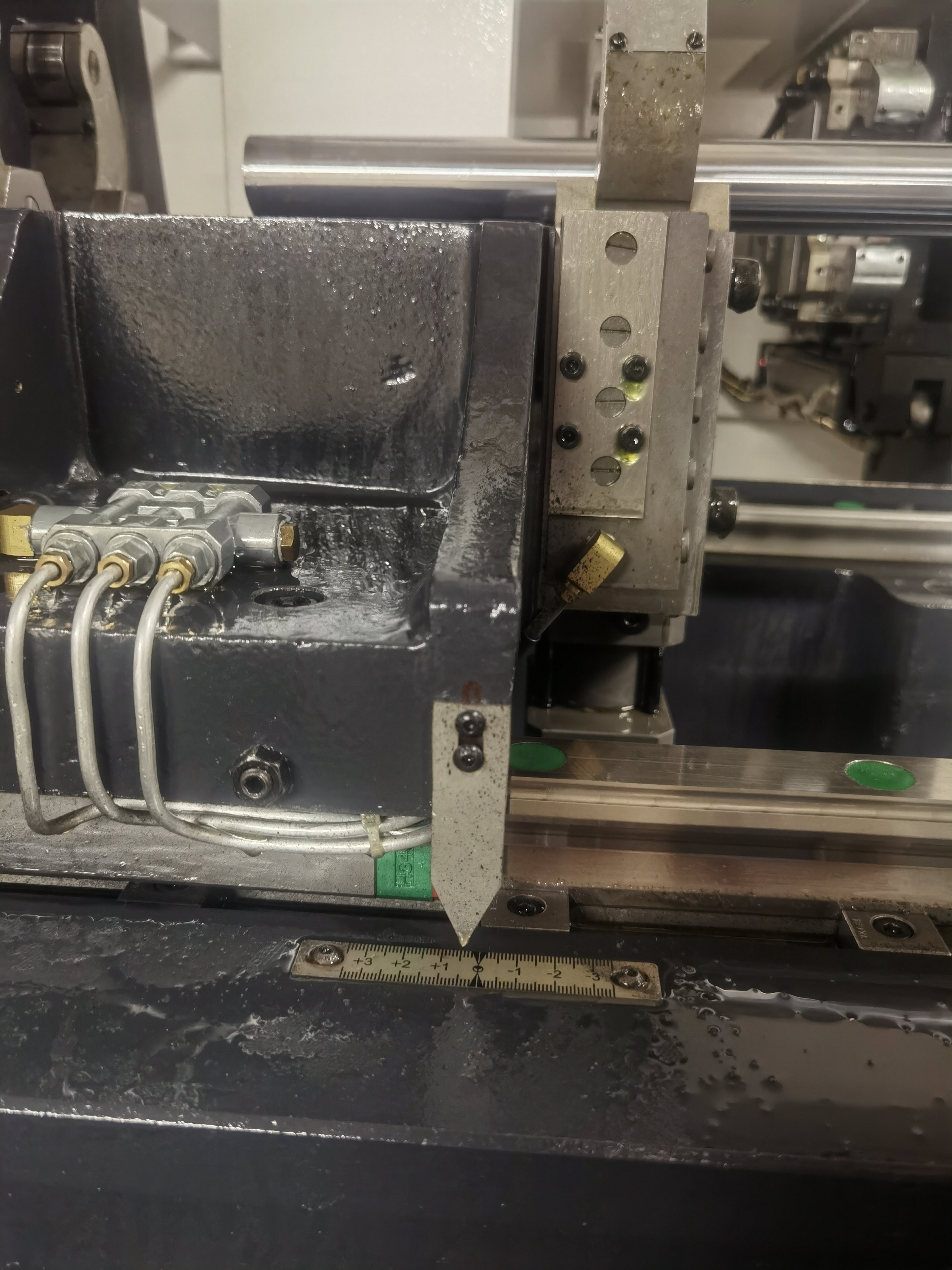
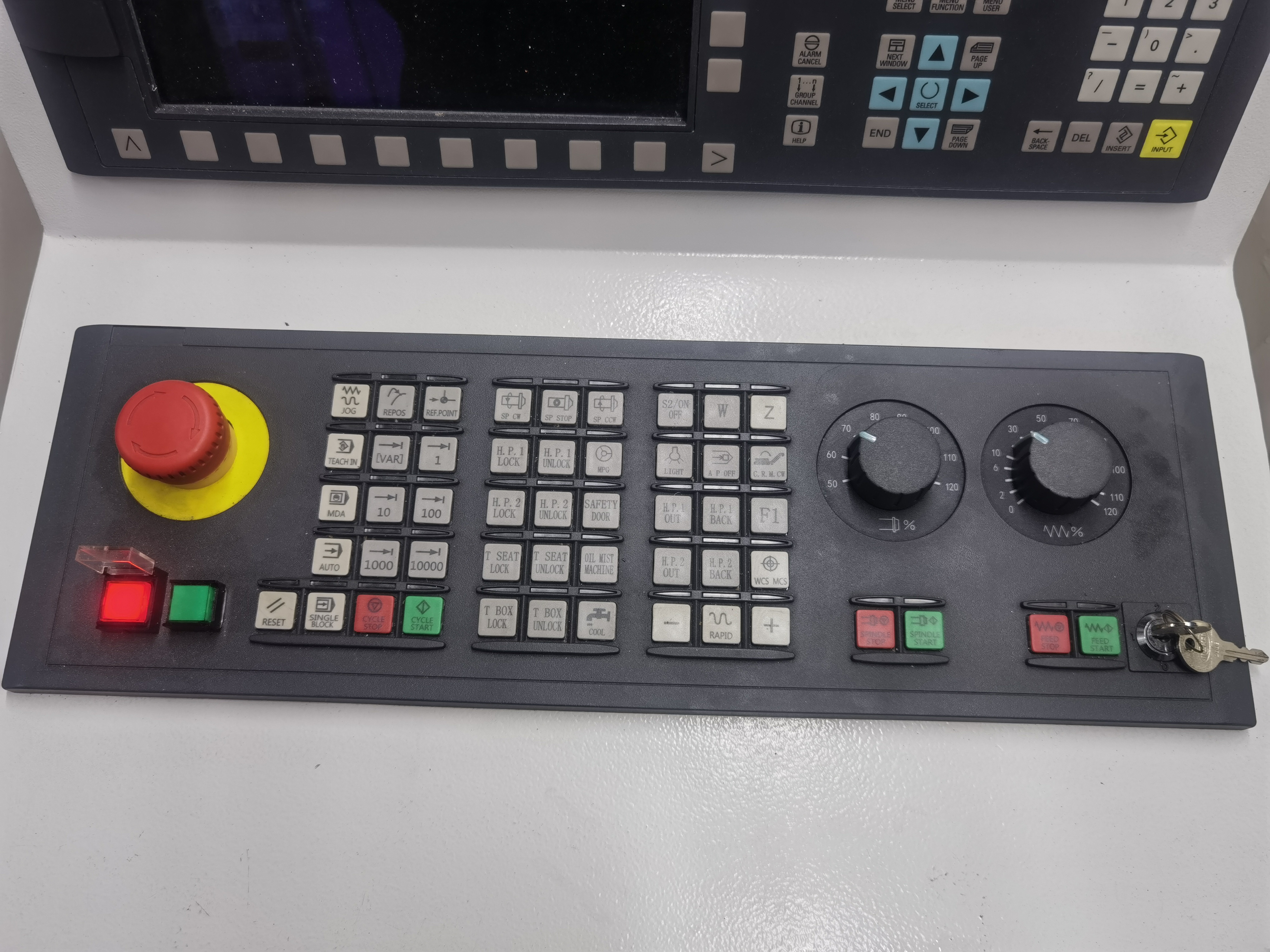
Real problems, real solutions, no fluff. I have spent years working across multiple shops running gun drilling, BTA drilling, and ejector drilling machines — setting up jobs, troubleshooting coolant pressure and chip evacuation issues, drilling deep holes in everything from hydraulic cylinders to aerospace titanium. This site is where I share what I have learned.
Organizing Gun Drill Inventory for Quick Setup
An organized gun drill inventory saves time during setup and prevents the wrong drill from being used on a job. I’ve seen shops waste hours looking for the right drill. Here’s how I organize gun drill inventory. Labeling System Every gun drill gets a label showing: Diameter (in mm) Length (in mm) Type (standard, carbide-tipped, solid carbide) Condition (new, used X holes, needs regrind) Tool ID number The label is attached to the drill shank or to the storage slot. I use color-coded labels for quick identification — green for ready to use, yellow for needs inspection, red for needs regrind. ...
Oversized Holes and Bell Mouth: Causes and Solutions
Understanding Oversized Holes and Bell Mouth Oversized holes and bell mouth are two related but distinct quality problems. An oversized hole is uniformly larger than the drill diameter along its entire length. Bell mouth is a local enlargement at the hole entry that tapers to the correct diameter deeper in the bore. I have seen both problems on the same part. The entry is 0.1mm oversized from bell mouth, and the rest of the hole is 0.03mm oversized from drill runout. Each problem has a different root cause and a different fix. ...
Penetration Rate Calculations for Deep Hole Drilling
The Basic Calculation Penetration rate is the speed at which the drill advances into the material, expressed in mm per minute. The formula is straightforward and I use it on every job: Penetration rate (mm/min) = Feed rate (mm/rev) x Spindle speed (RPM) For a 10mm gun drill running at 2500 RPM with a feed of 0.04 mm/rev: 0.04 x 2500 = 100 mm/min To estimate the drilling time for a 500mm deep hole: 500mm / 100 mm/min = 5 minutes of actual cutting time ...
Remote Diagnostics for Deep Hole Drilling Machines
Remote diagnostics allow a machine builder or service technician to connect to a deep hole drilling machine from a remote location and check its real-time status. I have used remote diagnostics on several deep hole drilling machines across different shops, and the technology has saved me days of downtime. When a machine stops producing at 2 AM on a second shift, remote diagnostics often get it running again within minutes instead of waiting for a morning service call. ...
Retrofit vs New: Upgrading Deep Hole Drilling Machines
I’ve worked on machines that were 40 years old and still drilling good holes, and I’ve worked on 5-year-old machines that were falling apart. Age isn’t the only factor in deciding whether to retrofit or replace. Here’s what I’ve learned about the decision. Why Retrofit A retrofit replaces the control system, drives, and sometimes the spindles of an existing machine while keeping the base structure — the bed, columns, and way systems. The idea is that the structural components are still sound, and the outdated parts are what’s limiting performance. ...
RPM Calculation for Gun Drilling: Formula and Examples
Calculating spindle speed for gun drilling is the same as for any turning operation. Get this wrong and you will burn up your tool or leave a terrible surface finish. I run these calculations before every job, and after enough setups the numbers become second nature. Here is how I do it. The RPM Formula and How I Use It The standard formula for spindle speed is: RPM = (Cutting Speed x 1000) / (Pi x Diameter) ...
Running a Machine Capability Study on a Deep Hole Drill
A machine capability study — also called a Cmk study — measures whether a machine can produce parts within the required tolerance. It’s a standard method for approving new machines or verifying existing ones. I run capability studies on deep hole drilling machines when setting up new jobs. The Process I follow this procedure for every machine capability study: Define the critical dimension — Select one feature to study (typically hole diameter at the mid-point) Set up the machine — Use the same tool, fixturing, and program that will be used in production Check machine condition first — Run a test bar alignment check and verify coolant pressure and spindle runout before starting Run the parts — Run 25 consecutive parts without any adjustments. No speed changes, no feed changes, no tool changes Measure every part — Use the same measurement method (air gage, bore mic, or CMM) for all 25 parts Plot the data — Create a run chart in the order the parts were produced to visualize any drift Calculate mean and standard deviation — Use the standard formula Calculate Cmk — Cmk = min((USL - mean) / 3sigma, (mean - LSL) / 3sigma) The Cmk value tells you whether the machine can hold the tolerance consistently. I also calculate Cm (process capability without centering) to see if off-center adjustment can fix a marginal Cmk. ...
Sealing Technology in Deep Hole Drilling Machines
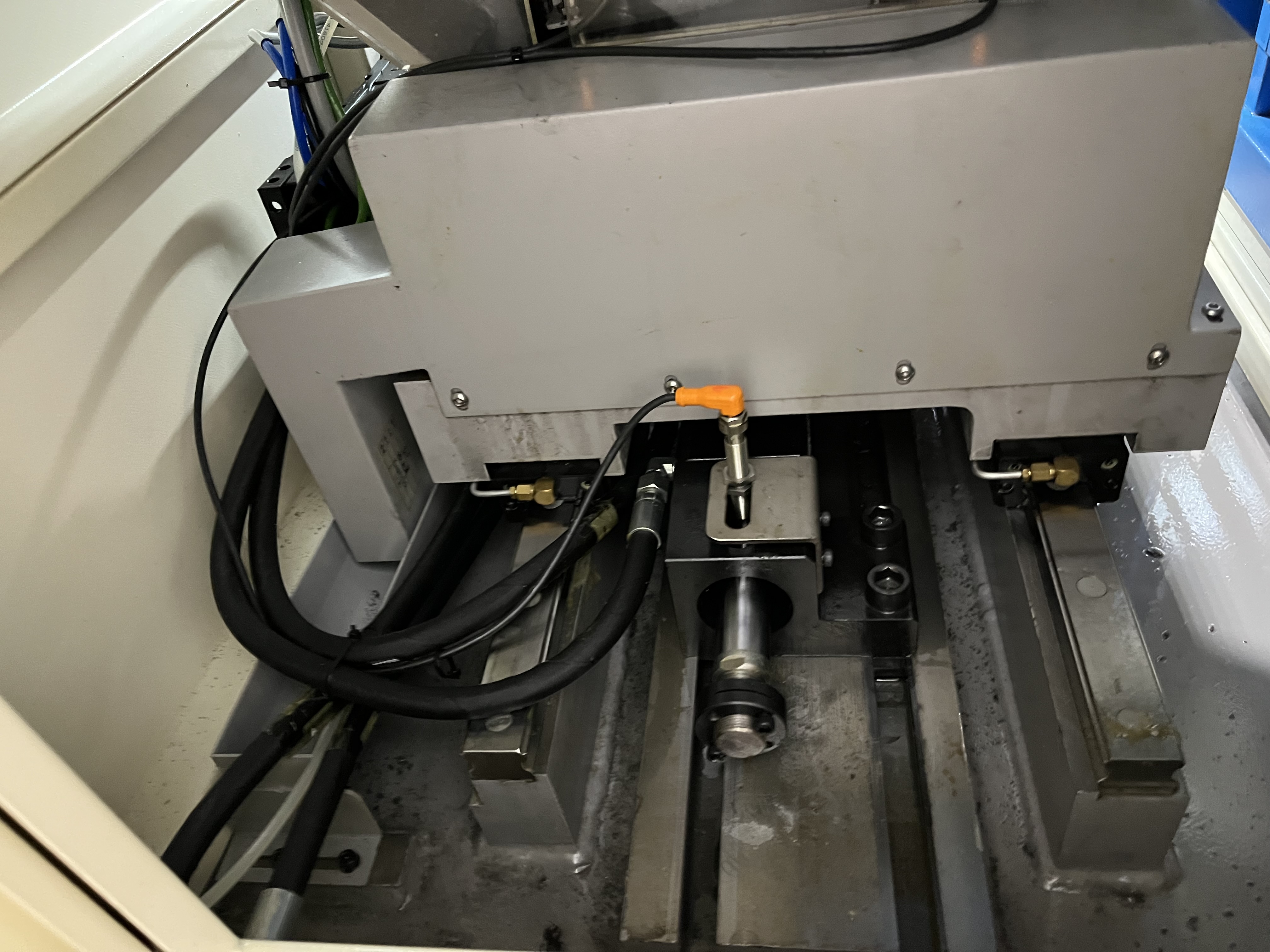
Seals in a deep hole drilling machine don’t get much attention — until they start leaking. Then they stop production and cost time and money to replace. I’ve dealt with seal failures on both gun drilling and BTA machines. The symptoms range from annoying drips to complete coolant system failure. Where Seals Are Used Deep hole drilling machines have seals at several points: Rotating coolant union. Where the coolant transfers from the stationary supply line to the rotating spindle. This is the most common seal failure point. Drill tube connection. Where the drill tube connects to the spindle. The seal here prevents high-pressure coolant from leaking around the connection. Pressure head. Where the coolant enters the bore at the workpiece entry. The pressure head seal contains the coolant and directs it into the bore. Cylinder seals. On machines with hydraulic feed systems, the cylinder seals keep the hydraulic fluid contained. Each of these seals operates under different conditions — pressure, speed, and temperature vary depending on the location. ...
Selecting the Right Deep Hole Drilling Machine for Your Shop
I get asked pretty often by shops that are thinking about buying their first deep hole drilling machine — especially after they land a job like EV motor shafts or mold cooling channels. The question is usually: what should I buy? The answer depends on the work, the volume, and the budget. But there are some patterns I’ve seen across dozens of shops. Start With the Parts The single biggest mistake I see is buying a machine first and figuring out the parts later. The machine needs to match what you’re actually going to drill. ...
Servo Drive and Spindle Drive Faults in Deep Hole Drilling
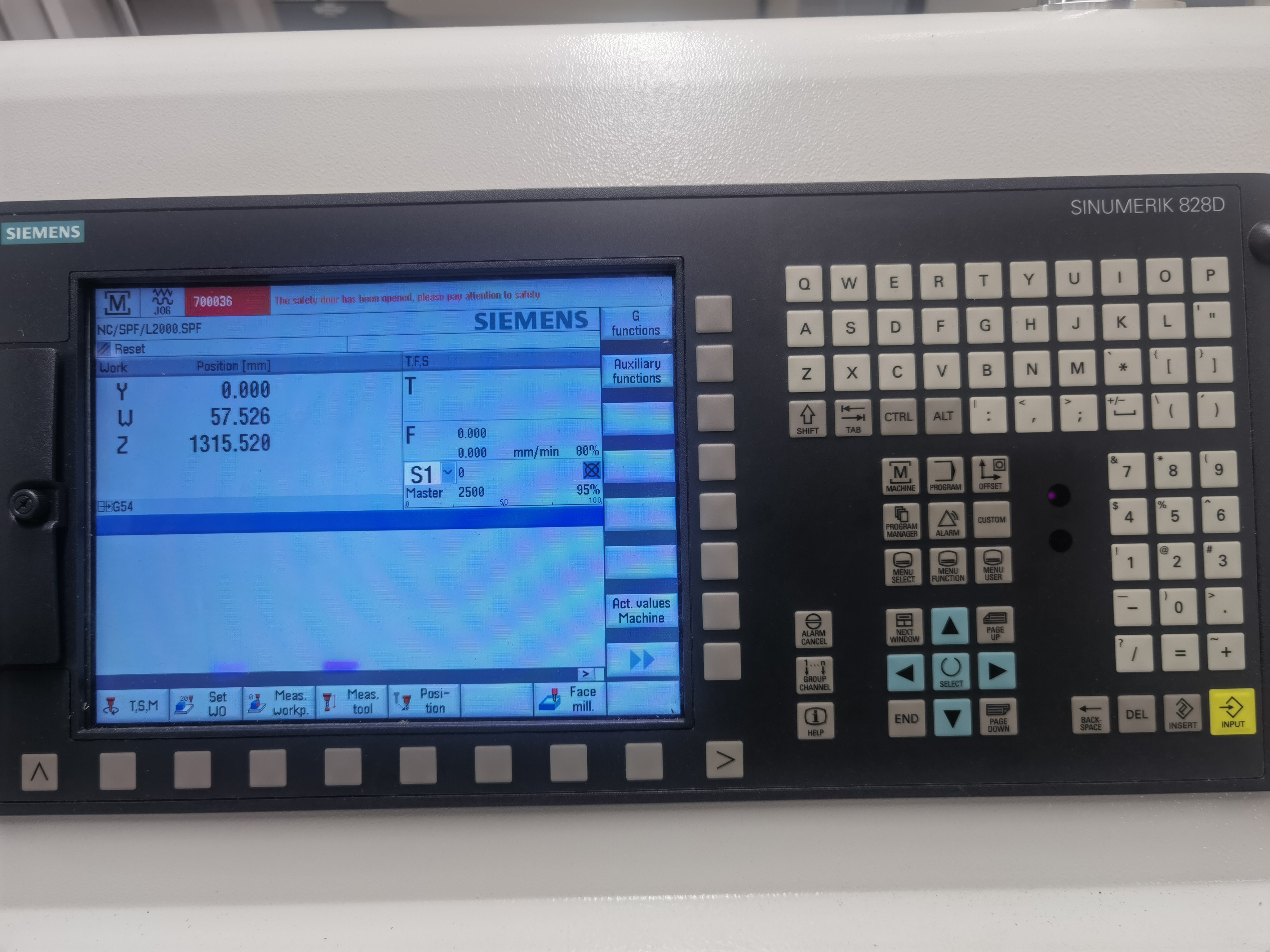
Drive faults on deep hole drilling machines stop production immediately and can be difficult to diagnose if you do not know what to check. The typical symptoms are an alarm on the CNC display, a drive module showing a red fault LED, or an axis that refuses to move. I have worked through servo drive faults on Fanuc, Siemens, and Mitsubishi systems, and the diagnostic approach is mostly the same regardless of the brand. ...