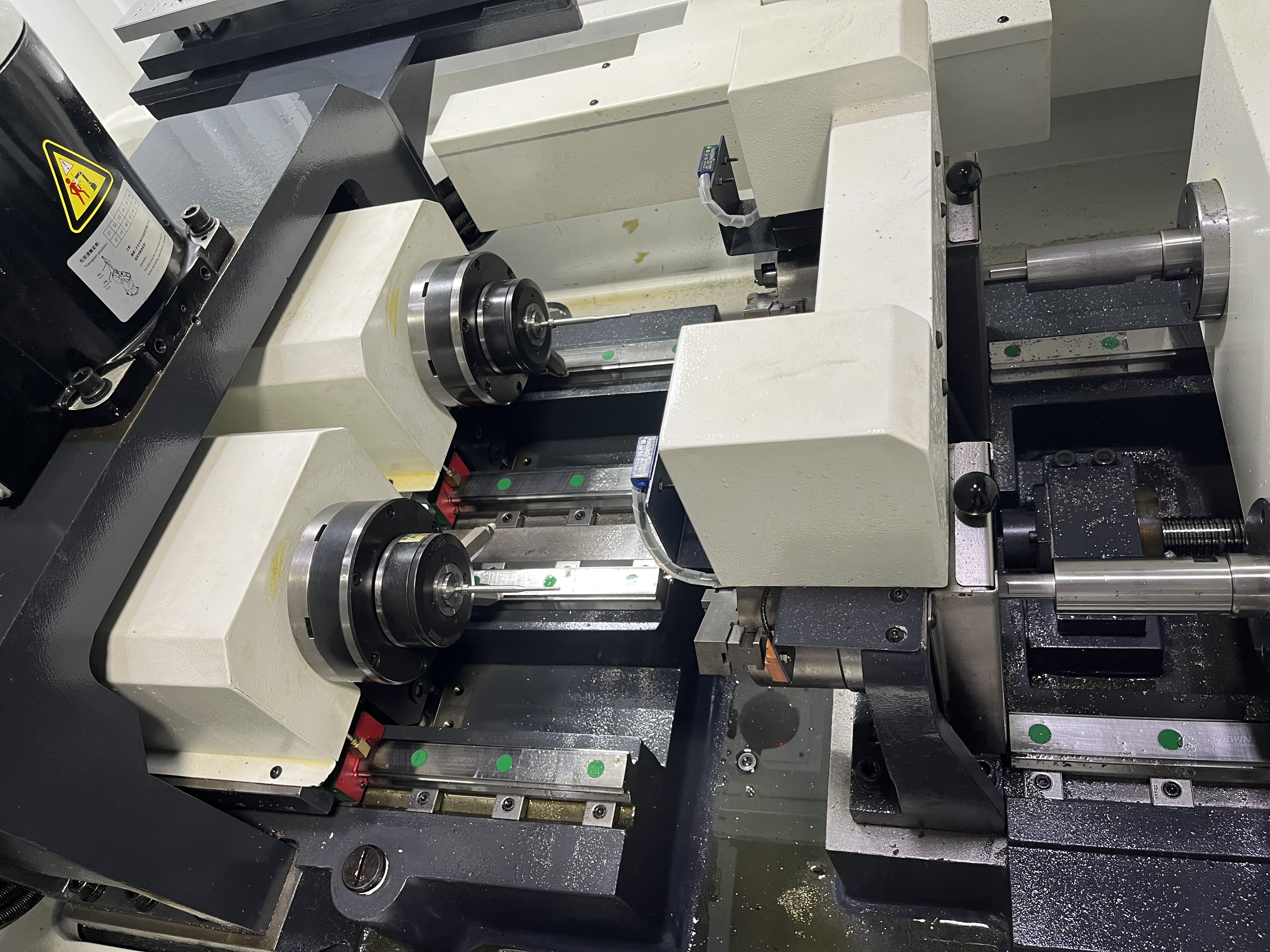
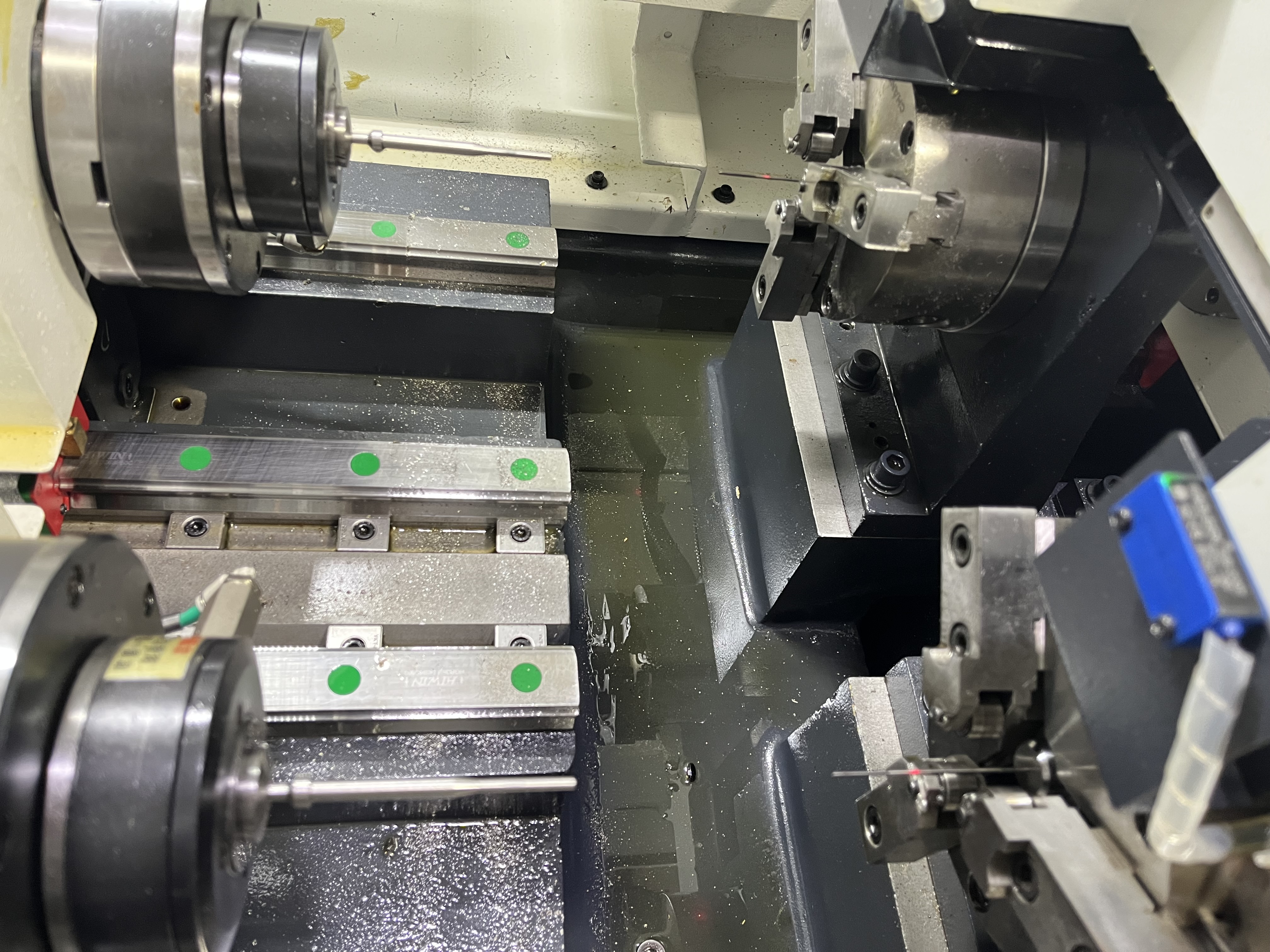
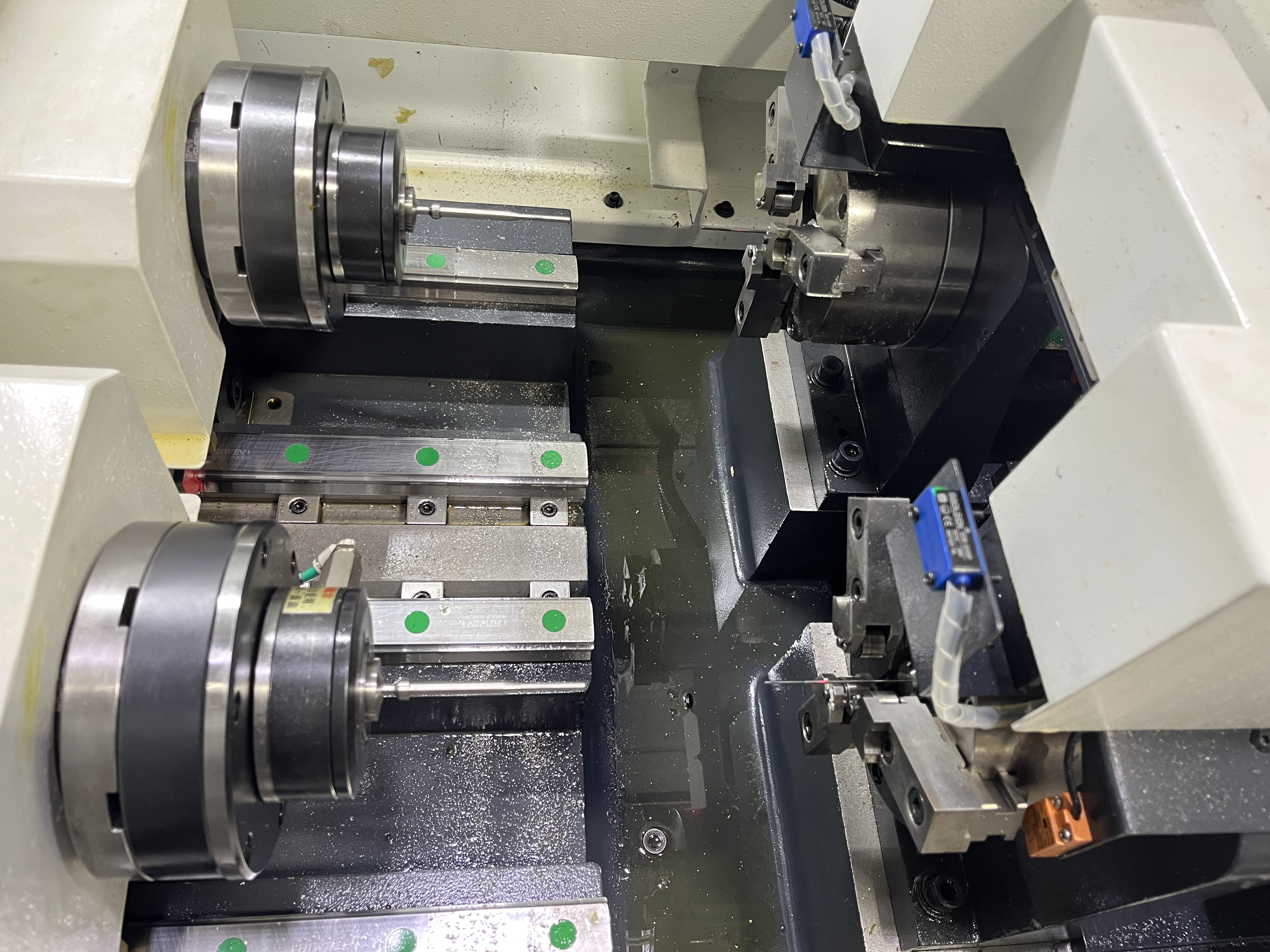
Real problems, real solutions, no fluff. I have spent years working across multiple shops running gun drilling, BTA drilling, and ejector drilling machines — setting up jobs, troubleshooting coolant pressure and chip evacuation issues, drilling deep holes in everything from hydraulic cylinders to aerospace titanium. This site is where I share what I have learned.
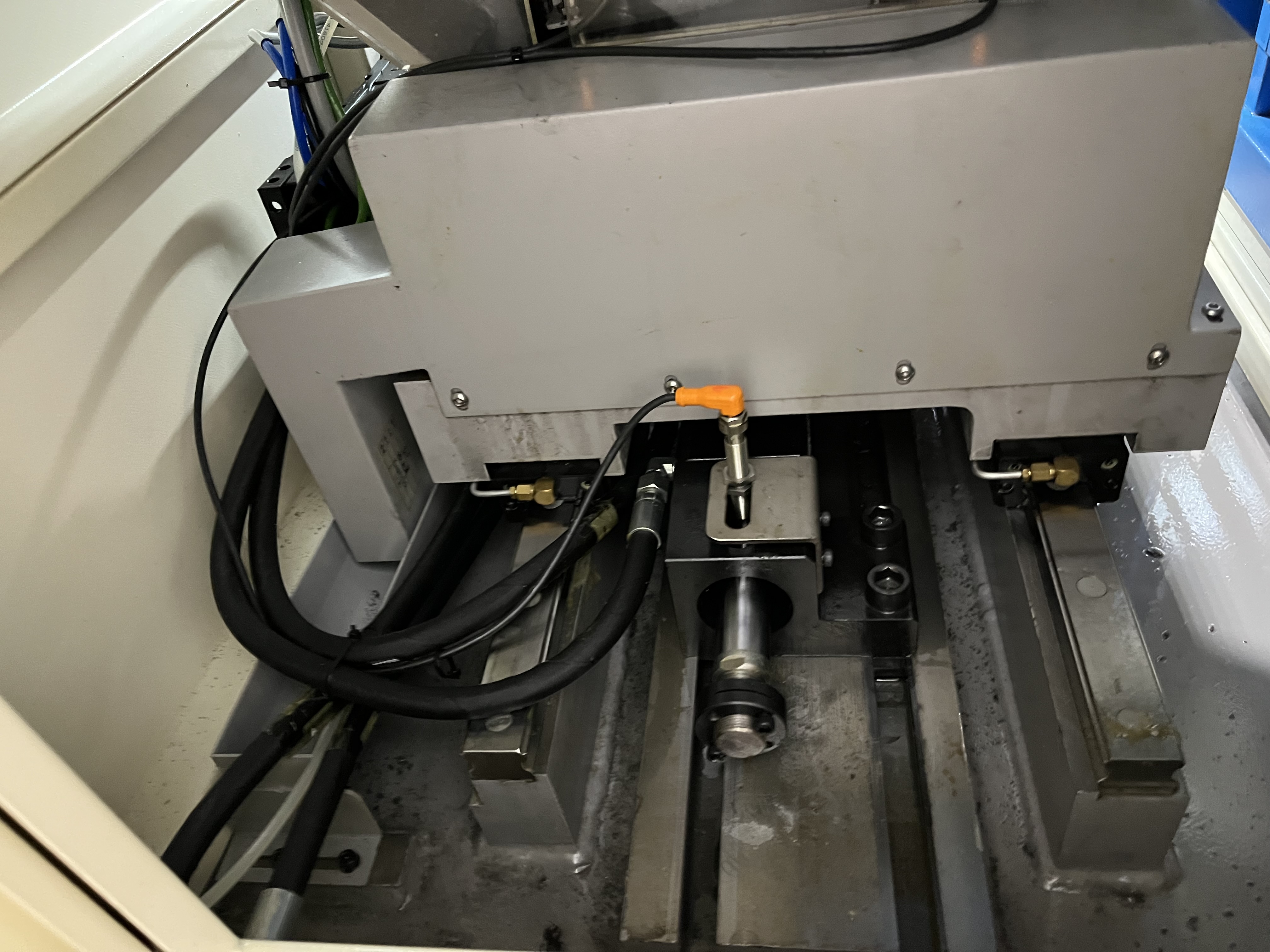
The Best Advice a Senior Engineer Gave Me About Deep Hole Drilling
Early in my career, a senior engineer watched me setting up a gun drilling job. I was fussing with the cutting parameters. Should the feed be 0.04 or 0.05 mm/rev? Should the speed be 3000 or 3500 RPM? He watched for a minute and said: “You are worrying about the wrong things. Check the coolant pressure first. If the pressure is not right, nothing else matters.” He was right. I have seen more deep hole drilling problems caused by coolant pressure than by any other single factor. Worn tools, misalignment, and wrong parameters are easier to fix than chip packing from low coolant pressure. ...
The Day I Learned to Trust the Feed Rate Over My Gut
The Fine Dust That Fooled Me I was drilling a deep hole in 304 stainless steel. The bore diameter was 12mm and the depth was 400mm, giving an L/D ratio of about 33:1. The feed rate was set to 0.03 mm/rev. The chips were coming out of the flute as fine metallic dust. I thought this was a good sign. In my mind, fine chips meant the cut was clean and the material was being removed efficiently. I had read somewhere that small chips are easier to evacuate through the drill flute, so I believed I had selected the right parameters. ...
The Job Where Everything Went Right for a Change
I set up a job drilling 50mm bores through 2-meter hydraulic cylinder barrels. The material was consistent, the machine was aligned, and the coolant system was working perfectly. I knew within the first three parts that this job was going to be a good one. The machine sounded different. The chips looked right. The gauges were all in the green. I have learned to trust that feeling. When everything lines up, the machine tells you before the micrometer does. ...
The Most Expensive Mistake I Ever Made on a Deep Hole Drill
The Setup That Felt Routine I was drilling a batch of titanium shafts for an aerospace customer. The material cost was $800 per shaft. I had 20 shafts to drill, each one 600mm long with a 16mm bore running through the center. The job specification called for a tolerance of H7, which meant the bore had to stay within 0.018mm of the nominal diameter. I’d run similar jobs before without any trouble, so I treated this one like any other production run. ...
The Night Shift Call That Changed How I Set Up Jobs
I’d set up a job on the day shift — a 16 mm gun drilling job in 4140 steel. The setup was running perfectly. I went home feeling good about the day’s work. At midnight, my phone rang. It was the night shift operator. The machine was making a strange noise and the surface finish was poor. Could I come in and look at it? The Setup I Thought Was Perfect Let me describe what I had done that morning. The job was a batch of hydraulic spools, each requiring a 16 mm through-hole in 4140 pre-hardened steel at about 32 HRC. The bore depth was 480 mm, giving a depth-to-diameter ratio of 30:1. I had selected a new carbide-tipped gun drill, checked the guide bushing clearance with a feeler gauge, set the coolant pressure to 75 bar, and dialed in the feed at 0.06 mm/rev with a spindle speed of 4000 RPM. ...
The Time a Coolant Hose Nearly Cost Me a Job
I was drilling a batch of hydraulic cylinders on a tight deadline. The job was going smoothly — good chips, good surface finish, ahead of schedule. Then the coolant hose burst. The Setup That Day I was running a 22 mm gun drilling operation on 4140 steel. The depth-to-diameter ratio was about 40:1, so coolant pressure and flow were critical from the start. I had the pressure set to 80 bar at the pump, and the return flow was steady through the chip separator. The first twelve parts came out perfect. I was feeling confident enough to let the machine run while I prepped the next batch of raw stock. ...
The Time a Customer Asked for the Impossible
A customer called me on a Tuesday afternoon. They had a part redesign on their hands and needed a 1mm diameter hole drilled through 400mm of Inconel 718. I asked them to repeat those numbers because I thought I had misheard. They had not misheard. A 1mm hole through 400mm of material gives a length-to-diameter ratio of 400 to 1. For context, a standard gun drill with a 1mm diameter has a flute length of roughly 150mm before the brazed joint at the shank. Going 400mm deep means the drill would need to cut 250mm past the end of its own flute support. ...
Thermal Drift in Deep Hole Drilling: Causes and Compensation
Understanding Thermal Drift Thermal drift is the change in machine geometry caused by temperature changes. Every material expands when heated. A 2-meter steel bed grows by 0.024mm for every 1 degree C increase. Over an 8-hour shift, the machine can change shape by enough to push holes out of tolerance. I have measured the effects of thermal drift on three different machine tools. Every one of them showed measurable geometry changes from cold start to stabilized running temperature. The changes ranged from 0.02mm to 0.08mm depending on the machine size and construction. ...
Tool Wear Patterns in Gun Drilling: What to Look For
I inspect every gun drill before it goes into production and after every 20-50 holes depending on the material. Recognizing tool wear patterns helps me change tools before they break and identify the root cause of accelerated wear. The wear pattern tells me whether the parameters are right, the material is consistent, and the machine is aligned. Problem Description Tool wear in gun drilling is progressive. The cutting edge starts sharp and gradually rounds, chips, or wears away. The rate of wear depends on cutting speed, feed, material hardness, coolant condition, and machine alignment. When one of these factors is wrong, the wear accelerates and the tool fails prematurely. ...
Trepanning vs Solid Drilling: Which Approach Fits Your Job
I choose trepanning when the core material is valuable enough to save. Trepanning is a deep hole drilling method that cuts an annular groove and leaves a solid core. I’ve recovered over $12,000 worth of core material in a single year by trepanning Inconel parts. The core can be recovered and used for another purpose. Solid drilling removes all the material as chips. Here’s when each method makes sense. Trepanning Trepanning uses a cutting head with a hollow center. The head cuts an annular groove around a central core. The core is recovered when the cut is complete. ...