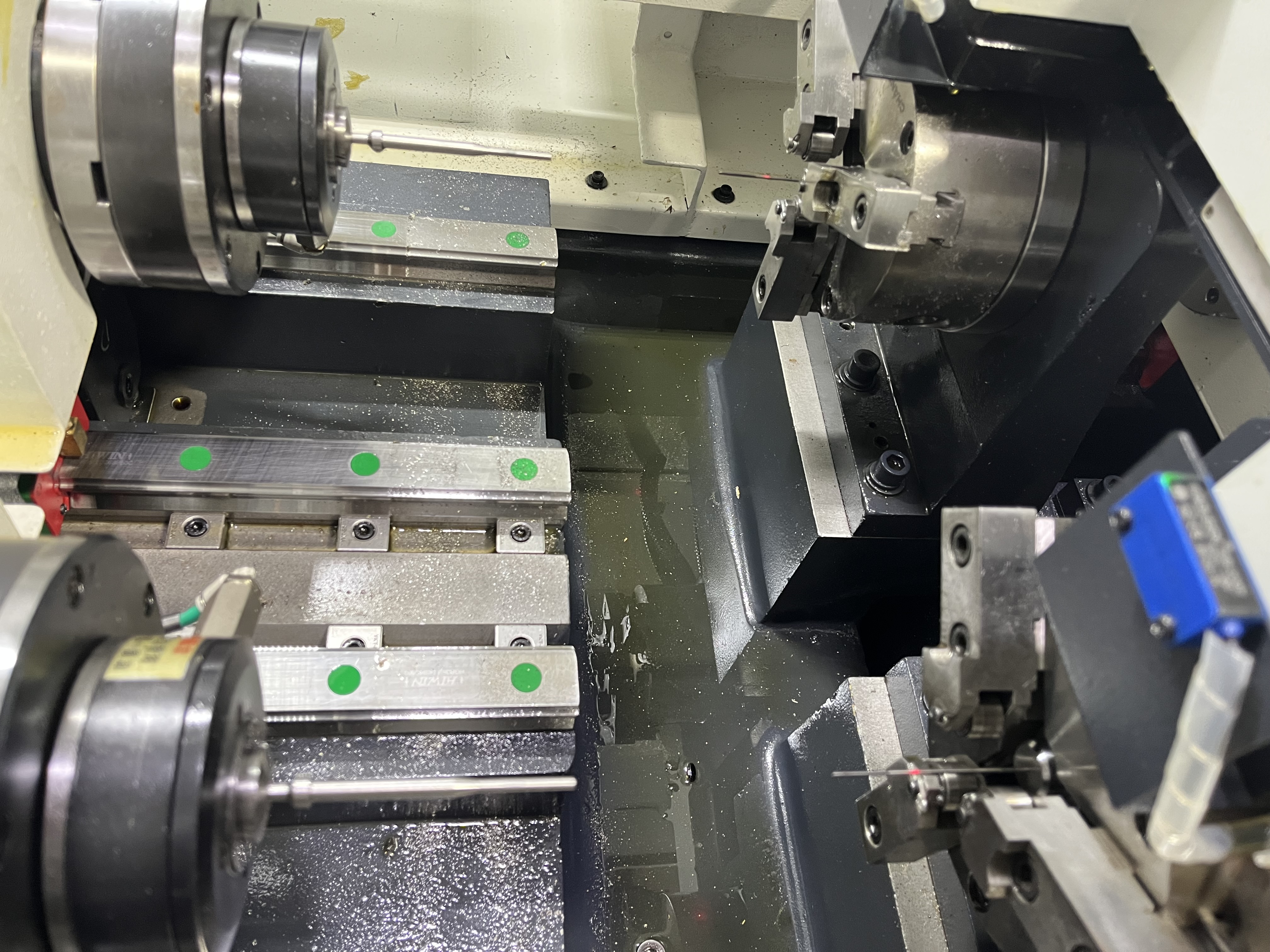
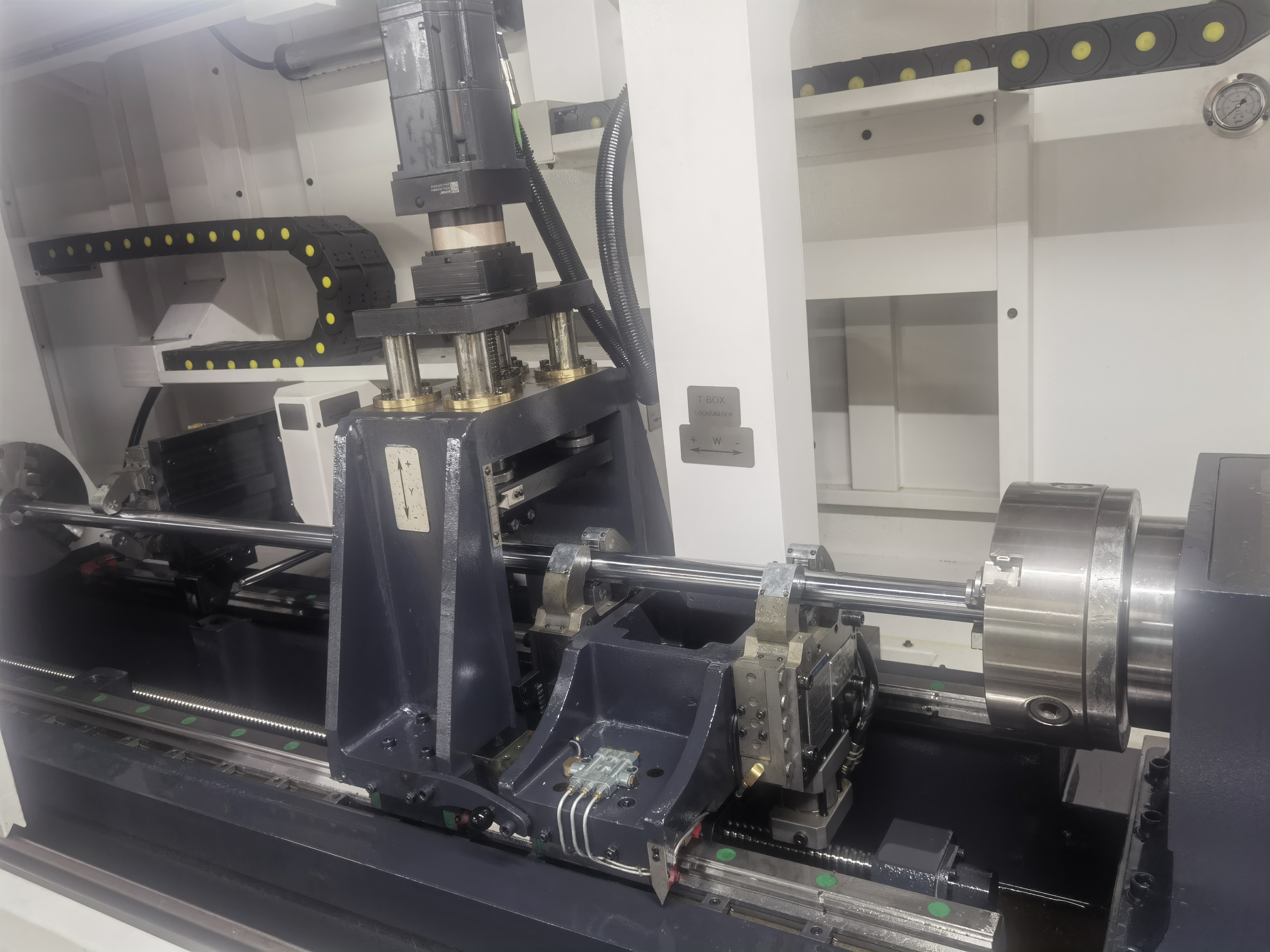
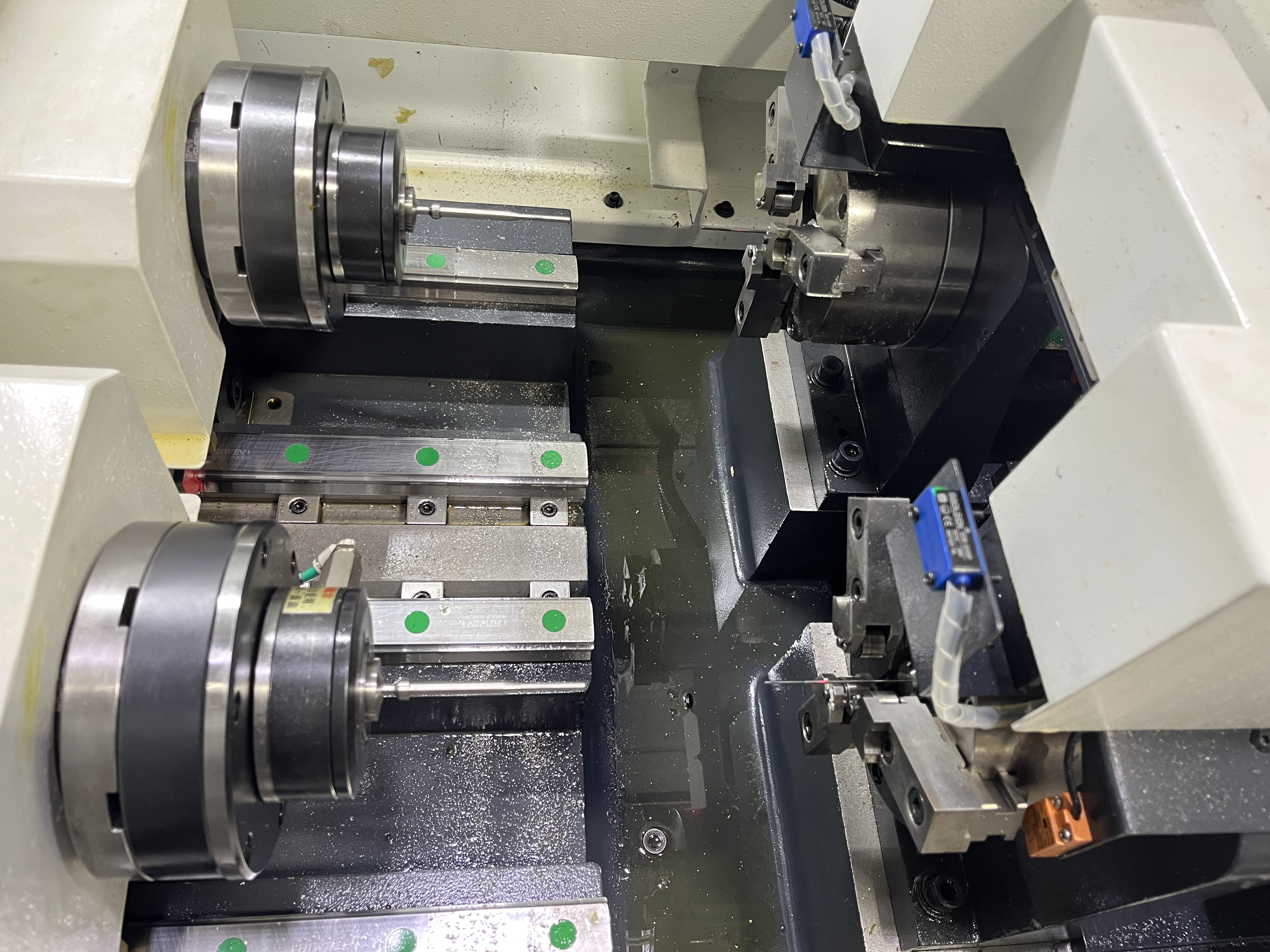
Real problems, real solutions, no fluff. I have spent years working across multiple shops running gun drilling, BTA drilling, and ejector drilling machines — setting up jobs, troubleshooting coolant pressure and chip evacuation issues, drilling deep holes in everything from hydraulic cylinders to aerospace titanium. This site is where I share what I have learned.
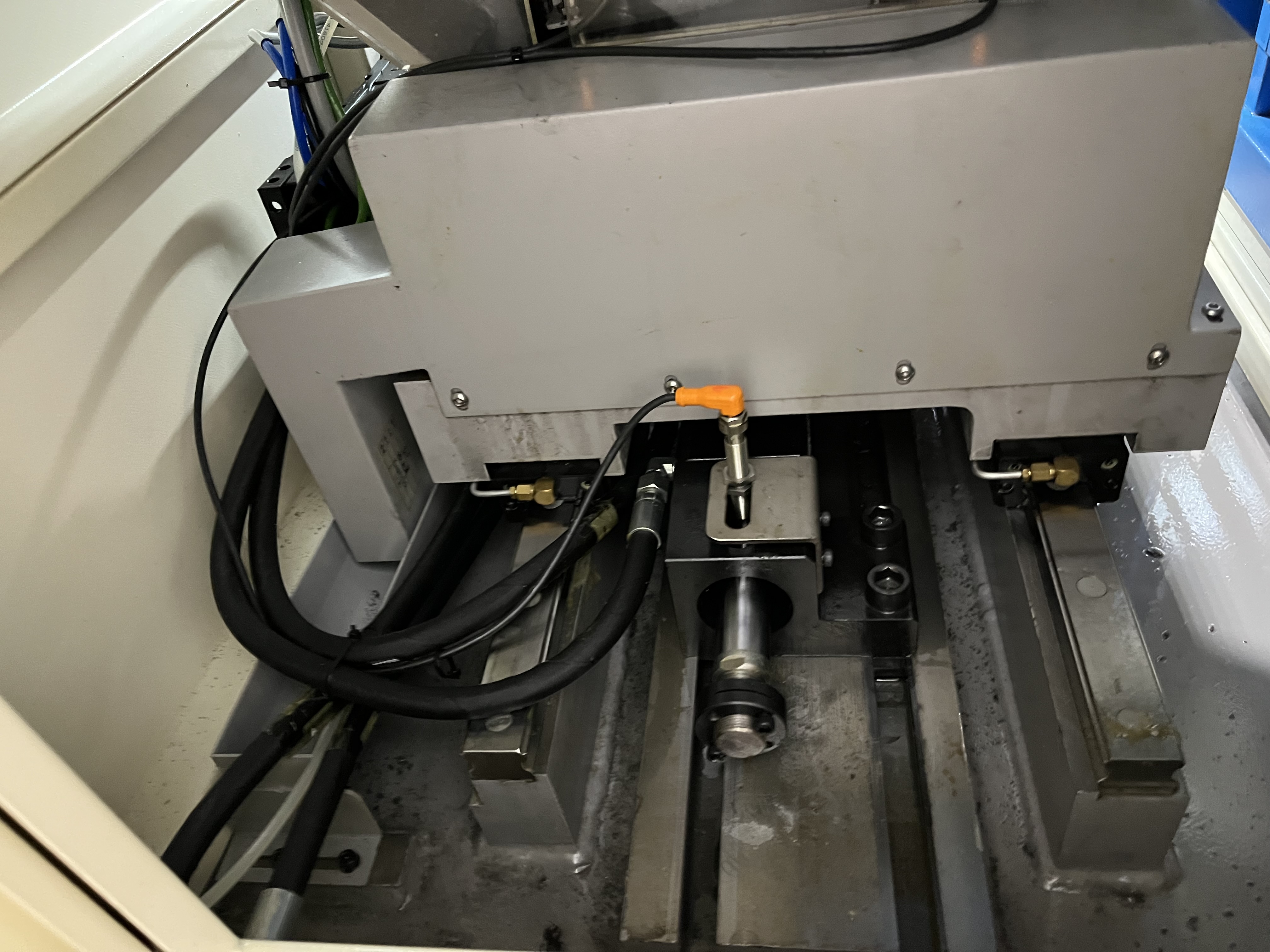
Why I Stopped Trusting Coolant Pressure Gauges
I was running a job that still haunts me a little when I think about it. Forty titanium shafts, aerospace grade Ti-6Al-4V, each one needed a 14mm hole drilled 600mm deep. The material alone was worth about eight hundred dollars per shaft, and the customer had a delivery date that did not have any slack. The machine was a UNISIG BTA system with a 200-gallon coolant tank and a pump rated at 2000 psi. The gauge on the pump console read 1500 psi steady, which was right where it should be for that diameter and depth. Everything looked good on paper. ...
Why Machine Warm-Up Matters for Deep Hole Drilling Accuracy
The Thermal Reality of Machine Tools Every machine tool changes shape as it warms up. Steel expands by roughly 0.012mm per meter for every 1 degree C temperature increase. A 2-meter bed that heats up by 5 degrees C grows by 0.12mm. That is enough to push a hole out of tolerance. I have measured this on my own machines. A cold machine at 18 degrees C in the morning produces different hole positions than the same machine at 28 degrees C after running for two hours. The difference is not hypothetical — it shows up on every first-part inspection. ...
Why Pilot Holes Matter in Gun Drilling
The Pilot Hole Is the Foundation A gun drill has a single cutting edge offset from the centerline. It does not self-center like a twist drill. The pilot hole is the only thing keeping the gun drill tip in position during the first critical millimeters of engagement. I have tested gun drilling with and without a proper pilot hole on the same material. Without a pilot hole, the gun drill wandered 0.15mm off-center in the first 10mm of drilling. With a properly sized pilot, the same drill stayed within 0.02mm of the centerline for the entire hole. ...
Why Proper Spot Facing Matters Before Deep Hole Drilling
Why Spot Facing Is Not Optional Spot facing creates a flat surface at the hole entry point that is perpendicular to the drill axis. Without it, the drill enters a curved or angled surface and the tip deflects on contact. That deflection at entry starts the hole off-center. I have seen operators skip spot facing to save time. The logic sounds reasonable — why take an extra pass if the part surface looks flat? The problem is that looks are deceiving. A surface that appears flat to the eye can be 0.1mm out of perpendicular. ...
Workholding for Deep Hole Drilling: Steady Rests, Chucks, and Fixtures
Workholding is more important in deep hole drilling than in most other machining operations. The cutting forces are high, the cycle times are long, and a part that shifts even 0.1mm during drilling can produce a scrap bore. I’ve used many workholding methods for deep hole drilling. Each has its place depending on the part geometry and production volume. Chucks Chucks are the standard method for holding round parts. A three-jaw or four-jaw chuck grips the OD of the part at the headstock end. The chuck provides the rotational drive if the workpiece rotates. ...
Workpiece Surface Defects That Transfer to Deep Holes
How Surface Defects Affect the Bore Surface defects on the workpiece do not stay on the surface. They transfer into the bore during deep hole drilling. The drill encounters the defect at the entry point and carries the effect of that encounter throughout the hole. I have seen a part with a 0.2mm-deep rust pit on the entry surface. The drill hit the edge of the pit and deflected. The resulting hole was 0.15mm off center at 200mm depth. The defect was on the surface, but the problem was in the bore. ...
Cast Iron Deep Hole Drilling: Graphite Dust, Abrasive Wear, and What I've Learned
Cast Iron Deep Hole Drilling: Graphite Dust, Abrasive Wear, and What I’ve Learned Cast iron is one of those materials that looks easy on paper. It is machinable, it is relatively cheap, and the chips come off short and brittle. But after drilling thousands of holes in gray iron, ductile iron, and compacted graphite iron (CGI) for hydraulic valve bodies, pump housings, and machine tool components, I can tell you that “cast iron” is not one material — it is a family, and each member treats your tooling differently. ...
Coolant Concentration Measurement and Control for Deep Hole Drilling
I have watched more than one shop chase tool breakage for a week only to discover the coolant was running at half the recommended concentration. Coolant concentration is the kind of variable that does not announce itself. It drifts slowly, a tenth of a point at a time, until one day nothing works right anymore. Here is how I measure it, what the numbers should be, and what to do when they are wrong. ...
Coolant Contamination in Deep Hole Drilling: Detection, Effects, and Prevention
What I Mean by Coolant Contamination Coolant in deep hole drilling does more than cool. It flushes chips, lubricates the cut zone, and protects the machine from corrosion. When contamination sets in, every one of those jobs suffers. I have walked onto floors where operators blamed the tool, the feed rate, or the material — only to find the real culprit was degraded coolant. Here is what I look for. ...
Deep Hole Drilling Accuracy: What Tolerances Can You Actually Hold?
Deep Hole Drilling Accuracy: What Tolerances Can You Actually Hold? Every customer who walks through my shop door asks the same question: “What can you actually hold?” The textbook says one thing. My CMM reports say another. Here is what I have measured across thousands of parts over the last decade. Diameter Tolerance by Process and Range I run gun drilling, BTA, and reaming every day. Each process lands in a different IT-grade band, and the diameter range changes what is realistic. ...