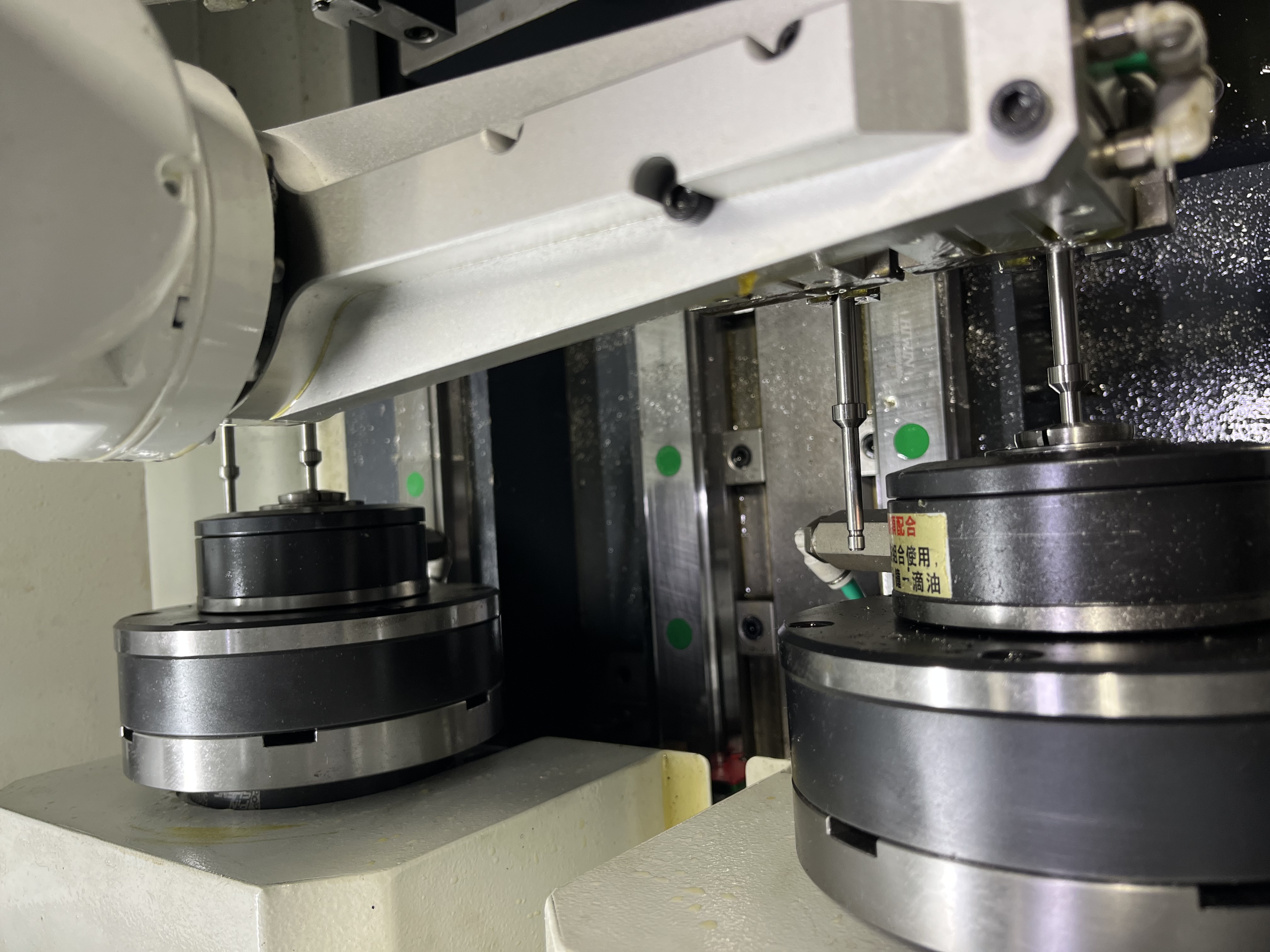
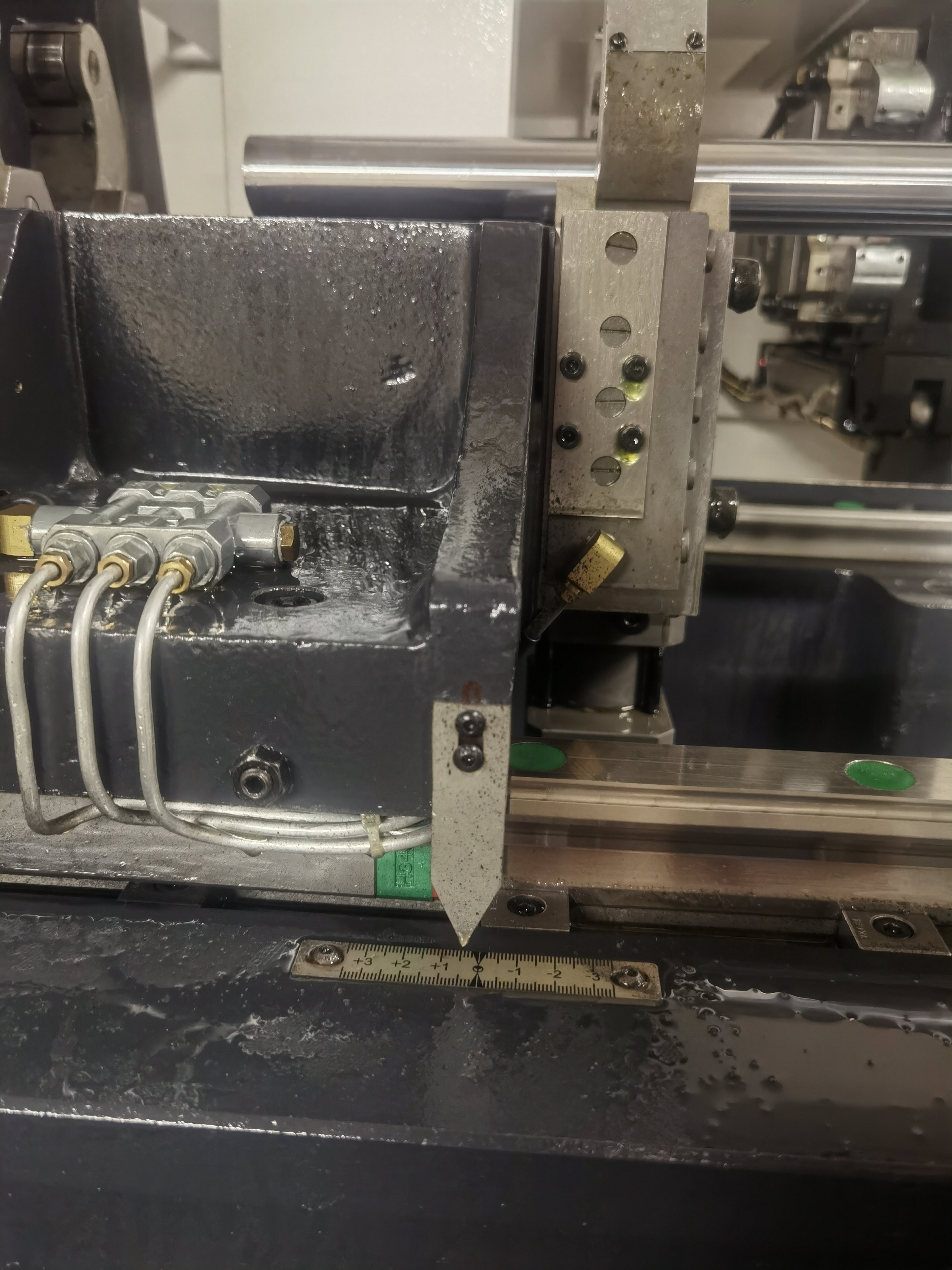
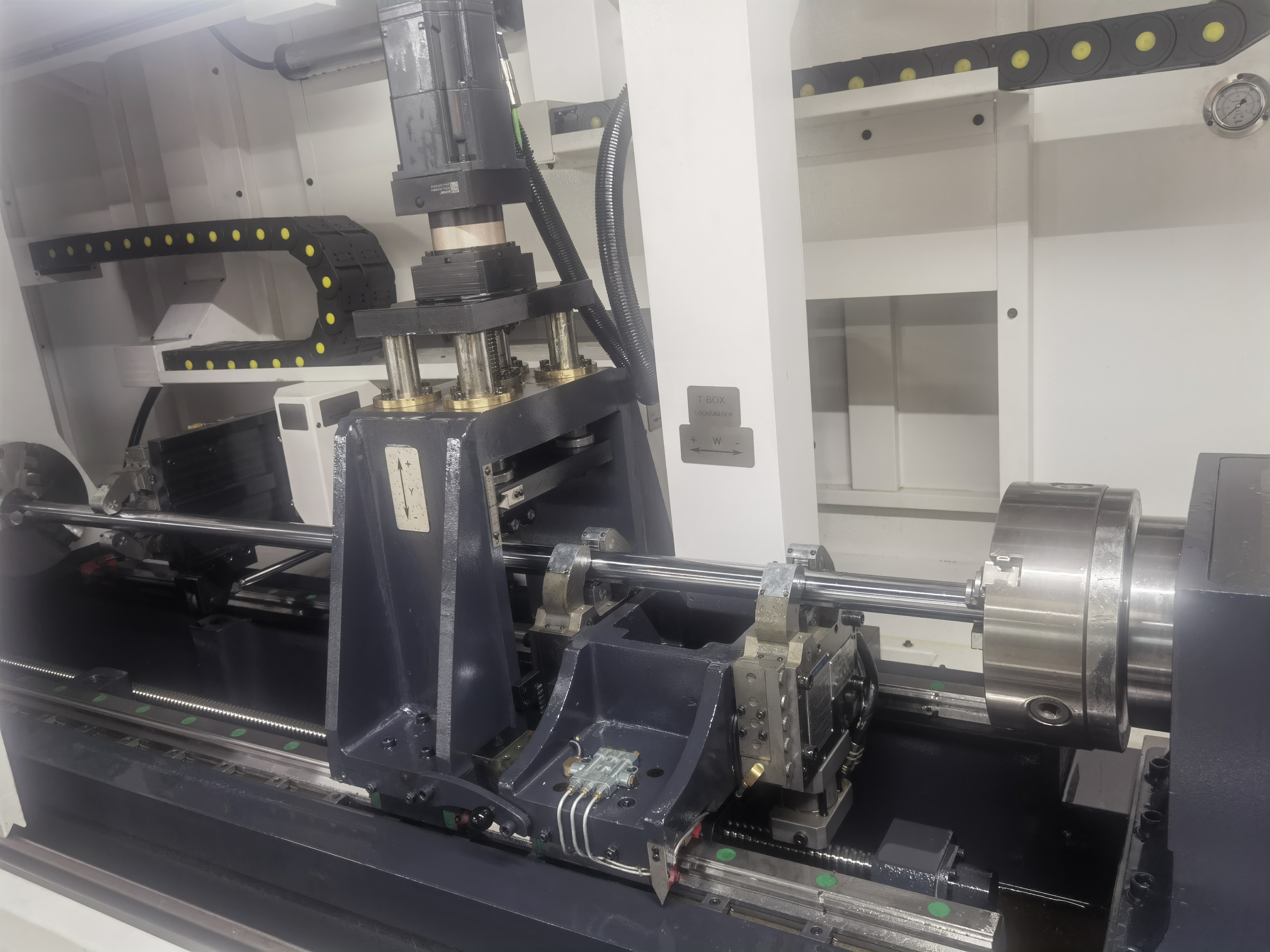
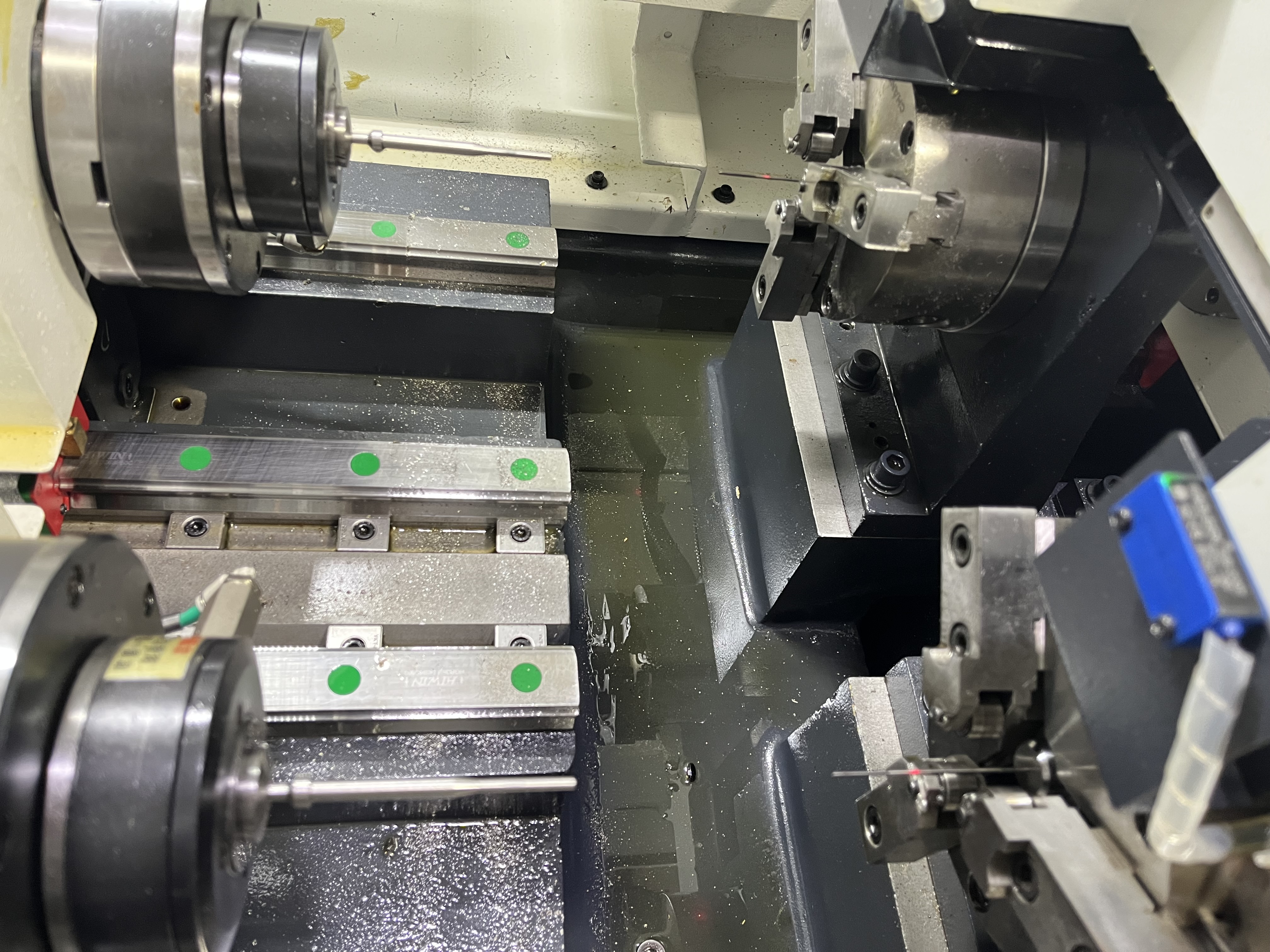
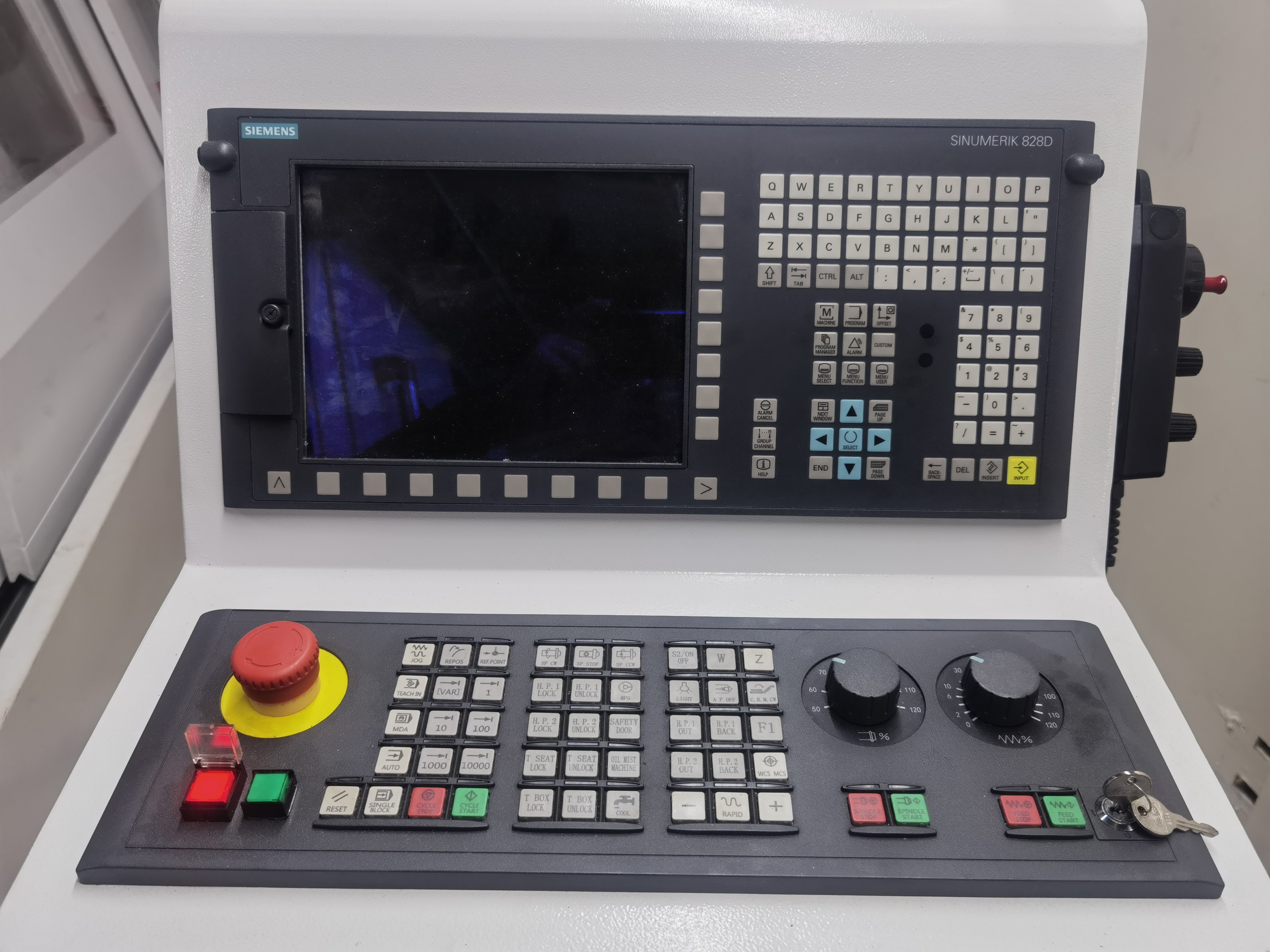
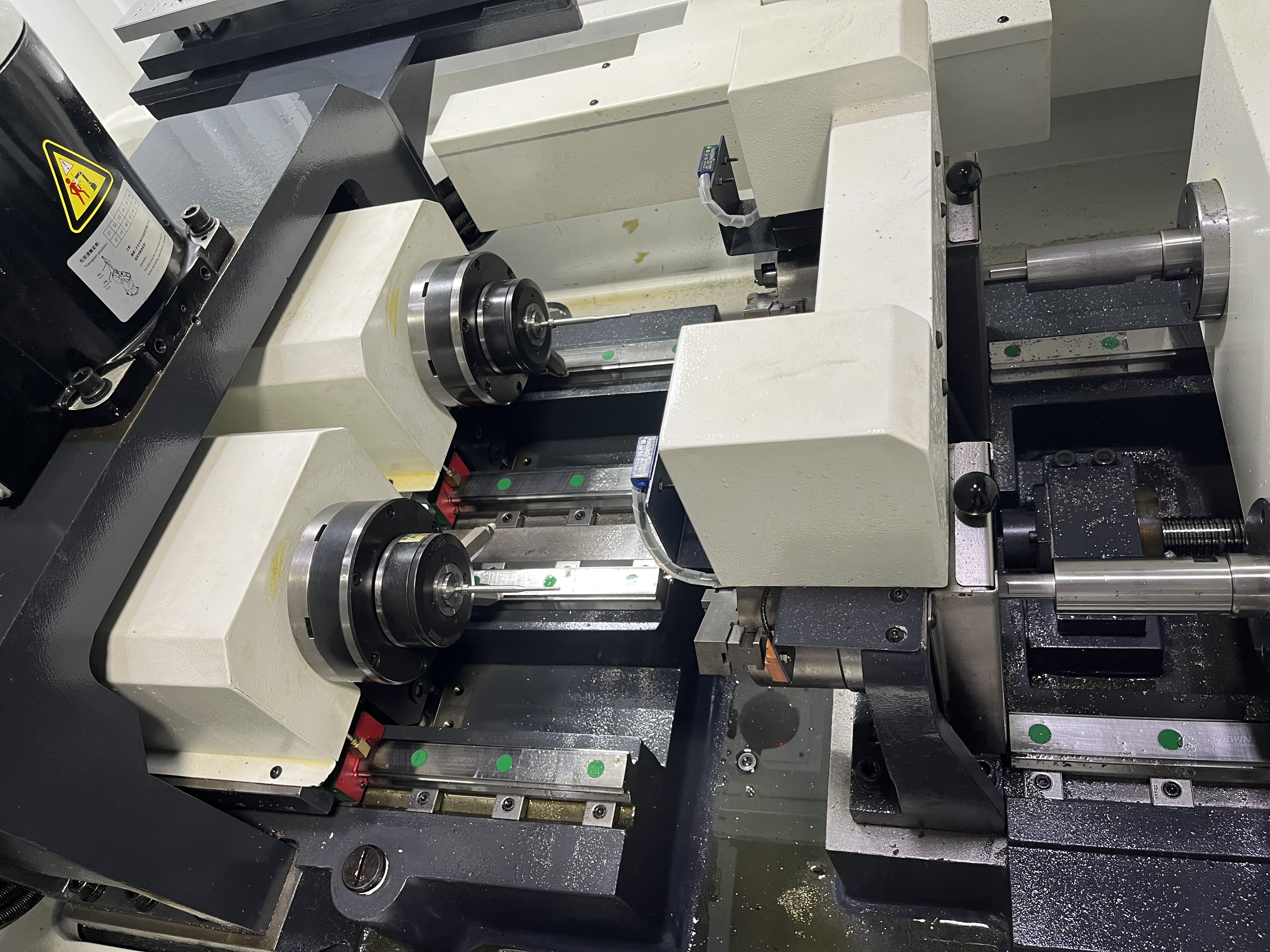
Real problems, real solutions, no fluff. I have spent years working across multiple shops running gun drilling, BTA drilling, and ejector drilling machines — setting up jobs, troubleshooting coolant pressure and chip evacuation issues, drilling deep holes in everything from hydraulic cylinders to aerospace titanium. This site is where I share what I have learned.
Cross-Training Operators on Gun Drill and BTA Machines
Cross-training operators to run both gun drilling and BTA machines increases shop flexibility. When one operator is out, another can step in without losing production time. In my shop, we run both processes daily, and before I implemented the cross-training program, we had three dedicated gun drill operators and two dedicated BTA operators who could not cover each other. One sick call meant a machine sat idle. Training Timeline and Structure The training takes about 2-3 weeks for an operator who already knows one machine type. The trainee learns the differences in tooling, parameters, and troubleshooting between the two processes. I break the training into three phases: observation, supervised operation, and independent operation. ...
Cylinder Drilling for Hydraulic Excavator Booms
Excavator boom cylinders are among the largest hydraulic cylinders I work on. A cylinder for a 30-ton excavator might have a 160mm bore through 2.5 meters of barrel. The rod is typically 100mm diameter with a 40mm through-hole for weight reduction. These cylinders operate at 300-400 bar and see heavy shock loading. I have drilled cylinders for excavators ranging from 5-ton mini excavators up to 120-ton mining-class machines, and the scaling laws for drilling parameters are not linear. ...
Daily Machine Inspection Checklist for Deep Hole Drilling
A daily inspection checklist is not paperwork for the sake of paperwork. I have caught three incipient machine failures in the past year during the five-minute walk-around that operators do at the start of each shift. A spindle bearing that was starting to run hot, a coolant leak that would have contaminated the way covers, and a loose gib strip on a box way machine. None would have been caught by the weekly inspection because they were progressing slowly. ...
Data Collection for Deep Hole Drilling Machine Performance
If you are not collecting data from your deep hole drilling machines, you are flying blind. I have implemented data collection systems in a dozen shops, and every time the data revealed an opportunity that nobody expected. A machine that everyone thought was running at 85% efficiency was actually at 62% when you counted the coolant system downtime that nobody was tracking. What to Collect The starting point is spindle runtime, cutting time, and cycle count. These three numbers tell you utilization. Most machine controls already track these. The trick is pulling them out and storing them where you can analyze them. ...
Deburring and Edge Finishing for Deep Holes: Methods That Actually Work
I have spent more hours than I care to count hunched over a lathe with a file in one hand and a flashlight in the other, trying to knock a burr off the exit of a deep-drilled hole without ruining the surface finish. Deburring a 3mm hole at 400 diameters is a different world from deburring a 75mm BTA bore, but the frustration is the same. Here is what I have learned about which methods actually work and which ones will send a part to the scrap bin. ...
Deep Hole Drilling for Additive Manufacturing and Hybrid Processes
Additive manufacturing is changing how we think about deep hole drilling. Instead of drilling a solid bar to create a hole, additive processes can build the part with the hole already partially formed. But the as-printed surfaces are not suitable for most engineering applications, so post-process drilling is still needed. I have worked with hybrid manufacturing processes that combine additive deposition with subtractive machining in the same machine. The deep hole drilling step comes after the additive build, and it presents unique challenges compared to drilling from wrought material. The approach to selecting a machine for the application becomes more complex when the machine must serve both additive and subtractive functions. ...
Deep Hole Drilling for Aerospace Landing Gear Components
Landing gear components are the most structurally critical deep hole drilling jobs I have taken on. Every strut, axle, and pin carries the full weight of an aircraft during takeoff, landing, and taxi. A hidden drilling defect — a chip notch, a deviated bore, a surface tear — can become a crack initiation site that grounds a fleet. The materials are ultra-high-strength steels hardened past 50 HRC, the bores run deep, and the inspection standard is zero defects. ...
Deep Hole Drilling for Agricultural Equipment
Agricultural equipment is not always the first industry people think of for deep hole drilling, but I have done more work for tractor and harvester manufacturers than for almost any other sector. These machines use an enormous number of hydraulic cylinders, and those cylinders need deep, straight bores. What sets agricultural work apart from, say, aerospace or oil and gas is the volume. Agricultural component manufacturers run high production rates, and the cycle time matters more than getting the last 0.01mm of tolerance. ...
Deep Hole Drilling for Brake and Coupling Components
Brake components and couplings are not the first parts that come to mind when I think about deep hole drilling. But over the years, I have done a surprising amount of work on brake calipers, master cylinders, coupling hubs, and universal joints. These components share two characteristics: they need tight bore tolerances for fitment, and they are often made from castings or forgings that present unique drilling challenges. Brake Caliper Drilling A brake caliper has two critical bores: the piston bore and the fluid passage. The piston bore is 30-60mm in diameter and 50-100mm deep. The fluid passage is a smaller hole – 4-10mm – that connects the master cylinder to the caliper. ...
Deep Hole Drilling for Castings and Forgings
Castings and forgings are the starting point for many deep hole drilling jobs. The part starts as a rough shape, and I have to put a precision bore through it. The problem is that neither castings nor forgings are uniform materials – they have scale on the surface, internal voids, and inconsistent grain structure from the forming process. I have learned to treat every casting and forging as a potential problem until proven otherwise. The first hole tells me what the rest will be like. ...