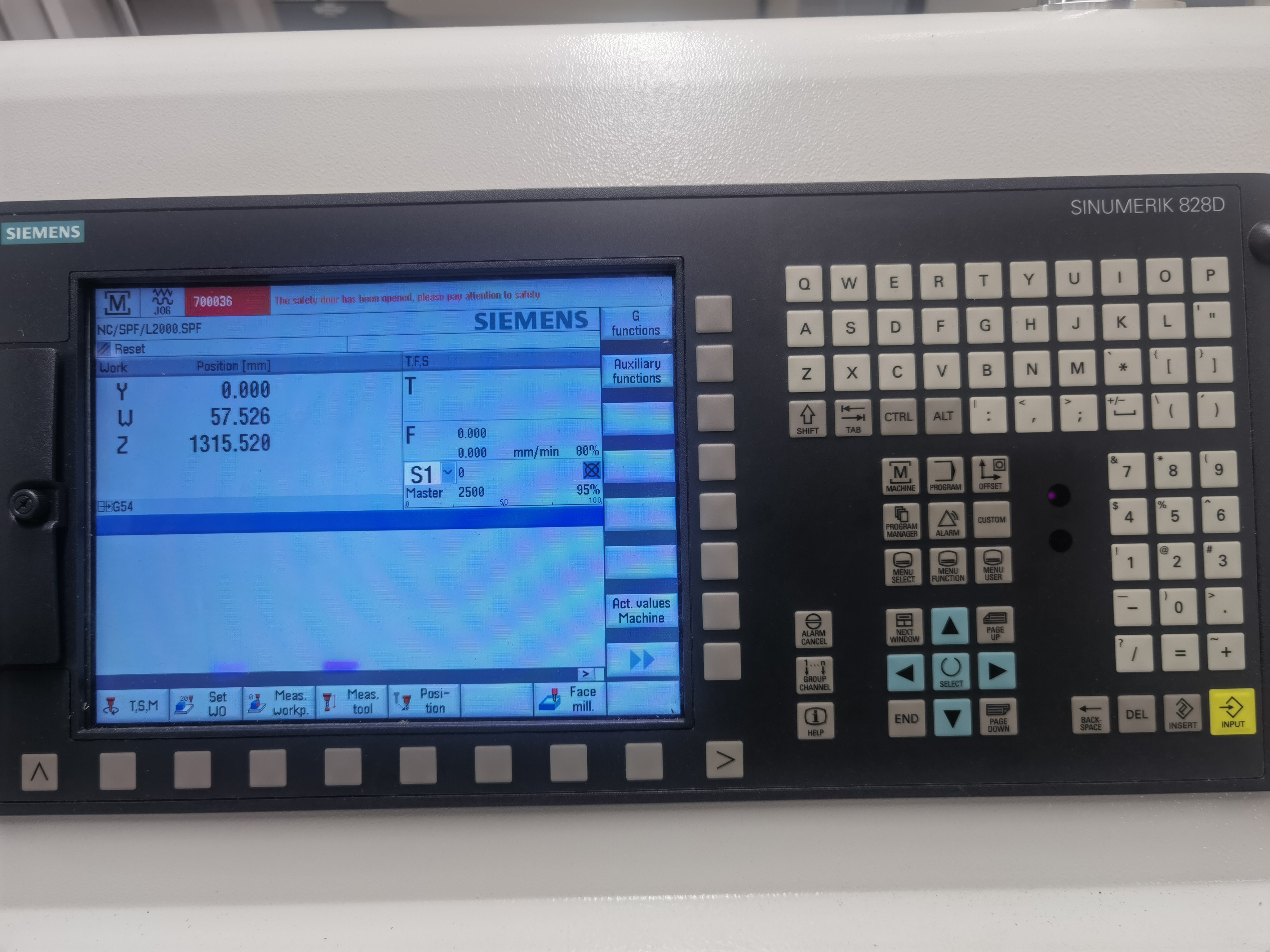
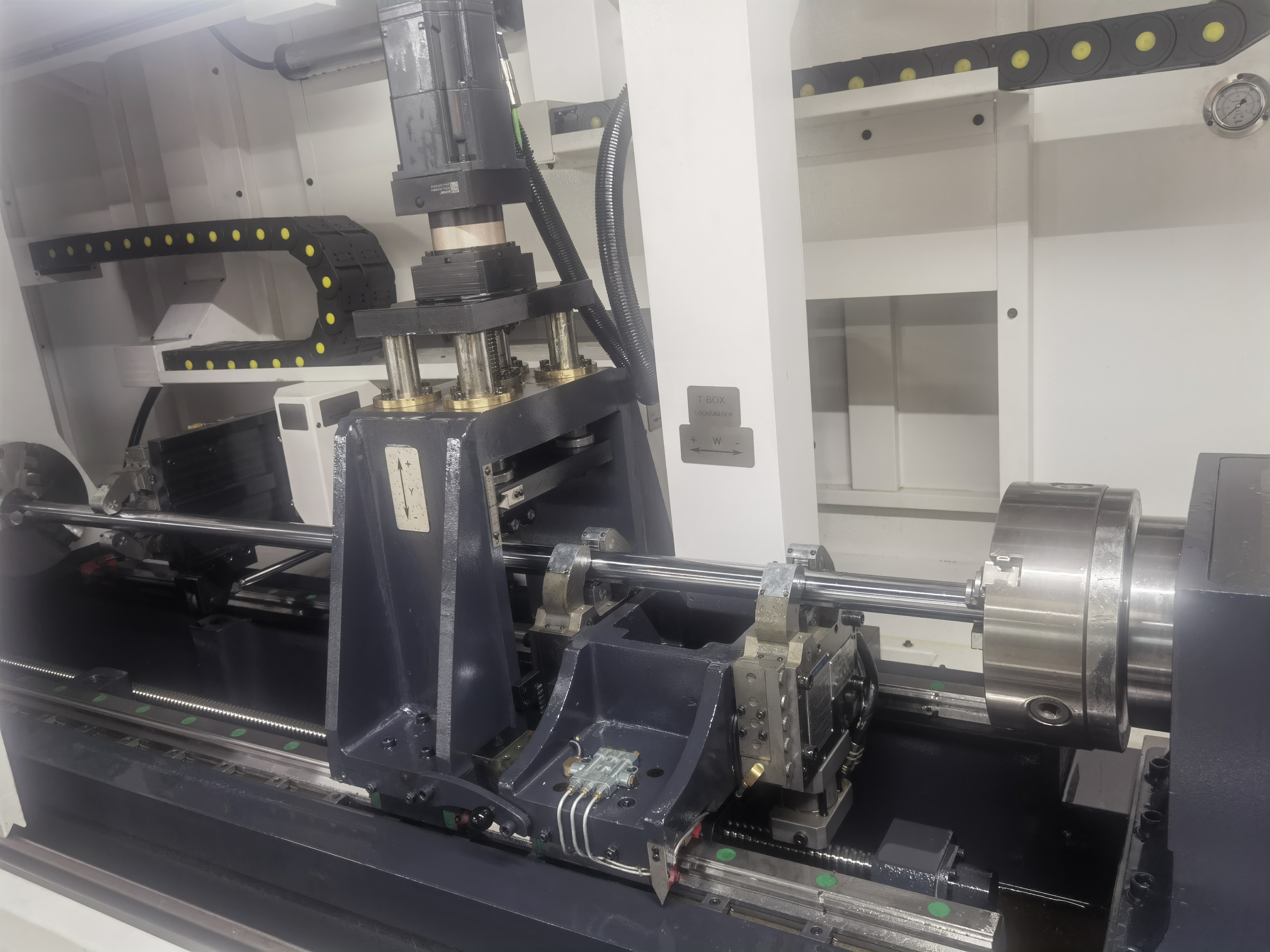
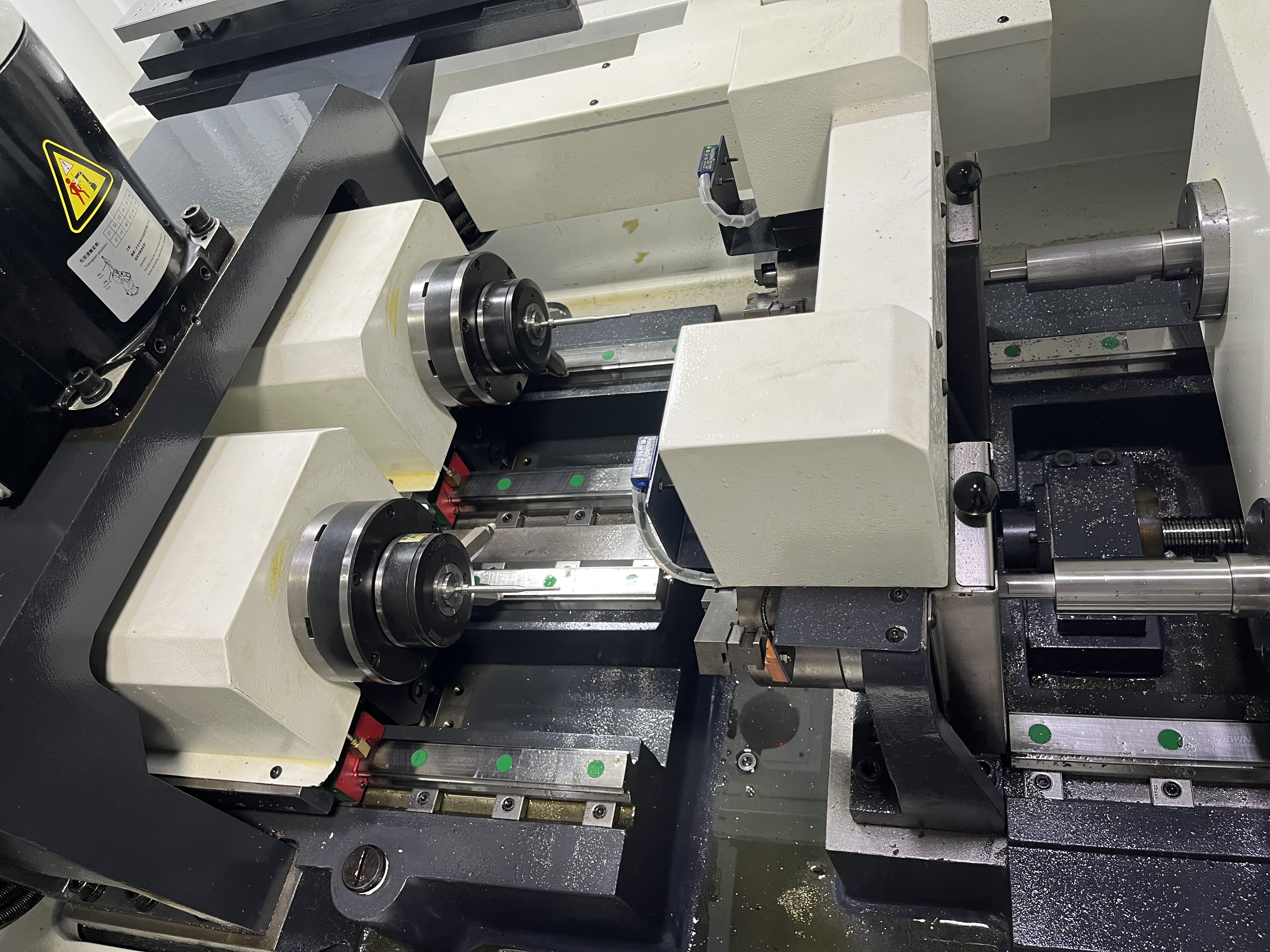
Real problems, real solutions, no fluff. I have spent years working across multiple shops running gun drilling, BTA drilling, and ejector drilling machines — setting up jobs, troubleshooting coolant pressure and chip evacuation issues, drilling deep holes in everything from hydraulic cylinders to aerospace titanium. This site is where I share what I have learned.
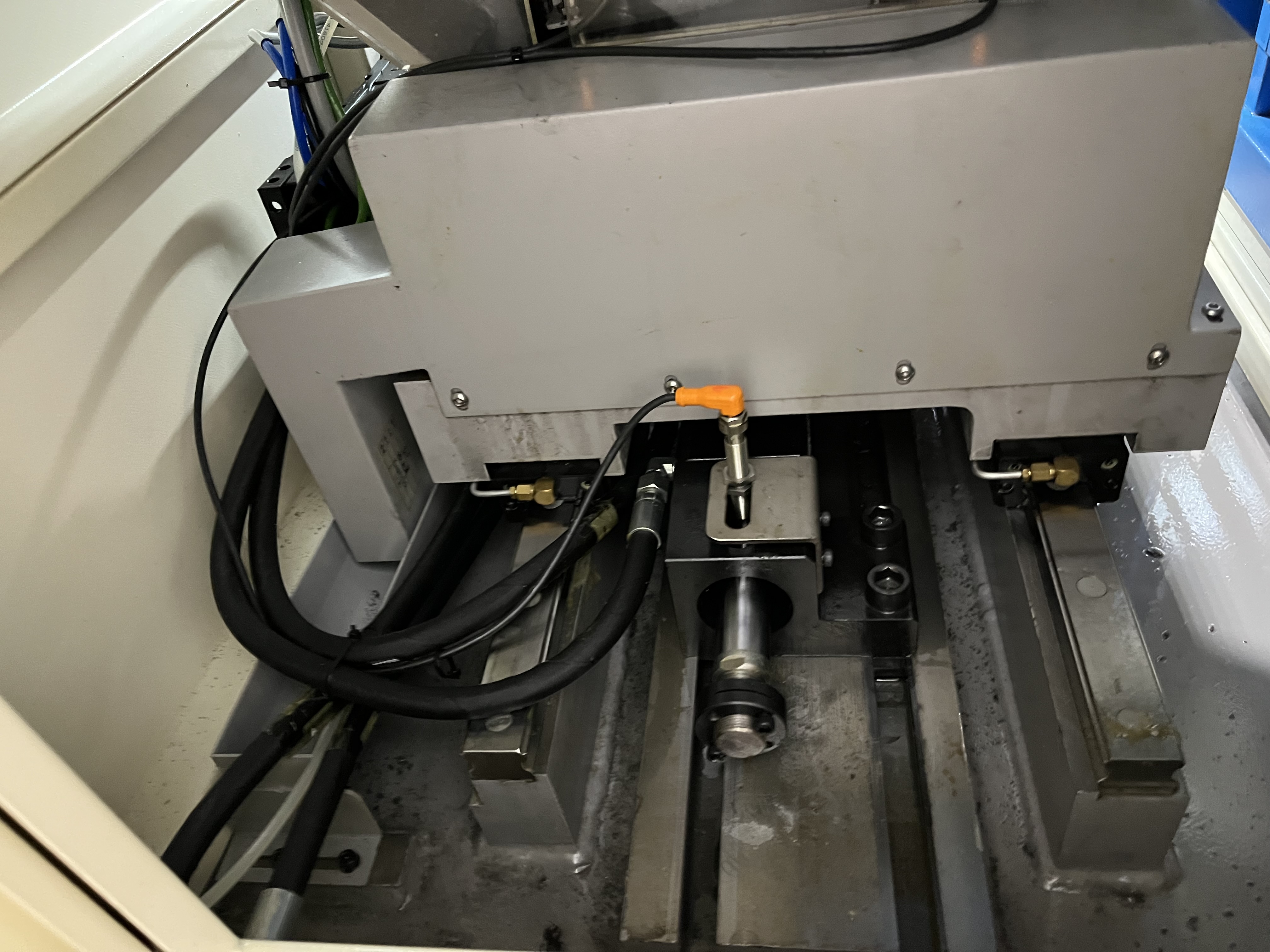
Deep Hole Drilling for Chemical Processing Equipment
Chemical processing equipment operates in aggressive environments. Reactors, heat exchangers, columns, and piping must withstand corrosive chemicals at high temperatures and pressures. The deep hole drilling work in this industry centers on components made from corrosion-resistant alloys. I have drilled components for chemical plants producing fertilizers, petrochemicals, specialty chemicals, and pharmaceuticals. The material grades and quality requirements vary by application, but the common thread is corrosion resistance. The tube sheet drilling described here builds on general heat exchanger tube sheet drilling with additional considerations for corrosion-resistant alloys. ...
Deep Hole Drilling for Composite and Non-Metallic Materials
Deep hole drilling was developed for metals, but modern manufacturing requires drilling holes through composites and non-metallic materials too. Carbon fiber reinforced polymers, fiberglass, technical ceramics, and engineered plastics all need precision bores for various applications. I have drilled composite components for aerospace, automotive, medical, and industrial applications. The materials behave differently than metals, and the drilling parameters must be adjusted accordingly. For related work on difficult-to-machine materials, see BUE and aluminum gun drilling and micro-hole deep hole drilling. ...
Deep Hole Drilling for Construction and Mining Equipment
Construction and mining equipment is built to survive extreme conditions. Excavators, bulldozers, drill rigs, haul trucks, and loaders all rely on hydraulic cylinders, boom arms, and structural components that need deep hole drilling. I have drilled thousands of holes in these parts over the years. The one thing that stands out is that consistency matters more than speed. A broken drill in a 3-meter-long cylinder barrel costs a full shift to extract. ...
Deep Hole Drilling for Firearms and Gun Barrels
Gun barrel drilling is the original deep hole drilling application. The process we call gun drilling was developed specifically for drilling straight, small-diameter holes through long steel bars to make rifle and firearm barrels. Despite being over a century old, the fundamentals have not changed much. I have drilled barrels for hunting rifles, competition firearms, and military applications. The requirements vary by application, but the core challenge is always the same: drill a hole that is straight, round, and smooth through a bar that may be 40 to 80 times longer than the hole diameter. At these L/D ratios, the principles of micro-hole deep hole drilling become relevant even though gun barrel bores are larger in absolute terms. ...
Deep Hole Drilling for Gears and Transmissions
Gears and transmission components are designed to transmit power efficiently, and every hole drilled in them serves a specific purpose. I have drilled thousands of oil holes in gear teeth, lubrication passages through transmission shafts, and weight-reduction bores in gear blanks. The challenge with transmission components is that they are heat treated after machining. The drilling has to be done before heat treatment (while the material is still machinable), or with special tooling after heat treatment. ...
Deep Hole Drilling for Generator Shafts
Generator shafts connect the turbine to the generator rotor. They need a through-hole for the rotor assembly tie bolts and for cooling air circulation. The shaft is typically 4-8 meters long with a 100-300mm bore depending on the generator size. In my experience, the bore quality directly impacts rotor balance and cooling efficiency, both of which affect generator reliability over decades of service. Material Selection and Forging Considerations The material is usually a high-strength steel forging like 25CrMo4 or 34CrNiMo6. The shaft weight can be 10-30 tons. The bore concentricity requirement is typically within 0.5mm of the shaft centerline. ...
Deep Hole Drilling for Heat Treated Components
Heat treated components are everywhere in deep hole drilling – transmission shafts, hydraulic cylinder rods, landing gear struts, and tooling components all go through the heat treater before or after the bore is machined. The question of whether to drill before or after heat treatment comes up on almost every job. The answer depends on the tolerance requirement, the material hardness, and the part geometry. I have done it both ways and learned the hard way what works. ...
Deep Hole Drilling for Heavy Equipment Components
Heavy equipment covers a broad range of machinery – cranes, excavators, bulldozers, mining trucks, forestry equipment, and material handlers. These machines operate under extreme loads, and the deep hole bores in their components carry those loads reliably for years. I have worked on everything from 200-ton mining truck suspension cylinders to 50-meter crane boom sections. The common thread is that the parts are large, the materials are tough, and the consequences of a bad bore are serious. ...
Deep Hole Drilling for HVAC and Refrigeration Components
HVAC and refrigeration might not be the first industry you associate with deep hole drilling, but it uses a surprising volume of drilled components. Compressor shafts, connecting rods, heat exchanger tube sheets, and valve bodies all need precision bores. I have drilled components for commercial HVAC chillers, industrial refrigeration systems, and residential heat pumps. The volume is high and the tolerances are moderate compared to aerospace or medical work. The compressor components share similarities with automotive deep hole drilling in terms of production volume and material types. ...
Deep Hole Drilling for Injection Molding Machine Parts
Injection molding machines are workhorses of the plastics industry. Every machine has tie bars, plasticizing barrels, and platens that require deep hole drilling. These components operate under high pressure and cyclic loading, so the bore quality directly affects machine reliability. I have drilled injection molding machine components for several OEMs over the years. The parts range from 2-meter tie bars to 4-meter plasticizing barrels with complex internal geometries. Tie bars in particular share similarities with general long shaft deep hole drilling but with specific requirements for hydraulic oil passage bores. ...