Deep Hole Drilling

Deep Hole Drilling Tech Blog

Real problems, real solutions, no fluff. I have spent years working across multiple shops running gun drilling, BTA drilling, and ejector drilling machines — setting up jobs, troubleshooting coolant pressure and chip evacuation issues, drilling deep holes in everything from hydraulic cylinders to aerospace titanium. This site is where I share what I have learned.
Deep Hole Drilling for Medical Bone Screws and Trauma Implants

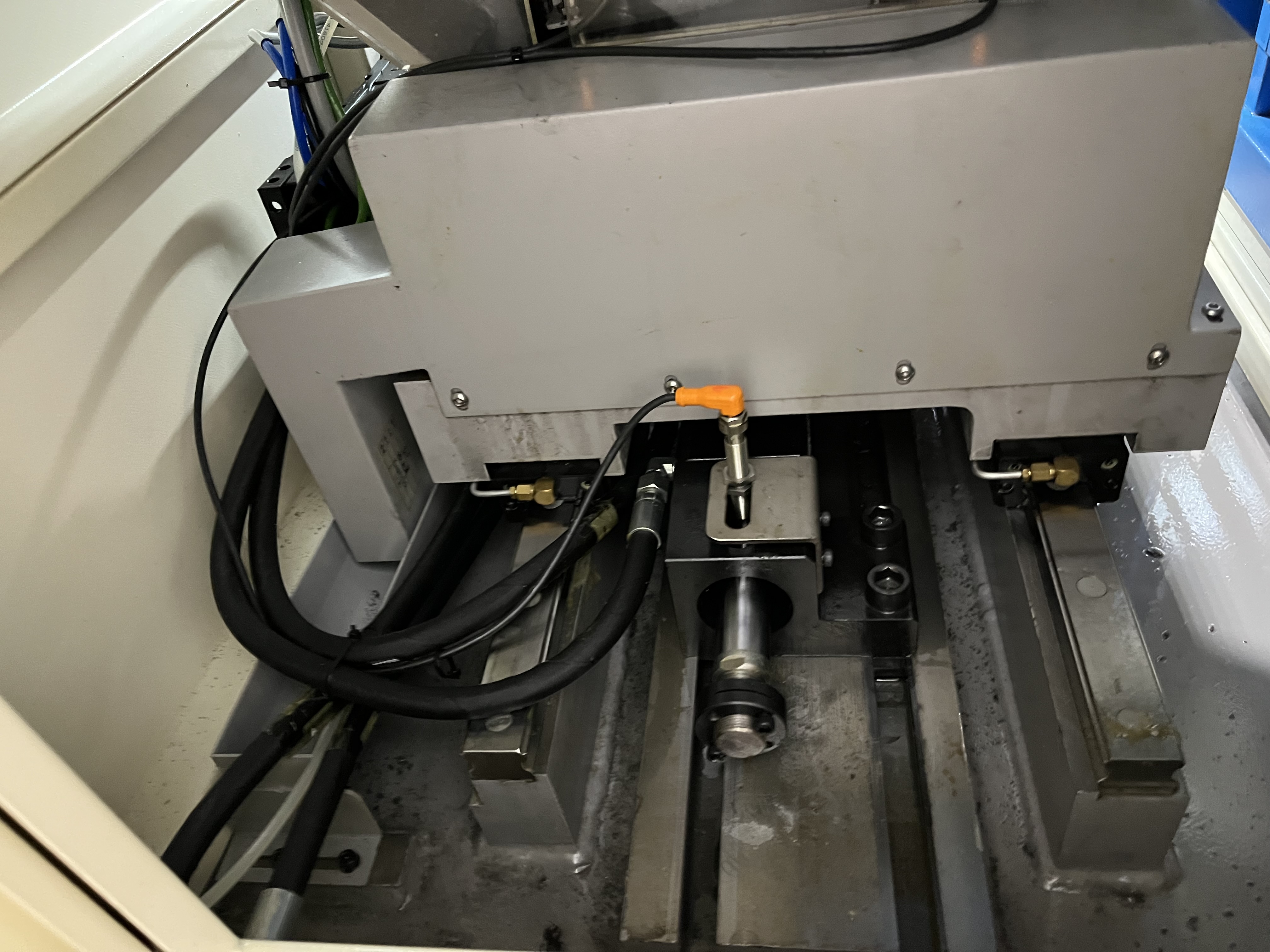
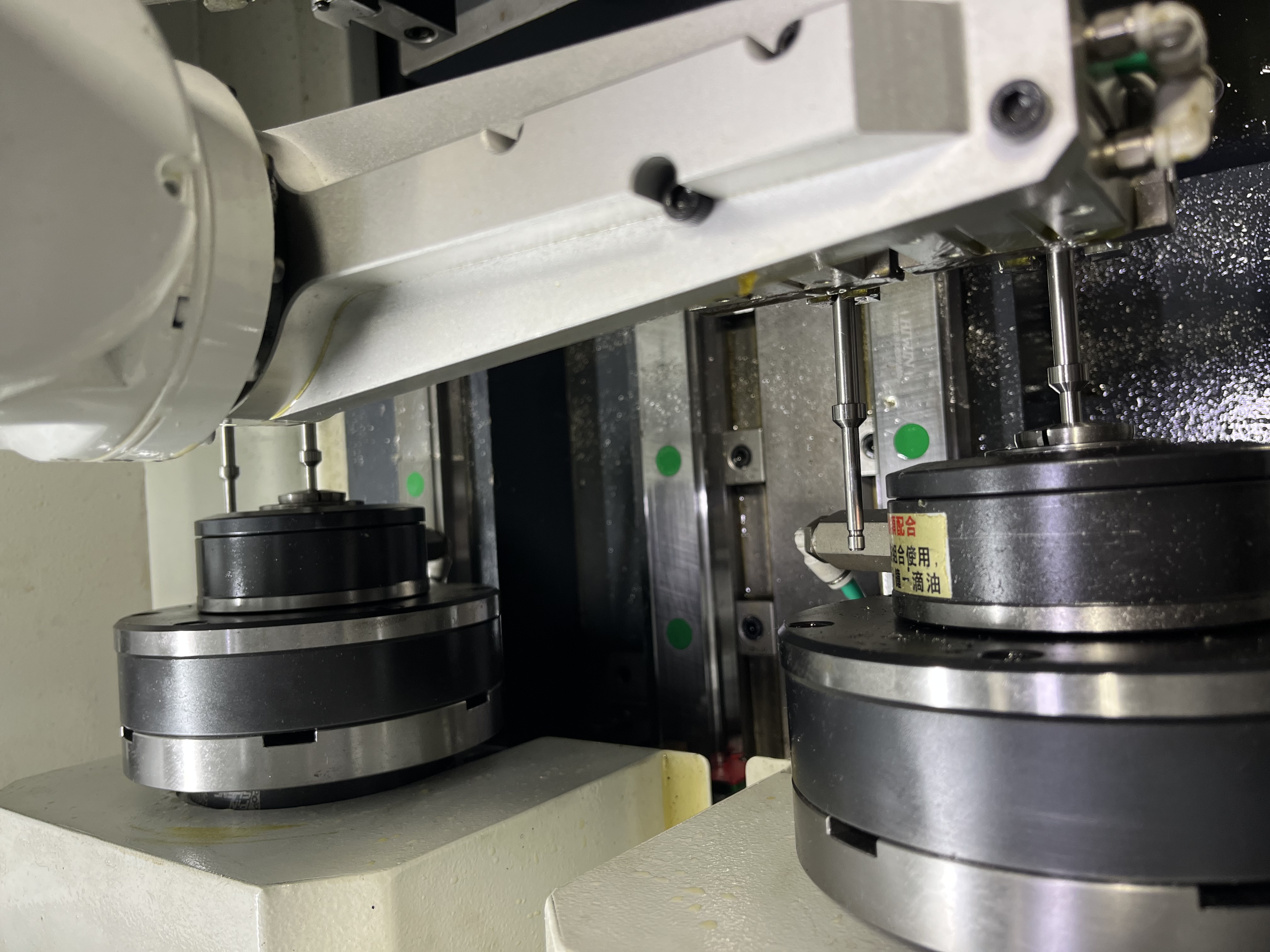
Bone screws are one of the most demanding deep hole drilling applications I have worked on. They look simple — a threaded shaft with a hole through the middle — but that center hole is the reason I treat every bone screw job with extra care. The diameter range is 1 mm to 4 mm, the lengths go up to 150 mm, and the materials are surgical-grade alloys that do not cut easily. ...

June 16, 2026 · Engineer at the Deep Hole

Deep Hole Drilling for Mining Hydraulic Cylinders: Big Bores, Tough Conditions

Mining cylinders are the biggest, heaviest deep hole drilling jobs I take on. Everything about them is oversize — the bore diameters, the stroke lengths, the raw material weights. A typical cylinder for a surface mining dump truck or a longwall roof support runs 200-350mm bore through 3-4 meters of barrel. That is a lot of steel to remove, and the machine time adds up fast. I have drilled cylinders for excavators, haul truck hoists, roof supports, and drill rig masts. The approach differs from standard hydraulic cylinder work because the scale changes everything — tooling selection, machine setup, coolant delivery, and material handling all have to be rethought for the large-bore regime. Here is what I have learned. ...

June 16, 2026 · Engineer at the Deep Hole

Deep Hole Drilling for Nuclear Components

Nuclear power components are in a class of their own when it comes to quality requirements. Every part that goes into a nuclear power plant must meet ASME Section III or equivalent standards. The documentation, traceability, and inspection requirements are more demanding than any other industry I have worked with. I have drilled components for nuclear power plants including reactor coolant pump shafts, control rod drive mechanisms, steam generator components, and main coolant line fittings. The common thread across all of these is the material: almost everything is stainless steel or a nickel-based alloy. The heat exchanger tube sheets in nuclear steam generators follow similar principles to general heat exchanger tube sheet drilling but with tighter tolerances and stricter documentation. ...

June 16, 2026 · Engineer at the Deep Hole

Deep Hole Drilling for Pharmaceutical Equipment Components

Pharmaceutical manufacturing equipment must meet strict hygienic design standards. Every surface that contacts the drug product must be cleanable, corrosion-resistant, and free of crevices where bacteria can grow. Deep hole drilling for pharmaceutical equipment focuses on components made from stainless steel with smooth, drainable bore surfaces. I have drilled components for tablet presses, fluid bed dryers, mixing vessels, and clean-in-place systems. The materials and finishes are driven by FDA and cGMP requirements. The hygienic design principles share ground with food processing deep hole drilling and sanitary fitting food drilling. ...

June 16, 2026 · Engineer at the Deep Hole

Deep Hole Drilling for Power Generation Components

Power generation equipment covers a broad range of machinery: steam turbines, gas turbines, generators, and hydroelectric components. Almost every large rotating assembly in a power plant needs a through-bore for inspection access, balancing, or cooling flow. I have drilled components for coal plants, nuclear plants, gas turbines, and hydroelectric stations. Each application has its own set of requirements, but they all share one thing: the parts are large, expensive, and cannot be replaced easily. The process is similar to steam turbine rotor drilling but scaled up significantly. ...

June 16, 2026 · Engineer at the Deep Hole

Deep Hole Drilling for Printing and Paper Machinery

Printing presses and paper making machines are built around large rollers and drums. Every roller in a printing press or paper machine needs a through-bore for heating, cooling, or weight reduction. Some of these rollers are the largest components I have ever drilled in the industrial roller category. I have drilled rollers for newspaper printing presses, commercial sheet-fed presses, and paper mill drying sections. The materials range from chilled cast iron to hardened steel to rubber-covered rollers with steel cores. Many of the principles from industrial roller deep hole drilling apply here, but the scale and material variety are greater. ...

June 16, 2026 · Engineer at the Deep Hole

Deep Hole Drilling for Railcar Couplers and Draft Gear

Railcar couplers and draft gear components are not the first thing that comes to mind for deep hole drilling, but I have done my share of them. The coupler needs a through-bore for the connecting pin that joins one car to the next. The draft gear housing needs bores for the cushioning pistons. These are not precision components by aerospace standards, but they need consistent, repeatable bores that hold up under decades of cyclic loading. ...

June 16, 2026 · Engineer at the Deep Hole

Deep Hole Drilling for Railway Applications: Axles, Wheelsets, and Couplers

Railway components – axles, wheelsets, couplers, and brake components – are heavy, long, and have tight quality requirements. I have been working on these parts for over a decade and they present a unique set of challenges compared to smaller, higher-volume deep hole drilling jobs. In my experience, the railway industry uses deep hole drilling for three main purposes: through-boring axles for weight reduction, drilling oil holes in couplers and knuckles, and boring wheelset bores for axle fit. ...

June 16, 2026 · Engineer at the Deep Hole

Deep Hole Drilling for Railway Wheel and Axle Assemblies

Railway wheel and axle assemblies are some of the most safety-critical components in the transportation industry. Each axle and wheel set needs a precision bore for ultrasonic inspection access and weight reduction. I have worked on freight car axles, locomotive wheel sets, and high-speed passenger rail components over the past decade. For more on standalone axle work, see railway axle deep hole drilling. A typical railway axle runs 1.5 to 3 meters in length with a bore diameter between 25mm and 60mm. The wheel sets add complexity because the bore must align with the wheel hub bore and the axle simultaneously. ...

June 16, 2026 · Engineer at the Deep Hole

Deep Hole Drilling for Repair and Rework Applications

Deep hole drilling is a high-risk process. When something goes wrong – a drill breaks in the bore, the bore wanders off position, or the surface finish is out of spec – the part is not necessarily scrap. I have salvaged thousands of dollars worth of components by knowing how to repair and rework bores. The key is knowing when a part can be saved and when it cannot. I have a simple rule: if the repair costs less than 60% of the replacement cost, it is worth doing. Anything over that and the customer is better off starting fresh. ...

June 16, 2026 · Engineer at the Deep Hole