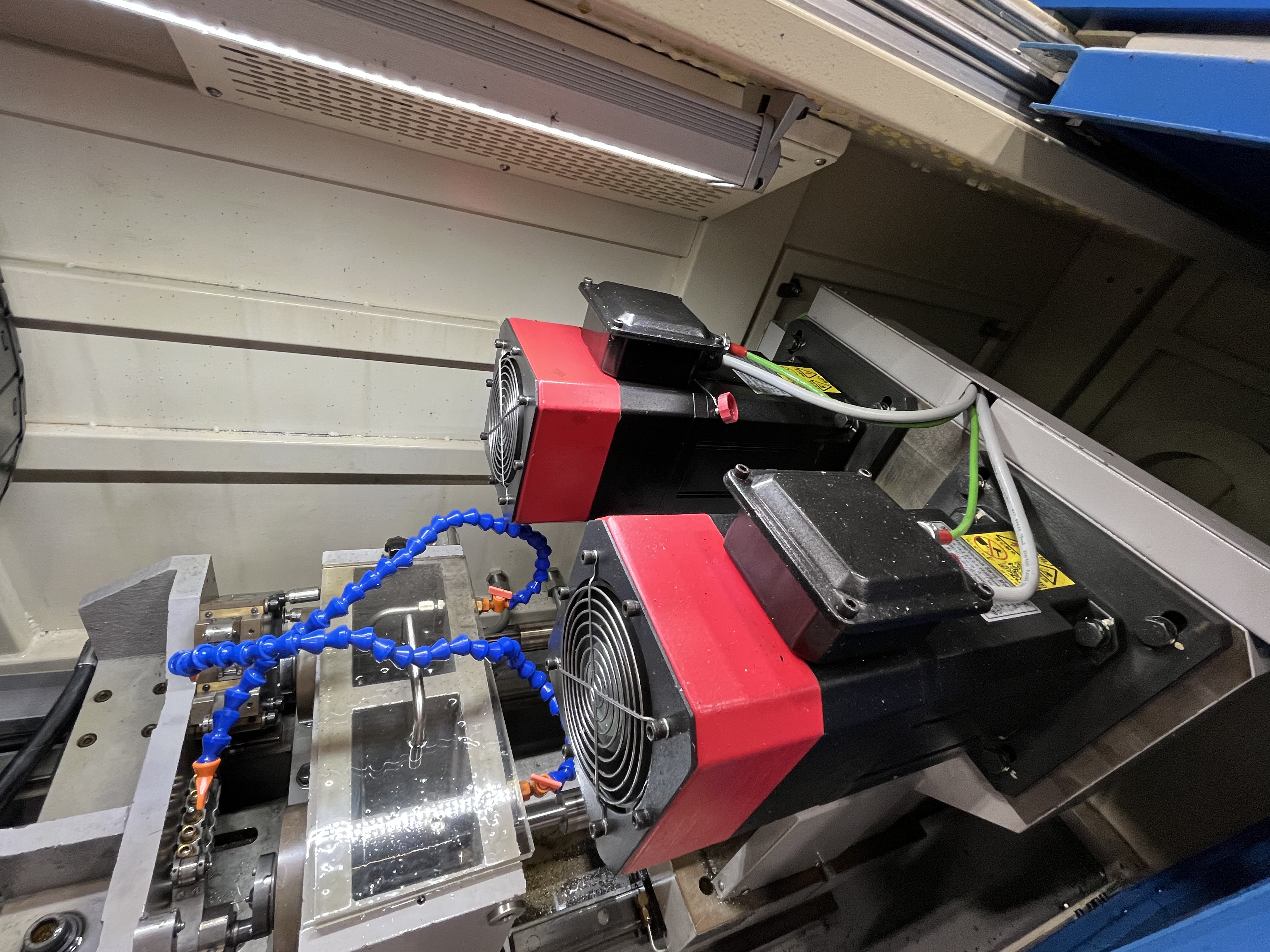
I separate chips by material to get the best price from the recycler. Mixed material chips are worth considerably less than sorted chips. Deep hole drilling produces a high volume of chips from a single material, which makes the sorting economics particularly good compared to general machining where materials change frequently.
Scrap Values by Material
The scrap value varies significantly by material type. I track the monthly recycling income for each machine to verify the economics. Here are the typical values I have seen on the commodity market:
| Material | Price per Ton (Sorted, Dry) | Price per Ton (Mixed, Wet) | Monthly Value from 1 Ton |
|---|---|---|---|
| Steel chips | $180 - $250 | $80 - $120 | $180 - $250 |
| Stainless 304 | $600 - $900 | $300 - $450 | $600 - $900 |
| Aluminum 6061 | $900 - $1,300 | $400 - $600 | $900 - $1,300 |
| Titanium 6Al-4V | $2,500 - $4,500 | $1,000 - $1,800 | $2,500 - $4,500 |
| Brass | $1,200 - $1,800 | $500 - $800 | $1,200 - $1,800 |
| Inconel 718 | $3,000 - $5,000 | $1,200 - $2,000 | $3,000 - $5,000 |
| Tungsten carbide (fines) | $5,000 - $10,000 per kg | N/A — must be separate | $200 - $800 per month |
The difference between sorted dry chips and mixed wet chips is consistently 50-60% lower value for the mixed material. Titanium and Inconel are worth sorting carefully — a single deep hole job in titanium can produce $500 worth of chips from one part. I have seen shops throw this value away by letting different material grades mix in the same bin.
Chip Drying and Processing Methods
Wet chips with coolant are worth less and some recyclers will refuse them outright. Coolant adds weight with no value, and the recycler has to treat the coolant as hazardous waste. I use a chip centrifuge to spin the coolant out of the chips before recycling.
Here is a comparison of the chip processing methods I have evaluated:
| Method | Coolant Recovery | Chip Dryness | Capital Cost | Operating Cost | Best For |
|---|---|---|---|---|---|
| Chip centrifuge (300-600 RPM) | 95% recovered | 2-5% residual oil | $8,000 - $15,000 | Low (electricity only) | All materials, high volume |
| Wringers (1,200+ RPM) | 98% recovered | 1-2% residual oil | $15,000 - $30,000 | Moderate (motor wear) | Steel and cast iron |
| Gravity drain bin | 50-60% recovered | 10-15% residual oil | $200 - $500 | None | Low volume, interim storage |
| Thermal drying | 0% (evaporates coolant) | 0% residual | $20,000 - $50,000 | High (energy cost) | Materials with premium scrap value |
| Briquetting press | 90% recovered | Compacted solids | $25,000 - $60,000 | Moderate (hydraulic maintenance) | Steel and aluminum |
The centrifuge paid for itself within 12 months on a machine running two shifts — I was recovering 50 liters of coolant per week that I previously sent out with the chips. At $5 per liter for emulsion concentrate, that is $250 per week in recovered coolant value.
For steel chips, I also use a magnetic separator to pull carbide fines out of the stream. Carbide from grinding operations has recycling value too — about $5-10 per kg for tungsten carbide. The separator pulls out 1-2 kg per week from a typical operation, adding another $200-800 per month.
Cost-Benefit Analysis
Here is the monthly cost-benefit breakdown I use to evaluate chip recycling investments:
| Item | Without Recycling | With Recycling | Monthly Difference |
|---|---|---|---|
| Chip disposal cost | $500 - $1,000 (landfill fees) | $0 | +$500 - $1,000 |
| Scrap revenue (5 tons steel) | $0 (mixed, wet) | $900 - $1,250 | +$900 - $1,250 |
| Coolant loss | $500 - $800 (replacement) | $50 - $100 (centrifuge recovery) | +$450 - $700 |
| Carbide fine recovery | $0 | $200 - $800 | +$200 - $800 |
| Total monthly improvement | Baseline | +$2,050 - $3,750 | — |
For a shop producing 10 tons of steel chips per month, the numbers double. A chip centrifuge with a $12,000 upfront cost pays for itself in 3-6 months from coolant recovery alone, before factoring in scrap revenue improvement from dry chips.
Logistics and Storage
Chip storage needs planning. A 50mm BTA drill generates about 5 kg of chips per meter drilled. A job drilling 500mm deep on 100 parts produces 250 kg of chips. I use dedicated chip bins for each material.
The bins should have drain holes in the bottom to let coolant drip out during storage. I place the bins on a sloped concrete pad that drains to a collection trench. The collected coolant goes through a filter and back into the system.
I contract with a scrap hauler for pickup when the bins reach about 80% capacity. The hauler provides a sealed container and a weight ticket for each pickup. I track the weight and price per ton to verify the payment matches.
Monthly Economics
Chip recycling does not make a large profit, but it reduces waste disposal costs and the environmental impact. For a shop producing 5-10 tons of steel chips per month, the recycling income of $900-2,500 offsets a noticeable portion of the coolant and tooling costs.
The real value is avoiding the disposal cost. Sending chips to a landfill costs $50-100 per ton in most areas. Recycling them pays $80-250 per ton. The swing from disposal to recycling is $130-350 per ton in your favor.
For more on chip handling equipment, see the article on chip management systems. For coolant recovery and filtration, see coolant filter selection and intervals.
Key Takeaways
- Sort chips by material immediately — mixed chips lose 50-60% of their value.
- A chip centrifuge pays for itself within 12 months on two-shift operations.
- Recovered coolant from the centrifuge goes back into the machine — that is direct savings.
- Carbide fines from grinding have significant recycling value at $5-10 per kg.
- Track monthly scrap income and weight to verify recycler payments are correct.
- The swing from landfill disposal to recycling is $130-350 per ton — every ton counts.
- Use dedicated bins with drain holes for each material grade.
- Centrifuge processing produces drier chips worth more per ton than wet chips.
- A magnetic separator for carbide fines adds $200-800 per month in additional revenue.
- The real profit in chip recycling comes from avoiding disposal costs, not from scrap revenue alone.