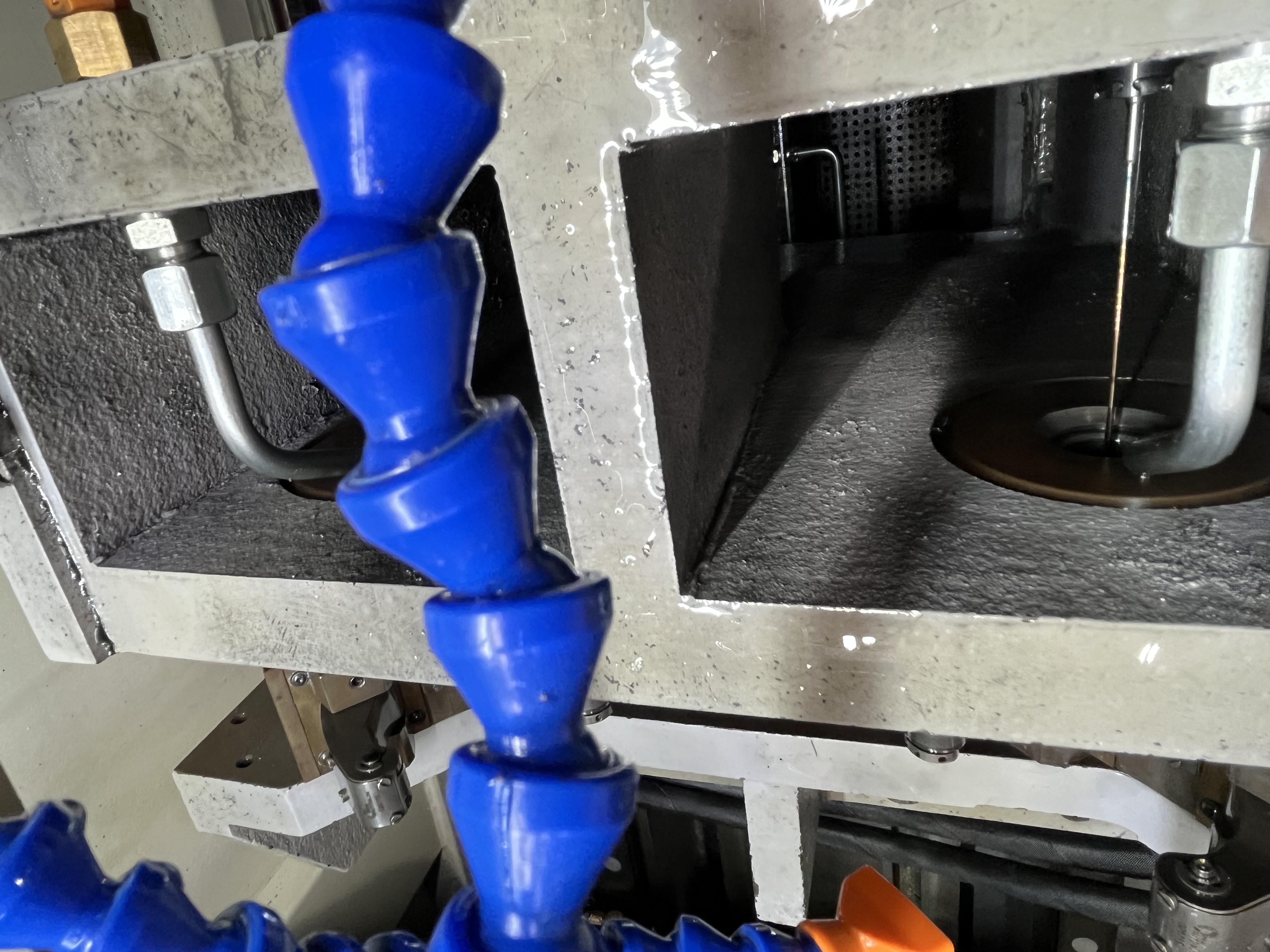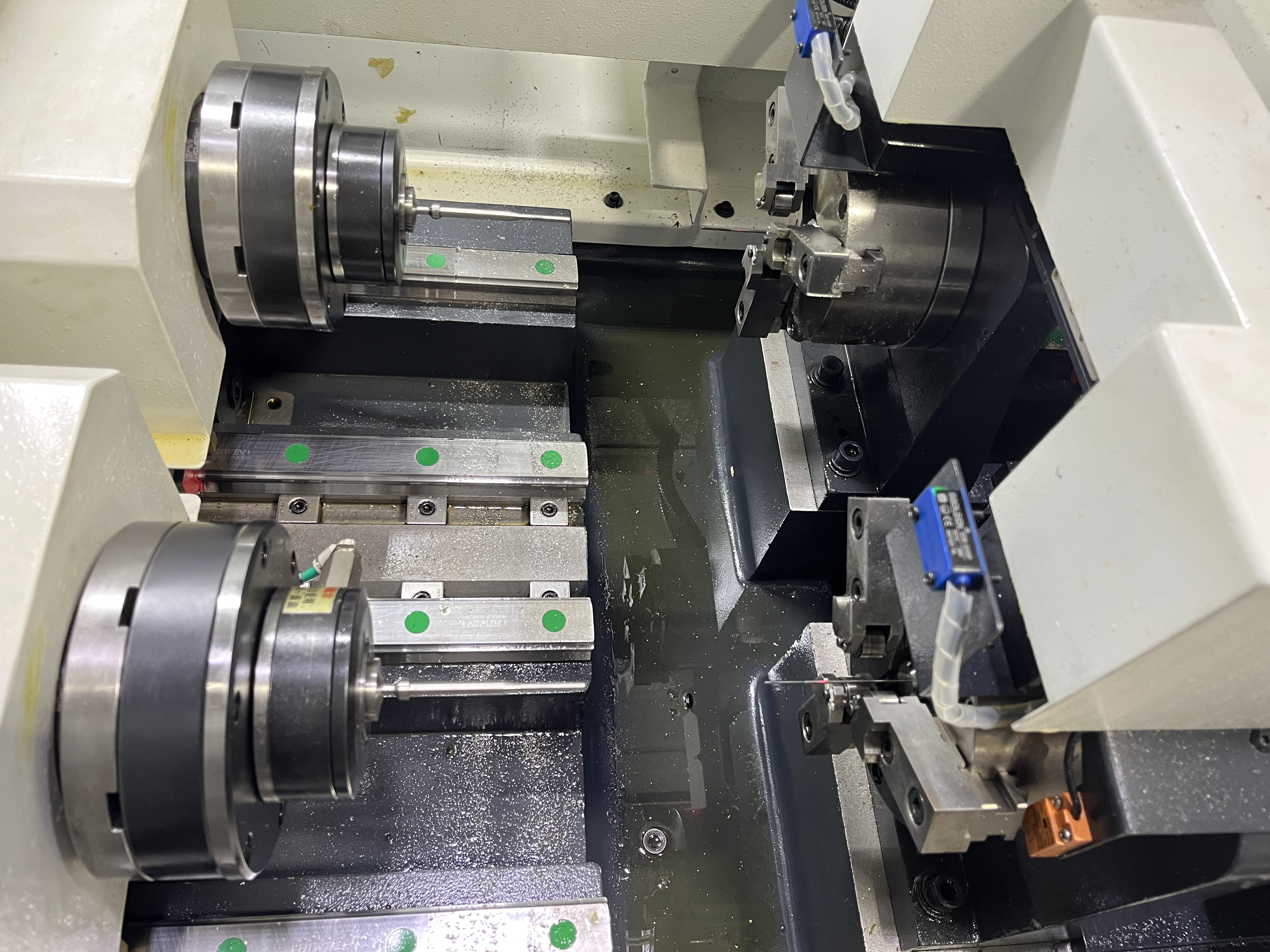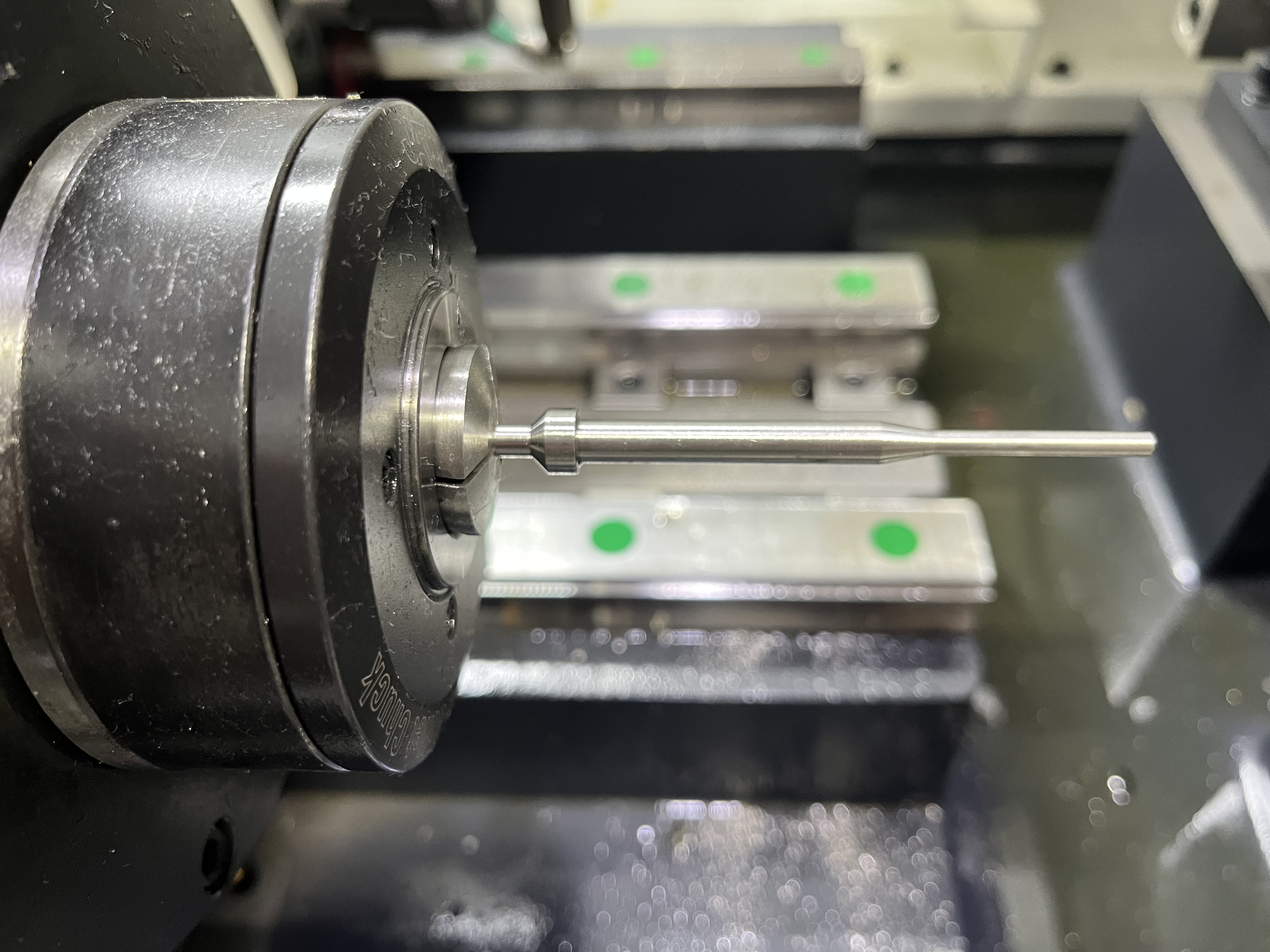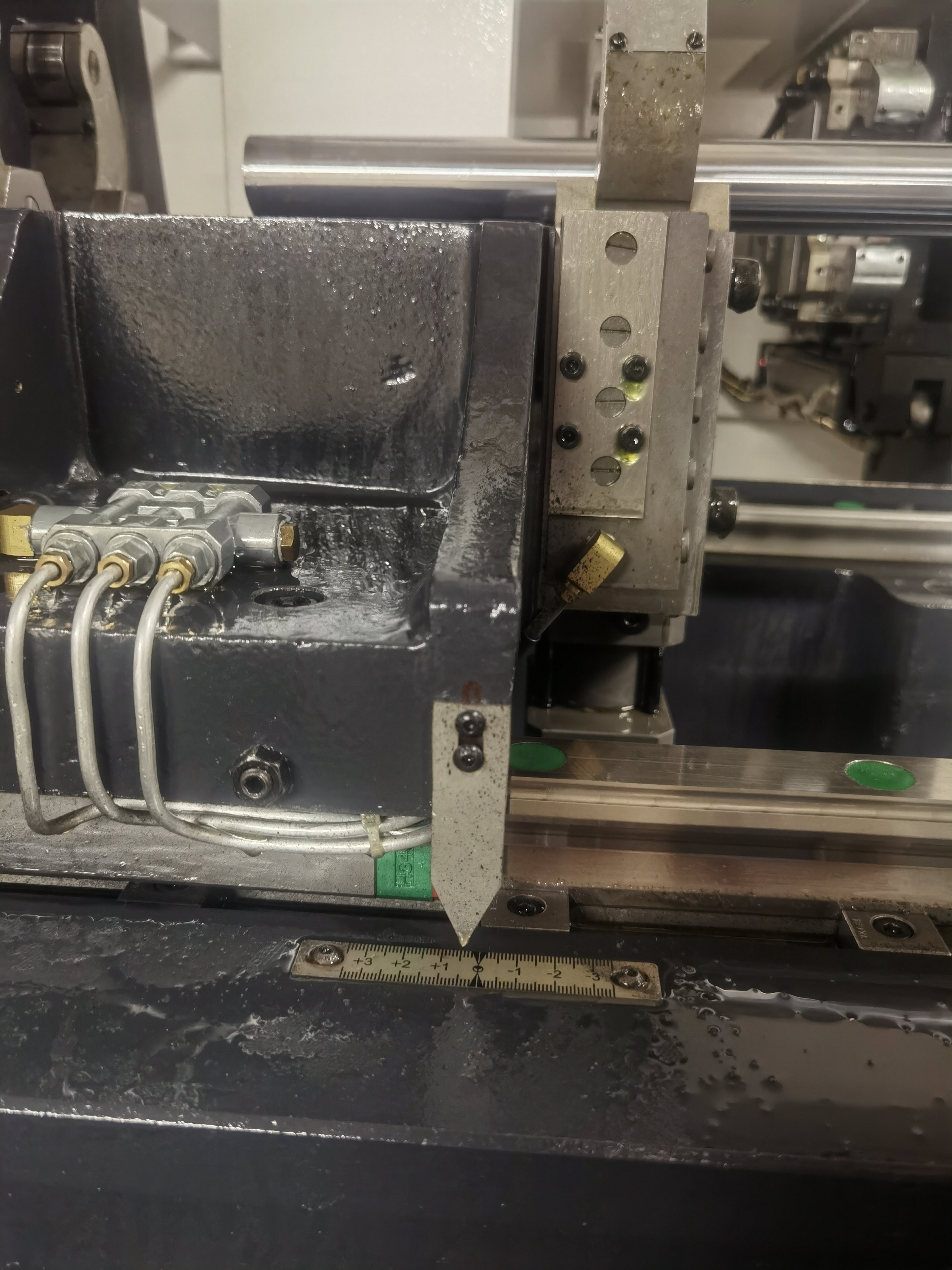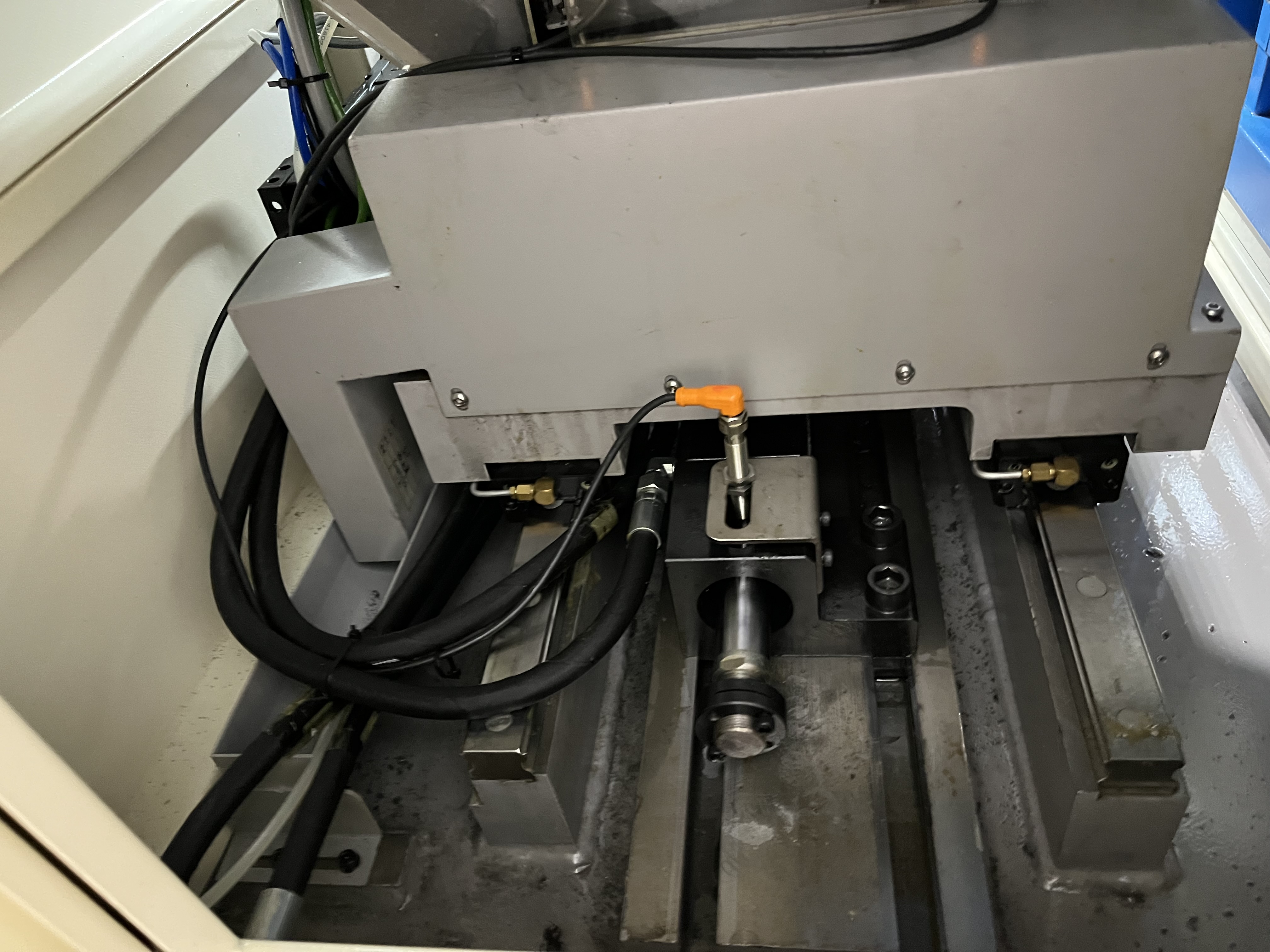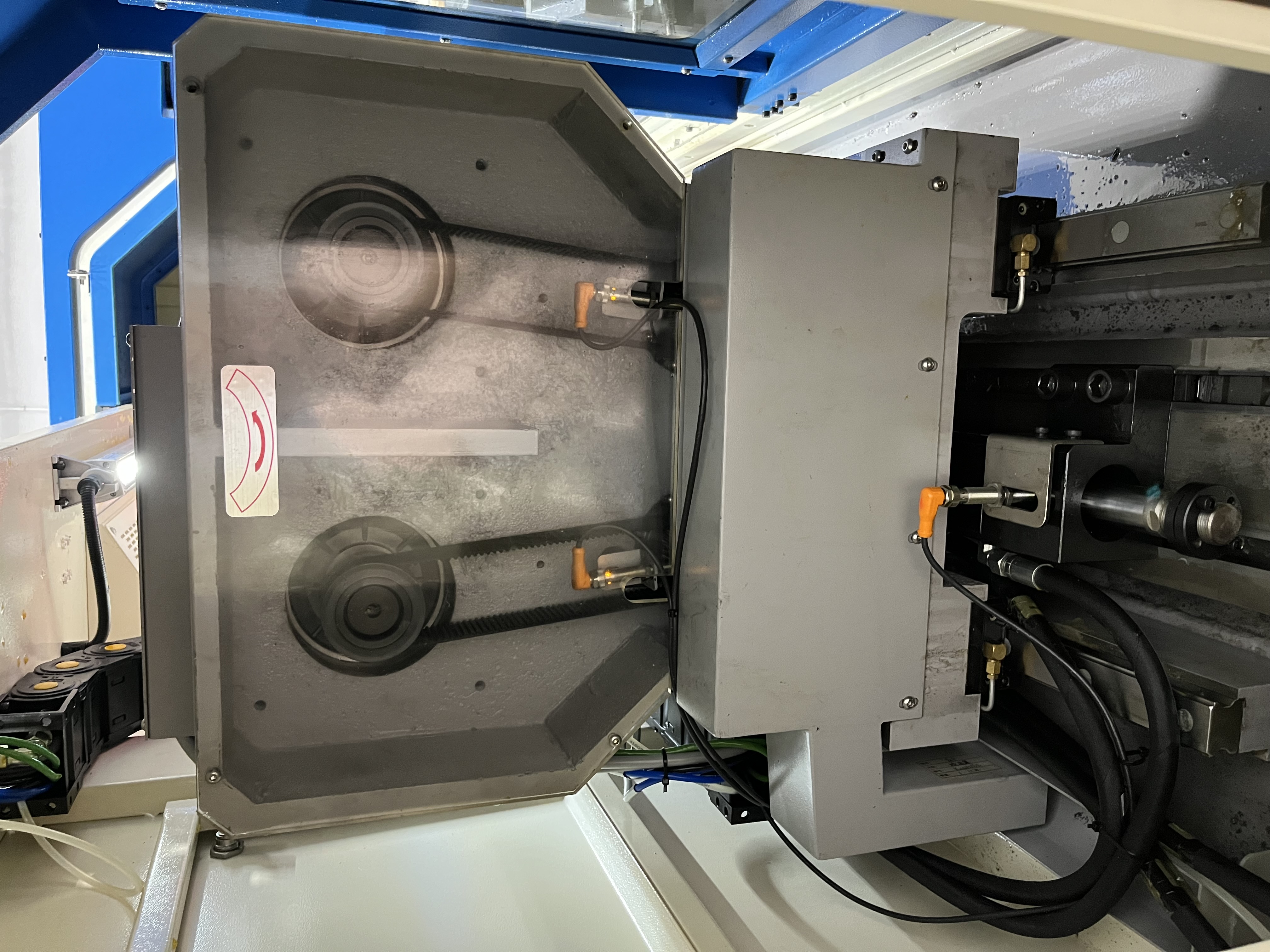
How Measuring Every Guide Bushing Saved a 10,000-Part Production Run

I’ve got a rule that I force on every production run I touch: measure everything before you start, and then measure it again halfway through. Guide bushings, whip guides, drill holders — if it touches the tool or the part, it gets measured. This rule came from a specific job that taught me just how expensive a few tenths of wear can be, and how easy it is to miss a slow decline until it’s too late. ...
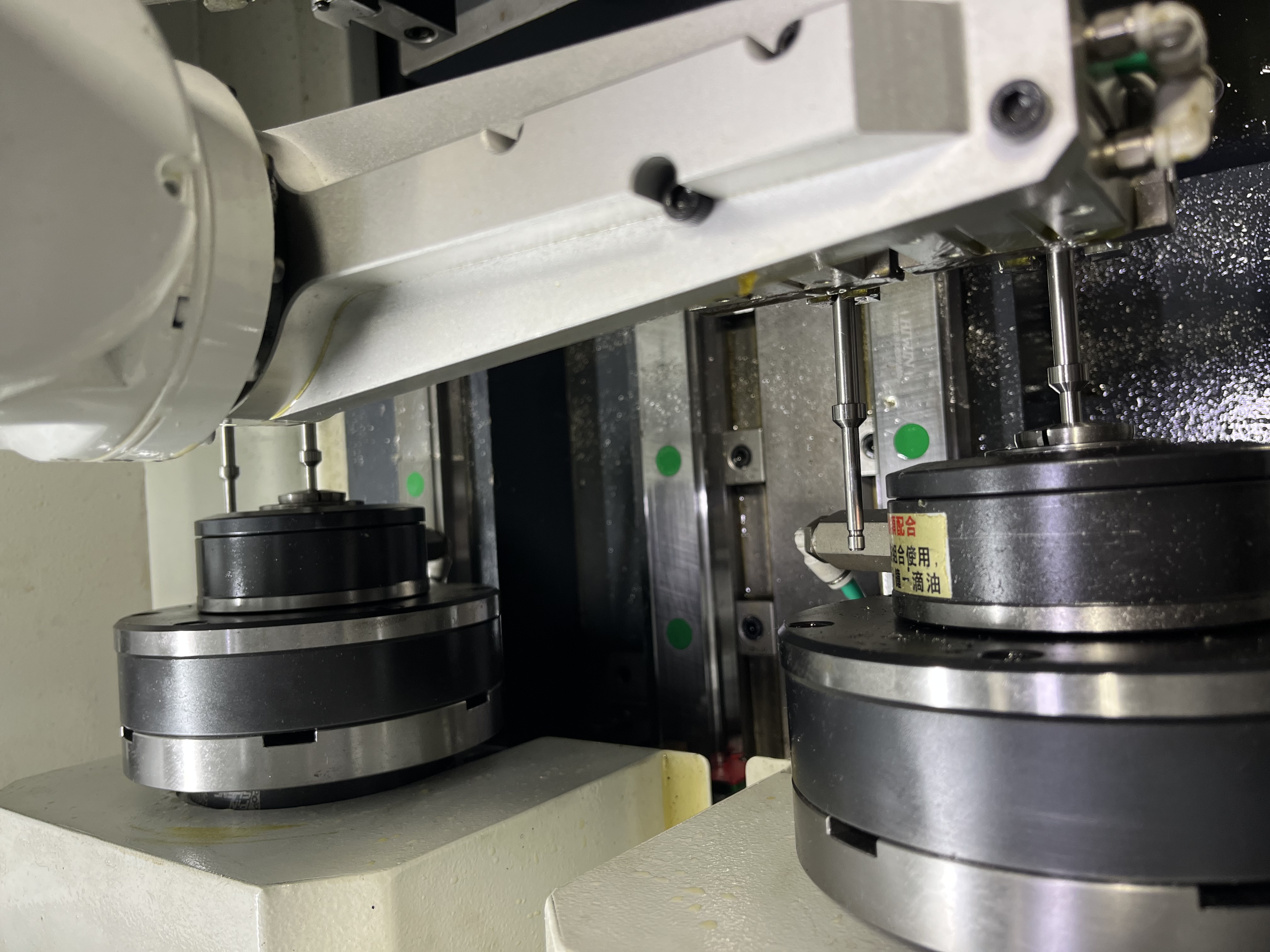
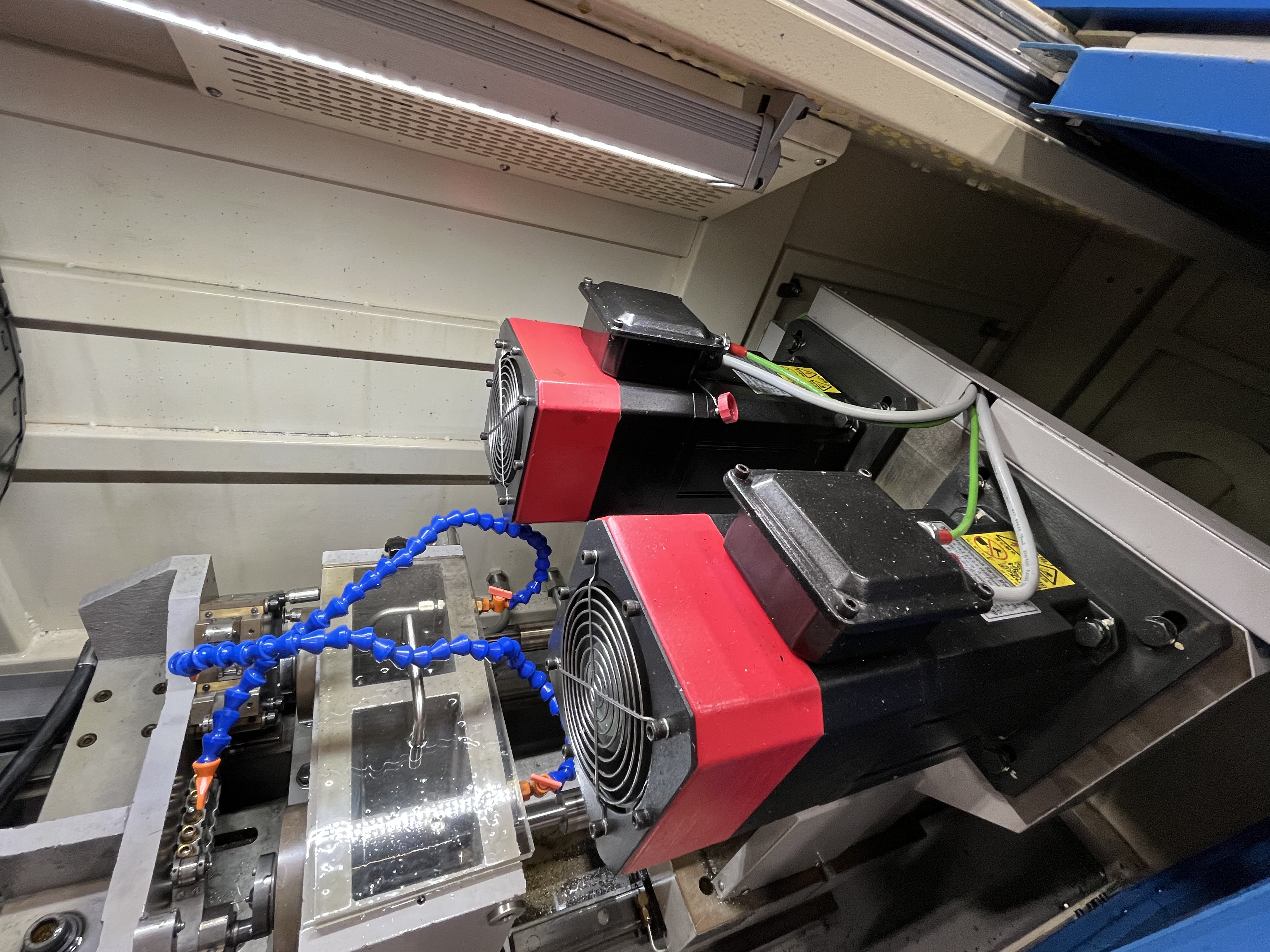
June 16, 2026 · Engineer at the Deep Hole

How Measuring Every Tool Caught a Bad Regrind Before It Ruined a Job

About five years into my deep hole drilling career, I developed a habit that seemed paranoid at the time. Every time a reground gun drill came back from the tool grinding service, I measured it before it went into the machine. Tip diameter, shank diameter, overall length, tip geometry, coolant hole clearance — the full treatment. It added about two minutes per tool. I got the idea from a quality engineer who visited our shop for an audit. He watched me grab a reground drill from the crib and load it into the machine without checking it first. “Do you measure your regrinds?” he asked. “No,” I said. “They’ve been doing our regrinds for ten years. They’re always right.” He just nodded and wrote something in his notebook. I don’t know what he wrote, but I started measuring the next week. ...

June 16, 2026 · Engineer at the Deep Hole

I Ignored the Chip Shape and Scrapped a Hundred Parts

Reading chips is one of those skills that separates real deep hole drillers from everyone else. The chips tell you everything — coolant pressure, feed rate, tool condition, material consistency, heat generation. They’re like a conversation the machine is having with you in real time. The problem is, sometimes you don’t want to hear what they’re saying. You’re on a deadline, you’re tired, you’ve got pressure from above to keep the parts coming, and it’s easier to tell yourself the chips look “close enough.” ...

June 16, 2026 · Engineer at the Deep Hole

I Skipped the Warm-Up and Scrapped a $2,000 Part

It was a Monday morning in January, the shop was freezing, and I was behind schedule. The weekend crew had left a machine set up and ready to run, and the part on the table was a large hydraulic cylinder block that had already gone through several operations. All it needed was a 25mm hole drilled 800mm deep. About an hour of cycle time, then on to the next operation. ...

June 16, 2026 · Engineer at the Deep Hole

I Took a Coolant Pump Apart and Found a Rag

We had a machine that had been losing coolant pressure for about three months. Not dramatically, but steadily. The pressure at the tool had gone from 1200 psi down to about 900 psi, and it kept dropping a little more every week. I had changed the filter elements. I had checked the pump motor current. I had inspected the pressure relief valve. Nothing helped. The machine was still making good parts, so the slow pressure loss got treated as a low priority. The operators adjusted their peck cycles to compensate for the reduced chip clearing. The production schedules got padded to account for the longer cycle times. Everybody just worked around it. ...

June 16, 2026 · Engineer at the Deep Hole

Learning to Weld Repair a Deep Hole Bore

I drilled a bore that came out 2mm off position. The part was a hydraulic cylinder barrel forged from 4140 steel, about 700mm long with an outside diameter of 180mm. The bore was supposed to be 80mm diameter through the full length, positioned within 0.2mm of the centerline. When I put the part on the CMM after the first drilling pass, the CMM reported the bore centerline was 2.1mm offset from the print position at the mid-length point and 2.4mm offset at the far end. ...

June 16, 2026 · Engineer at the Deep Hole

My First Gun Drilling Breakage — and What It Taught Me

Every deep hole driller remembers their first breakage. It’s like a rite of passage — one of those moments that divides your career into “before” and “after.” Before the break, you think you know what you’re doing. After the break, you know how much you don’t know. Mine happened in the fall of 2008, on a Tuesday morning that started like any other. I was twenty-four years old and had been running deep hole drills for about a year. I thought I had it figured out. I’d done a hundred jobs by then, maybe more. I’d changed drills, adjusted feeds, swapped guide bushings, and read chips like a pro. The senior guys had stopped hovering over my shoulder, which I took as a sign that I’d arrived. ...

June 16, 2026 · Engineer at the Deep Hole

Overtime on a Heat Exchanger Tube Sheet — the Job That Wouldn't End

It was a Friday afternoon in November, and I was ready to go home. The week had been long — a series of small problems that added up to a lot of frustration. A coolant pump failure on Tuesday that took half a day to repair. A bad batch of raw material on Wednesday that had to be returned and replaced. A customer change order on Thursday that forced us to rework thirty completed parts. By Friday at four o’clock, I was running on fumes and looking forward to a weekend of doing absolutely nothing productive. ...

June 16, 2026 · Engineer at the Deep Hole

The Customer Blamed Our Tools — Turns Out It Was His Coolant

I got the call on a Tuesday afternoon. Tom from purchasing — I could tell by his voice he was already fed up. “These new gun drills you sent us are garbage,” he said. “We’re barely getting thirty holes per tool. The old ones did sixty easy. I want a refund.” Now, I’ve been around gun drills long enough to know that when someone blames the tool first, the problem is usually somewhere else. A gun drill is a simple thing — a carbide tip brazed to a steel tube with a coolant hole running through the center. When it fails, it’s almost always because something in the system made it fail. But you don’t say that to a customer on the first call. You listen, you apologize, and you offer to come take a look. The customer is never wrong in the first conversation. They’re just describing a symptom. ...

June 16, 2026 · Engineer at the Deep Hole

The Day a New Guy Forgot the Guide Bushing

The new guy’s name was Marcus. He’d been with us for about two weeks. He came from a general machining background — vertical mills, manual lathes, that kind of work — but this was his first exposure to deep hole drilling. He was sharp, asked good questions, and seemed to have a solid grasp of the fundamentals of machining. I was optimistic about him. What I didn’t know at the time was that Marcus had never even seen a guide bushing before. In the general machining world, you don’t use them. A drill chuck holds the drill, the drill goes into the material, and that’s the whole story. The concept of a separate precision guide that supports the drill at the entry point — that’s unique to deep hole drilling and a few other specialized processes. It never occurred to me that he wouldn’t know about bushings because they were so fundamental to everything I did. ...

June 16, 2026 · Engineer at the Deep Hole