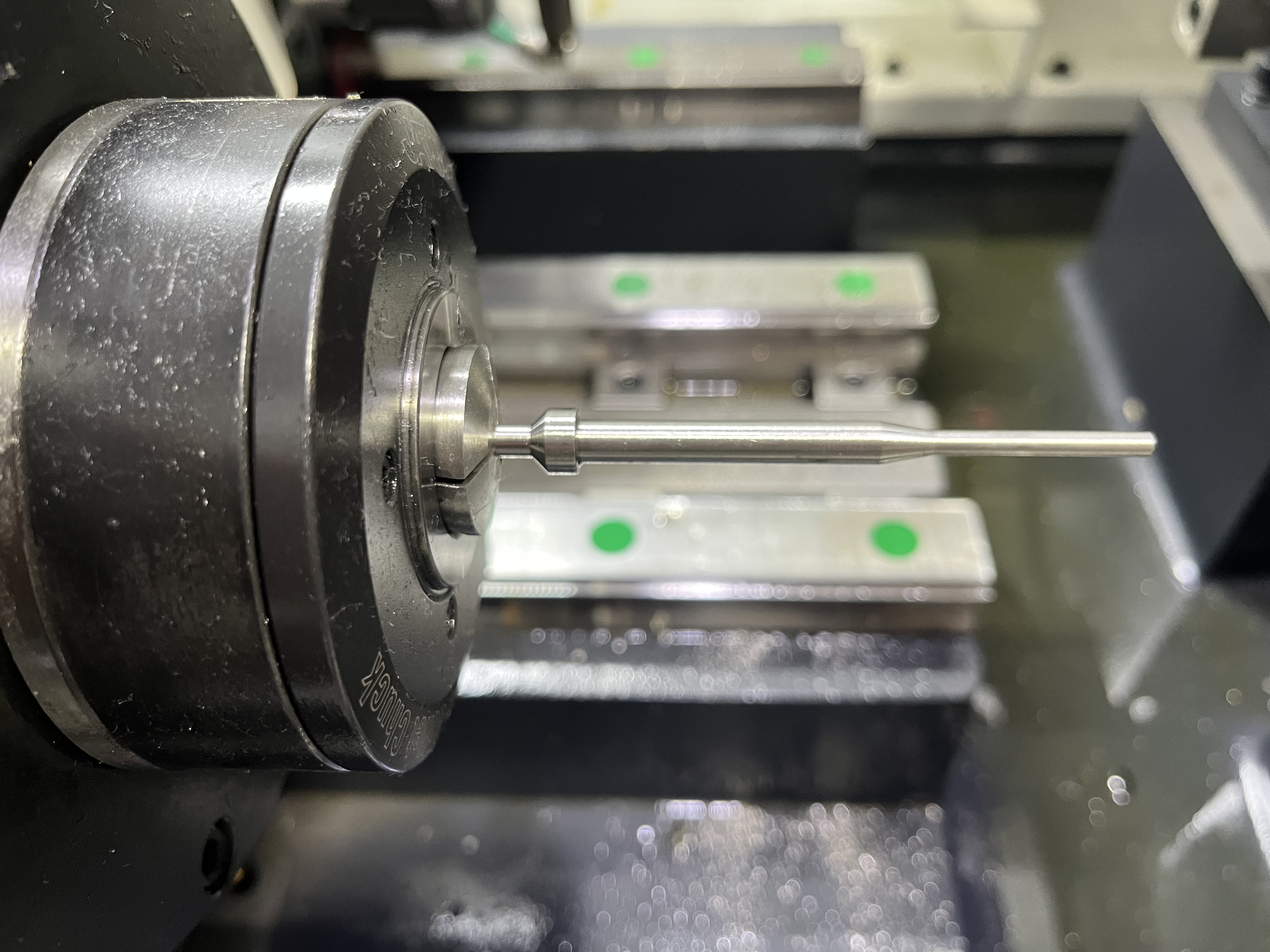
A batch of hydraulic cylinders came out with a strange discoloration on the bore surface. The dimensions were fine. The surface finish was fine. But the parts looked wrong. The customer rejected the whole batch.
I checked the coolant and found the pH had dropped to 7.5. The coolant had gone acidic, which caused it to etch the steel surface. The discoloration was light surface corrosion.
The fix was simple. I changed the coolant and added biocide to prevent bacterial growth. The pH returned to 9.5 and the next batch was fine. But the rejected batch was a total loss. The cost of those cylinders was several thousand dollars.
How I Discovered the pH Problem
The job was a repeat order for a customer I had supplied for years. The material was 4140 steel, normalized. The bore specification was 25 mm diameter by 500 mm deep with a surface finish requirement of 0.4 Ra maximum. I had run this exact job four times before with no issues. The first sixty parts came out of the machine looking normal. I checked the first article with a bore gauge and a profilometer, and everything was within spec.
The discoloration showed up on parts sixty-one through seventy-five. It looked like a light brown stain running the full length of the bore. When I wiped the bore with a clean rag, the stain came off slightly, but the steel underneath had a dull, etched appearance. The part dimensions were still within tolerance, but the bore surface had lost the bright metallic sheen that the customer expected.
I called the customer and sent photos. They rejected the entire seventy-five-piece batch based on appearance. Their engineer said the discoloration indicated potential corrosion risk, and they could not accept parts with compromised surface integrity in a hydraulic application.
Coolant Chemistry 101 for Machinists
I had never paid much attention to coolant chemistry before this incident. I knew the coolant needed to be mixed at the right concentration, and I checked the refractometer reading once a week. But pH was something I associated with swimming pools, not machine tools. After losing that batch, I educated myself on what pH means for machining coolant.
Coolant pH is a measure of how alkaline or acidic the fluid is. Fresh coolant mixed at the correct concentration typically reads between 9.0 and 9.5 on the pH scale. At that level, the coolant inhibits bacterial growth and protects the steel surfaces from corrosion. The alkaline chemistry forms a thin passivation layer on the steel that prevents oxygen from reacting with the iron.
When the pH drops, three things happen simultaneously. First, the passivation layer breaks down and the steel becomes vulnerable to corrosion. Second, bacteria and fungi start multiplying in the coolant because the alkaline environment that suppressed them is gone. Third, the coolant loses its lubricity, which changes the chip formation and can lead to built-up edge on the cutting tool.
The pH drop happens gradually. Bacteria consume the alkaline components in the coolant and produce acidic byproducts. Each bacterial bloom lowers the pH further, which makes the environment more hospitable for more bacteria. It is a feedback loop that accelerates once it starts.
My pH Monitoring Protocol
After the rejection, I set up a weekly coolant testing routine that I have followed for years. Every Monday morning, before the production shift starts, I test the coolant on every machine that uses water-miscible coolant. I use pH test strips with a range of 6.0 to 10.0 and a resolution of 0.3 pH units. The test takes about thirty seconds per machine.
| pH Reading | Condition | Action Required |
|---|---|---|
| 9.0 to 9.5 | Optimal | No action needed |
| 8.5 to 8.9 | Acceptable | Monitor weekly, check concentration |
| 8.0 to 8.4 | Warning | Add pH booster, check for bacterial growth |
| 7.5 to 7.9 | Critical | Add biocide, test daily until recovered |
| Below 7.5 | Failure | Dump coolant, clean system, recharge |
I also track each machine’s pH readings in a logbook. The trend line is more useful than any single reading. A machine that reads 8.8 this week and 8.5 last week and 8.2 the week before is heading toward a failure, even if the current number is above the warning threshold. The rate of change tells me how fast the bacteria are multiplying.
I linked the pH testing to the coolant concentration check. If the pH drops but the concentration is still within the recommended range, I know the coolant has degraded chemically and needs a biocide treatment or a partial dump. If the pH drops and the concentration is also low, the problem is simple dilution from water top-offs and I add concentrate to bring both numbers back up.
The Bacterial Growth Problem
Bacterial contamination is the root cause of most pH drops. The bacteria enter the coolant from the environment — airborne spores, residue on raw stock, dirty cutting tools, even the operator’s hands. They thrive in warm, dark environments with a steady food supply, which describes a machine tool coolant tank perfectly.
I learned to recognize the signs of bacterial growth before the pH test confirms it. The coolant smells different. Fresh coolant has a mild, soapy odor. Contaminated coolant starts to smell like rotten eggs or sulfur. The smell change happens about three to five days before the pH drops below the warning threshold. I now train operators to report any odor change immediately.
Another sign is a slimy film on the coolant surface or on the machine surfaces where coolant splashes. That slime is a bacterial biofilm. Once the biofilm forms, it protects the bacteria from chemical treatments and requires a full system drain and cleaning to eliminate.
I treat bacterial contamination with a two-step process. First, I add a broad-spectrum biocide at the recommended dosage. Second, I run the coolant pump for four hours to circulate the biocide through the entire system, including the lines and the rotating union. Then I retest the pH and the bacterial count using dip slides. If both tests pass, the coolant is safe. If the bacterial count is still high, I repeat the treatment or dump the coolant.
Table of Coolant Maintenance Schedule
| Task | Frequency | Method | Time Required |
|---|---|---|---|
| pH test | Weekly | Test strip (6.0-10.0 range) | 30 seconds per machine |
| Concentration check | Weekly | Refractometer | 30 seconds per machine |
| Bacterial dip slide test | Monthly | Dip slide, incubate 48 hours | 2 minutes sampling |
| Coolant tank cleaning | Quarterly | Drain, scrub, recharge | 4 hours per machine |
| Filter element replacement | Per schedule | Manufacturer spec | 15 minutes per filter |
| Odor check | Daily | Smell test at startup | 5 seconds per machine |
| Coolant system top-off | As needed | Mix concentrate, add to tank | 10 minutes |
The Cost of Skipping pH Checks
The rejected batch cost about four thousand dollars in materials and labor. That was the direct cost. The indirect costs were higher. The customer put me on a probationary inspection schedule for the next three orders, which meant every part had to be inspected and certified before shipment. That added about two hours of inspection time per order. The customer also reduced the order quantity for the next two cycles while they evaluated alternative suppliers.
I calculated that the weekly pH testing program costs about three dollars per machine per month in test strips and about ten minutes of labor. That works out to roughly fifty dollars per year per machine. Compared to a four-thousand-dollar rejection and a damaged customer relationship, the return on investment is obvious.
I also track the coolant tank temperature alongside the pH. Bacteria multiply faster in warm coolant. If the tank temperature rises above 40 degrees Celsius, I increase the testing frequency from weekly to every other day until the temperature drops. I installed a simple dial thermometer on every coolant tank for this purpose. The thermometer cost twelve dollars each and has paid for itself by catching two temperature-related pH drops before they turned into part rejections.
Key Takeaways
- pH is a critical coolant parameter that most machinists ignore. A pH test strip costs pennies and takes thirty seconds. Use it.
- A pH below 8.0 is a red flag. Do not wait for visible corrosion. Treat the coolant immediately.
- The smell test works. If the coolant smells bad, test the pH and the bacterial count before running production.
- Track pH trends over time, not just single readings. A downward trend predicts a failure before it happens.
- Bacterial contamination is the root cause of most pH drops. Biocide treatment is cheaper than dumping and recharging the entire system.
- The cost of a pH monitoring program is negligible compared to the cost of a rejected batch.
- A customer relationship damaged by a quality failure takes months to rebuild. A thirty-second weekly test prevents that failure.