July in Houston is brutal. The shop had to be a hundred and ten degrees that night, even with the big industrial fans running at full speed. The air conditioning had given up around three in the afternoon, and by the time the night shift rolled in at six, the whole building felt like a convection oven. Sweat was dripping off the end of my nose onto the machine controls.
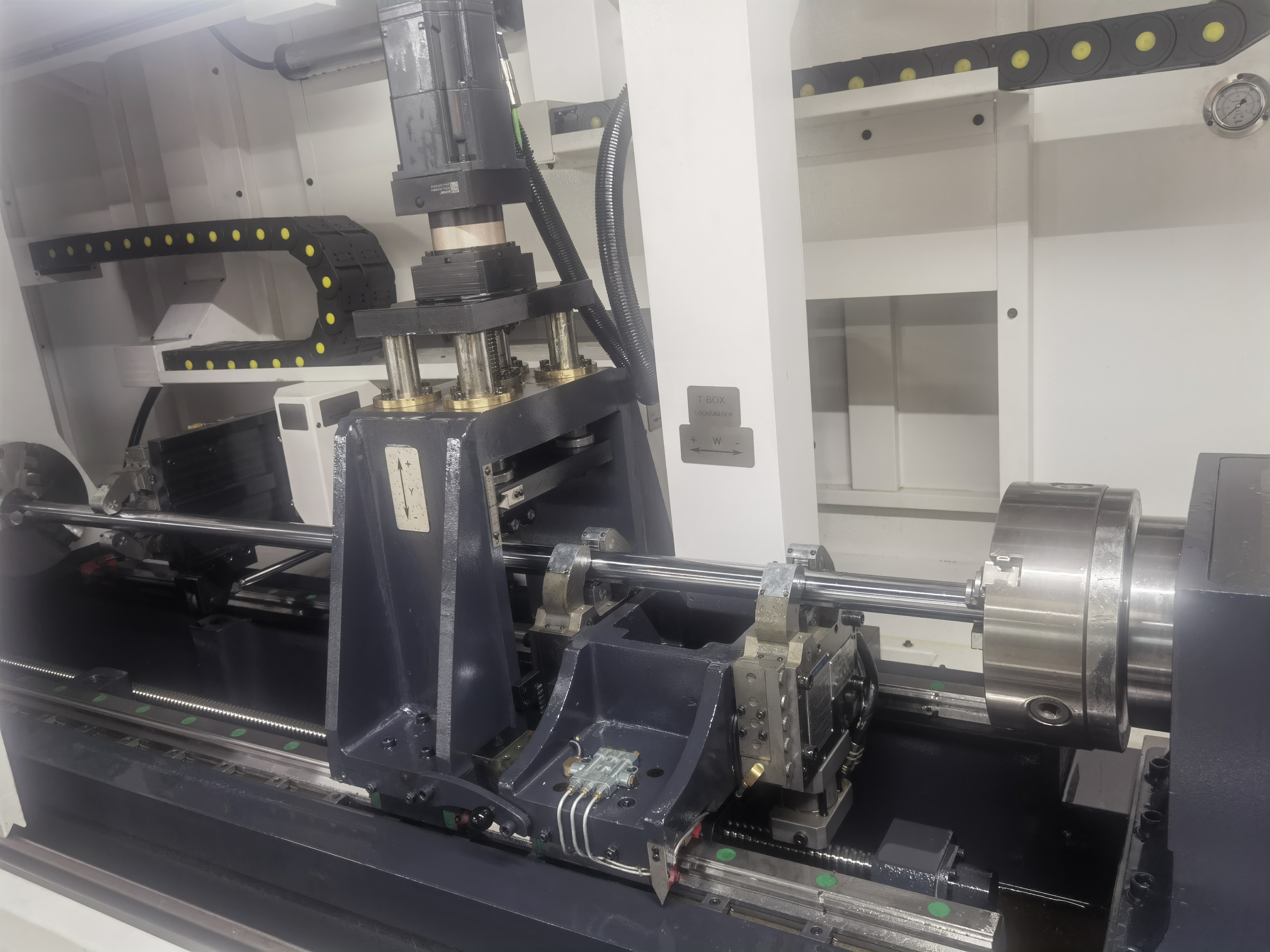
I was running a deep hole job on one of our older machines — a 40mm gun drill through a block of 4340 steel for a mining equipment part. The part weighed about three hundred pounds, a rectangular block that had already been rough-machined on a manual mill. The job was going fine. Chips were coming out clean, coolant pressure was steady at eighty bar, and the part was about halfway through the four-hundred-millimeter hole. I was hot and tired, but the machine was happy.
I remember wiping the sweat off my forehead with the back of my glove and thinking about how good an ice-cold beer would taste after my shift. That was about thirty seconds before everything changed.
Then I smelled something that didn’t belong.
The shop always smells like coolant and cutting oil — it’s the smell of money, we like to say. But this was different. It was the acrid smell of burning oil, like when you overheat a cast iron pan on the stove. The kind of smell that makes you stop and sniff the air like a dog trying to place a scent. I looked at the machine and saw a thin wisp of gray smoke curling up from the cutting zone area, mixed with the normal coolant mist.
I hit the feed hold and grabbed the fire extinguisher off the wall. By the time I got back to the machine, the smoke was thicker, and I could see a small flame flickering at the chip outlet, where the hot chips and oil mist were being ejected from the cutting zone. The flame was maybe the size of a coffee cup, but it was growing.
Here’s what happens with gun drilling: the cutting zone generates a lot of heat. The high-pressure coolant carries that heat and the chips out of the hole through the flute. But if the chip load is too high or the tool has been running too long without a break, the chips can come out hot enough to ignite the oil mist in the machine enclosure. It’s rare, but it happens. And when it does, it can spread fast because you’ve got gallons of oil-based coolant in the machine sump and coating every surface inside the enclosure.
The flame was feeding on the oil mist that was hanging in the air around the machine enclosure. The mist collector was running, pulling the air through its filtration system, and it was sucking that flame right toward it, like a chimney effect. The flame stretched and flickered as the airflow pulled it toward the intake.
I remember thinking, “That’s going to go up the duct and light the whole roof on fire.” The mist collector duct ran across the ceiling and connected to the main exhaust system. If the fire reached that duct, it would spread to the roof structure in seconds. The shop had a steel roof with fiberglass insulation and years of accumulated oil residue on every surface. It would have burned like a torch.
That’s when the mist collector saved us.
The unit was a Filtermist FX4003 — one of those centrifugal oil mist separators that mounts on top of the machine enclosure. It pulls the oil-laden air through a series of baffles that spin at high speed, separating the oil from the air by centrifugal force, then vents clean air back into the shop. Ours had a fire suppression damper built into the intake, which I’d always thought of as an expensive add-on that we’d never use.
The flame reached the mist collector intake, and the damper slammed shut automatically. I heard the clang of the metal door closing, cutting off the airflow that was feeding the fire. At the same time, the heat triggered the machine’s internal fire suppression system — a CO2 nozzle mounted above the cutting zone that dumped a cloud of gas onto the flame with a loud hiss.
The whole thing lasted maybe eight seconds from the time I grabbed the extinguisher to the time it was over. The flame went out. The damper stayed shut. The machine was covered in a fine layer of white extinguisher residue, but nothing was damaged. No burned wires, no melted hoses, no structural damage. Just a smoky smell that hung in the air for hours and a machine that needed a thorough cleaning before it could run again.
I stood there with the fire extinguisher in my hands, heart pounding, not having done a damn thing except watch the safety systems do their job. I hadn’t even pulled the pin.
The shift supervisor came running over from the other end of the shop. “What the hell happened?”
“Small fire,” I said, still catching my breath. “Mist collector got it. Everything’s fine.”
He looked at the machine, looked at the closed damper on the mist collector, and let out a long breath. “Remind me to buy that maintenance guy a beer. He pushed for that damper upgrade last year when we bought the new collector. Everyone said it was overkill. A couple grand for a fire damper on a mist collector — who needs it? The maintenance guy said ‘you’ll need it exactly once.’ He was right.”
That’s the thing about safety equipment in a machine shop. Nobody complains about it when it’s sitting there doing nothing. It’s just overhead, line items on a budget sheet. But the one time it activates, it pays for itself a hundred times over. That mist collector damper probably cost two thousand dollars installed with the integration. The fire it prevented would have taken out the machine — three hundred thousand dollars replacement value, minimum. Not to mention the potential for the whole building to go up. We store about two thousand gallons of cutting oil in a tank outside the shop, but there’s probably another thousand gallons distributed across the machines and the central coolant system. A fire that reached any of that would have spread fast.
I finished the job the next day after the machine was cleaned, inspected, and the fire suppression system was recharged. The part passed inspection. The customer never knew how close their mining component came to being part of a fire investigation.
The next morning, I came in early and took the maintenance guy who’d pushed for the damper upgrade out for breakfast. I bought him pancakes and thanked him for being the guy who nobody listens to until it’s too late. He shrugged and said, “That’s the job. If nobody complains about safety, you’re probably not doing it right.”
I told the plant manager about the fire at the next management meeting. He was visibly shaken when I described the flames and the damper slamming shut. “We could have lost the whole building,” he said. He approved the budget for upgrading the remaining two machines that still had old-style mist collectors without dampers. The total cost was about six thousand dollars for both machines, including installation. Nobody questioned the expense.
I think about that conversation every time I see someone roll their eyes at a safety briefing. I think about the fire that could have burned down the shop. And I think about the eight seconds it took for the damper to save us.
But I think about that night every time someone questions the budget for safety equipment. The dampers, the CO2 systems, the fire extinguishers, the mist collectors — they’re not overhead. They’re insurance. And like all insurance, you only appreciate it when you need it. The day you don’t have it is the day you wish you’d spent the money.
These days, I never run a gun drilling job without making sure the fire suppression system is armed and the mist collector damper is functional. It takes two seconds to check. And it might save the entire shop.
After the fire incident, we upgraded every mist collector in the shop with automatic fire dampers. It cost about fifteen grand for all six machines. The insurance company gave us a break on the premium that paid for the upgrade in about three years. But even if it hadn’t, it would have been worth it. I’ve seen what a machine fire looks like when the suppression system doesn’t work — a friend at another shop lost a machine last year to a coolant fire that burned for twenty minutes before the fire department got there. The machine was a total loss. The building had smoke damage throughout. They were closed for three weeks for cleanup and insurance processing. A three-week shutdown would have cost us more than the entire safety upgrade budget for a decade.
I also changed my own habits. Now, when I’m running a heavy job — high feed rates, deep holes, materials that generate a lot of heat — I check the chip temperature regularly. I catch a handful of chips from the chip box and feel them with my bare hand. If they’re too hot to hold, I back off the feed rate or add a dwell cycle to let things cool down. It’s a low-tech solution, but it works.
The fire also changed how I think about coolant. I started using a higher-concentration mix on heavy jobs — eleven percent instead of the usual eight — specifically because the extra lubricity reduces friction heat at the cutting zone. It costs more in concentrate, but it’s cheaper than a fire.
That mist collector story gets told to every new operator who comes through our shop. I tell it on their first day, while standing next to the mist collector on the main machine. I point at the damper and say, “That thing cost two thousand dollars and it’s never been used. But if it ever needs to work, it will save this building. Don’t ever disable it, don’t ever block it, and don’t ever question why we have it.” Because the most dangerous thing in a deep hole shop isn’t the rotating spindle or the high-pressure coolant or the sharp edges. It’s the moment you forget that what you’re working with is flammable, and that a small spark in the right conditions can turn a machine into a torch.
The next time someone tells me safety equipment is too expensive, I tell them about the eight seconds that saved our shop. And then I ask them how much their building is worth. The conversation usually ends there.
I’ve also started including a fire safety check in the daily machine startup procedure. Takes thirty seconds. Verify the damper is unlocked, check the CO2 bottle pressure, make sure the fire extinguisher is charged and hasn’t been tampered with. It’s become as routine as checking the coolant level. And it should be.
I still get a chill when I think about what could have happened. That fire was eight seconds from becoming a building fire. Eight seconds. And the only thing that stopped it was a two-thousand-dollar damper that a maintenance guy had to fight to get approved. That’s the margin between a good night and a catastrophic one.
I’ve told that story to at least a hundred people over the years. Operators, supervisors, plant managers, insurance adjusters. Every time, someone comes up to me afterward and says, “I’m going to check our mist collector dampers tomorrow.” That’s the whole point. You don’t need to experience the fire to learn from it.
That maintenance guy who pushed for the damper upgrade? He got a bonus that year. Not a big one, but enough to show that management noticed. He still works at the shop, and every time I see him, I thank him again for being the one who wouldn’t let it go.
The fire safety check is now part of our monthly preventive maintenance schedule. We check every mist collector damper, every CO2 bottle, every extinguisher. It takes an hour for the whole shop. And it’s the most productive hour we spend all month, because it might save everything.
That night in July changed how I think about risk. Before the fire, safety equipment was overhead. After the fire, it’s the most important investment we make. A damper that costs two thousand dollars is cheap if it stops a fire that would cost two million.
I still have the melted chip that started the fire. It’s in a small jar on my desk, next to the photo of the shaft Doug and I drilled. One is a reminder of what we can achieve. The other is a reminder of what can go wrong. I look at both of them every morning before I start my machine. It takes ten seconds. It’s worth it.
That mist collector damper saved our shop. It also saved my career. A fire that destroys a building has a way of following you around. I’m grateful I’ll never know what that feels like.