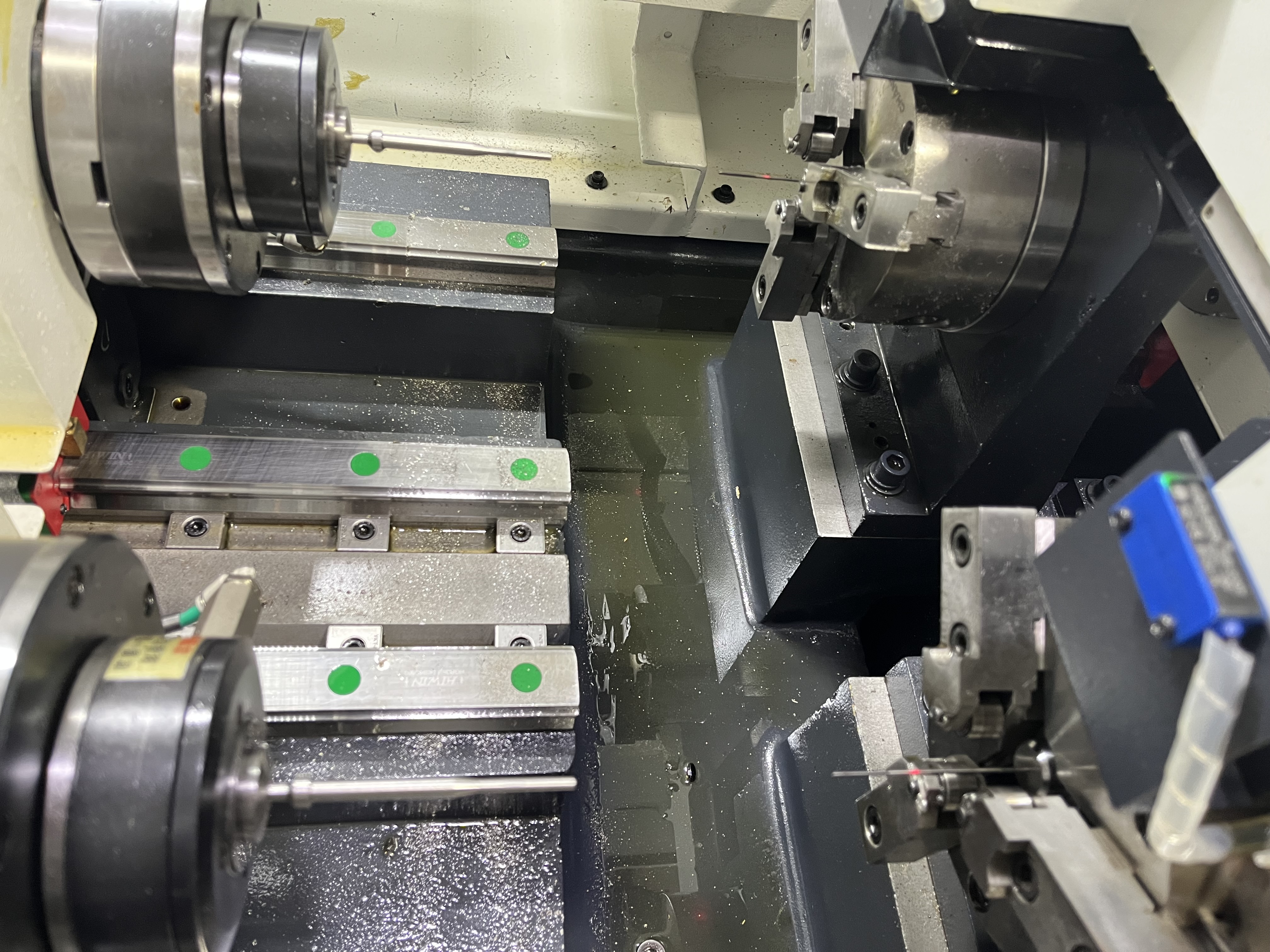
I volunteered for the night shift about five years ago and never looked back. Most guys hate it – the weird sleep schedule, the social isolation, not seeing your family for dinner. But for running a deep hole drilling machine, night shift is the best time to work, and I will die on that hill.
The day shift at our shop starts at 6 AM and by 7:30 the place is a zoo. The material handling guy is dropping off pallets of blanks. The quality engineer is walking around with a stack of inspection reports, asking questions about every job. The production manager is running around putting out fires. There are safety meetings, toolbox talks, lunch orders, visitors from the front office walking through with hard hats.
Meanwhile my machine is sitting there, waiting for me to cycle start. A deep hole drilling cycle on a big job can run forty-five minutes for one hole. Every time I get interrupted, the machine sits idle for ten or fifteen minutes while I deal with whatever the distraction is. That adds up fast. Over an eight-hour day shift, I might lose two hours of productive cutting time to interruptions.
Night shift, I walk in at 10 PM and the shop is dead quiet. The lights are on but it is just me, the machine, and maybe two or three other guys running their own cells. No engineers, no material deliveries, no safety meetings. I turn on the coolant pumps, listen to the machine cycle once to make sure everything sounds right, and then I am making chips for the next eight hours.
The quality difference is real. When you are standing in front of a deep hole driller for hours with no distractions, you start noticing things. The color of the chips changes slightly from silver to gold, which tells you the temperature went up by twenty degrees. The sound of the cut shifts from a steady hum to a slight chatter, which means the pressure is building up in the hole. The coolant stream has a different pattern when it comes out of the return port.
I caught a drill starting to break at 1 AM on a Tuesday because I heard the sound change before any alarm went off. If that had been on day shift, I would have been in a safety meeting and the drill would have snapped inside the hole. That would have meant an extraction job, a ruined part, and a thousand dollars in tooling down the drain.
Night shift feels like running the machine the way it is supposed to be run. You develop a relationship with it. You know when something is off because you have been listening to it run for six hours straight. Deep hole drilling is as much about feel and sound as it is about numbers, and you cannot develop that feel when you are getting interrupted every fifteen minutes.
I know the night shift schedule messes with your personal life. I have missed birthdays and barbecues. But when I am standing in front of that machine at 2 AM with nobody around, watching perfect chips coming out of a four hundred millimeter hole, I know I made the right choice.
There is a rhythm to night shift that day shift does not have. The coolant pumps hum at a steady pitch. The cycle light glows green. The only sounds are the cut and the occasional clank of a chip conveyor somewhere in the dark. It feels like the machine and I are the only two things awake in the world. That focus, that quiet partnership with the work, is why I keep volunteering for nights.