Machine Calibration Frequency and Procedures

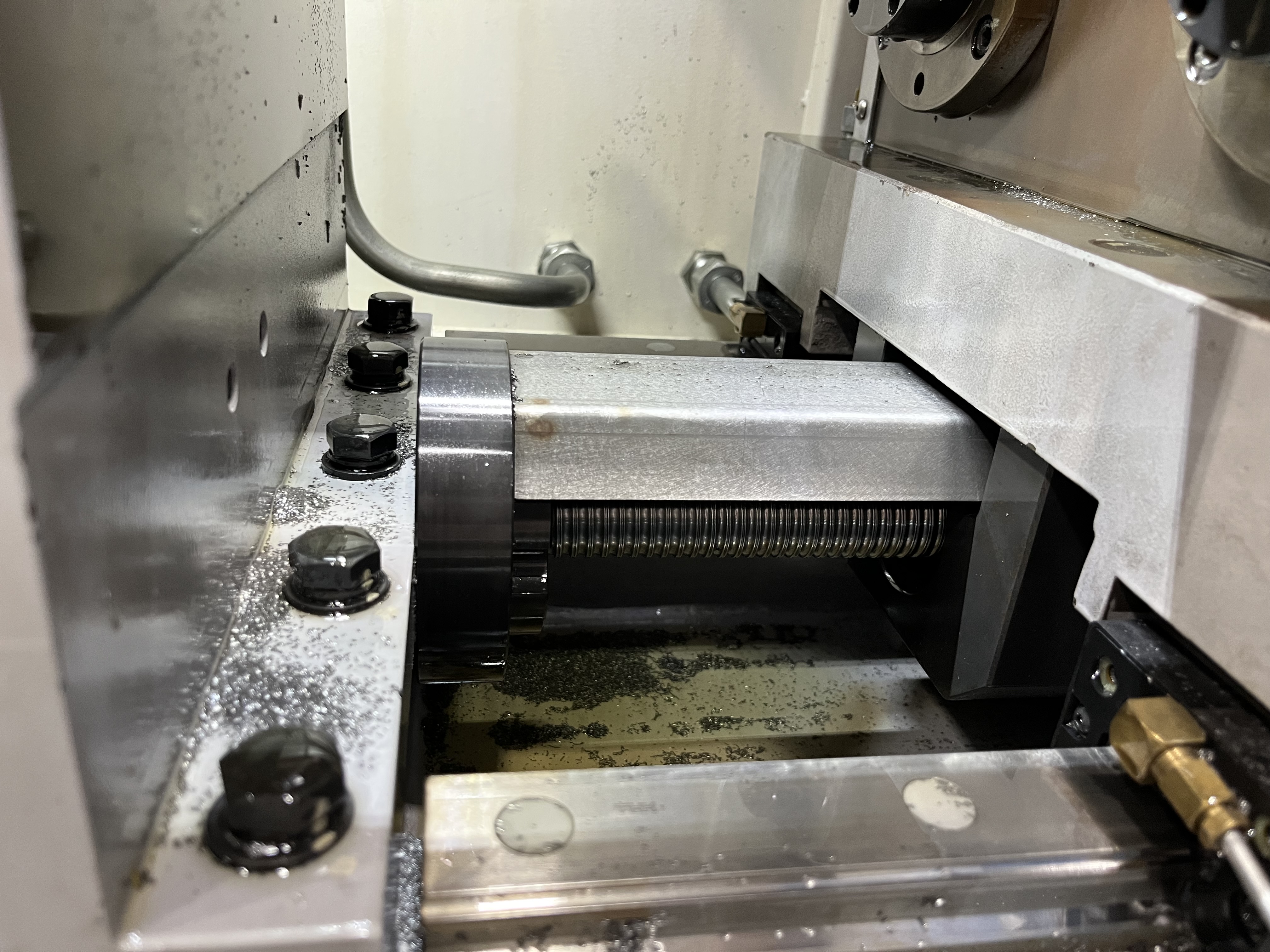
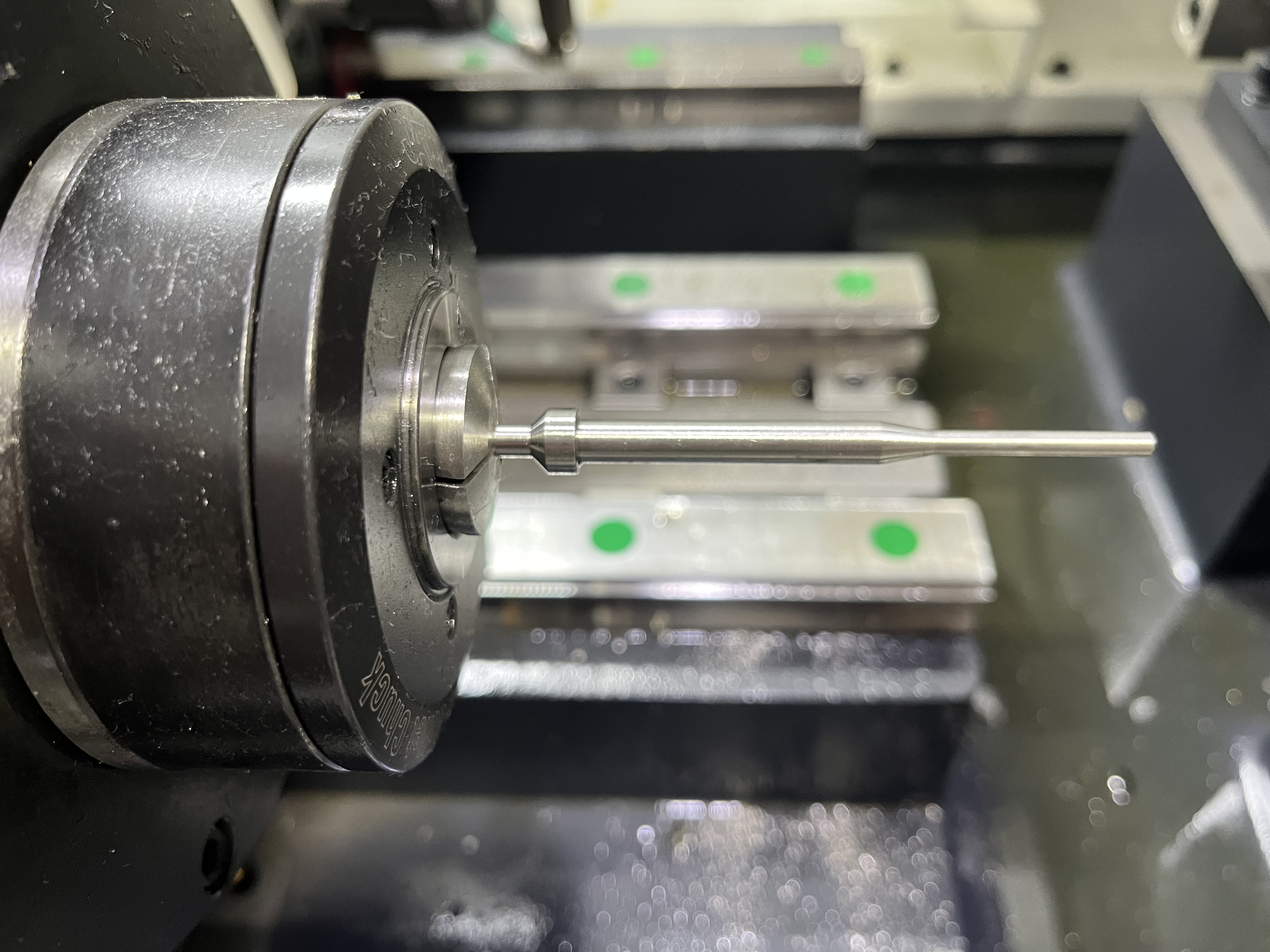
Regular calibration keeps the machine producing accurate holes. I have seen machines drift out of alignment by 0.02mm over a few months of heavy use, which is enough to affect hole position on long jobs requiring tight tolerances. I follow a structured calibration schedule that catches problems early, before they cause scrap. Here is the schedule I use and the procedures I follow for each check. Weekly: Spindle Runout Check The most frequent check is spindle runout. I measure the radial runout at the spindle taper or tool holder interface using a dial indicator with a 0.001mm resolution. ...
June 12, 2026 · Engineer at the Deep Hole

Coolant Temperature and Machine Thermal Stability

Coolant temperature is one of the most overlooked factors in deep hole drilling accuracy. The coolant flows through the machine and the workpiece, carrying heat away from the cutting zone. But it also carries heat into the machine structure — and that thermal input changes the machine geometry. A machine that started the morning drilling holes on size can drift by 0.03 mm by lunch because the coolant warmed up by five degrees. ...

June 11, 2026 · Engineer at the Deep Hole

How Long Should You Warm Up a Deep Hole Drilling Machine?

A cold machine does not drill straight holes. The thermal expansion of the spindle, bed, and coolant changes the machine geometry during the first few hours of operation. I’ve learned to account for thermal effects in every job, and I’ve developed a warm-up procedure that eliminates the guesswork. Why Warm-Up Matters As a machine warms up, several changes happen simultaneously: The spindle bearings expand, changing the spindle position by 0.01-0.03mm The bed expands, changing the alignment between headstock and tailstock The coolant warms up, changing its viscosity and flow characteristics The ball screws expand, changing the positioning accuracy These changes are not small. I measured a 0.15mm drift in hole position on a large BTA machine over the first 90 minutes of operation. The first hole of the day was in a different location than the holes drilled two hours later. The operator had been chasing this by adjusting offsets — compensating for a problem that thermal stability would have solved. ...

June 11, 2026 · Engineer at the Deep Hole

Thermal Drift in Deep Hole Drilling: Causes and Compensation

Understanding Thermal Drift Thermal drift is the change in machine geometry caused by temperature changes. Every material expands when heated. A 2-meter steel bed grows by 0.024mm for every 1 degree C increase. Over an 8-hour shift, the machine can change shape by enough to push holes out of tolerance. I have measured the effects of thermal drift on three different machine tools. Every one of them showed measurable geometry changes from cold start to stabilized running temperature. The changes ranged from 0.02mm to 0.08mm depending on the machine size and construction. ...

June 11, 2026 · Engineer at the Deep Hole

Why Machine Warm-Up Matters for Deep Hole Drilling Accuracy

The Thermal Reality of Machine Tools Every machine tool changes shape as it warms up. Steel expands by roughly 0.012mm per meter for every 1 degree C temperature increase. A 2-meter bed that heats up by 5 degrees C grows by 0.12mm. That is enough to push a hole out of tolerance. I have measured this on my own machines. A cold machine at 18 degrees C in the morning produces different hole positions than the same machine at 28 degrees C after running for two hours. The difference is not hypothetical — it shows up on every first-part inspection. ...

June 11, 2026 · Engineer at the Deep Hole

Deep Hole Drilling Accuracy: What Tolerances Can You Actually Hold?

Deep Hole Drilling Accuracy: What Tolerances Can You Actually Hold? Every customer who walks through my shop door asks the same question: “What can you actually hold?” The textbook says one thing. My CMM reports say another. Here is what I have measured across thousands of parts over the last decade. Diameter Tolerance by Process and Range I run gun drilling, BTA, and reaming every day. Each process lands in a different IT-grade band, and the diameter range changes what is realistic. ...

Engineer at the Deep Hole