Deep Hole Drilling for Robotics and Automation Components

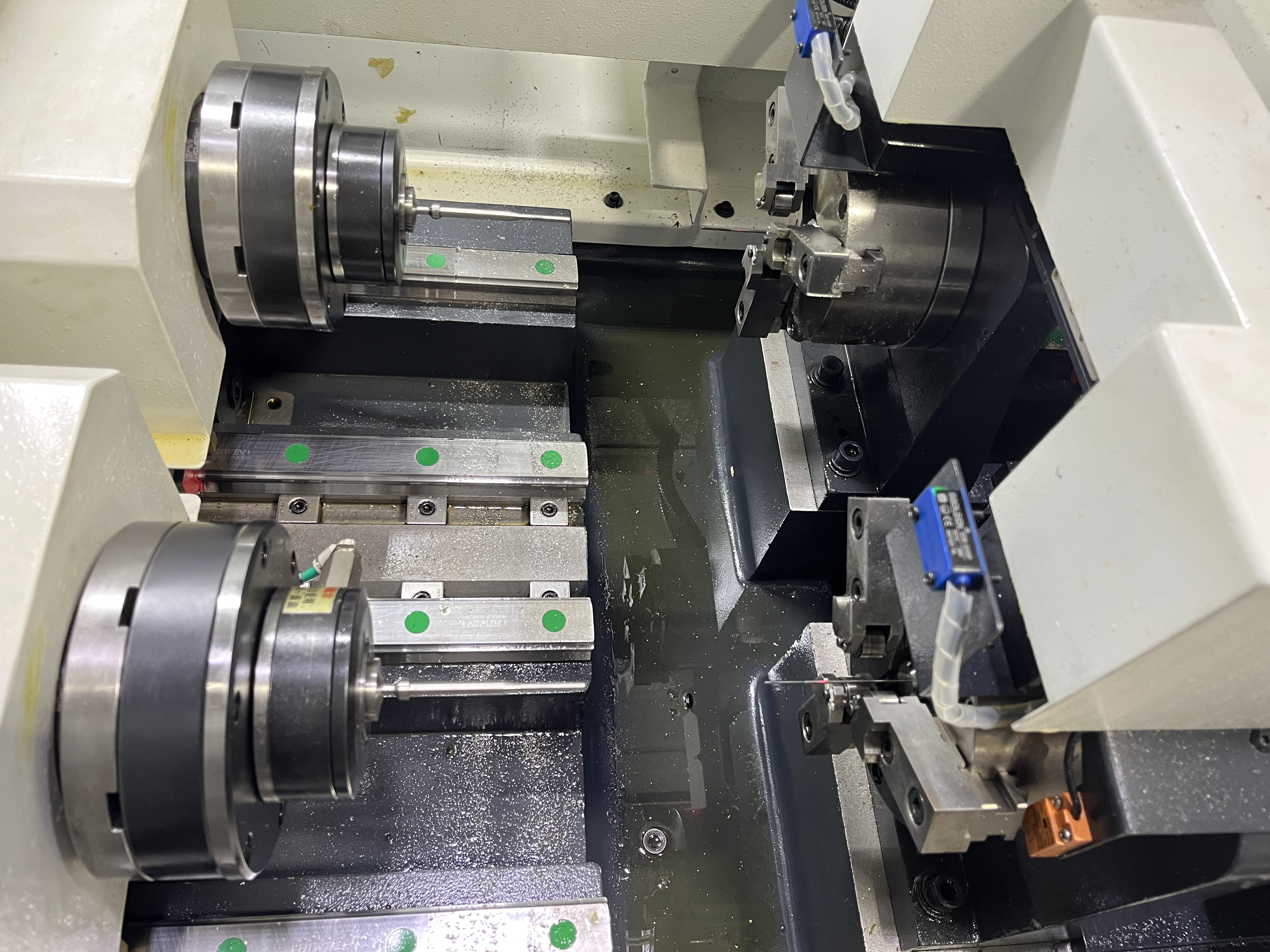
Robotics and automation equipment demand lightweight, stiff components that move quickly and position accurately. Deep hole drilling plays a role in reducing weight, routing cables, and creating fluid passages in robotic arms and end effectors. I have drilled components for industrial robots, collaborative robots, and custom automation cells. The materials are shifting from steel to aluminum and composites as robot speeds increase. The lightweight design approach has parallels in aerospace deep hole drilling where every gram of weight reduction matters. ...
June 16, 2026 · Engineer at the Deep Hole

High-Volume Deep Hole Drilling: Production Cell Design and Cycle Time Optimization

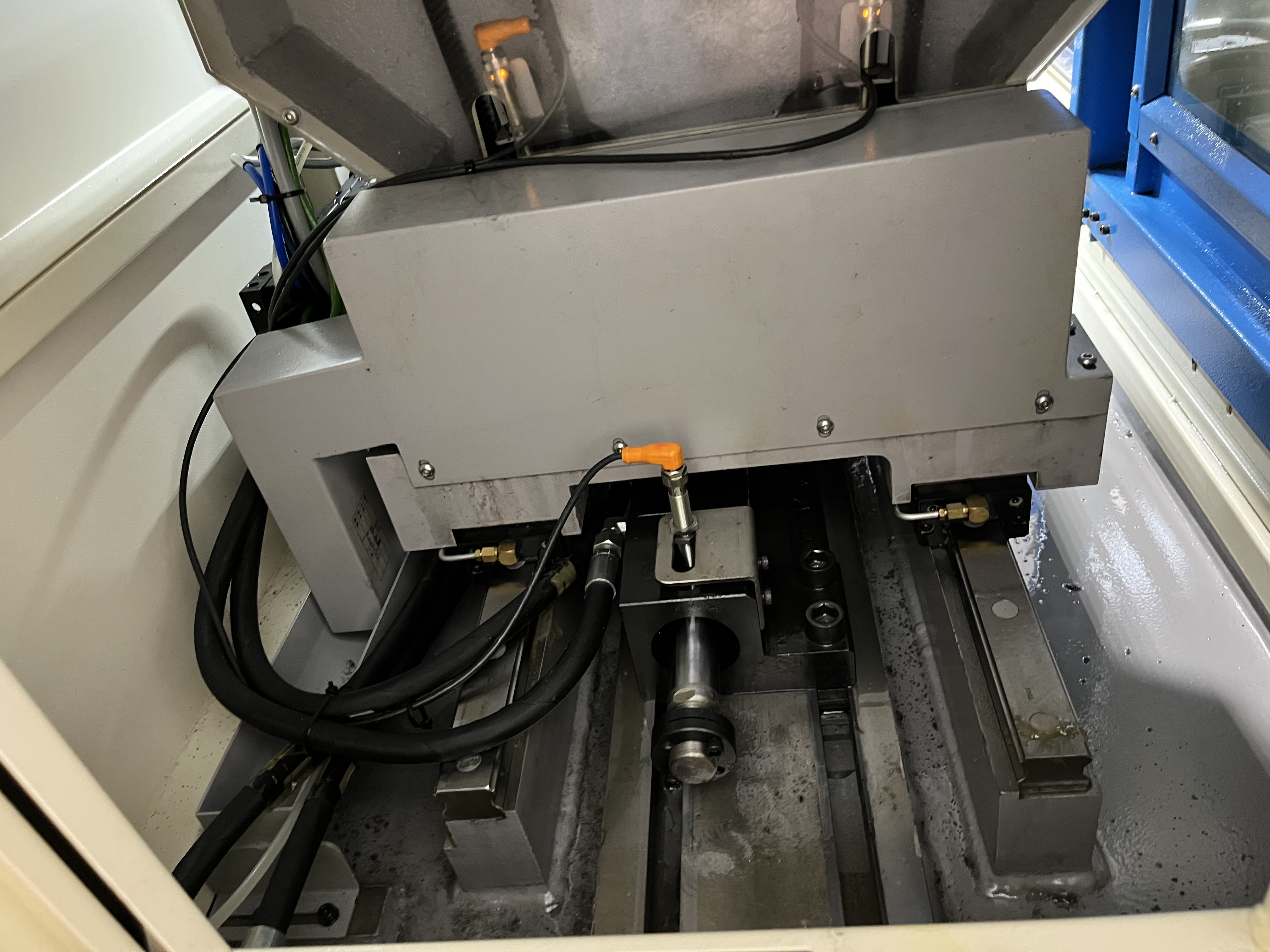
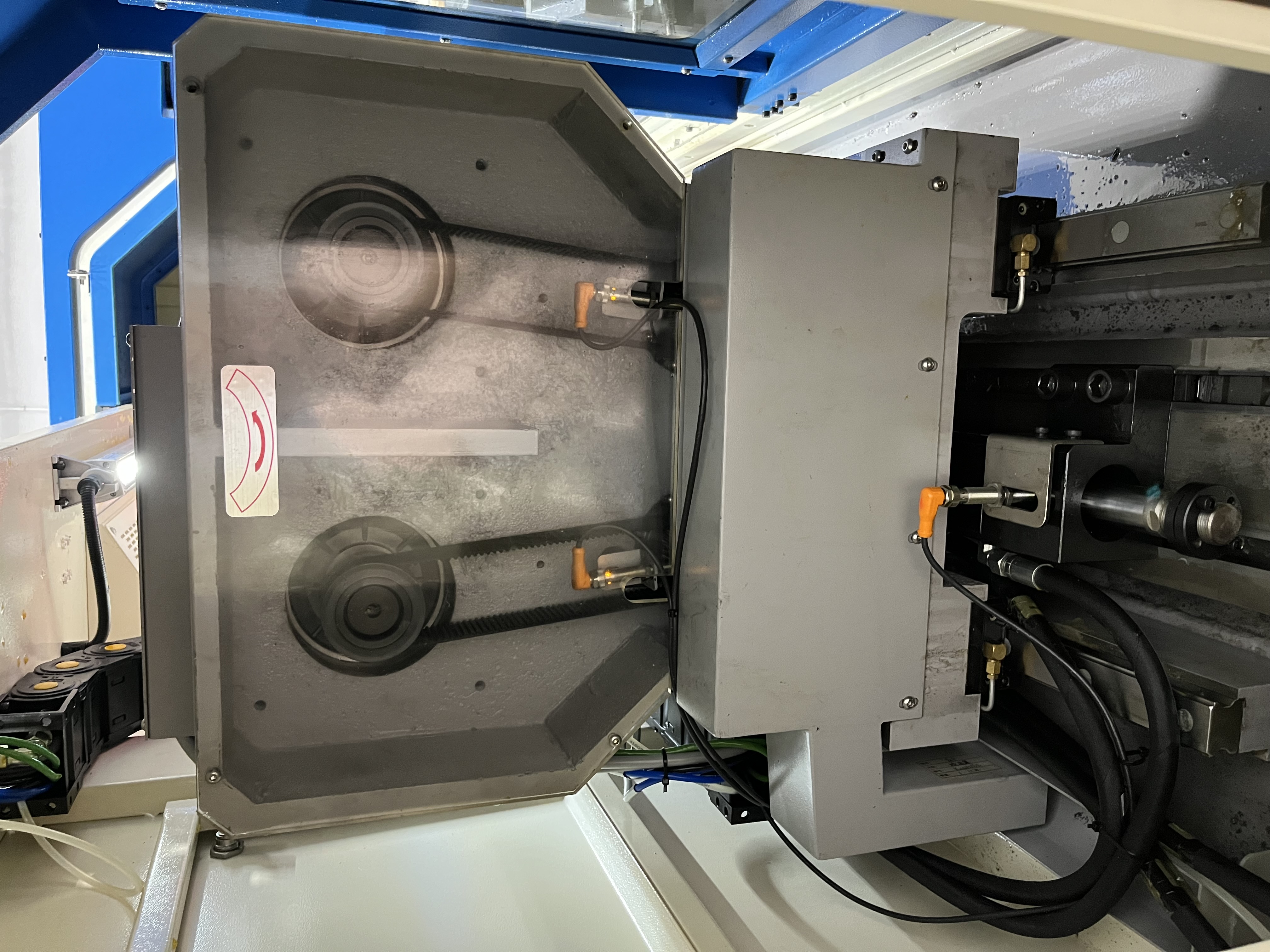
I have spent the better part of my career watching shops try to force job-shop workflows into production environments, and it almost never ends well. High-volume deep hole drilling is not just job-shop work done faster. The entire process architecture changes. When you are running thousands of parts a month instead of a handful of prototypes, every minute of downtime, every inconsistent tool change, every coolant fluctuation multiplies into real cost. Over the last decade, I have designed, tuned, and occasionally had to rescue production cells across automotive, hydraulic component, and aerospace fastener lines. Here is what I have learned about making deep hole drilling work at volume. ...

June 16, 2026 · Engineer at the Deep Hole

Integrating In-Process Gauging with Machine Control

Integrating in-process gauging with the machine control allows automatic measurement of the bore diameter during the drilling cycle. The gauge measures the bore immediately after drilling and the control records the data, adjusts parameters, or alerts the operator. I have implemented these systems on several production machines and the improvement in quality consistency has been substantial. System Architecture and Components The in-process gauging system consists of a measuring probe, a data interface, and the CNC control integration. The measuring probe can be an air plug or a contact probe mounted near the spindle or on a separate slide. ...

June 16, 2026 · Engineer at the Deep Hole

Future Trends in Deep Hole Drilling Technology

Based on what I have seen at trade shows like IMTS and EMO, in new machine introductions, and in conversations with machine builders, several trends are shaping the future of deep hole drilling technology. The industry is moving toward more automation, better data integration, and higher performance machines. I have been tracking these developments because they affect the decisions shop owners make about equipment investments. Automation and Lights-Out Manufacturing Automation is the biggest change in deep hole drilling over the last five years. Robotic part loading and unloading is becoming standard on new machines above a certain price point. I have seen cells that run unattended for hours, loading parts, drilling, checking them with in-process gauges, and sorting them by size. ...

June 12, 2026 · Engineer at the Deep Hole

Automation in Deep Hole Drilling: Options and ROI

Automation in deep hole drilling ranges from simple part loaders to fully integrated production cells. The level of automation you need depends on your production volume, part variety, and labor availability. I’ve worked with manual machines, semi-automated cells, and fully automated lines. Each has its place. Levels of Automation Level Description Typical Volume Labor Manual Operator loads, starts, unloads Up to 500 parts/year 1 operator per machine Semi-automated Operator loads, machine cycles automatically 500-5000 parts/year 1 operator per 2 machines Automated cell Robot loads and unloads, machine cycles automatically 5000-20,000 parts/year 1 operator per 4-6 machines Integrated line Full automation with conveyor, gantry, or robot 20,000+ parts/year 1 operator per line The jump from manual to semi-automated is usually the easiest and has the fastest payback. ...

June 11, 2026 · Engineer at the Deep Hole

Choosing a Deep Hole Drilling Machine for Automotive Production

I’ve worked with a fair range of deep hole drilling machines in automotive settings — single-spindle job shop machines, multi-spindle production lines, and everything in between. Each type has its place. The question is matching the machine to the production volume and the part complexity. Automotive parts have specific requirements that set them apart from general deep hole drilling. The volumes are higher, the tolerances are tighter, and the cost per part matters more. I have seen a 0.01 mm difference in hole position scrap an entire batch of transmission valve bodies. ...

June 11, 2026 · Engineer at the Deep Hole

Multi-Spindle Deep Hole Drilling: When More Is Better

The simplest way to increase deep hole drilling output is to add more spindles. Two spindles drilling at once theoretically doubles the throughput. Four spindles quadruple it. But multi-spindle machines aren’t simple. The spindles need to be synchronized, the tooling needs to be matched, and the setup is more complex than a single-spindle machine. Here’s what I’ve learned running them. When Multi-Spindle Works Multi-spindle drilling makes sense when three conditions are met: ...

June 11, 2026 · Engineer at the Deep Hole