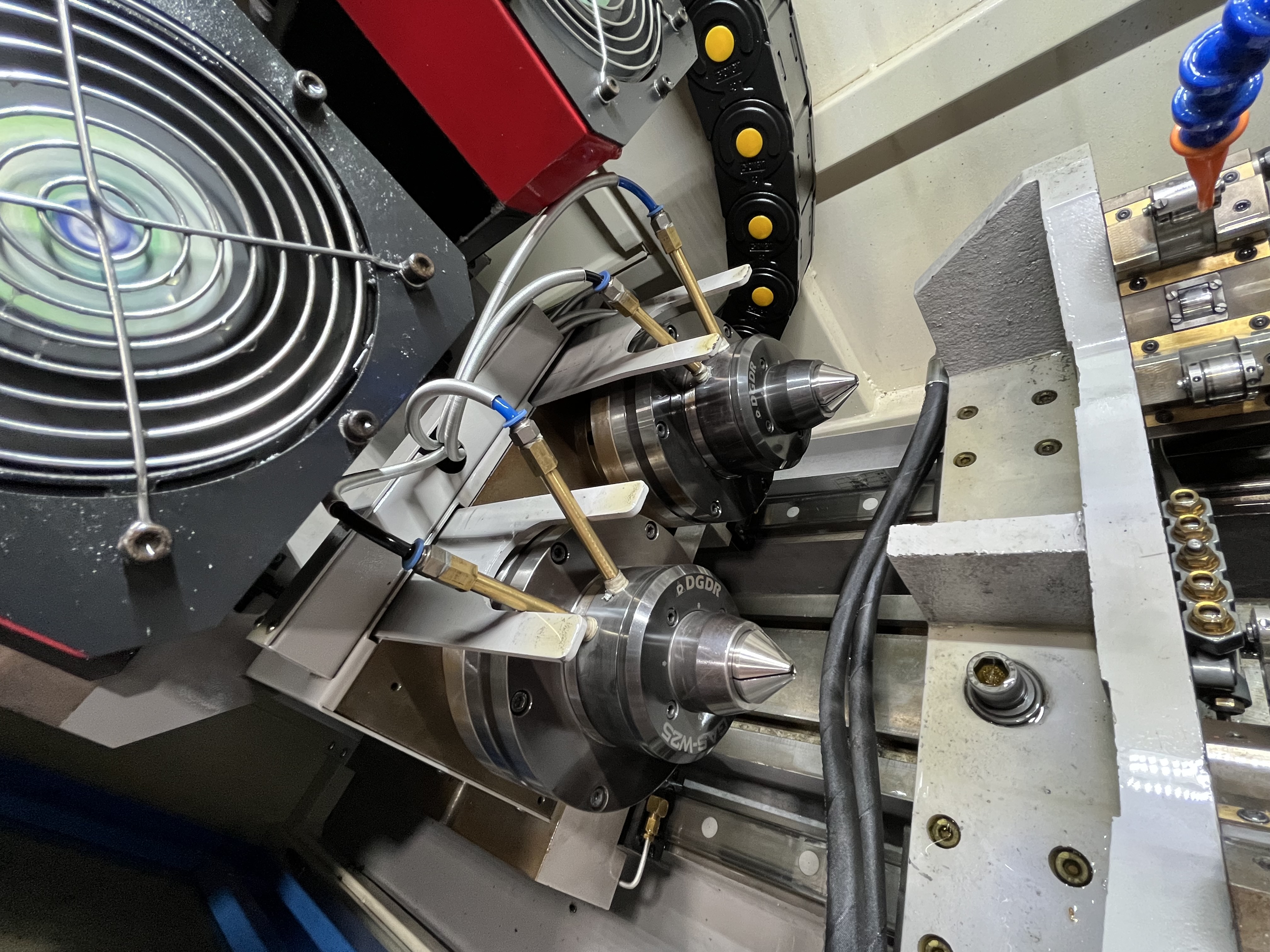
Deep Hole Drilling for Castings and Forgings

Castings and forgings are the starting point for many deep hole drilling jobs. The part starts as a rough shape, and I have to put a precision bore through it. The problem is that neither castings nor forgings are uniform materials – they have scale on the surface, internal voids, and inconsistent grain structure from the forming process. I have learned to treat every casting and forging as a potential problem until proven otherwise. The first hole tells me what the rest will be like. ...
June 16, 2026 · Engineer at the Deep Hole

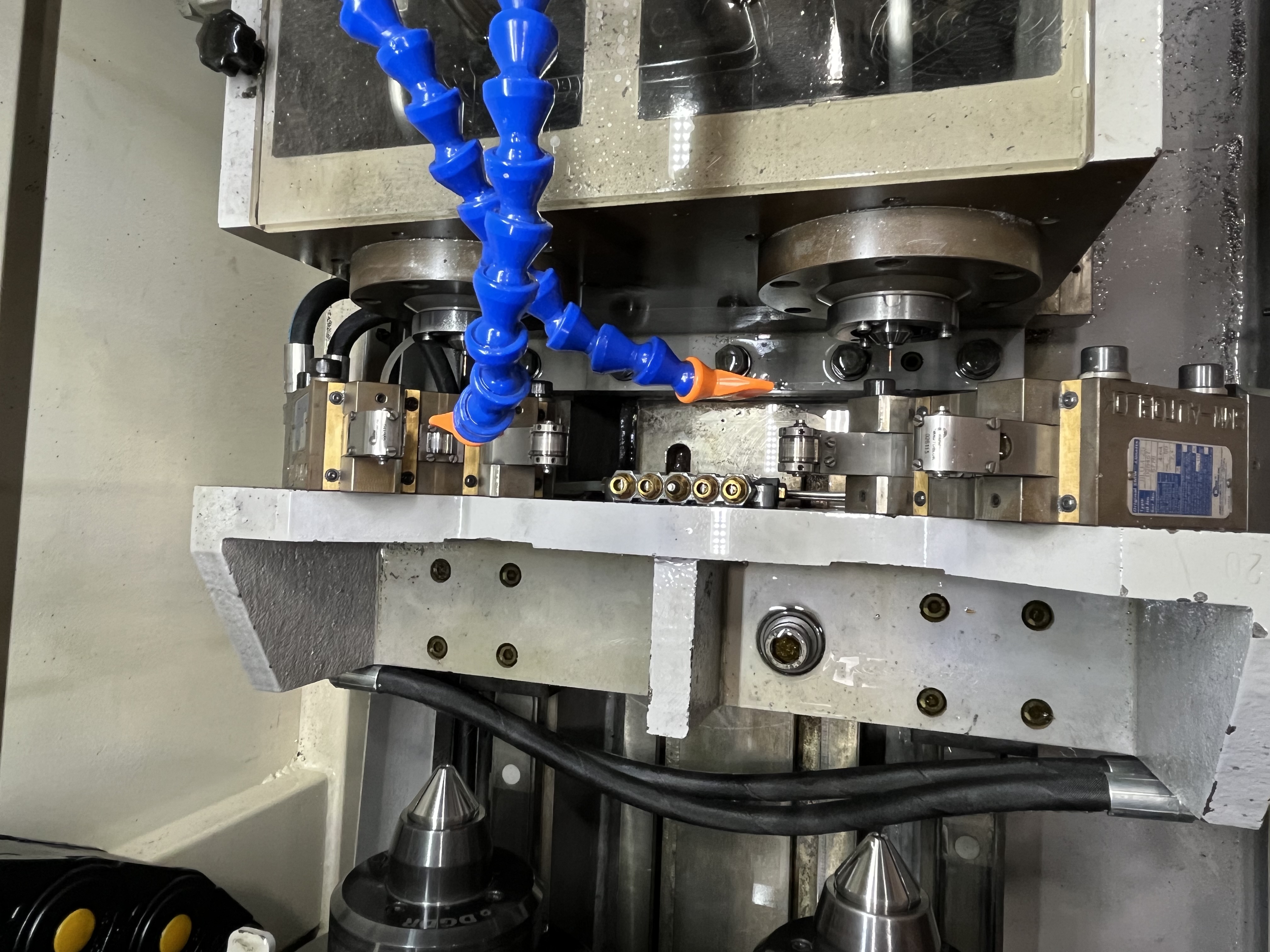
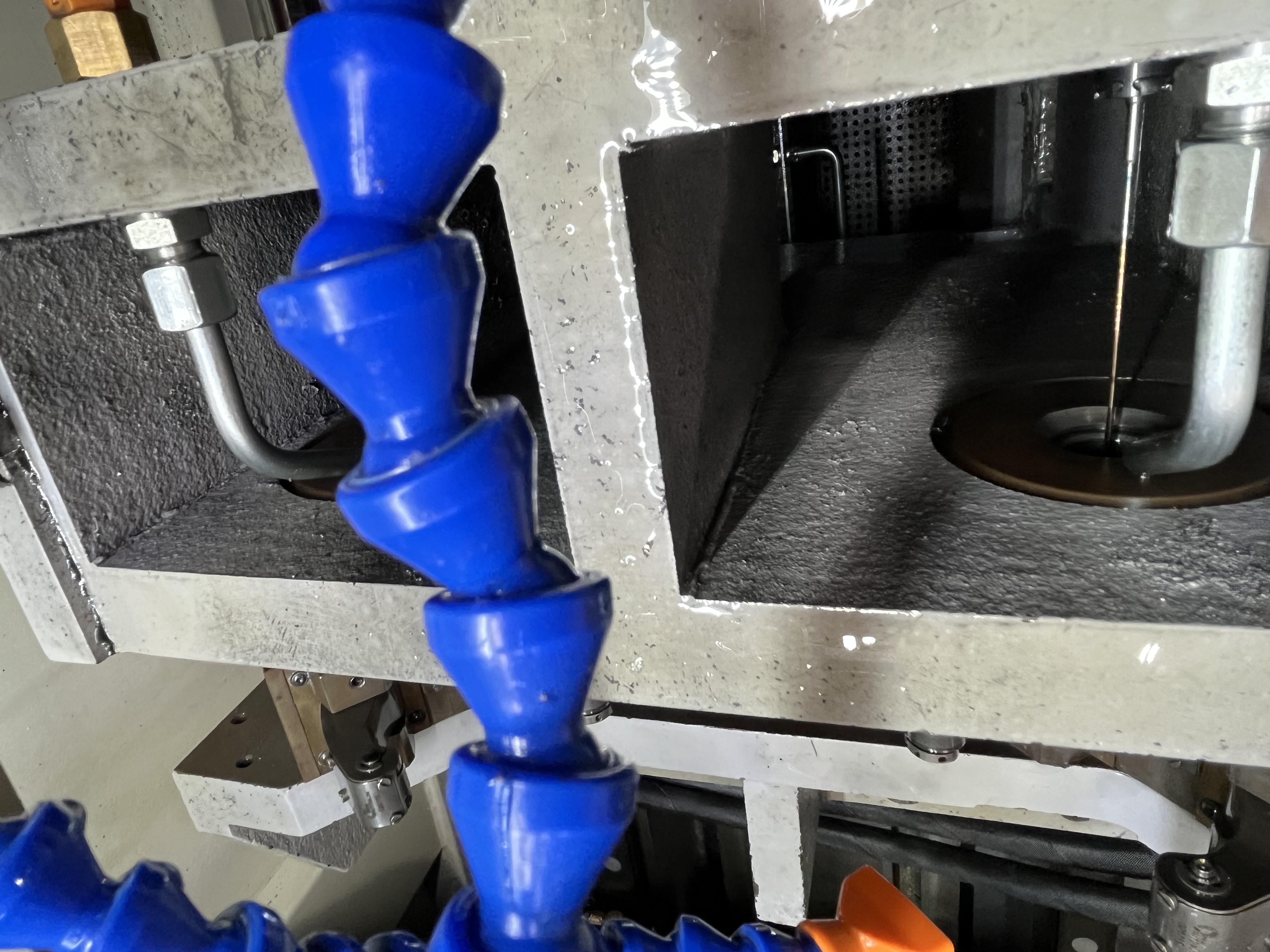
Machining Allowance for Gun Drilled Cast Iron Parts

Cast iron parts often need gun drilled holes for fluid passages or weight reduction. The machining allowance — how much material to leave for finishing — depends on the casting quality and the tolerance requirement. I have drilled thousands of holes in gray iron, ductile iron, and compacted graphite iron, and the allowance decision is different for each grade. Cast iron drills differently than steel. The graphite content acts as a lubricant, so tool life is good. But cast iron can have hard spots from uneven cooling, and the surface has a tough scale layer. The graphite also affects the surface finish — the as-drilled finish is naturally smoother than in steel because the graphite flakes act as chip breakers and lubricate the cutting edge. ...

June 16, 2026 · Engineer at the Deep Hole

Deep Hole Drilling for Castings: What to Watch For

Castings are different from wrought material. The grain structure is not uniform, there can be porosity, and the surface has a tough scale layer. I have drilled plenty of cast iron and steel castings over the years, and I have learned that treating them like wrought bar stock is a fast way to break a drill. The main differences from wrought material are the entry surface and the internal consistency. Here is what I have learned from drilling thousands of holes in castings. ...

June 12, 2026 · Engineer at the Deep Hole