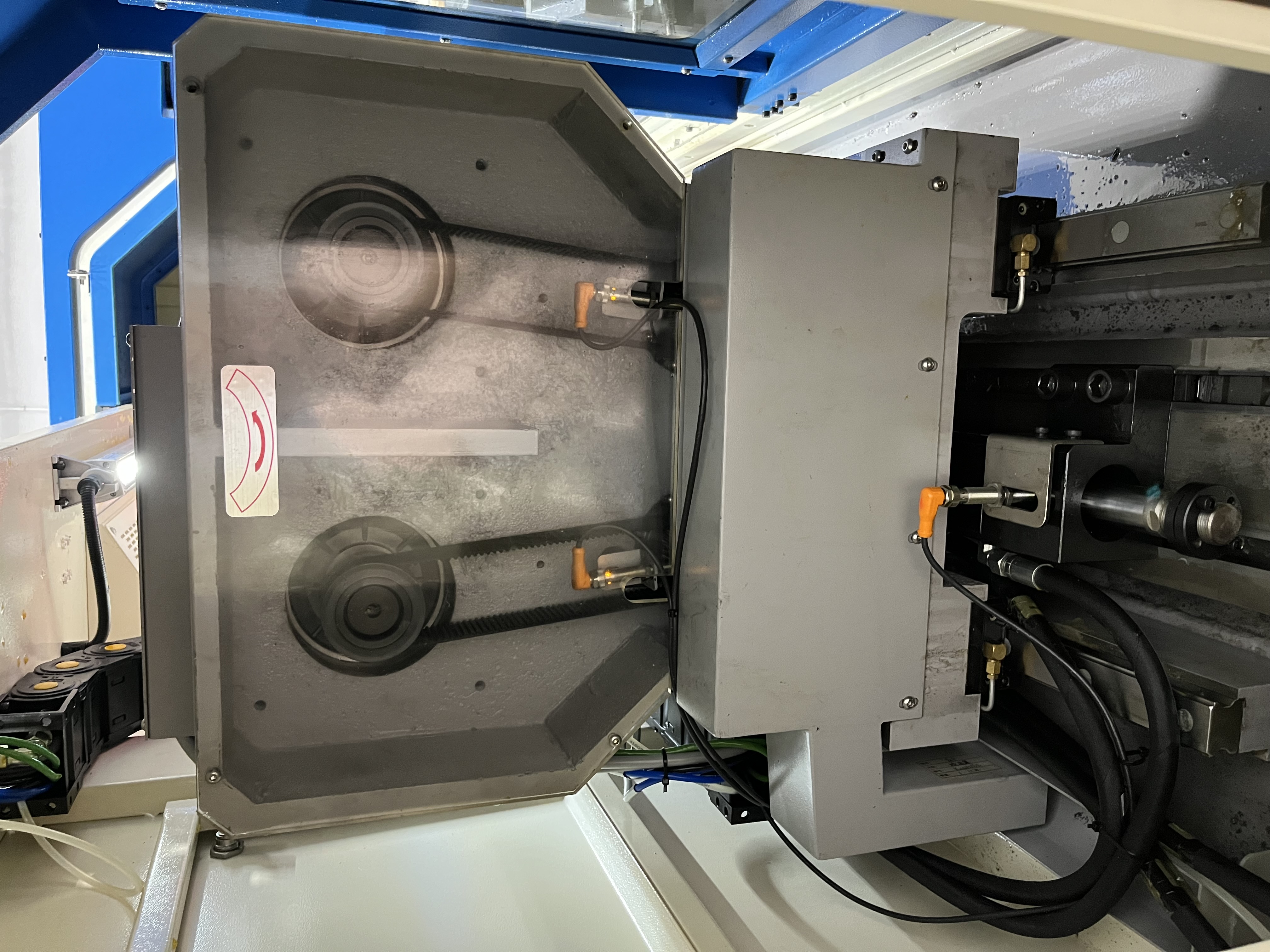
Chip Breaking Mechanisms in Deep Hole Drilling

I adjust feed rate to control chip breaking more than any other single parameter in deep hole drilling. Chip breaking is essential for deep hole drilling because the entire process depends on reliable chip evacuation through a narrow flute or inner tube. Long stringy chips pack up in the flute and cause tool breakage in seconds. Short broken chips evacuate easily, and consistent chip breaking is what separates a stable deep hole drilling process from a nightmare of broken tools and scrapped parts. ...
June 11, 2026 · Engineer at the Deep Hole

Feed Rate and Chip Breaking: Finding the Sweet Spot

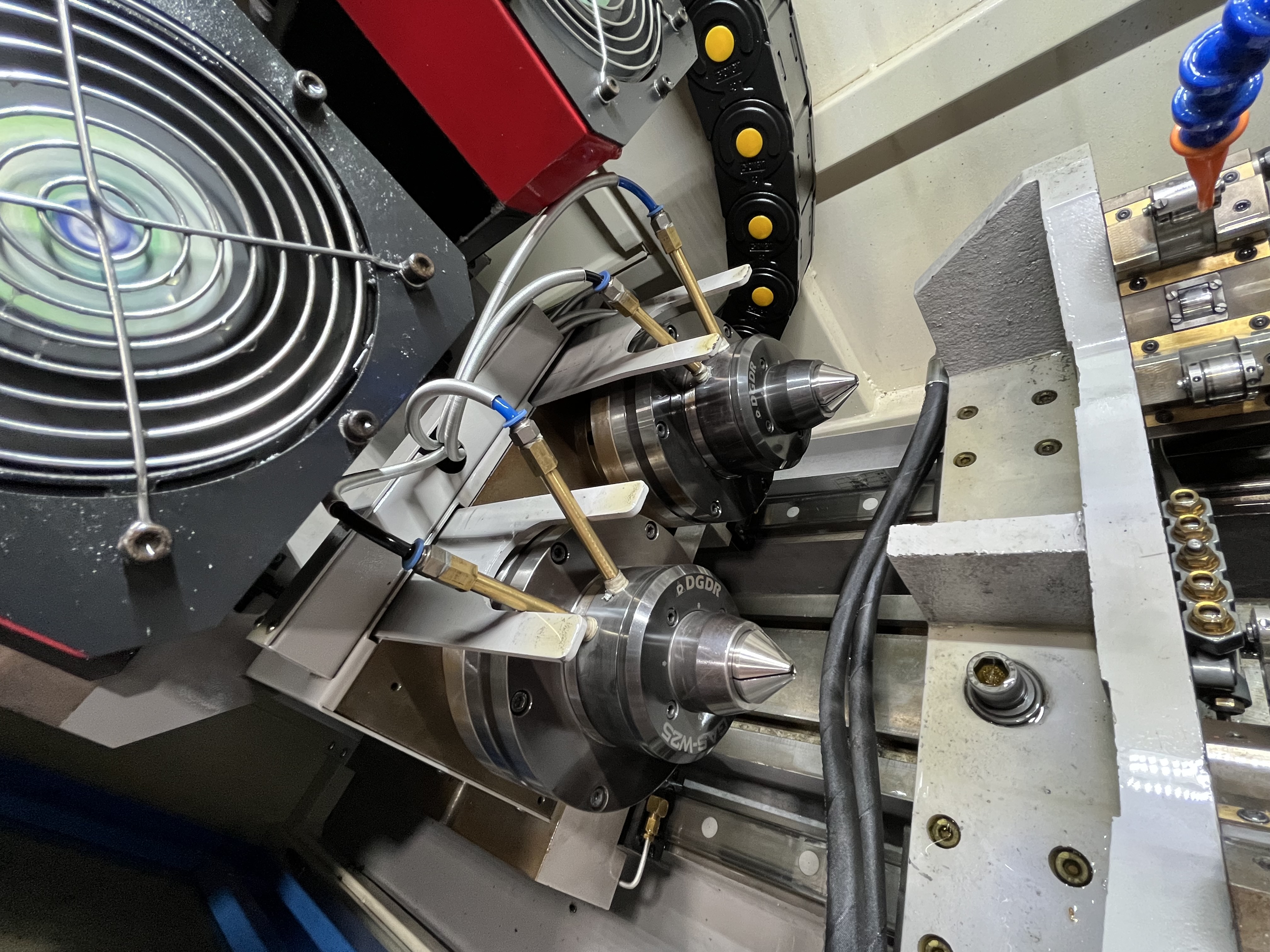
Why Feed Rate Controls Chip Shape In deep hole drilling, chip breaking is not optional. Long stringy chips pack in the bore, block coolant flow, and cause tool breakage. The feed rate is the primary lever I use to control chip formation. The cutting action of a gun drill produces chips that curl as they travel along the flute. At the right feed rate, the chips curl tight enough to break under their own weight. At the wrong feed, they either form long ribbons or break into dust. ...

June 11, 2026 · Engineer at the Deep Hole

Peck Drilling vs Continuous Feed for Deep Holes: When to Interrupt the Cut

I spent the first several years of my career running continuous feed on every deep hole job that came across my machines. It felt efficient — keep the tool moving, keep the chips flowing, keep the cycle time low. I never questioned it until a nasty string of drill breakages on a 316 stainless job forced me to dig into what was really happening at the bottom of the hole. What I found changed how I think about peck drilling entirely. ...

Engineer at the Deep Hole