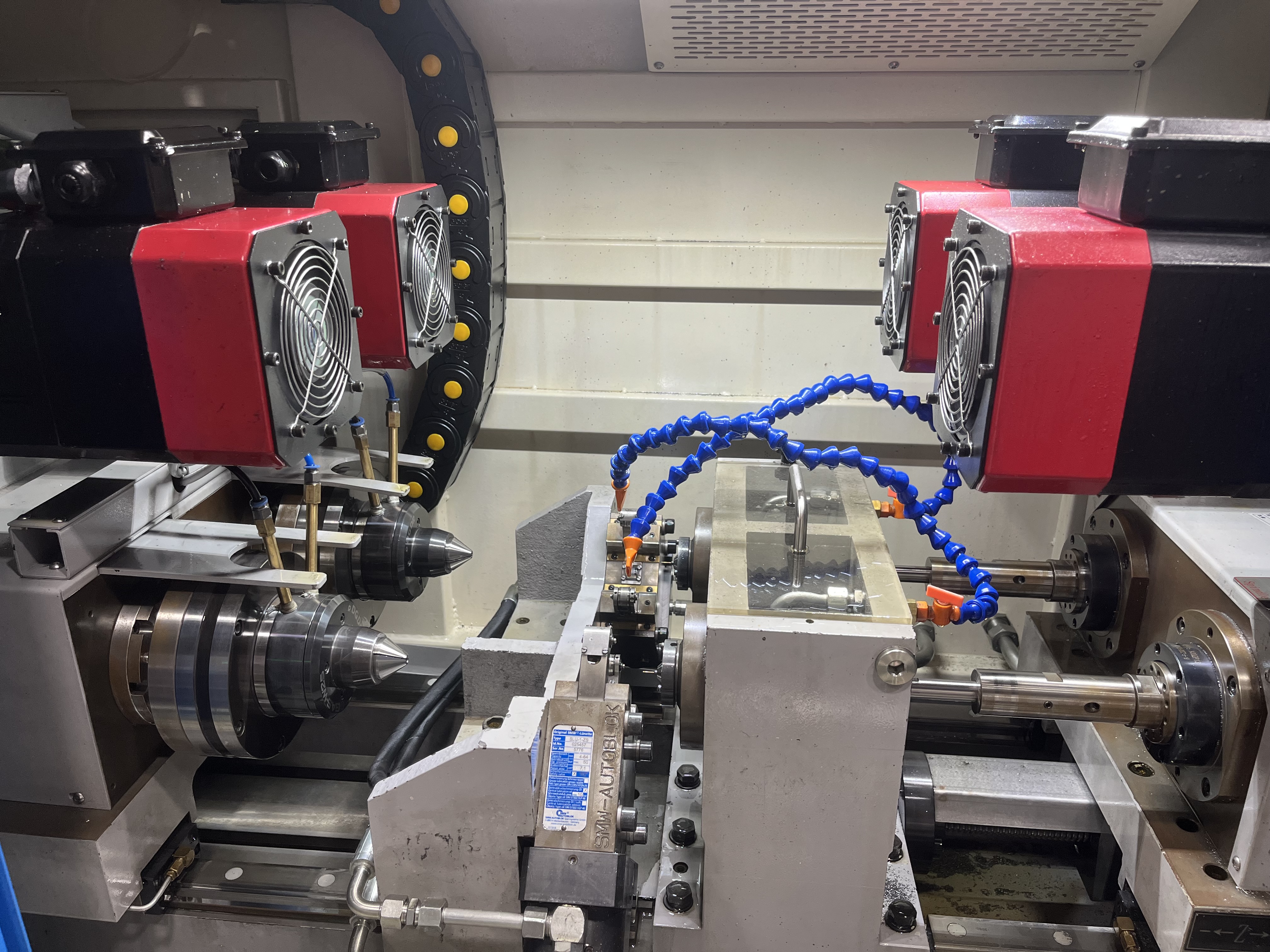
Coolant Biocide Types and Application Schedule

Biocide prevents bacterial growth in emulsion coolants. Bacteria consume the coolant additives and produce hydrogen sulfide gas — the classic rotten egg smell. Left untreated, the coolant turns rancid, separates into oil and water, and needs to be drained and replaced. I have dumped thousands of gallons of rancid coolant over the years, and most of those dumps could have been prevented with proper biocide management. Biocide Types for Different Situations I use two primary types of biocide depending on the situation, but there are actually four main categories worth understanding. Each targets different organisms and works best under specific coolant conditions. ...

June 16, 2026 · Engineer at the Deep Hole

Coolant Filtration Maintenance for Deep Hole Drilling Systems

The coolant filtration system is the first thing I check when a deep hole drilling operation starts producing inconsistent results. Dirty coolant causes more tool failures, surface finish problems, and bore diameter drift than almost any other single factor. I have seen a shop cut tool life in half simply by letting their filtration maintenance slip by two weeks. Why Filtration Matters More in Deep Hole Drilling Deep hole drilling generates fine chips that stay suspended in the coolant much longer than the chips from turning or milling. A gun drilling operation produces chips that are typically 0.01 to 0.05 mm thick and 1 to 5 mm long. These chips pass through the drill head coolant holes at high velocity. If chips recirculate through the system, they erode seals, clog coolant passages, and scratch bore surfaces. ...

June 16, 2026 · Engineer at the Deep Hole

Coolant Sampling and Testing Procedures

Why Regular Coolant Testing Matters In deep hole drilling, the coolant does double duty: it lubricates the cutting zone and flushes chips out of the bore. Contaminated or degraded coolant fails at both tasks. I test the coolant weekly using a standard procedure that takes about 5 minutes per machine. The time is well spent when it prevents a coolant-related tool failure or part rejection. I have traced problems including poor surface finish, accelerated tool wear, and bacterial stink all to coolant that had drifted outside specification. In each case, the weekly test would have caught the issue days or weeks before it affected production. ...

June 16, 2026 · Engineer at the Deep Hole

Coolant Tank Dump, Clean, and Recharge: A Step-by-Step Procedure for Deep Hole Drilling

Deep hole drilling puts more demand on coolant than any other machining process. High pressure, high flow, and continuous chip load mean coolant degrades faster. I have found that a systematic dump-clean-recharge (DCR) procedure every 6-12 months doubles coolant life and prevents most contamination problems before they start. Here is the procedure I use. When to Do a DCR I do not wait for a fixed schedule. I watch for these triggers: ...

June 16, 2026 · Engineer at the Deep Hole

Thru-Spindle Coolant System Maintenance for Deep Hole Drilling

The thru-spindle coolant system is the circulatory system of a deep hole drilling machine. When it fails, you lose coolant pressure, which means chip evacuation stops, which means a broken drill in the bore. I have seen repair bills above $15,000 for a single rotating union failure, not counting the downtime. Keeping this system running is not complicated, but it does require consistent attention. Components of the Thru-Spool System The typical setup includes a rotating union (sometimes called a coolant inductor) mounted at the top or rear of the spindle, a draw tube running through the spindle bore, and sealing elements at both ends. Some machines use a stationary coolant gland and a rotating adapter. Either way, three critical components need regular inspection. ...

June 16, 2026 · Engineer at the Deep Hole

Tramp Oil Removal from Deep Hole Drilling Coolant

What Is Tramp Oil and Why It Matters Tramp oil is hydraulic oil, way lubricant, or grease that leaks into the coolant system. Unlike the cutting oil formulated for deep hole drilling, tramp oil does not provide lubrication or cooling. It contaminates the coolant and causes a cascade of problems. In my experience, coolant contaminated with more than 2% tramp oil by volume starts to show measurable performance drops. Tool life drops by 15-30%, surface finish degrades by one Ra class, and the coolant itself begins to smell as bacteria feed on the tramp oil. I have seen shops scrap hundreds of parts before they traced the issue back to a slow hydraulic leak adding oil into the coolant. ...

June 16, 2026 · Engineer at the Deep Hole

Coolant Additives for Deep Hole Drilling: What Works

I use coolant additives to improve cutting performance and extend coolant life in deep hole drilling operations. The right additive makes a noticeable difference in tool life, surface finish, and coolant system reliability. Over the years I have tested various additive combinations and developed guidelines for what works in different applications. Types of Coolant Additives and Their Applications Coolant additives serve specific purposes and are not interchangeable. I use four main categories of additives, each with a specific function and application window. ...

June 12, 2026 · Engineer at the Deep Hole

Coolant Foaming: Causes and Solutions in Deep Hole Drilling

Problem Description Foaming robs a high-pressure coolant system of its ability to evacuate chips. The air bubbles in foam take up volume that should be occupied by liquid coolant. I’ve watched a foaming system lose 35% of its chip-carrying capacity — the chips stopped flowing out of the bore and started packing. In deep hole drilling, where chip evacuation depends entirely on coolant flow, foaming is one of the most disruptive problems you can encounter. ...

June 12, 2026 · Engineer at the Deep Hole

Coolant Concentration Measurement and Control for Deep Hole Drilling

I have watched more than one shop chase tool breakage for a week only to discover the coolant was running at half the recommended concentration. Coolant concentration is the kind of variable that does not announce itself. It drifts slowly, a tenth of a point at a time, until one day nothing works right anymore. Here is how I measure it, what the numbers should be, and what to do when they are wrong. ...

Engineer at the Deep Hole

Coolant Contamination in Deep Hole Drilling: Detection, Effects, and Prevention

What I Mean by Coolant Contamination Coolant in deep hole drilling does more than cool. It flushes chips, lubricates the cut zone, and protects the machine from corrosion. When contamination sets in, every one of those jobs suffers. I have walked onto floors where operators blamed the tool, the feed rate, or the material — only to find the real culprit was degraded coolant. Here is what I look for. ...

Engineer at the Deep Hole