Chip Recycling Economics for Deep Hole Drilling

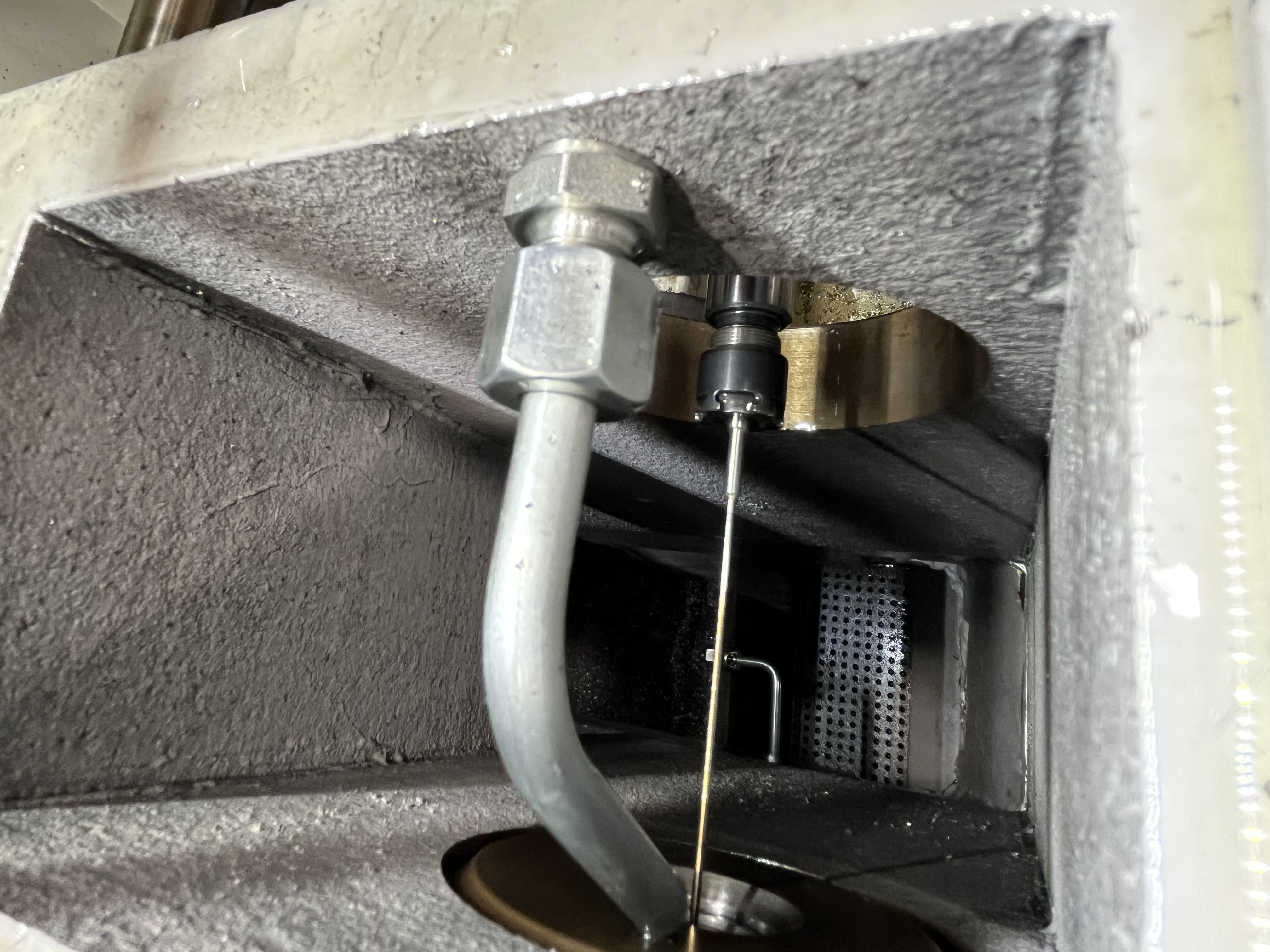
I separate chips by material to get the best price from the recycler. Mixed material chips are worth considerably less than sorted chips. Deep hole drilling produces a high volume of chips from a single material, which makes the sorting economics particularly good compared to general machining where materials change frequently. Scrap Values by Material The scrap value varies significantly by material type. I track the monthly recycling income for each machine to verify the economics. Here are the typical values I have seen on the commodity market: ...
June 12, 2026 · Engineer at the Deep Hole

Coolant Testing Kits and How to Use Them

I test coolant regularly because I learned the hard way what happens when you do not. A batch of hydraulic cylinders came out with stained bores because the coolant pH had dropped too low. The coolant had gone acidic and was etching the steel surface. The customer rejected the whole batch — 45 parts scrap at $80 each. That loss was $3,600 from a $50 testing kit I had on the shelf but was not using. I test religiously now. Here is exactly what I use and how often. ...

June 12, 2026 · Engineer at the Deep Hole

Centralized vs Individual Coolant Systems for Deep Hole Drilling

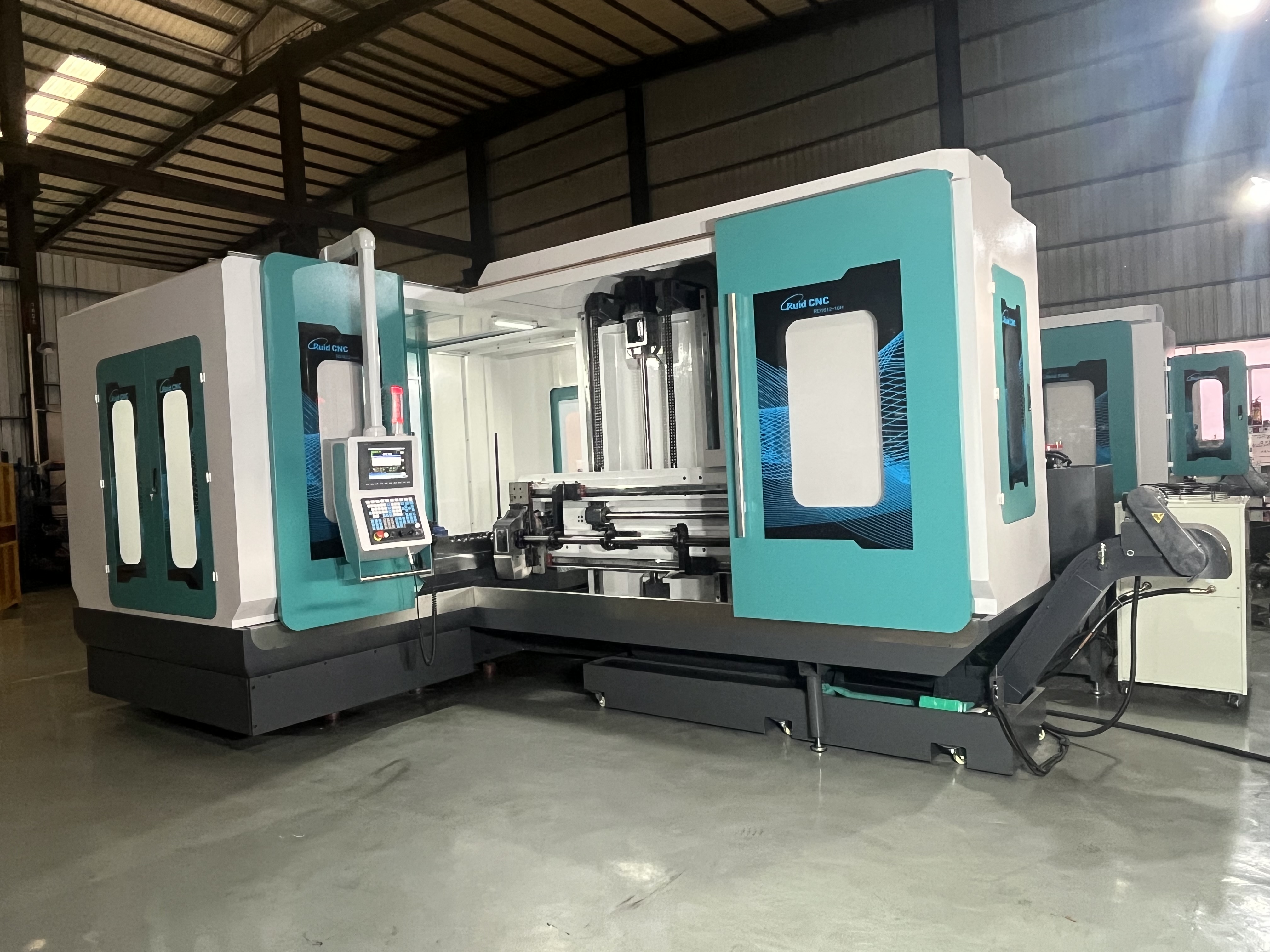
One decision that comes up in shops with multiple deep hole drilling machines is whether to use individual coolant systems or a central system. I’ve worked in shops with both setups, and each approach has trade-offs that depend on the number of machines, the type of work, and the shop layout. Individual Systems Each machine has its own coolant pump, tank, filter, and chiller. This is the standard configuration that most machine builders ship. ...

June 11, 2026 · Engineer at the Deep Hole

Coolant Recycling Systems for Deep Hole Drilling

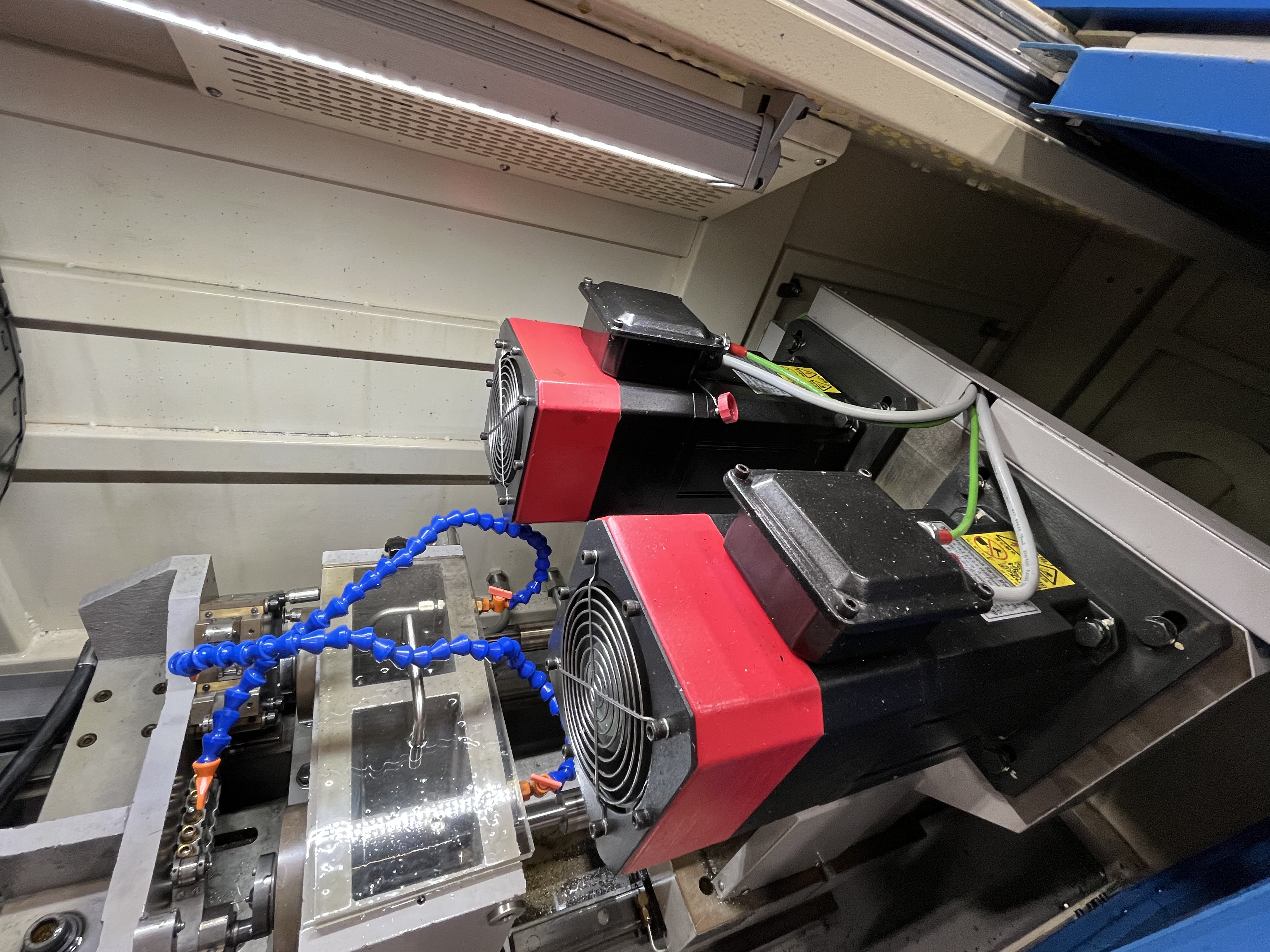
Deep hole drilling machines use a significant volume of coolant. For a machine running oil-based coolant, the coolant cost can be a significant operating expense. Recycling the coolant saves money and reduces waste. I have used various coolant recycling systems. Here is what works. Why Recycle Coolant recycling reduces: Coolant purchases. Recycled coolant costs less than new coolant. Disposal costs. Used coolant is hazardous waste in most jurisdictions. Downtime. Coolant changes take the machine out of production. For a machine using 500 gallons of coolant that is changed quarterly, recycling extends the coolant life to annual changes. That is 1500 gallons of coolant that does not need to be purchased or disposed of. ...

June 11, 2026 · Engineer at the Deep Hole