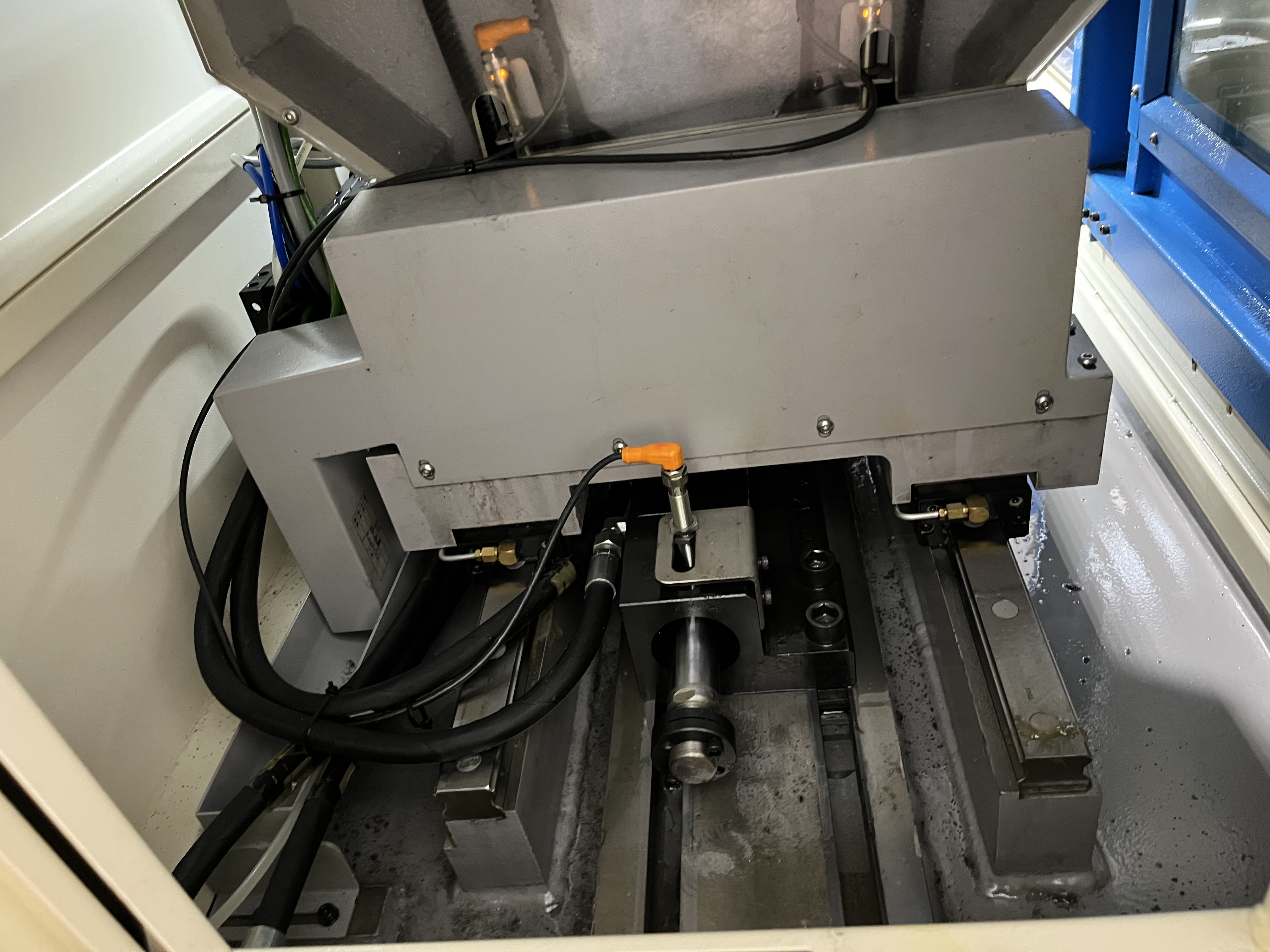
Heat Management in High-Temperature Alloy Drilling

Heat management is the main challenge when drilling high-temperature alloys. These materials retain heat at the cutting edge instead of letting it dissipate through the chip. The heat at the cutting edge can exceed 1000 degrees C in the cutting zone. This heat degrades the tool edge rapidly, and once the cutting edge goes, the tool fails within seconds. I’ve learned that the key is removing heat as fast as it is generated. If you let the heat accumulate, the tool fails within seconds. Here is my approach to keeping the cutting zone cool when drilling superalloys like Inconel 718, Waspaloy, and Rene 41. ...
June 16, 2026 · Engineer at the Deep Hole

BUE in Aluminum Gun Drilling: Prevention Tips

Problem Description Built-up edge in aluminum gun drilling shows up as a ragged, torn surface finish on the bore wall. I’ve pulled a 10 mm gun drill from a 7075-T6 block and found aluminum welded solid to the cutting edge, changing the effective geometry of the tool. The bore looked like it had been chewed out rather than cut, with surface finish readings jumping from 1.6 Ra to over 6.3 Ra. ...

June 12, 2026 · Engineer at the Deep Hole

Built-Up Edge in Gun Drilling: Causes and Fixes

Problem Description Built-up edge forms when workpiece material welds to the gun drill cutting edge. I see this most often on aluminum alloys and low-carbon steel like 1018. The welded material builds up layer by layer, changing the effective cutting geometry. A drill with BUE cuts differently with every pass, and the results are unpredictable. The results show up immediately. Surface finish jumps from 1.6 Ra to 6.3 Ra or worse. Hole diameter drifts as the buildup changes the drill’s effective size. I’ve measured bores opening by 0.08 mm as BUE accumulated during a single cut. On critical jobs, that kind of variation means the hole is scrap before the drill reaches full depth. ...

June 12, 2026 · Engineer at the Deep Hole