Coolant Temperature Control Systems for Deep Hole Drilling

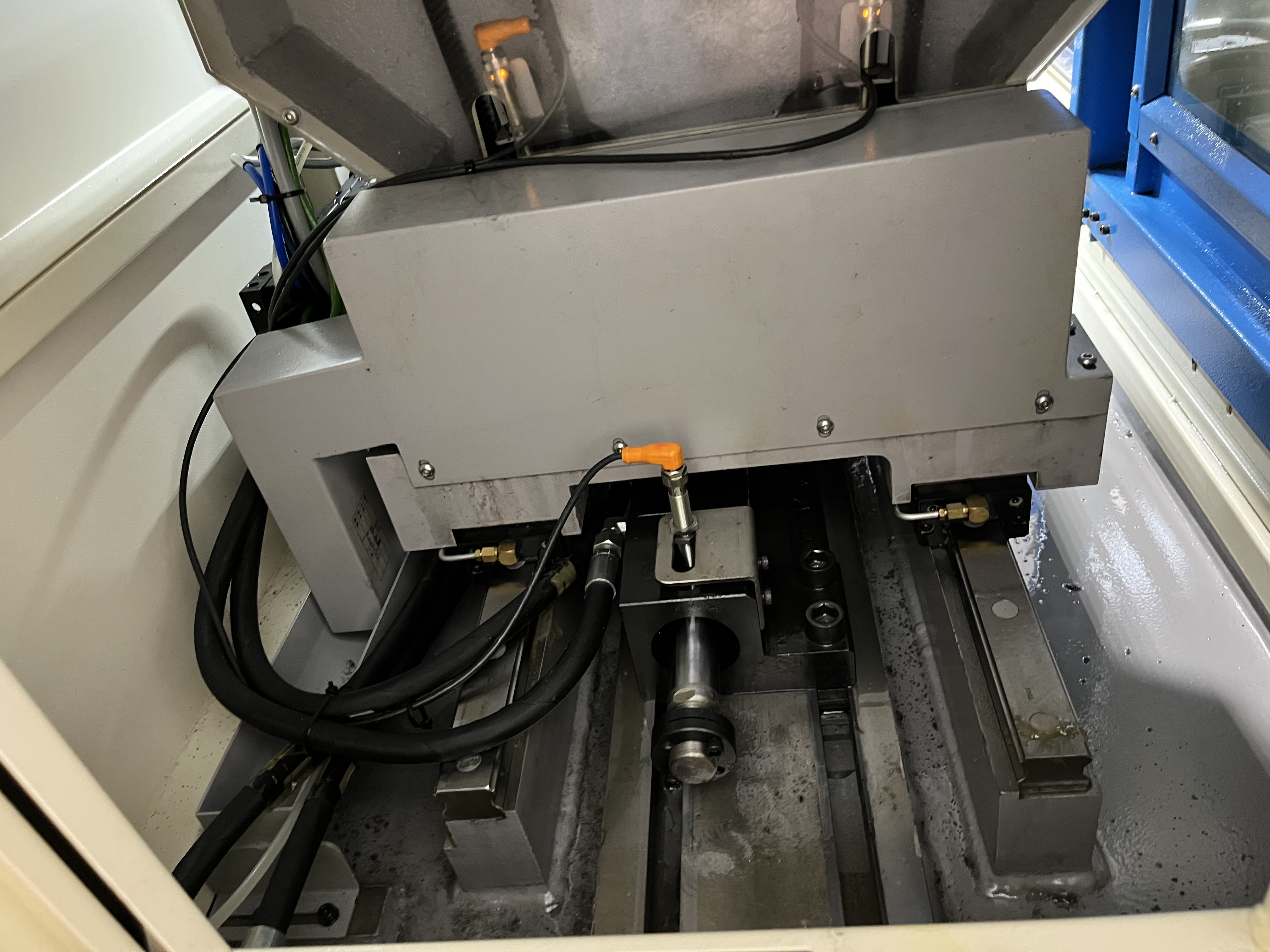
Coolant temperature is the variable that quietly destroys bore accuracy. I have seen a shop chase 0.02 mm diameter variation for three months before someone checked the coolant temperature swing over a shift. It turned out the coolant temperature rose from 72°F at startup to 118°F after four hours of continuous drilling. The thermal expansion of the machine structure alone explained 80% of the variation. Why Temperature Control Matters The thermal expansion coefficient of cast iron is approximately 0.000011 mm/mm per degree Celsius. A 1-meter machine column that heats up by 10°C grows 0.11 mm. When you are trying to hold a 0.025 mm tolerance on bore location, a 0.11 mm dimensional change destroys the part. ...
June 16, 2026 · Engineer at the Deep Hole

Coolant Temperature Management for Consistent Bore Size

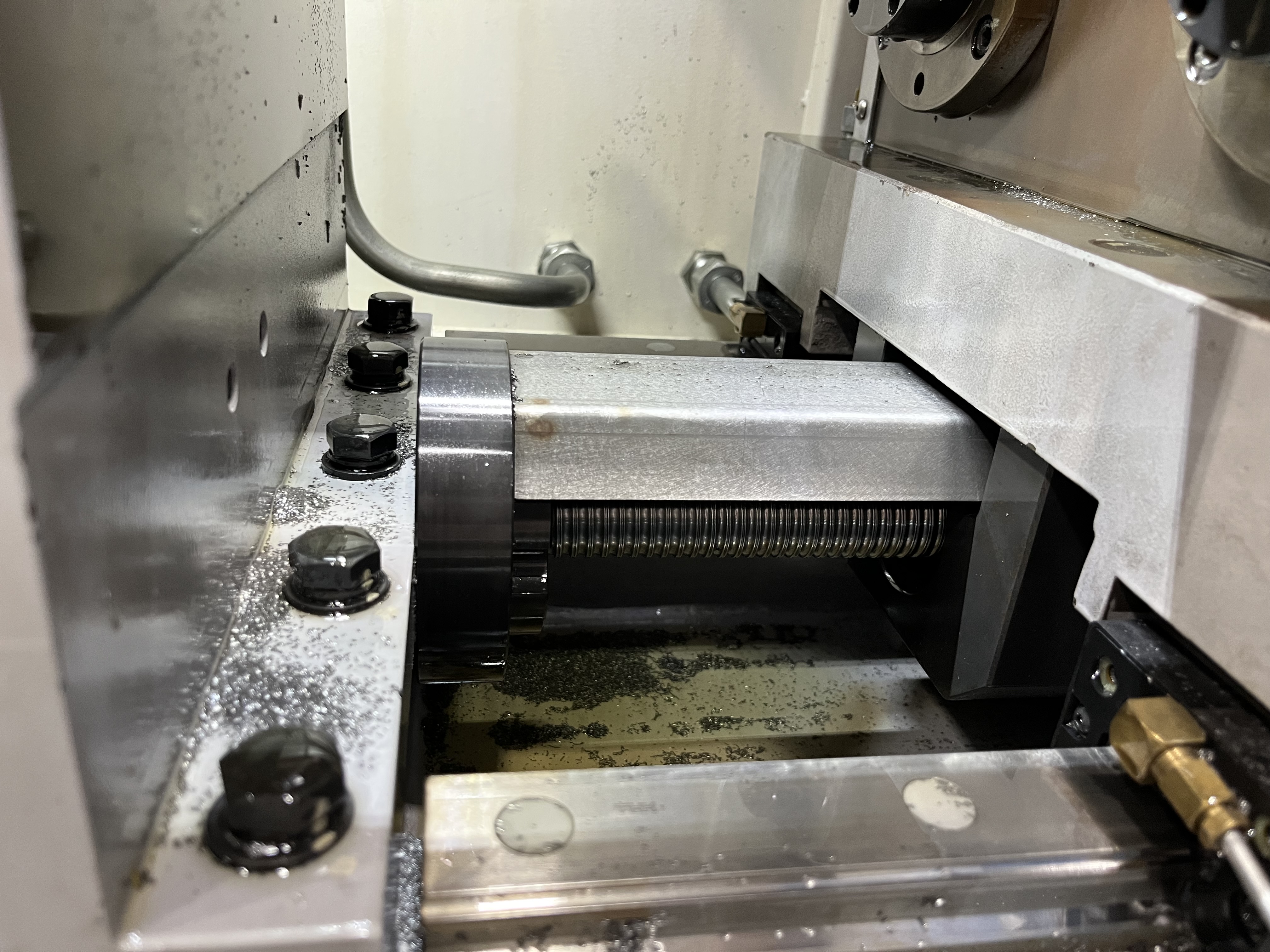
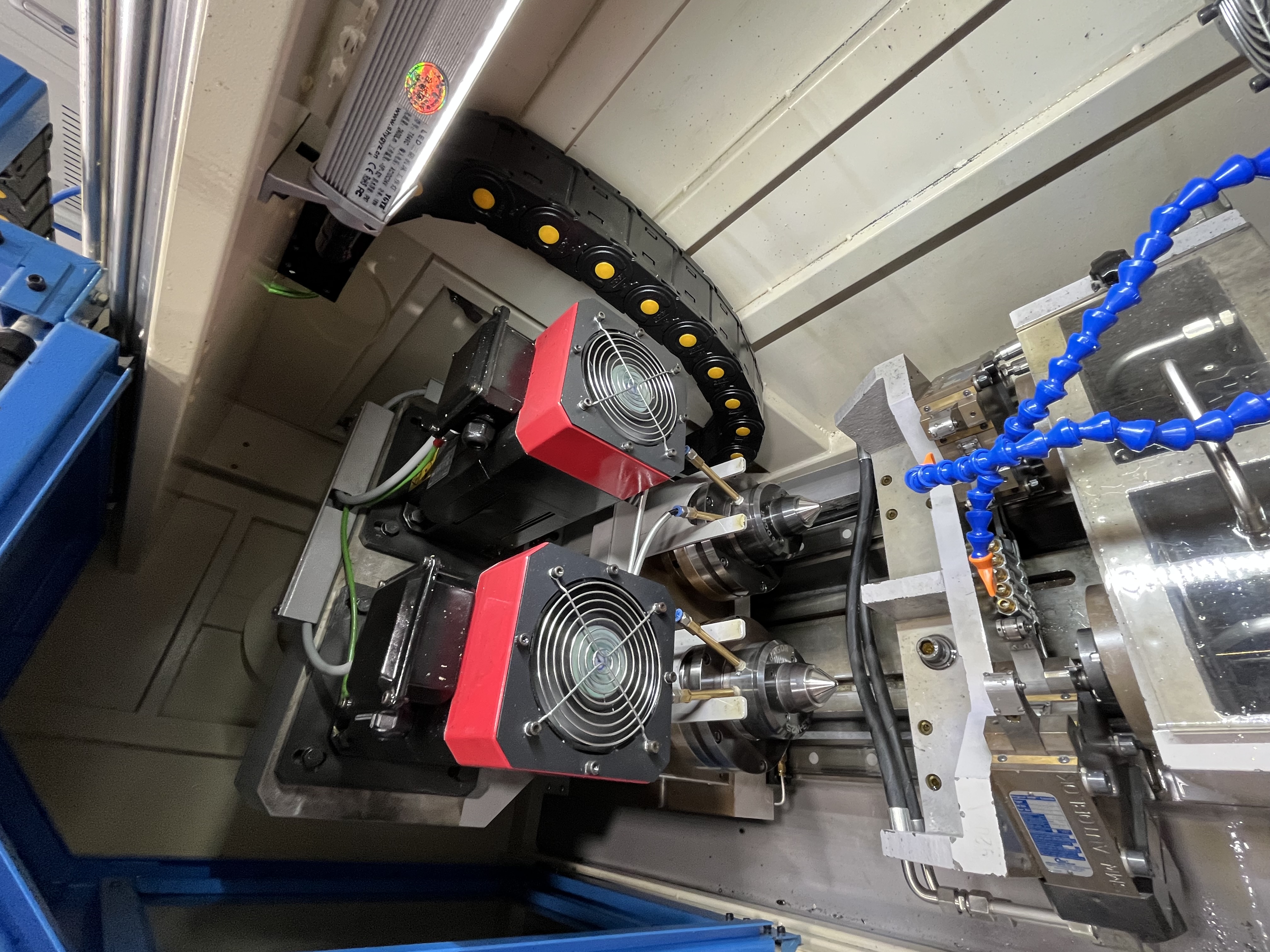
Coolant temperature changes throughout the day affect the bore size more than most operators realize. As the coolant warms up, the machine structure expands and the cutting tool grows from thermal expansion. The result is a bore that gets progressively larger as the machine warms up. I have spent years measuring and managing these thermal effects to maintain consistent bore sizes across multiple shifts. The Thermal Expansion Effect on Bore Size The thermal expansion of the machine structure and the cutting tool both contribute to bore size variation. The machine structure expands as it warms up, increasing the distance between the guide bushing and the workpiece. The cutting tool expands as the coolant heats up, increasing the diameter of the drilled hole. ...

June 16, 2026 · Engineer at the Deep Hole

Coolant Temperature and Machine Thermal Stability

Coolant temperature is one of the most overlooked factors in deep hole drilling accuracy. The coolant flows through the machine and the workpiece, carrying heat away from the cutting zone. But it also carries heat into the machine structure — and that thermal input changes the machine geometry. A machine that started the morning drilling holes on size can drift by 0.03 mm by lunch because the coolant warmed up by five degrees. ...

June 11, 2026 · Engineer at the Deep Hole

Coolant Temperature Control: Why Overheating Causes Problems

Coolant temperature affects drilling performance more than most operators realize. I have seen shops chase tool life problems and hole position issues for months before discovering the root cause was nothing more than coolant running 10 degrees hotter at the end of the shift than at the start. Temperature control is not optional for consistent deep hole drilling. Problem Description Coolant temperature changes throughout the day as the machine runs. A machine that starts at 22 degrees in the morning can be circulating coolant at 38 degrees by the afternoon if the system has no chiller. The temperature rise affects three things directly: coolant viscosity, machine structure alignment, and tool life. ...

June 11, 2026 · Engineer at the Deep Hole