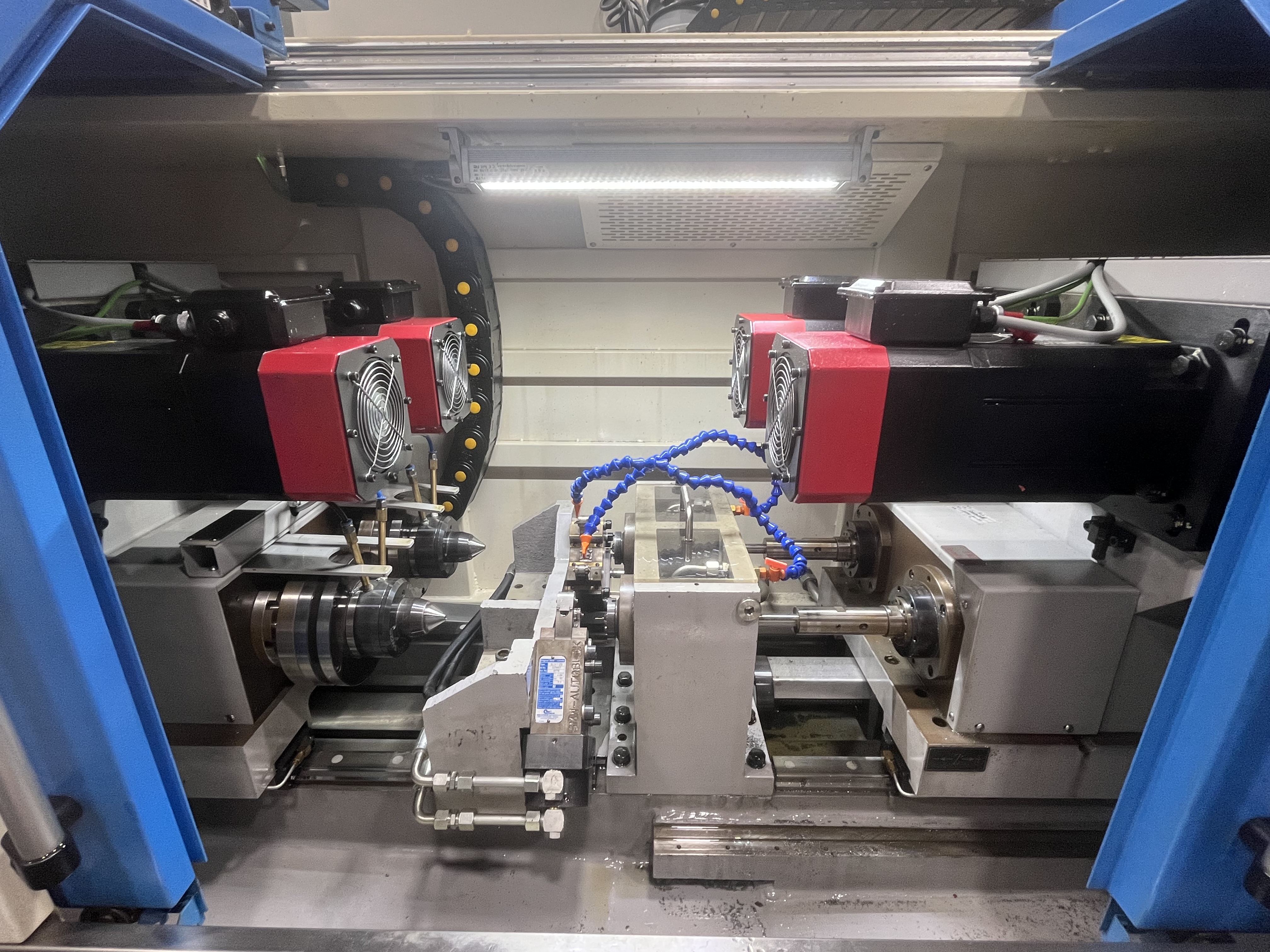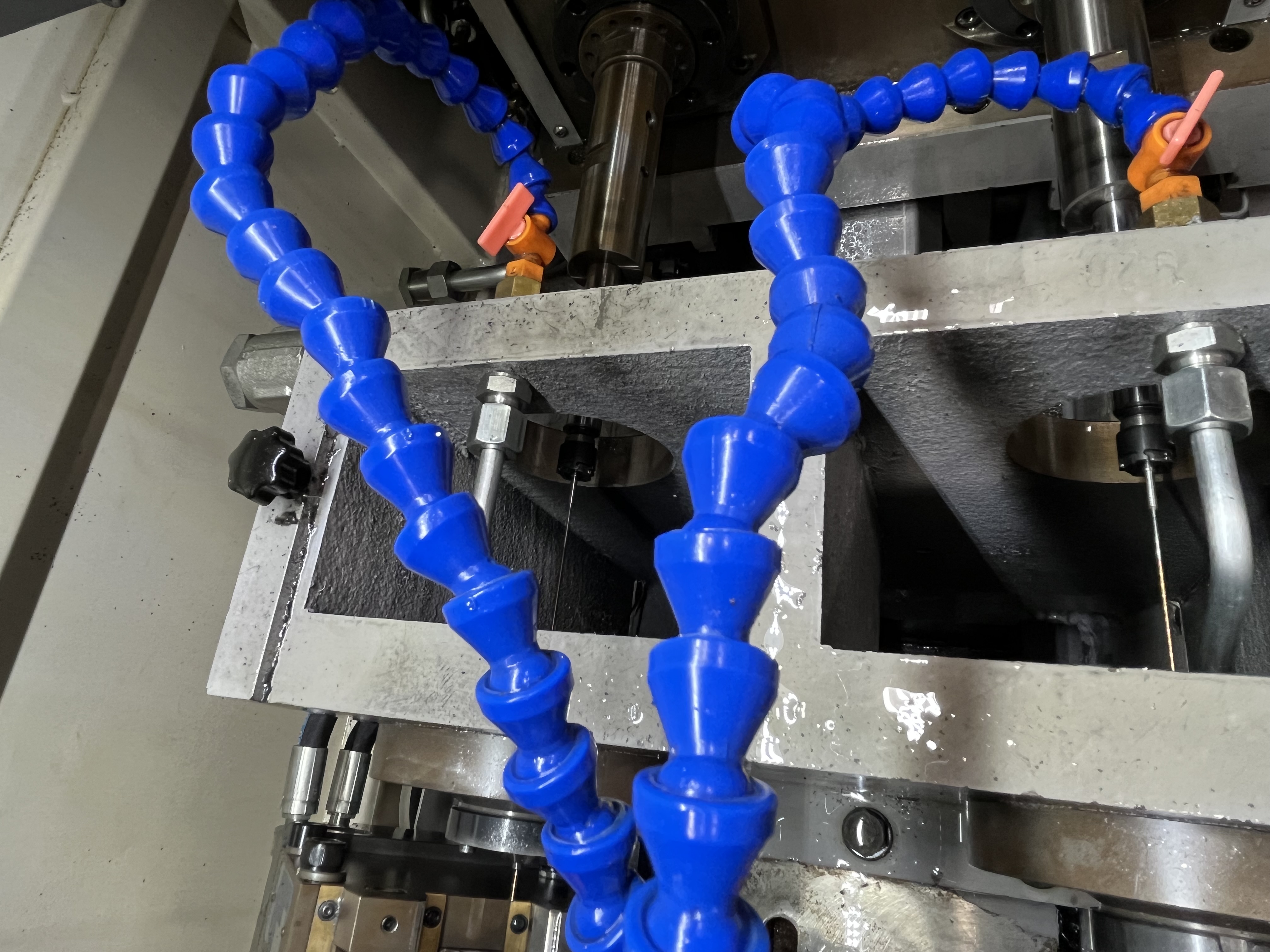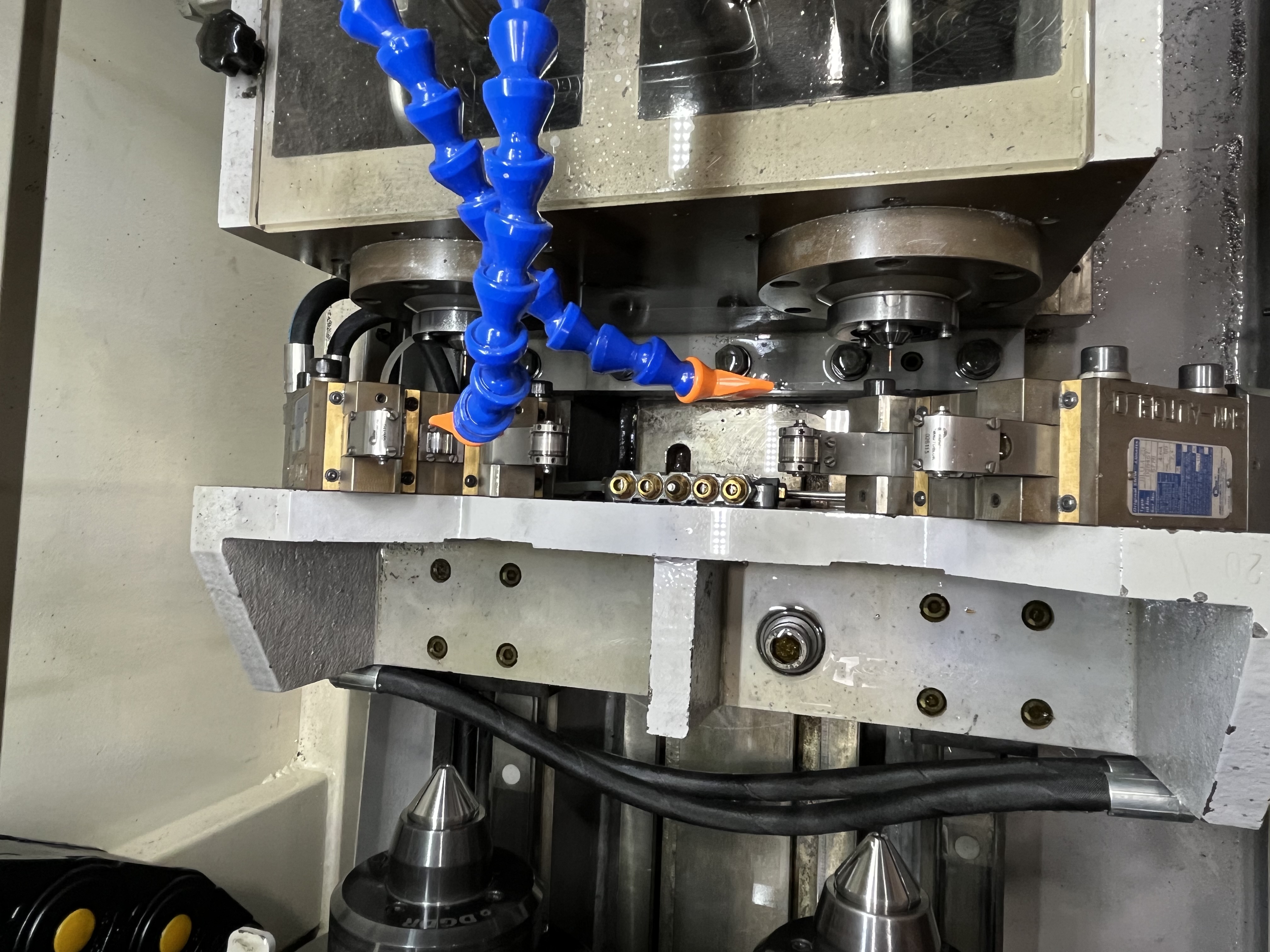
Deep Hole Drilling FAQ: 20 Common Questions About Gun Drilling, BTA, and Process Selection

Over the years I have been asked the same questions repeatedly by new operators, engineers, and shop managers. Here are the answers, with links to detailed articles for each topic. 1. What qualifies as a deep hole? A hole is considered deep when the depth-to-diameter ratio (L/D) exceeds 10:1. Below that, standard twist drills can handle the job. Above 10:1, you need specialized tooling and coolant systems. Full article: Deep Hole Drilling vs Conventional Drilling ...
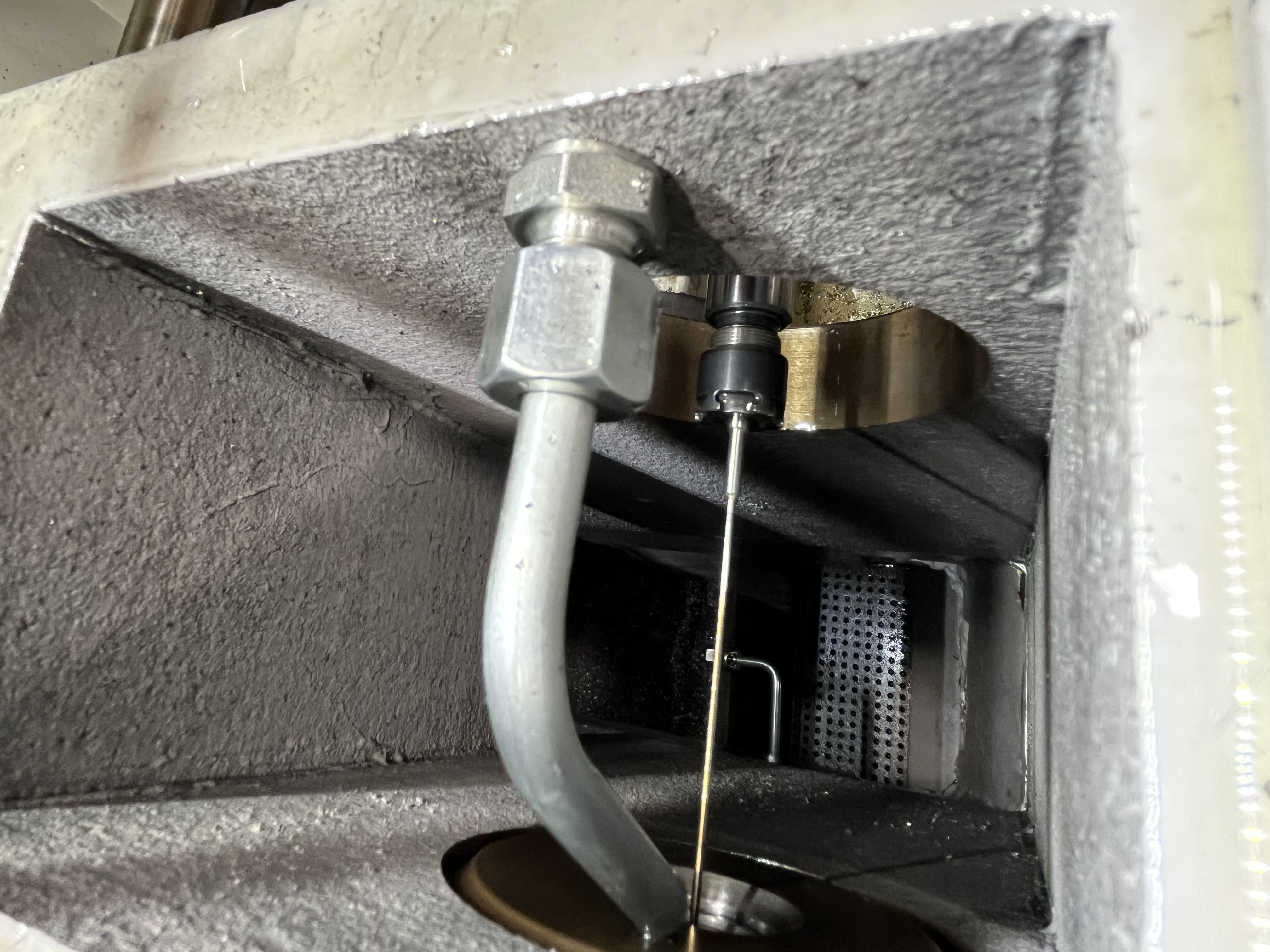
June 21, 2026 · Engineer at the Deep Hole

Deep Hole Drilling Pricing: How to Price Gun Drilling and BTA Work by the Hole

Pricing deep hole drilling work is not the same as pricing standard CNC work. The machine hour rate is higher, the tooling cost is significant, and the risk of scrapping a near-complete part affects the price. Here is how I calculate prices. Machine Hour Rate The machine hour rate is the foundation of any quote. I calculate it by dividing the total monthly cost of the machine by the number of billable hours. ...

June 21, 2026 · Engineer at the Deep Hole

How to Select a Deep Hole Drilling Vendor: RFQ Checklist and Evaluation Criteria

Outsourcing deep hole drilling is different from outsourcing standard machining. The cost of a mistake — wrong tooling, inadequate coolant pressure, insufficient experience — is higher because the part is often 80% complete when the hole is drilled. I have worked with dozens of deep hole drilling vendors over the years. Here is how I evaluate them. What to Include in Your RFQ An incomplete RFQ produces an inaccurate quote. The vendor cannot price the job correctly without knowing all the requirements. ...

June 20, 2026 · Engineer at the Deep Hole

Annual Safety Audit Checklist for Deep Hole Drills

I run an annual safety audit on every deep hole drilling machine in the shop. The audit takes about two hours per machine and catches problems that daily and weekly checks miss. In my experience, the annual audit typically finds 6-10 issues per machine that were not caught by routine checks. About 20% of those are serious enough to require immediate corrective action before the machine can run again. Emergency Stop and Interlock Systems The emergency stop circuit is the most critical safety system on the machine. I test it methodically, not by just pressing the button once. ...

June 16, 2026 · Engineer at the Deep Hole

Axle Drilling for High-Speed Rail Applications

High-speed rail axles are safety-critical components that need a through-hole running the full length. The hole allows an ultrasonic probe to pass through the axle for non-destructive inspection. Without the through-hole, internal defects cannot be detected. In my experience, the drilling quality directly determines whether the axle passes its final ultrasonic inspection. Axle Specifications and Material Grades A high-speed rail axle is typically 2-3 meters long with a 30-60mm bore. The material is high-strength axle steel like EA1N or EA4T. The surface finish requirement is Ra 1.6um as-drilled. The straightness spec is typically 0.5mm per meter. ...

June 16, 2026 · Engineer at the Deep Hole

Ball Screw Maintenance for Deep Hole Drilling Machines

The ball screw drives the feed axis on a deep hole drilling machine. It converts motor rotation into linear movement of the spindle carrier or workpiece. A worn ball screw causes inconsistent feed rate and poor hole quality. I have replaced enough ball screws to know that preventive maintenance is far cheaper than dealing with a failure during production. Ball Screw Inspection and Condition Assessment I check ball screw condition by measuring the backlash annually. Backlash is the play between the ball nut and the screw, and it indicates wear in the recirculating ball tracks. The measurement procedure is straightforward but requires careful technique to get consistent readings. ...

June 16, 2026 · Engineer at the Deep Hole

Ballbar Testing for Deep Hole Drilling Machine Geometry

A ballbar test checks the machine geometric accuracy by measuring circular interpolation errors. The test uses a precision ballbar mounted between the spindle and the machine table. The machine runs a circular program and the ballbar measures the deviation from a perfect circle down to micron resolution. In my experience, the ballbar is the single most useful diagnostic tool for verifying machine geometry before running deep hole jobs that demand straightness tolerances under 0.01 mm per 100 mm of depth. ...

June 16, 2026 · Engineer at the Deep Hole

Barrel and Screw Component Drilling for Extruders

Extruder barrels are heavy-walled tubes that contain the rotating screw. The barrel needs a precision bore for the screw to rotate with minimal clearance. Some barrels also have drilled heating or cooling channels along the length. I have worked on extruder barrels for everything from pelletizing lines to blown-film systems, and the tolerance demands are consistently tighter than what you see in general hydraulic cylinder work. The barrel is typically 1-5 meters long with a 50-200mm bore. The material is usually nitrided steel (like 38CrMoAl or 31CrMoV9) or bimetallic for wear resistance. The bore tolerance is typically +0.05mm and the surface finish is Ra 0.4um or better — and I have seen specs as tight as Ra 0.2um for high-wear applications like glass-filled nylon extrusion. ...

June 16, 2026 · Engineer at the Deep Hole

Choosing the Right Way Oil for Deep Hole Drilling Machines

Way oil lubricates the machine guide ways and prevents stick-slip motion during slow feed movements. Deep hole drilling machines operate at low feed rates — 0.01-0.10 mm/rev — which makes stick-slip a potential problem. I have dealt with stick-slip on three different machine models and the fix always came back to the right oil selection. Viscosity Selection by Way Type The oil viscosity depends on the way type. Box ways need higher viscosity oil than linear guides. For box ways, I use ISO 150-220 way oil. For linear guides, I use ISO 68-100 way oil. ...

June 16, 2026 · Engineer at the Deep Hole

CNC Lathe vs Dedicated Gun Drill: Cost Comparison

Shops often ask me whether they should use a CNC lathe for gun drilling or buy a dedicated machine. The answer depends on the volume, the hole requirements, and the depth-to-diameter ratio. I’ve used both approaches on hundreds of jobs, and each has its place. When a CNC Lathe Works A CNC lathe with live tooling and through-coolant capability can handle shallow gun drilling work up to about 10:1 L/D ratio. The main limitations are coolant pressure — typically 300-500 psi — and the lack of a guide bushing support for the drill entry. ...

June 16, 2026 · Engineer at the Deep Hole