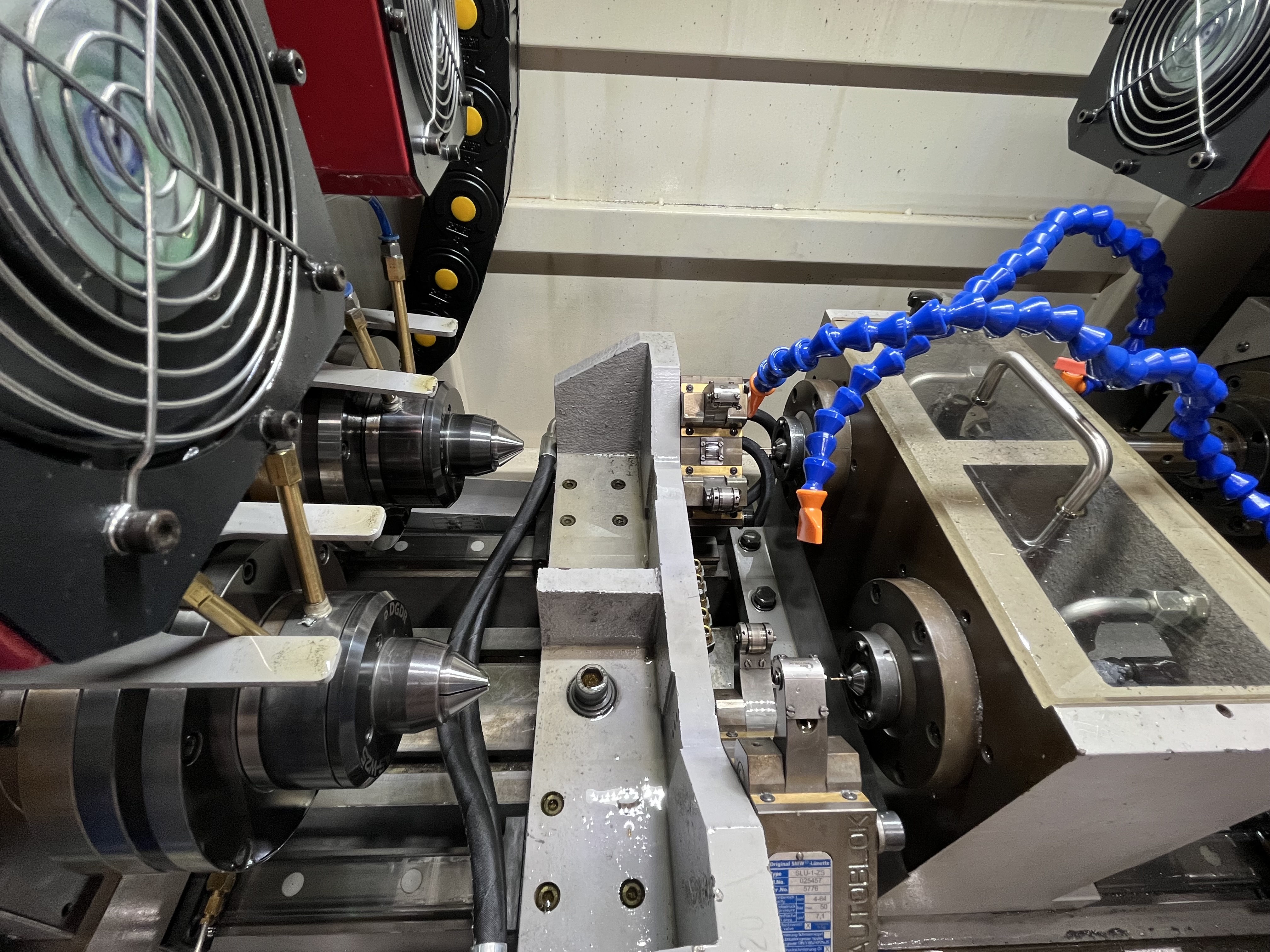
BTA Drill Head Selection Guide: Types, Sizes, and Applications

I select BTA drill heads based on the material and tolerance requirements. After running BTA drills on thousands of parts across carbon steel, stainless, and superalloys, I have settled on a selection system that covers 90% of what comes through the shop. BTA drill heads come in four main types, each with specific diameter ranges and applications. Pick the wrong head and you will fight chip evacuation, poor surface finish, and short tool life. Pick the right one and the hole drills itself. ...
June 11, 2026 · Engineer at the Deep Hole

BTA Tooling Design: Heads, Drivers, and Support Pads

BTA tooling has more components than gun drilling tooling. The cutting head, drill tubes, guide pads, and driver system all need to work together for successful drilling. Here is what I have learned about each component after years of BTA drilling on production jobs. BTA Cutting Head Types BTA cutting heads come in several configurations. The right head type depends on the diameter range and material. Head Type Diameter Range Cutting Edges Best For Standard single-tube 18 - 200 mm 2 - 4 General purpose steel and cast iron Multi-edge roughing 50 - 300 mm 4 - 6 High-feed roughing in mild materials Indexable insert head 20 - 150 mm 2 - 4 Quick insert changes, production runs Brazed carbide head 12 - 40 mm 2 Small diameters, hard materials Stepped head 30 - 150 mm 2-step design Reducing thrust on low-power machines I run standard single-tube heads for most jobs in the 20-100 mm range. The indexable insert version is my go-to for production runs because I can change inserts at the machine without pulling the tool from the spindle. On one aerospace job in 15-5 PH stainless, the indexable head saved 15 minutes per insert change compared to a brazed head. ...

June 11, 2026 · Engineer at the Deep Hole