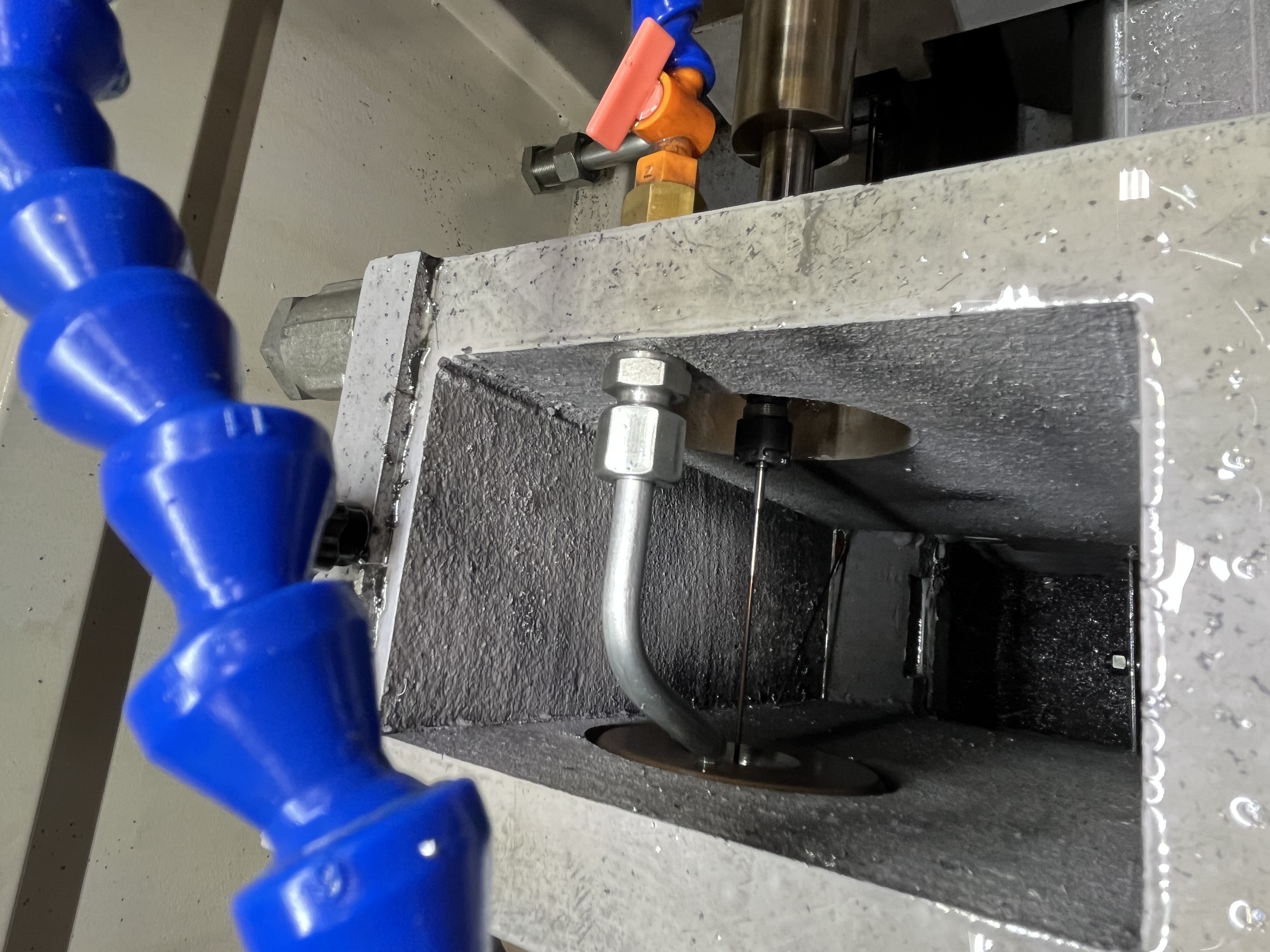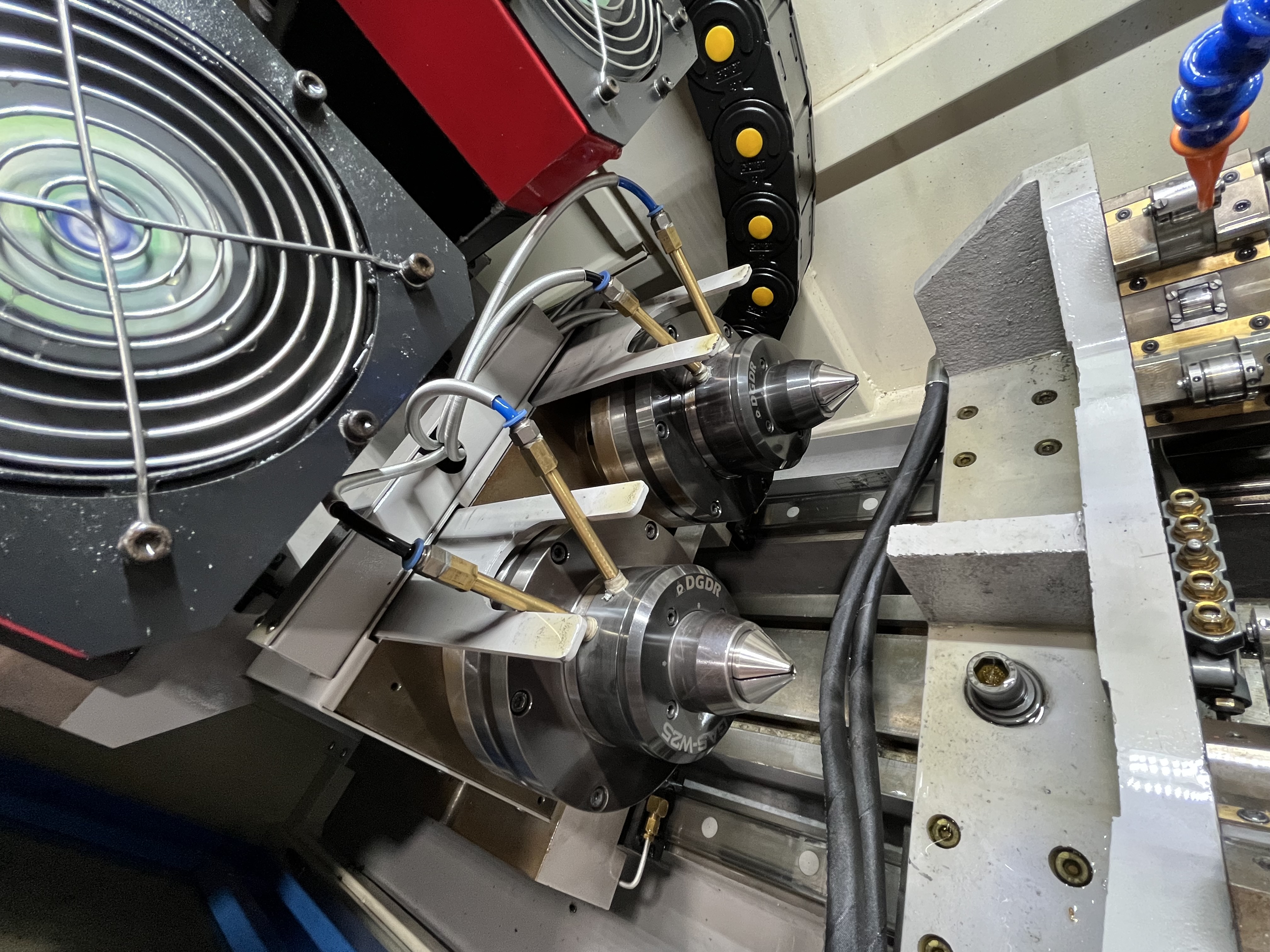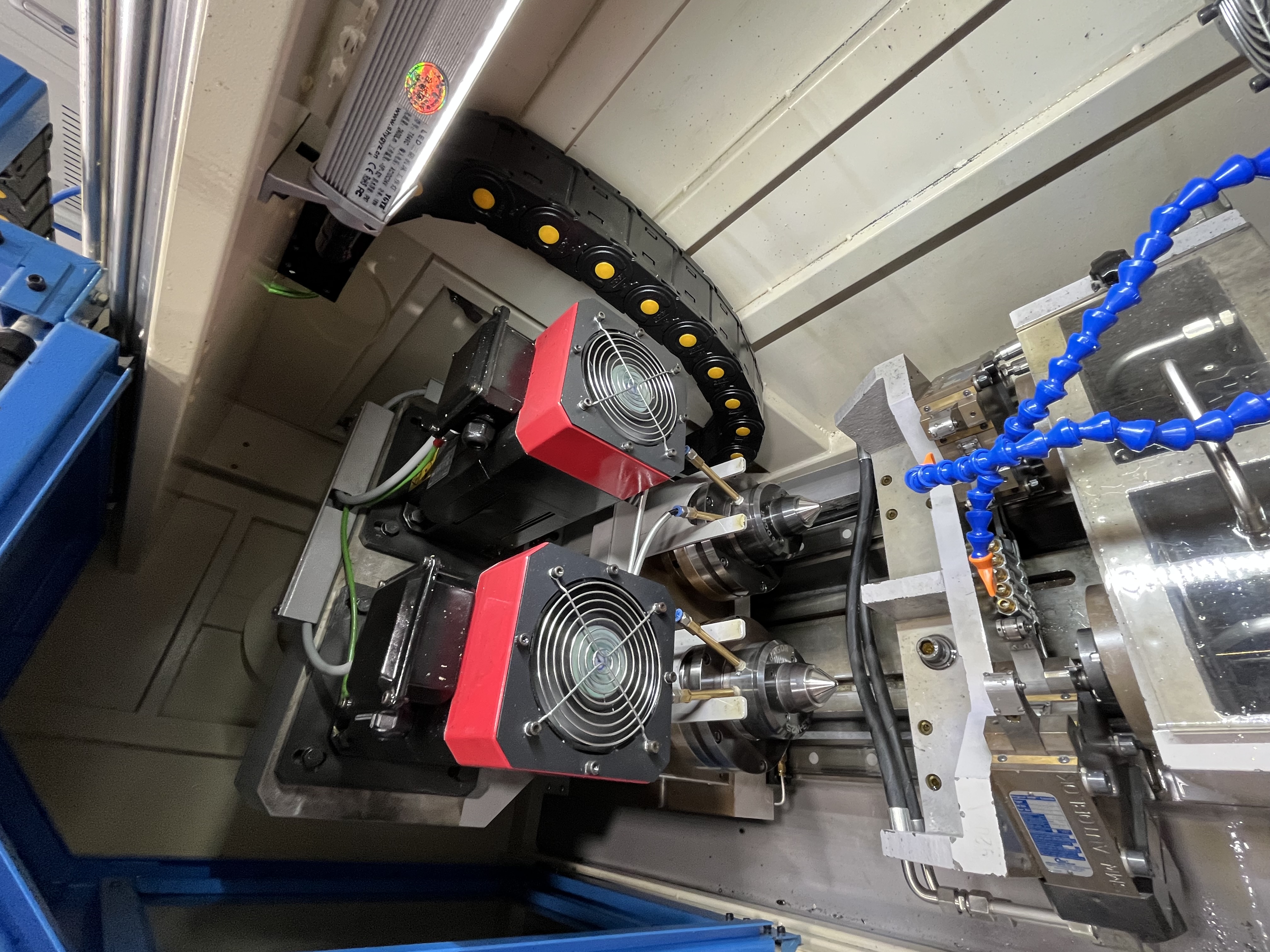
The Day I Trusted My Gut Over the Feed Rate and Scrapped a Job

I was running a job in 304 stainless steel, which is not my favorite material to begin with. It work- hardens, it galls, and it has a habit of making you think everything is fine right up until the moment it is not. The part was a flanged fitting, about 300mm long, needing a 16mm through-hole with an Ra 0.4 finish. The feed rate on the setup sheet said 0.08 mm/rev, which seemed aggressive to me for stainless. ...
June 16, 2026 · Engineer at the Deep Hole

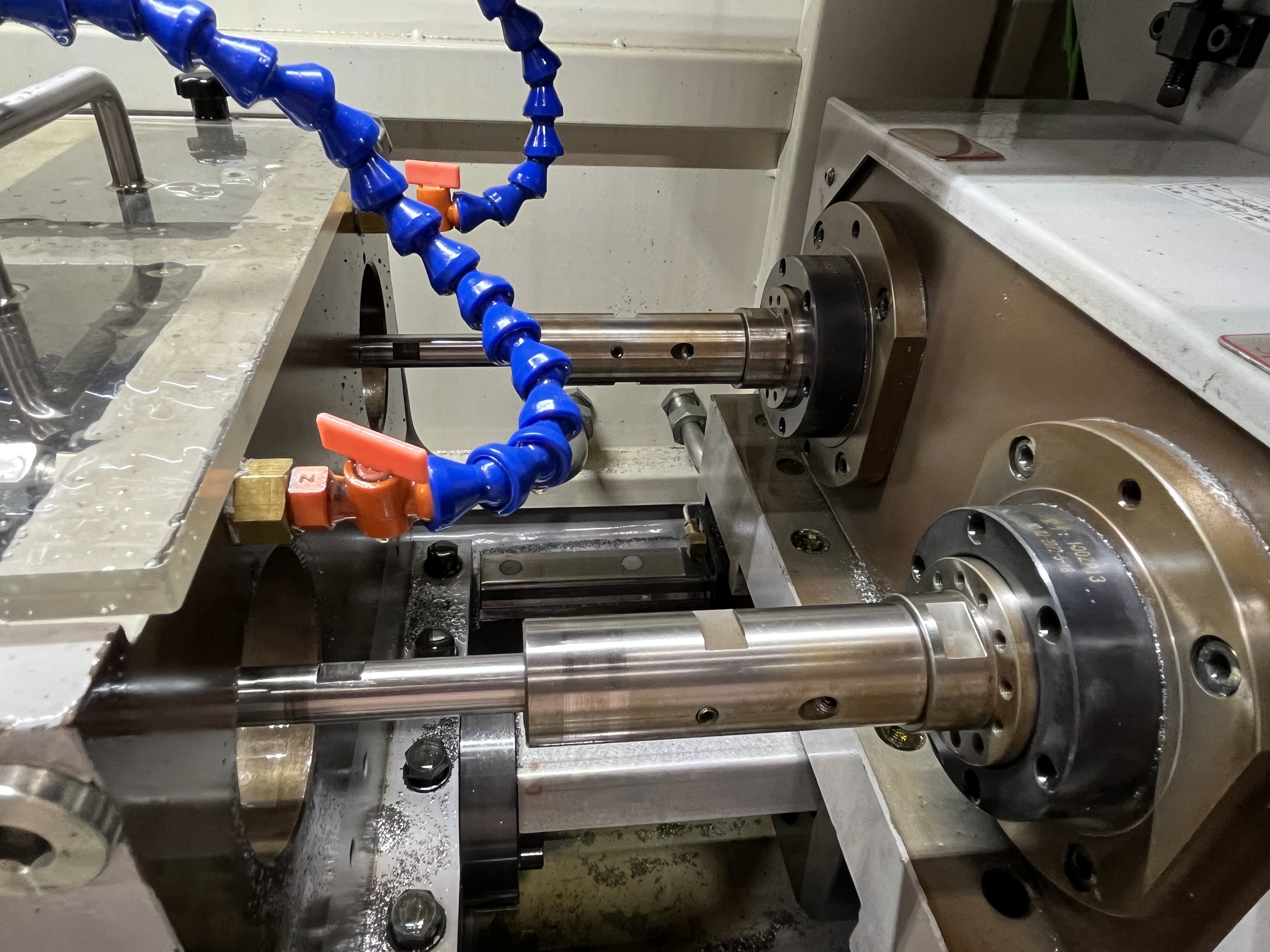
Reducing Cycle Time in Deep Hole Drilling: Practical Tips

Cycle time reduction in deep hole drilling is a balancing act between speed and reliability. I have reduced cycle times by 30-40% on some jobs without degrading hole quality, but pushing too hard causes tool breakage and scrap. The key is knowing which parameters to change and in what order. Problem Description Deep hole drilling is inherently slow compared to conventional drilling. The depth-to-diameter ratio limits the feed rate, the peck cycle adds retract time, and the need for chip evacuation constrains the speed. The challenge is reducing the time per hole without causing chip blockages, tool breakage, or surface finish defects. ...

June 12, 2026 · Engineer at the Deep Hole

Feed Rate and Chip Breaking: Finding the Sweet Spot

Why Feed Rate Controls Chip Shape In deep hole drilling, chip breaking is not optional. Long stringy chips pack in the bore, block coolant flow, and cause tool breakage. The feed rate is the primary lever I use to control chip formation. The cutting action of a gun drill produces chips that curl as they travel along the flute. At the right feed rate, the chips curl tight enough to break under their own weight. At the wrong feed, they either form long ribbons or break into dust. ...

June 11, 2026 · Engineer at the Deep Hole

The Day I Learned to Trust the Feed Rate Over My Gut

The Fine Dust That Fooled Me I was drilling a deep hole in 304 stainless steel. The bore diameter was 12mm and the depth was 400mm, giving an L/D ratio of about 33:1. The feed rate was set to 0.03 mm/rev. The chips were coming out of the flute as fine metallic dust. I thought this was a good sign. In my mind, fine chips meant the cut was clean and the material was being removed efficiently. I had read somewhere that small chips are easier to evacuate through the drill flute, so I believed I had selected the right parameters. ...

June 11, 2026 · Engineer at the Deep Hole

Peck Drilling vs Continuous Feed for Deep Holes: When to Interrupt the Cut

I spent the first several years of my career running continuous feed on every deep hole job that came across my machines. It felt efficient — keep the tool moving, keep the chips flowing, keep the cycle time low. I never questioned it until a nasty string of drill breakages on a 316 stainless job forced me to dig into what was really happening at the bottom of the hole. What I found changed how I think about peck drilling entirely. ...

Engineer at the Deep Hole