Deep Hole Drilling Machine Alignment: Checking Spindle, Bushing, and Workpiece Concentricity

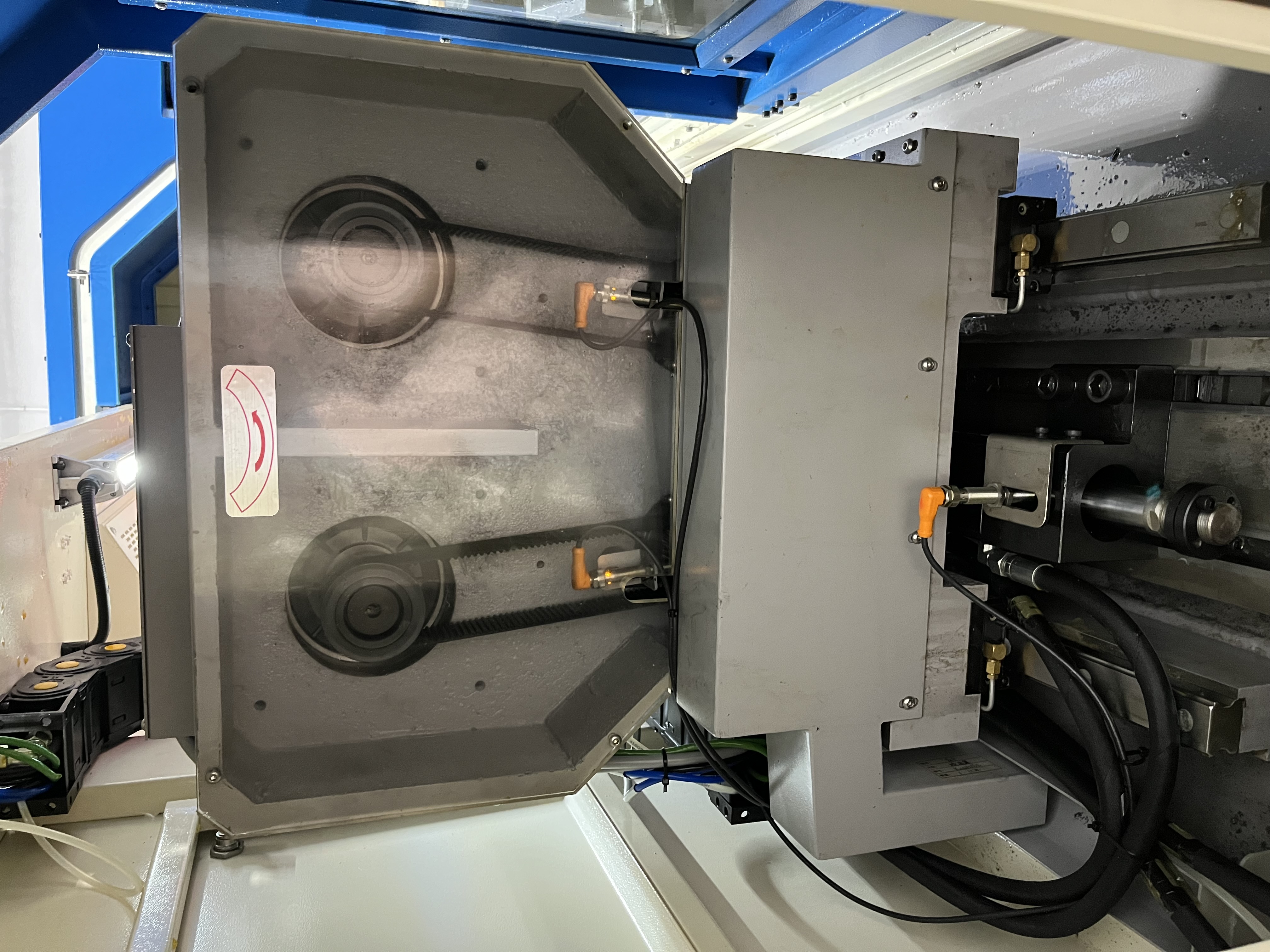
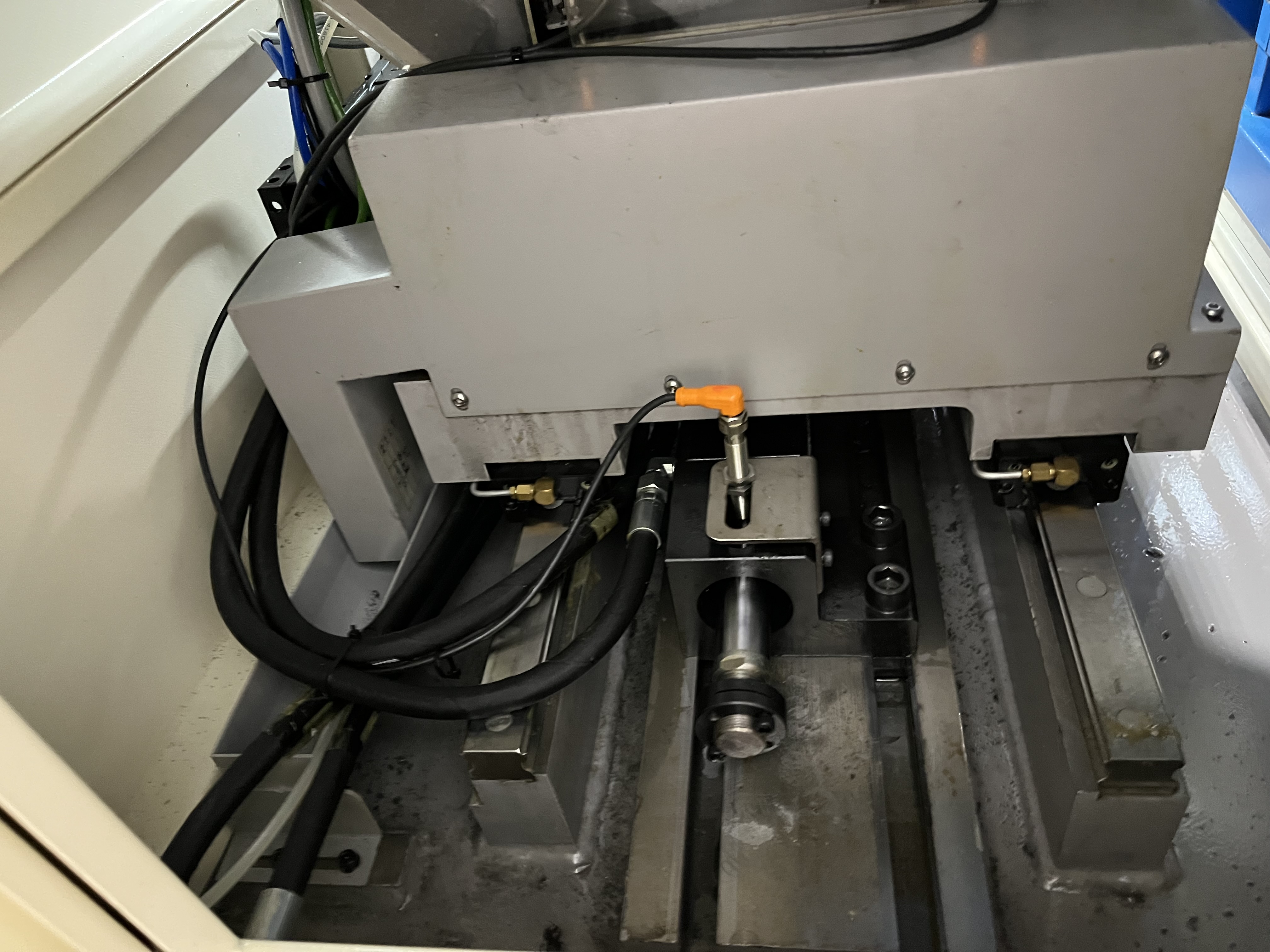
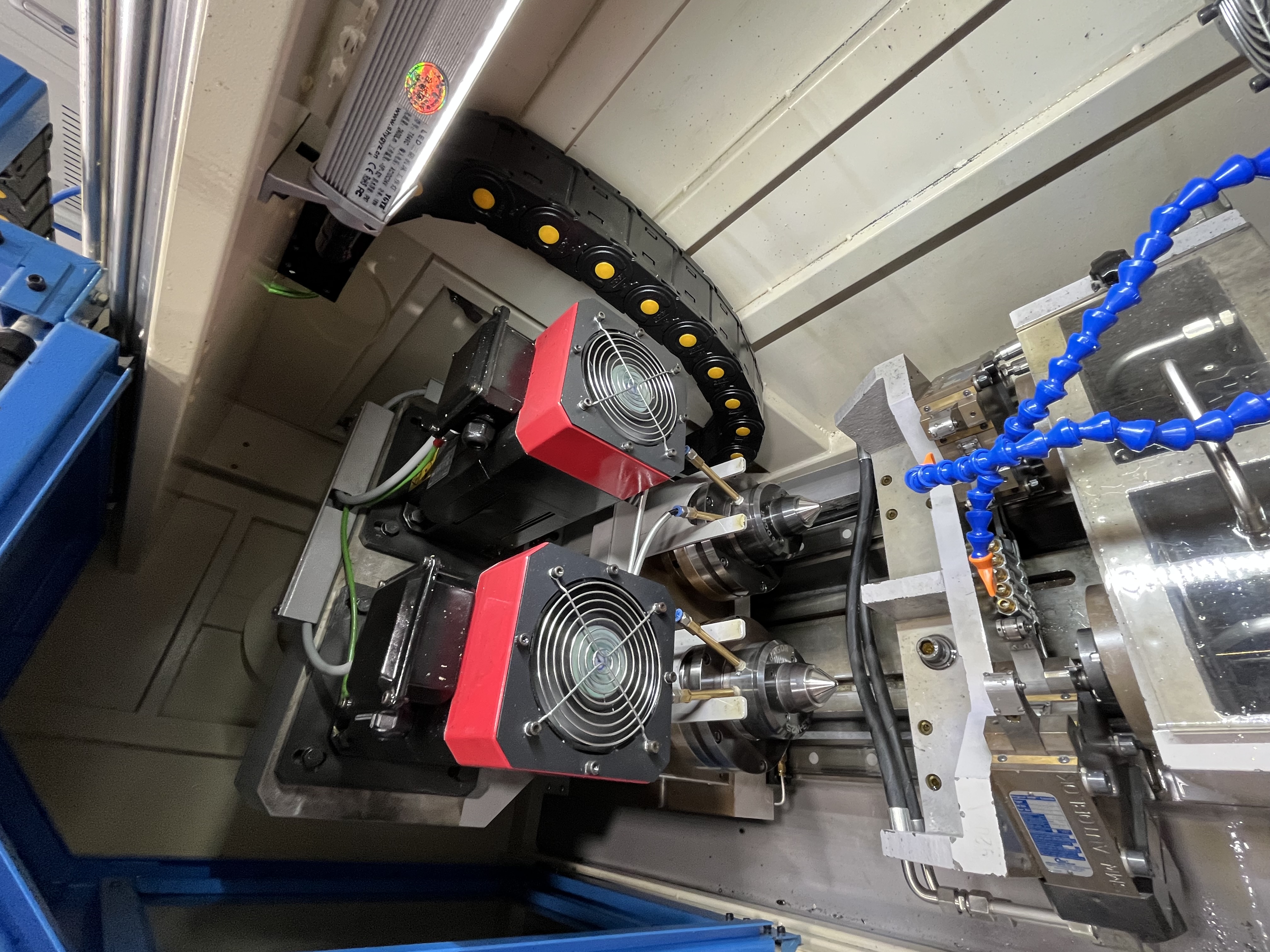
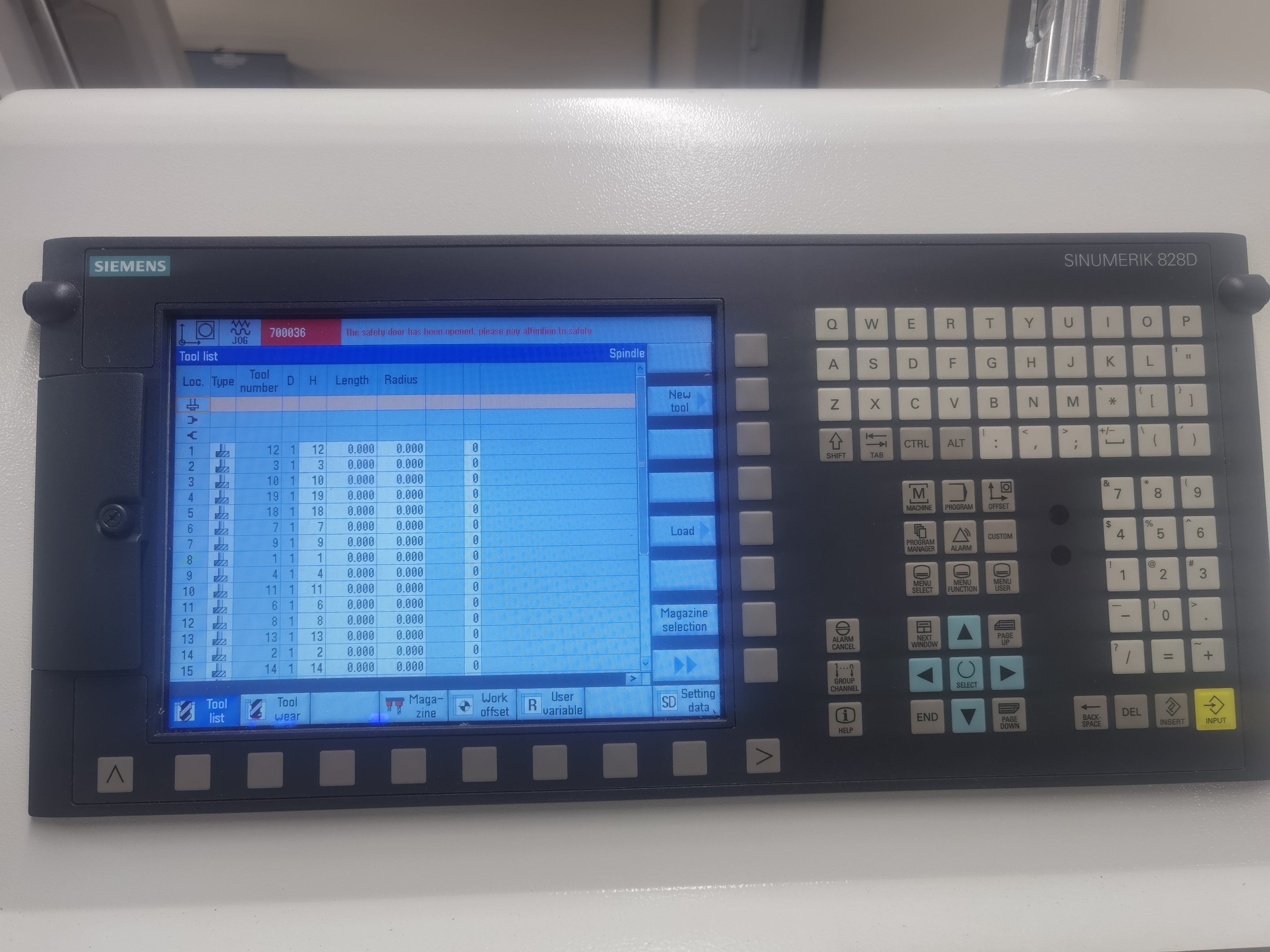
I have seen shops spend weeks chasing straightness problems when the root cause was a spindle that was 0.03mm out of alignment with the bushing. Checking alignment takes thirty minutes with a test bar and a dial indicator. Here is the procedure I use. What I Check and In What Order I check alignment in a specific sequence because each step depends on the one before it: Spindle condition (runout at the taper) Spindle axis parallel to the way axis Bushing holder concentricity with spindle Bushing ID concentricity with spindle Workpiece axis alignment with spindle If I skip a step, I waste time chasing a problem that does not exist. ...
June 16, 2026 · Engineer at the Deep Hole

Drill Walking and Hole Deviation: A Systematic Troubleshooting Guide

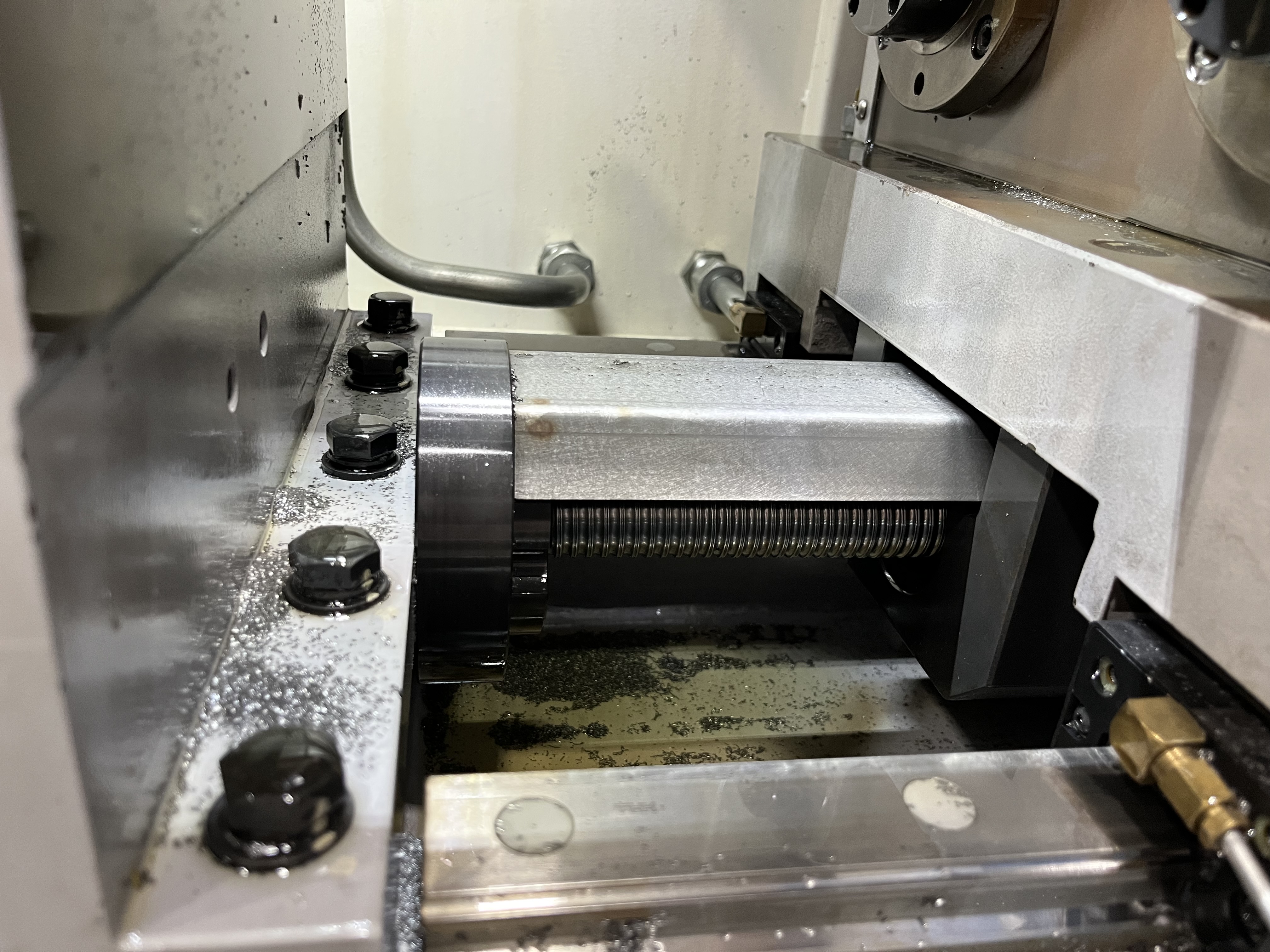
When a deep hole comes out crooked, the natural instinct is to blame the machine alignment. I have learned the hard way that misalignment is often not the problem. Before I pull out the alignment laser, I check three things first. Nine times out of ten, the cause is one of them. How I Diagnose Drill Walking I start by asking two questions about the hole: Is the deviation consistent from the first part to the last? If every hole drifts the same direction by the same amount, the root cause is likely fixed — alignment, bushing wear, or entry geometry. If the deviation changes from part to part, the cause is likely variable — material hardness variation, coolant fluctuation, or chip packing. ...

June 16, 2026 · Engineer at the Deep Hole

External Coolant Delivery for Deep Hole Drilling

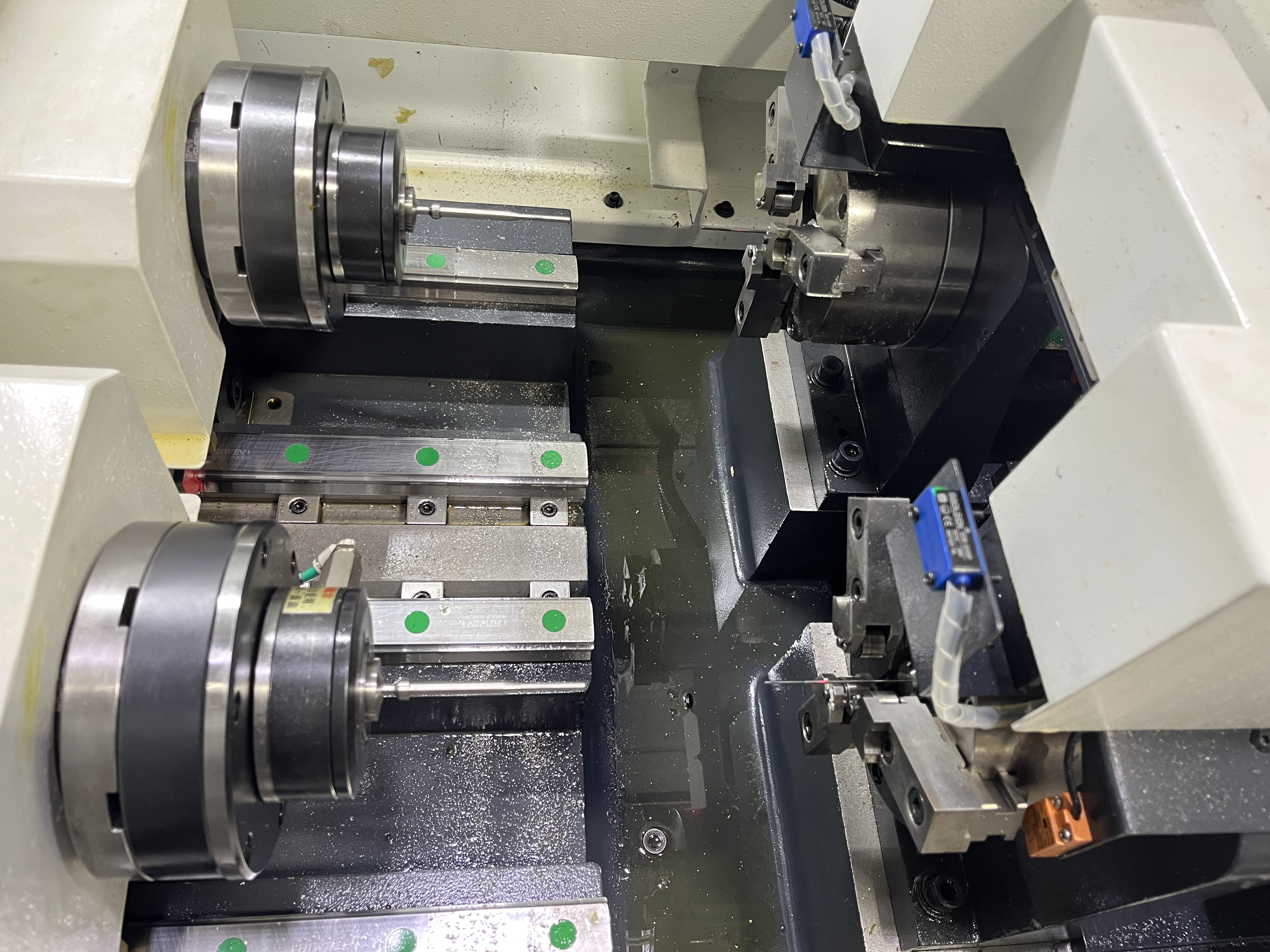
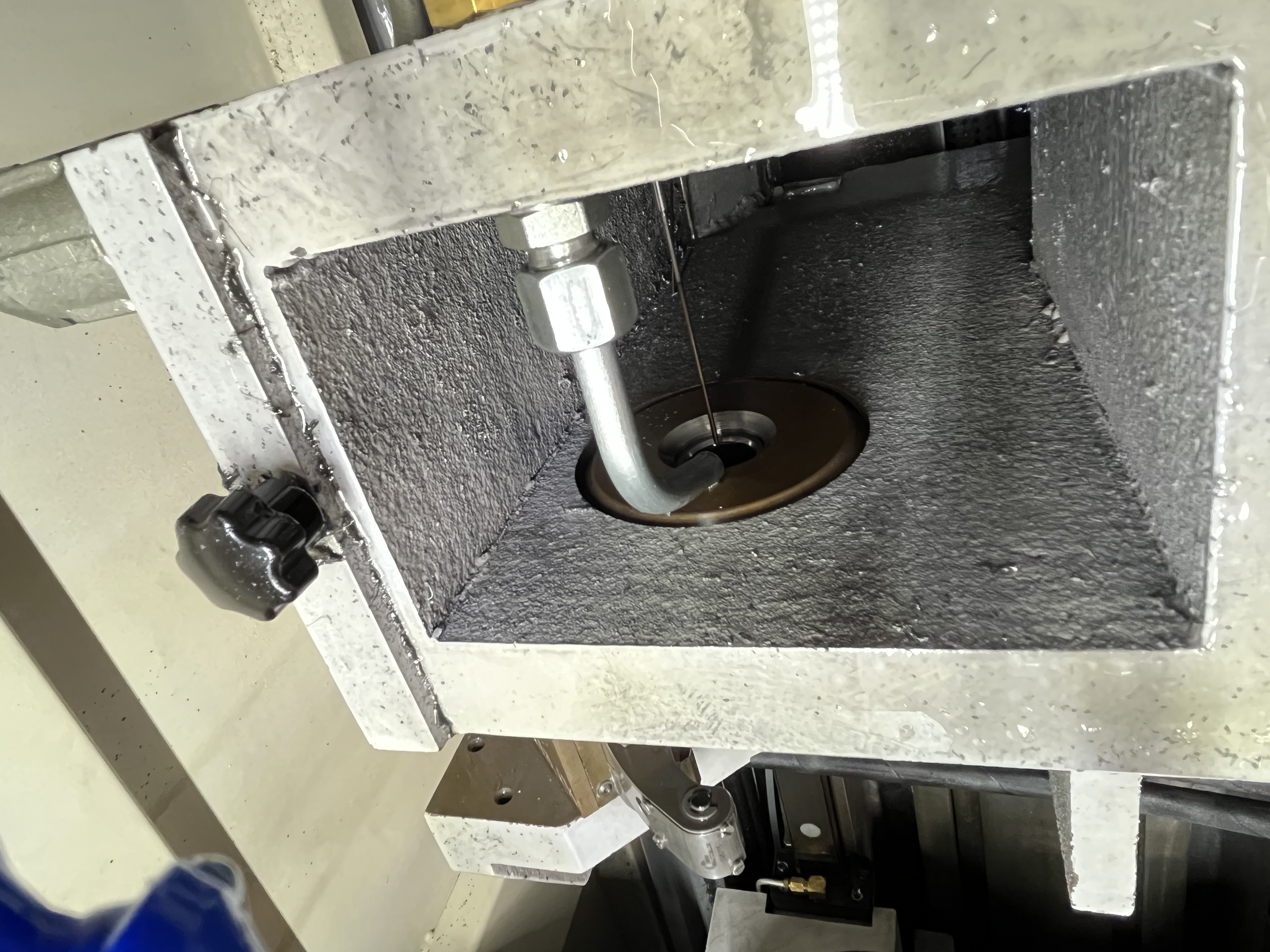
External coolant delivery directs coolant at the drill entry point from outside the bore. It cannot replace through-tool coolant for deep holes, but it plays an important supporting role. I use external coolant on every deep hole drilling job to complement the through-tool system. The Supporting Role of External Coolant External coolant serves three specific functions in deep hole drilling: Lubricates the guide bushing. The bushing rubs against the rotating drill shank and needs constant lubrication to prevent galling. Flushes chips away from the entry area. Chips exiting the flute can accumulate around the bushing and scratch the finished bore surface. Provides initial cooling at drill entry. The first few millimeters of drilling generate heat that external coolant can manage before the through-tool coolant takes over. I use external coolant in combination with through-tool coolant on every gun drilling job. The external coolant stream is aimed at the guide bushing and the drill entry point. The through-tool coolant travels down the drill to the cutting edge. ...

June 16, 2026 · Engineer at the Deep Hole

Guide Bushing Types and Selection Guide

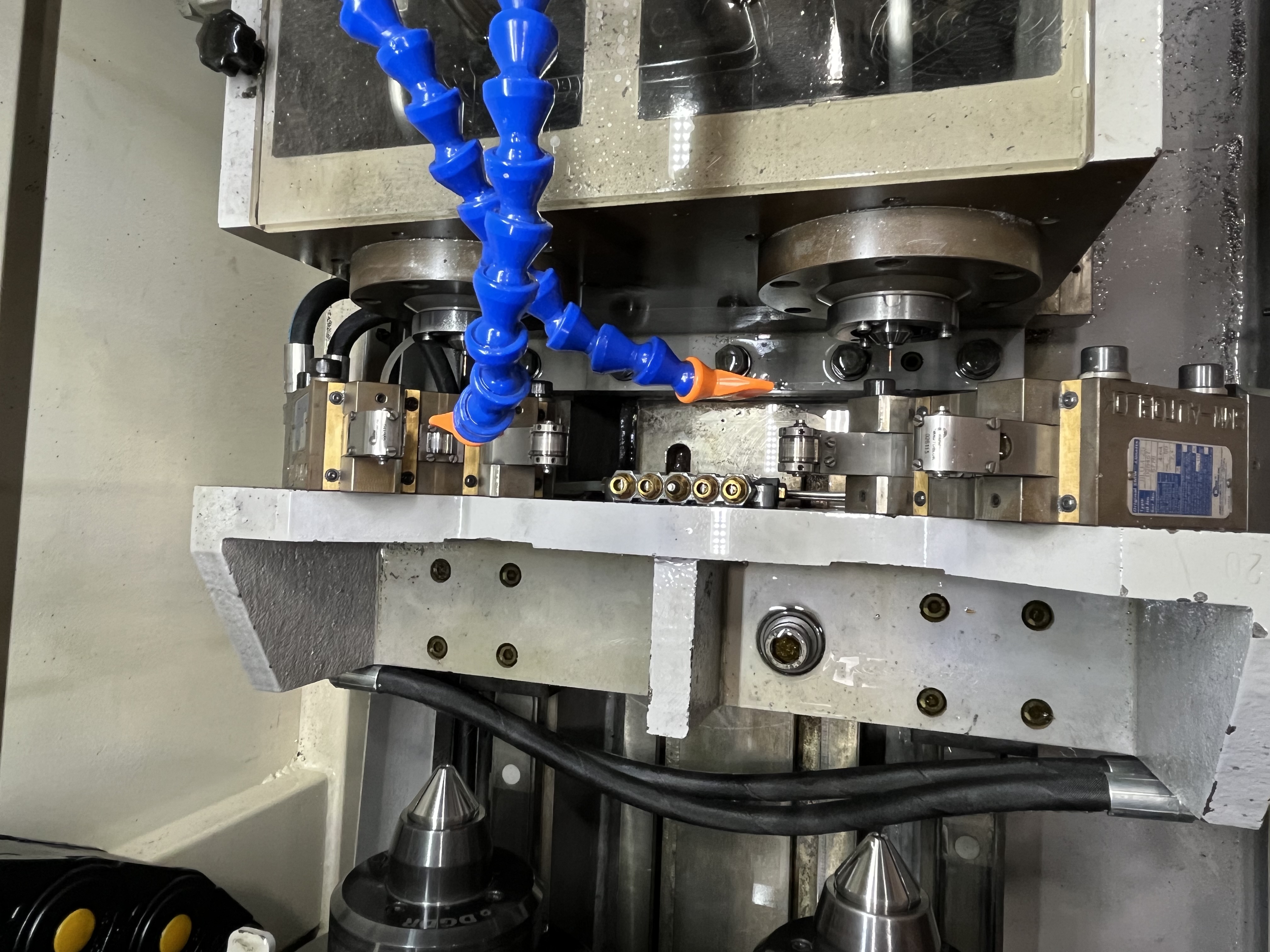
The guide bushing supports the gun drill at the entry point of the workpiece. It prevents the drill from whipping or deflecting during the first few millimeters of engagement, which are the most critical for hole straightness. I have spent years selecting and maintaining guide bushings for different applications, and the right bushing choice is one of the most important tooling decisions in deep hole drilling. Guide Bushing Material Selection The most common bushing material is hardened tool steel, typically A2 or D2 tool steel hardened to 58 to 62 HRC. It provides good wear resistance at moderate cost. For high production or abrasive materials, I use carbide bushings. For soft materials where marking is a concern, I use bronze bushings. ...

June 16, 2026 · Engineer at the Deep Hole

How Measuring Every Guide Bushing Saved a 10,000-Part Production Run

I’ve got a rule that I force on every production run I touch: measure everything before you start, and then measure it again halfway through. Guide bushings, whip guides, drill holders — if it touches the tool or the part, it gets measured. This rule came from a specific job that taught me just how expensive a few tenths of wear can be, and how easy it is to miss a slow decline until it’s too late. ...

June 16, 2026 · Engineer at the Deep Hole

The Day a New Guy Forgot the Guide Bushing

The new guy’s name was Marcus. He’d been with us for about two weeks. He came from a general machining background — vertical mills, manual lathes, that kind of work — but this was his first exposure to deep hole drilling. He was sharp, asked good questions, and seemed to have a solid grasp of the fundamentals of machining. I was optimistic about him. What I didn’t know at the time was that Marcus had never even seen a guide bushing before. In the general machining world, you don’t use them. A drill chuck holds the drill, the drill goes into the material, and that’s the whole story. The concept of a separate precision guide that supports the drill at the entry point — that’s unique to deep hole drilling and a few other specialized processes. It never occurred to me that he wouldn’t know about bushings because they were so fundamental to everything I did. ...

June 16, 2026 · Engineer at the Deep Hole

Chip Clogging in Gun Drilling: Three Root Causes I See Most Often

Why Chip Clogging Is the #1 Problem After dealing with chip clogging on maybe fifty different jobs across gun drilling and BTA, three root causes keep showing up. Chip clogging accounts for roughly 60% of all troubleshooting calls I handle. When chips pack in the flute or bore, coolant flow stops, torque spikes, and the tool breaks within seconds. The mechanism is simple: the drill generates chips faster than the coolant stream pushes them out of the bore. The chips accumulate, jam against the drill body, and block the chip flute entirely. Once the flute is blocked, coolant cannot reach the cutting edge and the drill fails almost instantly. ...

June 11, 2026 · Engineer at the Deep Hole

Consumables Management: Guide Bushings, Seals, and Filters

Consumables are the parts that wear out with regular use. Guide bushings, seals, and filters need to be replaced on a schedule. I’ve learned to manage them proactively rather than reactively. A proactive consumables management program costs less than emergency repairs and prevents production downtime. Guide Bushing Management Guide bushings wear with use. The wear rate depends on the material being drilled and the number of holes. I have tracked bushing life across multiple materials and compiled the expected life data below. ...

June 11, 2026 · Engineer at the Deep Hole

Guide Bushings: The Most Overlooked Component in Gun Drilling

The guide bushing is one of those parts that nobody thinks about until the holes start coming out wrong. It’s a simple component — a precision-ground tube that supports the gun drill at the entry point. But when it’s worn or incorrectly sized, it causes more problems than any other single component I’ve dealt with. What a Guide Bushing Does The guide bushing supports the gun drill right where it enters the workpiece. The drill passes through the bushing before contacting the material. The bushing prevents the drill from whipping or wandering during the first few millimeters of engagement. ...

June 11, 2026 · Engineer at the Deep Hole

The Night Shift Call That Changed How I Set Up Jobs

I’d set up a job on the day shift — a 16 mm gun drilling job in 4140 steel. The setup was running perfectly. I went home feeling good about the day’s work. At midnight, my phone rang. It was the night shift operator. The machine was making a strange noise and the surface finish was poor. Could I come in and look at it? The Setup I Thought Was Perfect Let me describe what I had done that morning. The job was a batch of hydraulic spools, each requiring a 16 mm through-hole in 4140 pre-hardened steel at about 32 HRC. The bore depth was 480 mm, giving a depth-to-diameter ratio of 30:1. I had selected a new carbide-tipped gun drill, checked the guide bushing clearance with a feeler gauge, set the coolant pressure to 75 bar, and dialed in the feed at 0.06 mm/rev with a spindle speed of 4000 RPM. ...

June 11, 2026 · Engineer at the Deep Hole