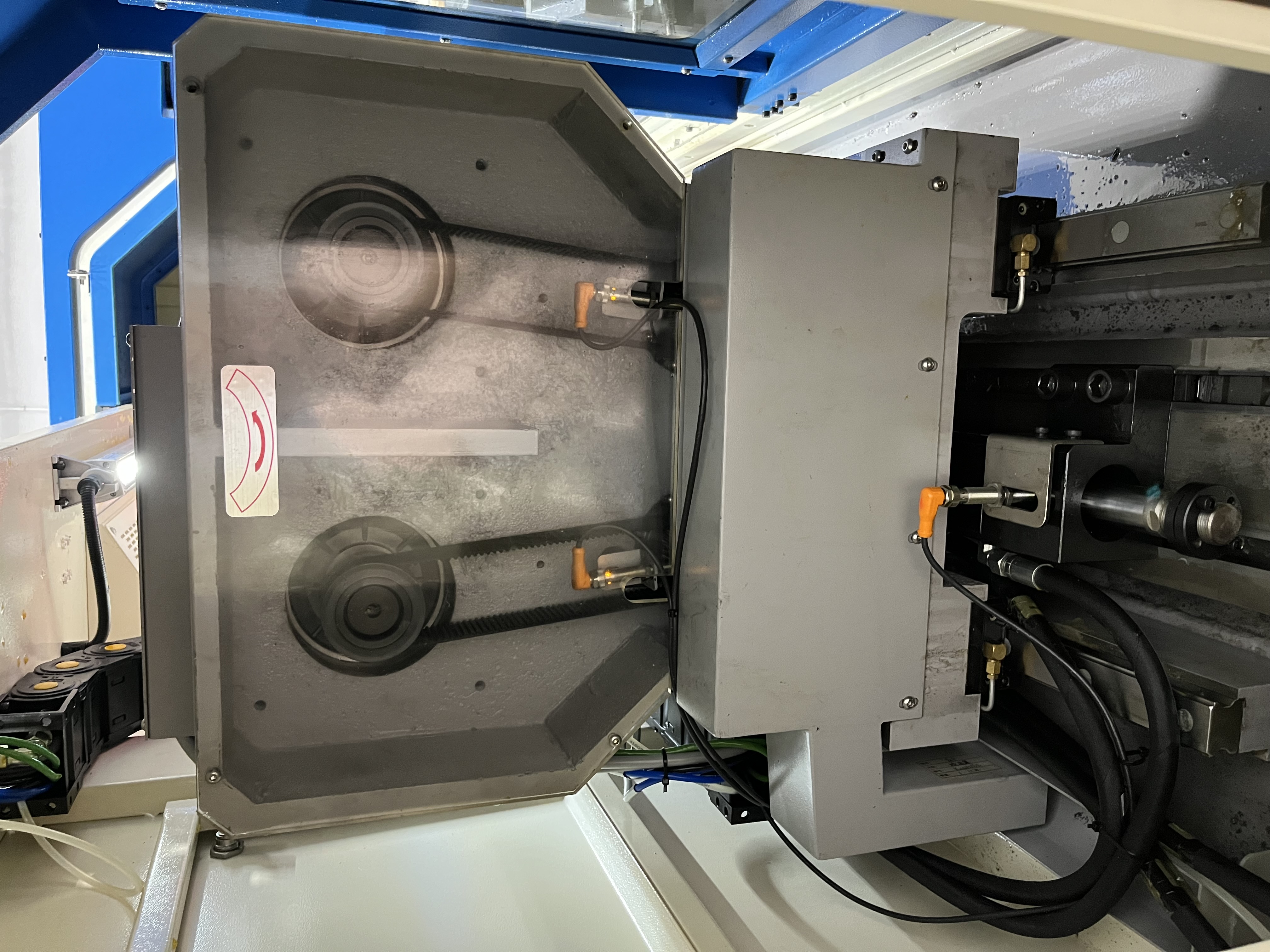
Deep Hole Drilling for Heat Treated Components

Heat treated components are everywhere in deep hole drilling – transmission shafts, hydraulic cylinder rods, landing gear struts, and tooling components all go through the heat treater before or after the bore is machined. The question of whether to drill before or after heat treatment comes up on almost every job. The answer depends on the tolerance requirement, the material hardness, and the part geometry. I have done it both ways and learned the hard way what works. ...
June 16, 2026 · Engineer at the Deep Hole

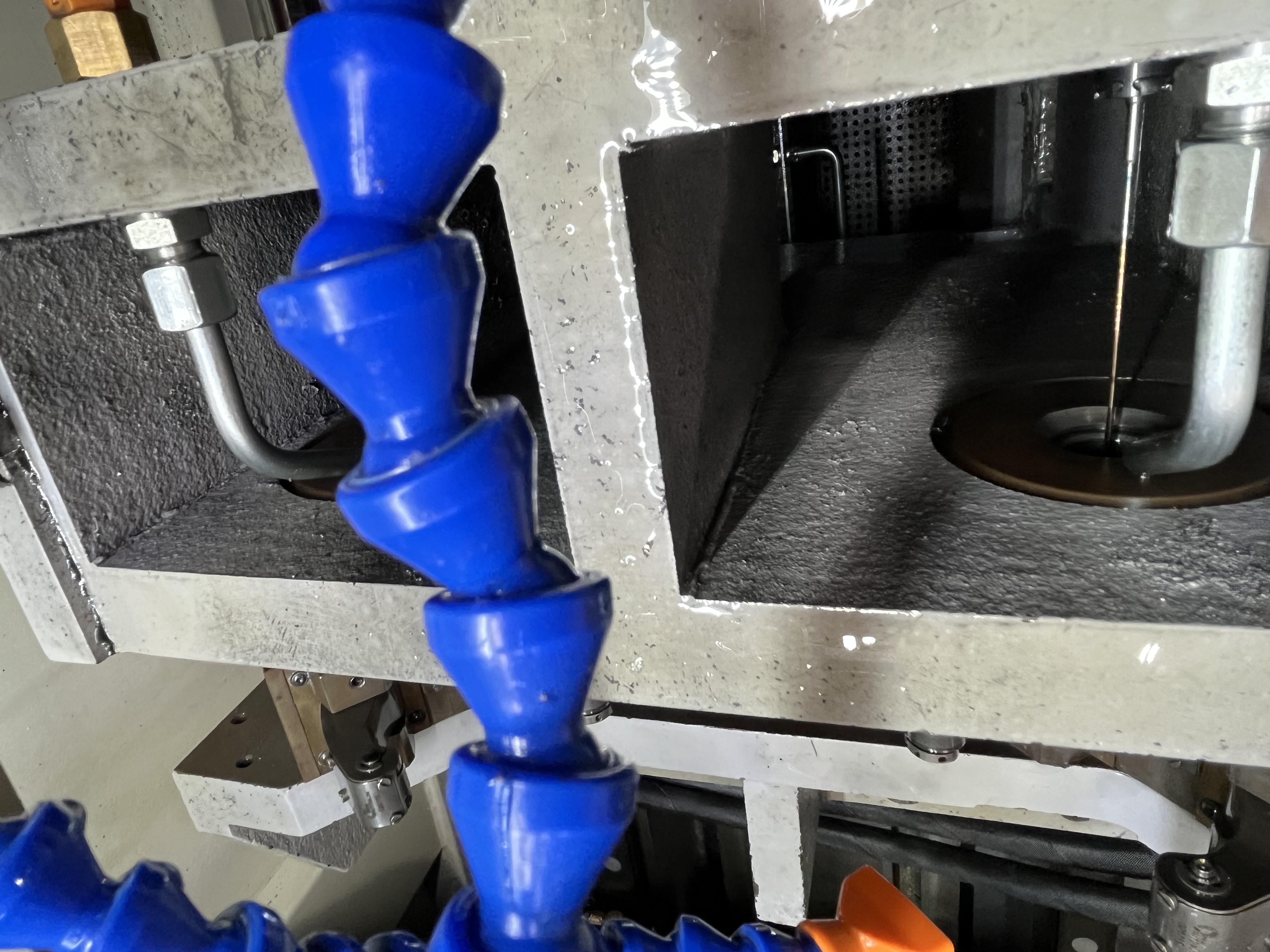
Deep Hole Drilling Hardened Steels (HRC 40+): Parameters and Tooling That Work

Deep Hole Drilling Hardened Steels (HRC 40+): Parameters and Tooling That Work Hardened steels are a different animal. I learned this the hard way — watching a brand-new carbide gun drill snap on the third hole because I treated the material like it was standard 4140. After a lot of scrap parts, broken tools, and late-night spindle-side debugging, I landed on a set of parameters and tooling choices that turn hardened steel deep-hole drilling from a gamble into a repeatable process. Here is what actually works on the floor. ...

Engineer at the Deep Hole

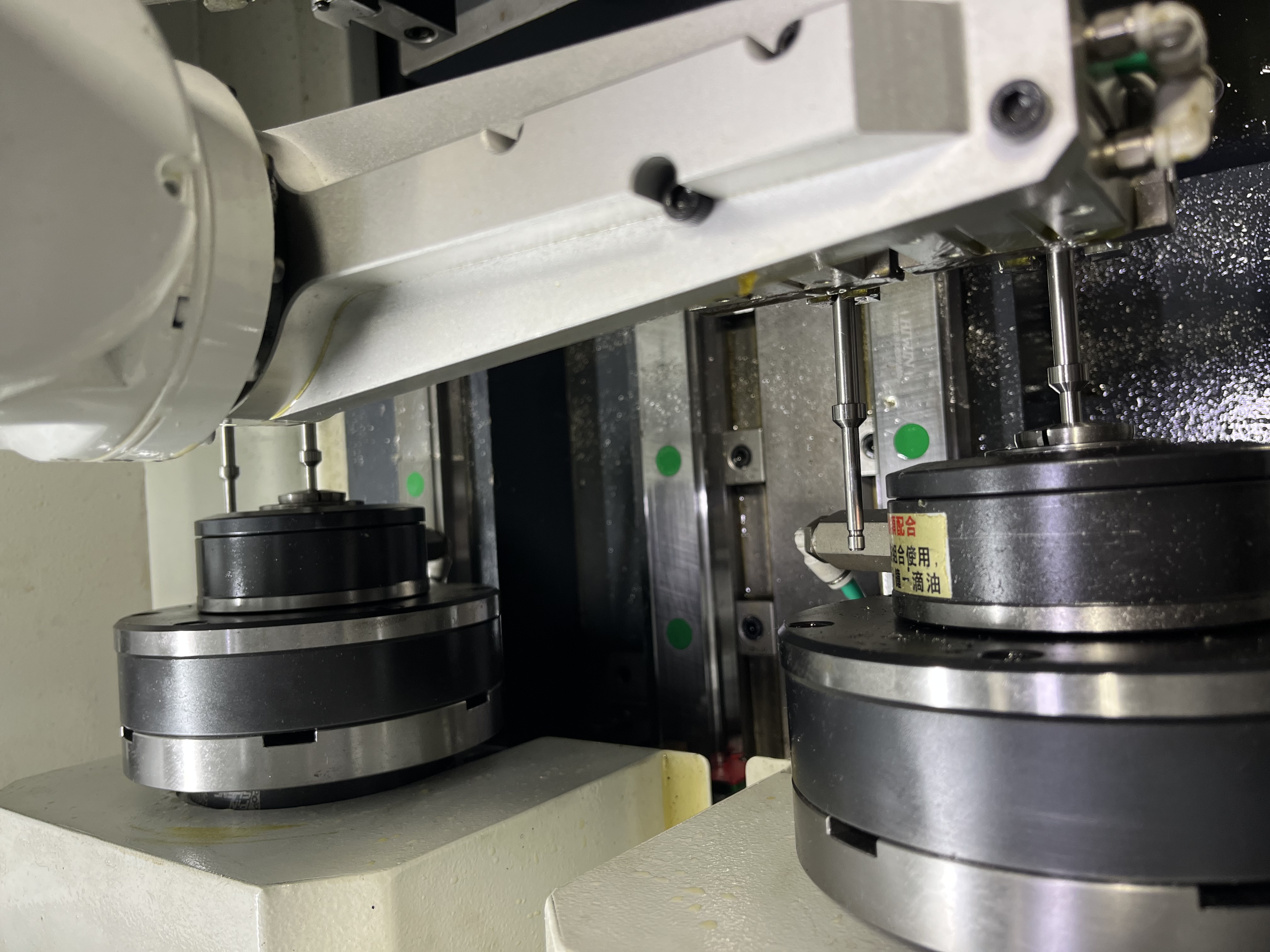
Deep Hole Drilling Tool Steels: D2, A2, S7, O1, and What I've Learned

When I first started deep hole drilling tool steels, I assumed they would behave like the hardened alloy steels I was used to. I was wrong. Tool steels are their own category of misery — high carbide content, through-hardened to the core, and absolutely unforgiving of parameter mistakes. After years of gun-drilling D2, A2, S7, and O1 for mold and die work, here is what I have learned the hard way so you do not have to. ...

Engineer at the Deep Hole