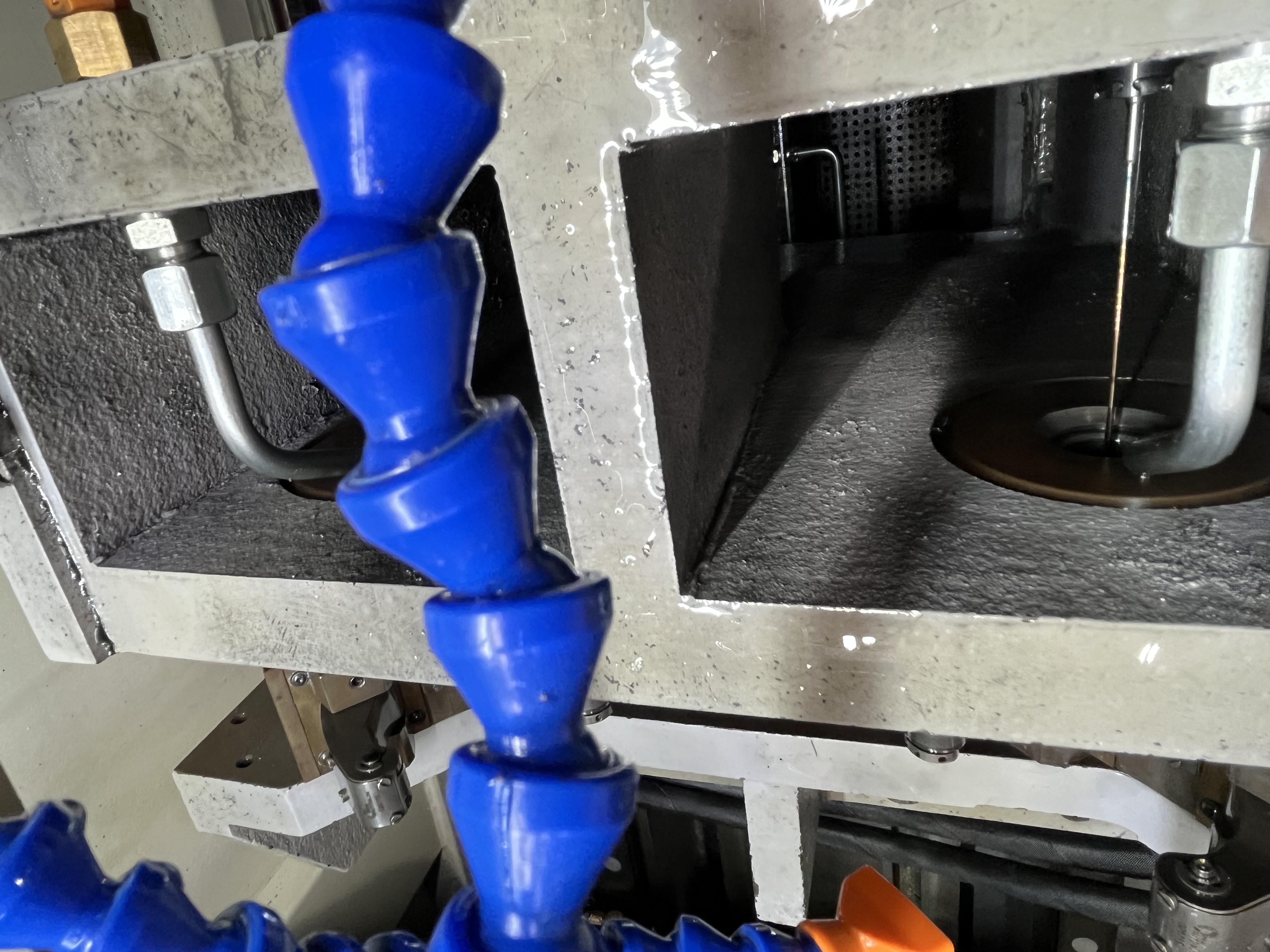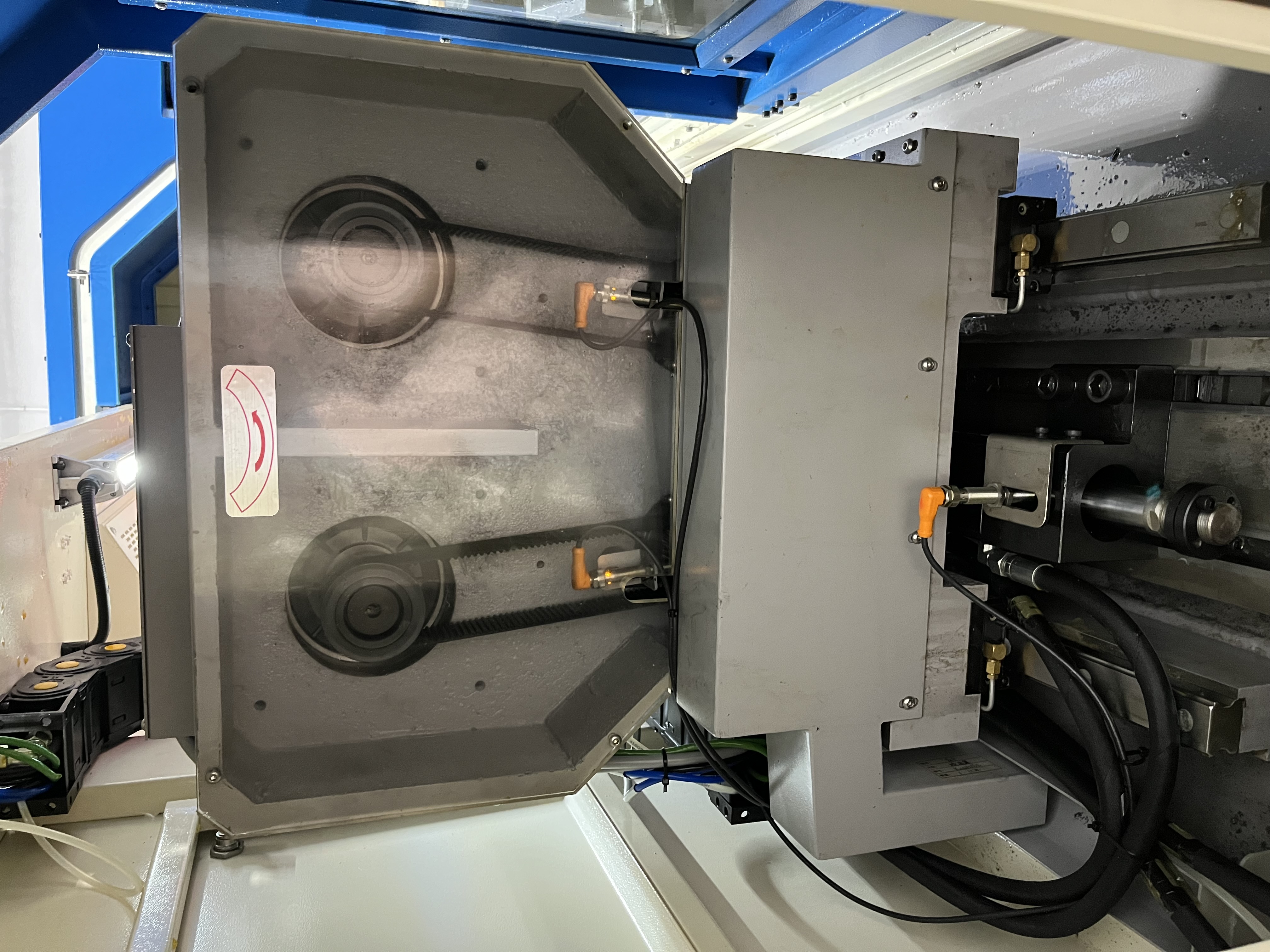
Deep Hole Drilling for Heat Treated Components

Heat treated components are everywhere in deep hole drilling – transmission shafts, hydraulic cylinder rods, landing gear struts, and tooling components all go through the heat treater before or after the bore is machined. The question of whether to drill before or after heat treatment comes up on almost every job. The answer depends on the tolerance requirement, the material hardness, and the part geometry. I have done it both ways and learned the hard way what works. ...
June 16, 2026 · Engineer at the Deep Hole

Stress Relieving Before Drilling: When It Matters

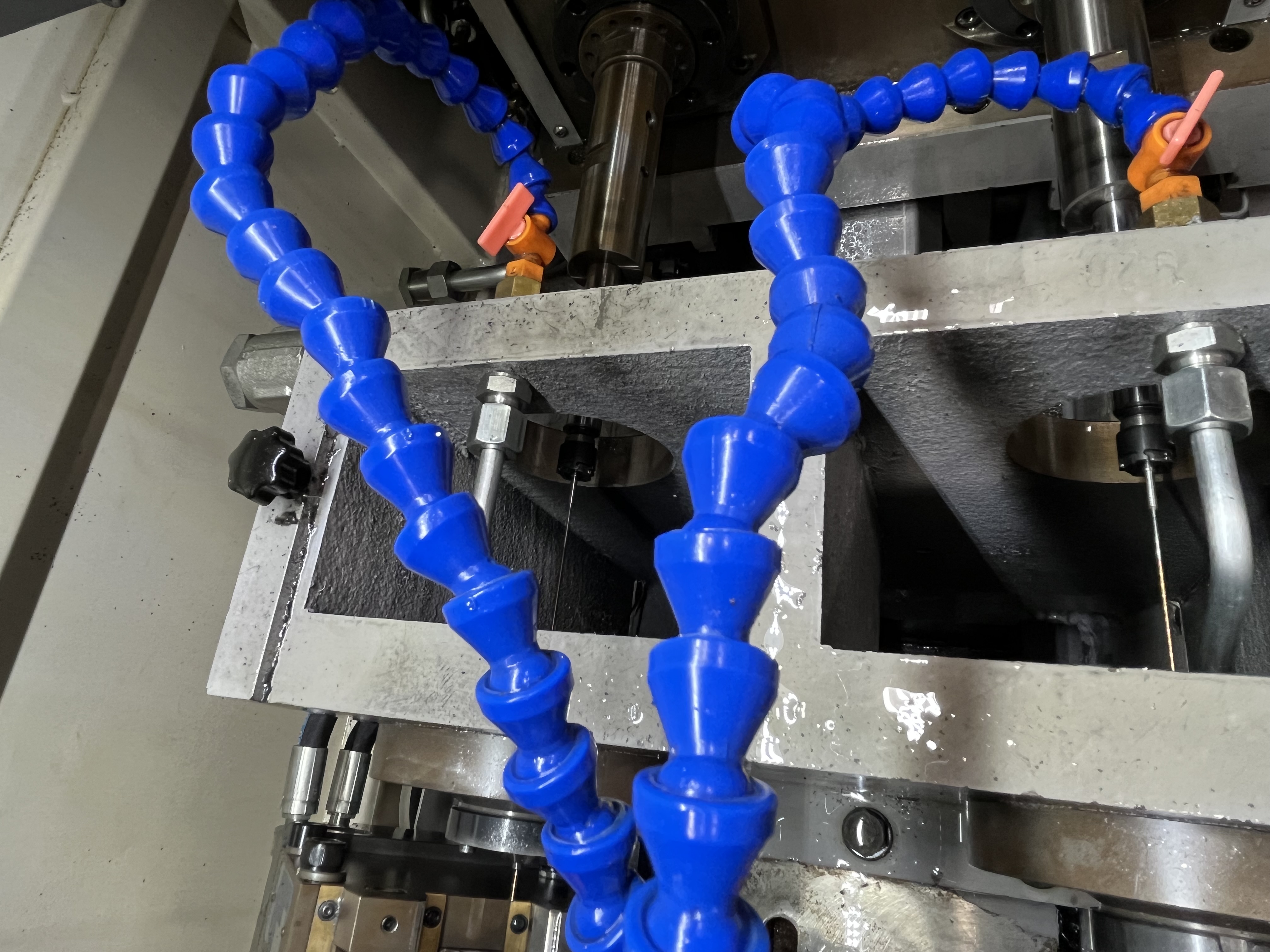
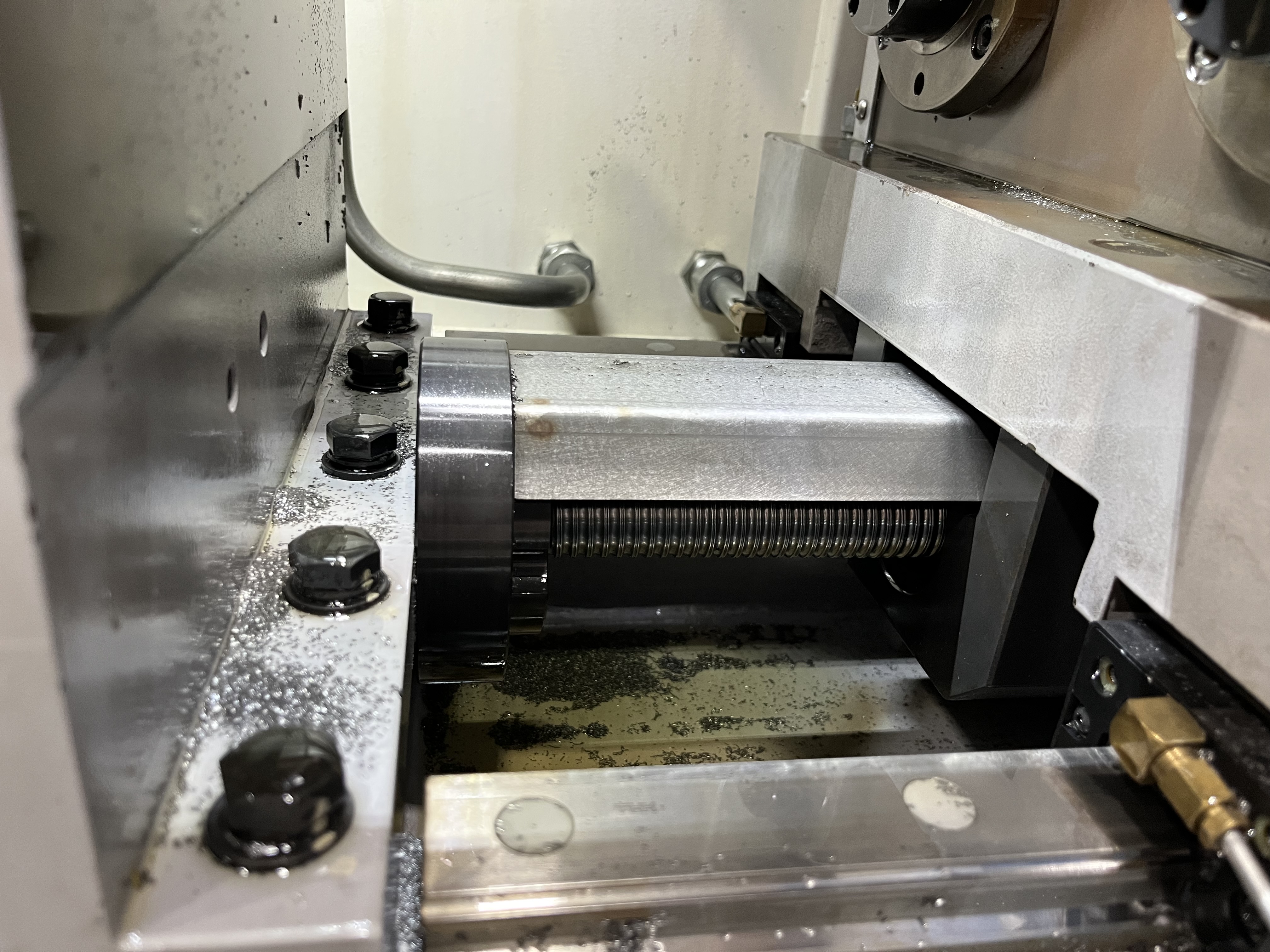
Stress relieving before deep hole drilling removes residual stresses from the material. If these stresses are not removed before drilling, the part can distort when the material is removed from the bore area. I have seen this happen enough times that I now flag every new job for a stress relief review before I touch the machine. The underlying mechanism is straightforward. A part that has internal residual stresses is in a state of equilibrium. When I remove material from the center – which is what deep hole drilling does – that equilibrium shifts. The remaining material redistributes the stress and the part moves. In extreme cases, the bore comes out straight but the part bends around it. I have had parts that looked fine on the bore gauge but were visibly curved when placed on a surface plate. ...

June 16, 2026 · Engineer at the Deep Hole

Drilling Before vs After Heat Treatment: Tradeoffs

The Core Tradeoff in Process Planning The choice between drilling before or after heat treatment depends on the tolerance requirements and the material. Both approaches have tradeoffs. I have made this decision hundreds of times over my career, and I have developed a framework for deciding which sequence works best for a given part. The wrong choice can add 30% to the production cost or cause a 5% scrap rate from distortion. ...

June 12, 2026 · Engineer at the Deep Hole

Deep Hole Drilling Hardened Steels (HRC 40+): Parameters and Tooling That Work

Deep Hole Drilling Hardened Steels (HRC 40+): Parameters and Tooling That Work Hardened steels are a different animal. I learned this the hard way — watching a brand-new carbide gun drill snap on the third hole because I treated the material like it was standard 4140. After a lot of scrap parts, broken tools, and late-night spindle-side debugging, I landed on a set of parameters and tooling choices that turn hardened steel deep-hole drilling from a gamble into a repeatable process. Here is what actually works on the floor. ...

Engineer at the Deep Hole